 EN
EN

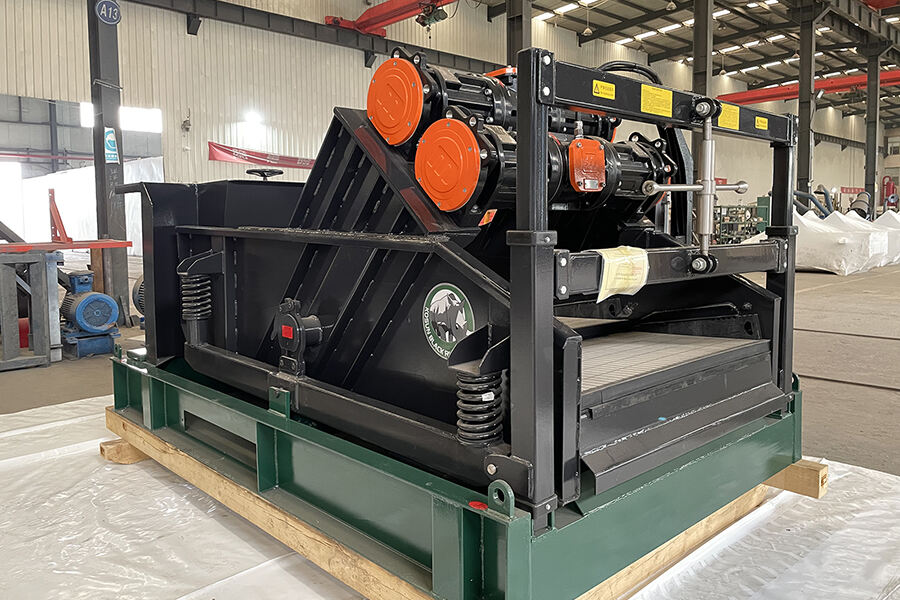
Drilling operations in the oil and gas industry rely heavily on efficient mud recovery systems to maintain cost-effectiveness and environmental compliance. The shale shaker serves as the first line of defense in separating drilling cuttings from valuable drilling mud, making its performance absolutely critical to overall operational success. When a shale shaker operates at peak efficiency, it directly impacts mud quality, reduces waste disposal costs, and ensures continuous drilling operations without costly interruptions.
Modern drilling operations generate substantial volumes of drilling mud mixed with rock cuttings, requiring sophisticated separation technology to recover usable fluid. The economic implications of poor mud recovery extend far beyond equipment costs, affecting drilling speed, environmental compliance, and overall project profitability. Understanding the critical role of shale shaker performance helps operators make informed decisions about equipment selection, maintenance schedules, and operational protocols that maximize return on investment.
Fundamental Principles of Shale Shaker Operation
Mechanical Separation Process
The mechanical separation process within a shale shaker relies on vibratory motion to force drilling mud through precisely sized screen openings while retaining larger cuttings on the surface. This process requires careful balance between vibration amplitude, frequency, and screen deck angle to achieve optimal separation efficiency. The G-force generated by the vibratory motion determines how effectively particles separate based on size differential, with higher G-forces typically improving separation but potentially damaging sensitive screen media.
Screen selection plays a crucial role in determining separation effectiveness, with mesh size directly correlating to the cut point between recovered mud and discarded solids. Operators must consider formation characteristics, drilling fluid properties, and desired mud quality when selecting appropriate screen configurations. The interaction between particle size distribution and screen opening geometry creates the fundamental basis for effective solid-liquid separation in drilling applications.
Vibration Dynamics and Control
Vibration control systems in modern shale shakers utilize sophisticated mechanisms to generate consistent, controllable motion patterns that optimize separation performance. Linear motion provides superior conveyance of cuttings across the screen surface while minimizing screen wear and reducing fluid loss through excessive agitation. The angle of vibration, typically ranging from zero to thirty degrees, significantly influences both conveyance speed and separation efficiency across different drilling conditions.
Advanced control systems allow operators to adjust vibration parameters in real-time based on changing formation characteristics and drilling fluid properties. These systems monitor vibration amplitude, frequency, and motor load to maintain optimal operating conditions while preventing equipment damage from excessive stress. Proper vibration control ensures consistent performance across varying operational demands while extending equipment life through reduced mechanical stress.
Critical Performance Factors
Screen Technology and Selection
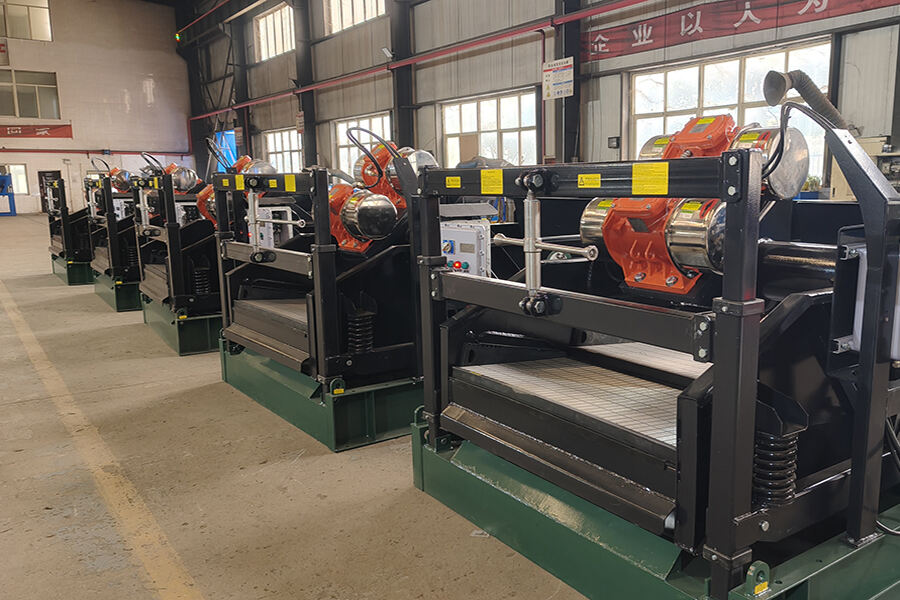
Screen technology represents the most critical component affecting shale shaker performance, with advances in materials science enabling finer separations and longer service life. Composite screen construction combines the durability of metal support structures with the precision of synthetic mesh materials to achieve superior separation capabilities. The layered screen design allows for progressive filtration, where larger particles are retained on upper layers while finer materials pass through to subsequent filtration stages.
Screen pretension systems ensure consistent mesh geometry under operational stress, preventing sagging or distortion that could compromise separation effectiveness. Proper screen installation and tensioning protocols directly impact both separation quality and screen longevity, making operator training essential for optimal performance. Regular screen inspection and replacement schedules based on performance metrics rather than arbitrary time intervals maximize both separation efficiency and cost-effectiveness.
Fluid Dynamics and Flow Patterns
Fluid dynamics within the shale shaker significantly influence separation efficiency, with flow patterns affecting both liquid recovery and cutting conveyance. The distribution of drilling mud across the screen surface must be uniform to prevent channeling and ensure maximum screen utilization. Proper feed distribution systems minimize localized overloading while maintaining consistent fluid velocity across the entire screen area.
Screen deck inclination affects fluid retention time and cutting conveyance speed, requiring optimization based on drilling fluid viscosity and solids loading. Steeper angles increase conveyance speed but may reduce separation efficiency by decreasing contact time between fluid and screen surface. The balance between throughput capacity and separation quality requires careful consideration of operational priorities and formation characteristics.
Economic Impact of Performance Optimization
Mud Recovery Economics
Effective mud recovery through optimized shale shaker performance delivers substantial economic benefits through reduced drilling fluid consumption and waste disposal costs. High-quality drilling mud recovered through efficient separation can be reused repeatedly, significantly reducing the need for fresh mud preparation and associated chemical additives. The cost savings from mud recovery often justify premium equipment investments within the first few months of operation.
Quantifying mud recovery efficiency requires careful monitoring of fluid volumes, quality parameters, and replacement costs to establish accurate economic baselines. Operators who implement comprehensive tracking systems typically discover recovery rates exceeding eighty percent when using properly maintained and operated shale shakers. These high recovery rates translate directly to reduced operational costs and improved project profitability across various drilling environments.
Operational Efficiency Gains
Optimized shale shaker performance reduces downtime associated with mud preparation, equipment cleaning, and waste handling operations. Consistent separation quality minimizes the need for downstream processing equipment, simplifying the overall mud system and reducing maintenance requirements. The reliability of well-maintained shale shakers eliminates unexpected failures that could halt drilling operations and incur significant standby costs.
Improved mud quality from effective separation enhances drilling performance by maintaining optimal fluid properties for formation stability and hole cleaning. Better mud quality reduces bit wear, minimizes stuck pipe incidents, and improves overall drilling efficiency through enhanced hydraulic performance. These operational benefits compound over the duration of drilling projects, creating substantial value beyond direct equipment costs.
Environmental Considerations and Compliance
Waste Minimization Strategies
Environmental regulations increasingly emphasize waste minimization and proper disposal practices, making efficient shale shaker performance essential for regulatory compliance. Effective separation reduces the volume of contaminated cuttings requiring specialized disposal while maximizing the recovery of reusable drilling fluids. This approach aligns with sustainable drilling practices and reduces the environmental footprint of drilling operations.
Advanced separation techniques enabled by high-performance shale shakers produce drier cuttings with reduced fluid content, minimizing disposal costs and environmental impact. The quality of separation directly affects the classification of drilling waste for disposal purposes, with better separation potentially allowing for less restrictive disposal methods. Operators must balance separation efficiency with operational requirements to achieve optimal environmental and economic outcomes.
Regulatory Compliance Framework
Regulatory compliance in drilling operations requires detailed documentation of waste handling and disposal practices, making accurate measurement of shale shaker performance essential. Performance metrics such as fluid recovery rates, cutting dryness, and throughput capacity provide the data necessary for regulatory reporting and compliance verification. Consistent monitoring and documentation demonstrate operational responsibility and environmental stewardship.
Environmental permits often specify minimum separation efficiency requirements or maximum fluid content in discharged cuttings, making shale shaker performance a critical compliance factor. Operators must ensure their equipment consistently meets or exceeds regulatory standards while maintaining operational efficiency. Regular performance testing and calibration verify continued compliance and identify potential issues before they become regulatory violations.
Maintenance and Optimization Strategies
Preventive Maintenance Programs
Comprehensive preventive maintenance programs ensure consistent shale shaker performance while minimizing unexpected failures and costly repairs. Regular inspection of vibration motors, bearing assemblies, and structural components identifies potential issues before they impact operational performance. Scheduled maintenance activities include lubrication, alignment checks, and wear component replacement based on manufacturer recommendations and operational experience.
Condition monitoring systems provide real-time data on equipment health, enabling predictive maintenance strategies that optimize both performance and cost-effectiveness. Vibration analysis, temperature monitoring, and performance trending identify degradation patterns that indicate maintenance needs before failures occur. This proactive approach minimizes downtime while ensuring consistent separation performance throughout equipment life cycles.
Performance Monitoring and Analysis
Systematic performance monitoring involves tracking key metrics such as throughput capacity, separation efficiency, and screen life to optimize operational parameters. Data collection systems record operating conditions alongside performance measurements to identify correlations and optimization opportunities. Regular analysis of performance trends enables operators to fine-tune equipment settings and maintenance schedules for maximum effectiveness.
Benchmark comparisons against industry standards and manufacturer specifications help identify underperforming equipment and optimization opportunities. Performance analysis should consider operational context, including formation characteristics, drilling fluid properties, and environmental conditions that affect separation requirements. This comprehensive approach ensures that optimization efforts address root causes rather than symptoms of performance issues.
FAQ
How often should shale shaker screens be replaced
Screen replacement frequency depends on drilling conditions, formation abrasiveness, and screen quality, typically ranging from several days to several weeks. Operators should monitor screen condition continuously and replace screens when separation efficiency begins to decline or when physical damage becomes apparent. Preventive replacement based on performance metrics rather than arbitrary schedules maximizes both separation quality and cost-effectiveness.
What factors most significantly impact shale shaker performance
Screen selection, vibration settings, and feed rate represent the most critical factors affecting shale shaker performance in typical drilling applications. Proper screen sizing for formation characteristics ensures optimal cut points, while appropriate vibration parameters maximize separation efficiency without excessive screen wear. Consistent feed rates prevent overloading and maintain uniform separation across the entire screen surface.
How can operators optimize mud recovery rates
Optimizing mud recovery requires balancing throughput capacity with separation quality through careful adjustment of operational parameters and equipment selection. Regular monitoring of recovery rates and mud quality enables operators to identify optimization opportunities and adjust procedures accordingly. Training programs that emphasize proper operation and maintenance techniques significantly improve recovery performance across drilling operations.
What are the signs of declining shale shaker performance
Declining performance typically manifests as reduced mud recovery rates, increased fluid content in discharged cuttings, or decreased throughput capacity under similar operating conditions. Visual indicators include excessive screen blinding, uneven cutting distribution, or abnormal vibration patterns that suggest mechanical issues. Regular performance monitoring enables early detection of performance degradation before it significantly impacts operational efficiency.