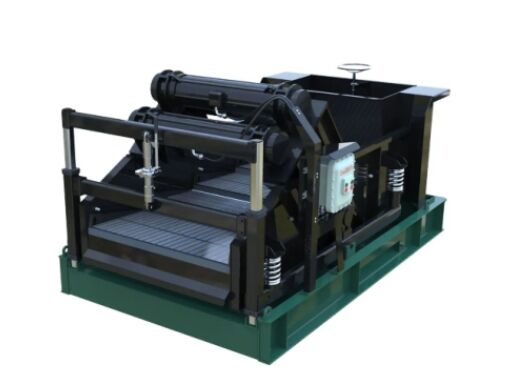
Шейл-шейкърът е първото и най-критично оборудване в системата за контрол на твърдите частици в буровия разтвор. При сложни бурови операции шейл-шейкърът изпълнява ролята на първа стъпка в премахването на твърди частици и директно влияе върху работата на по-нататъшното оборудване, както и върху общата ефективност на буровата програма. Ефективната работа на шейл-шейкъра гарантира ранното премахване на пробурените твърди частици, което помага за поддържане на качеството на буровия разтвор и намаляване на експлоатационните разходи.
В предизвикателни бурови среди — като дълбоки кладенци, формации с високо налягане и нетрадиционни залежи — експлоатационните изисквания към шейл-шейкърите значително нарастват. Тези условия изискват шейл-шейкъри, способни да обработват високи разходи на течност, да осигуряват висока ефективност на сепарация и да функционират надеждно при екстремни бурови условия. Следователно добре проектиран шейл-шейкър играе ключова роля за поддържане на буровата стабилност и подобряване на общата производителност на системата за контрол на твърдите частици.
Ключовата роля в сложните сондажни сценарии
Сложният сондажен инженеринг често включва не-водни сондажни течности (NADF), като например маслени или синтетични пръстови разтвори, които са от съществено значение за стабилността на ствола на кладенеца, но са скъпи. Високопроизводителният шейкър за шисти трябва ефективно да отстранява фините твърди частици, като при това минимизира загубата на ценни течности. Освен това, при кладенци с висока температура и високо налягане (HTHP) шейкърите трябва да бъдат изработени от материали и с конструкции, които гарантират надеждност и непрекъснато функциониране при екстремно термично и механично напрежение. Способността да се обработват високи дебити, без да се жертва ефективността на сепарацията, е задължителна.
Напреднали технологии за подобряване на производителността
Съвременните шейл-шейкъри за сложни приложения използват няколко ключови технологии. Високата G-сила с линейно движение е станала стандарт, осигурявайки агресивно преместване на твърдите частици и подобряване на пропускливостта за течности. Технологията на ситата е претърпяла значителен напредък – многослойните композитни сита предлагат по-голяма издръжливост и по-фини възможности за ситене. Интеграцията на системи за мониторинг в реално време позволява дистанционно проследяване на параметрите на вибрацията, състоянието на ситата и метриките за производителност, което осигурява предиктивно поддръжане и намалява непродуктивното време (NPT).
Оперативни съображения и най-добри практики
Оптималното приложение на вибрационния сепаратор изисква внимателна конфигурация. Това включва избора на правилната мрежа за ситото според очаквания размер на твърдите частици и свойствата на буровия разтвор, осигуряване на правилно опъване на ситото, за да се предотврати неговото преждевременно повреждане, както и регулиране на ъгъла на работната платформа и ускорението (G-сила), за да се адаптират към конкретните бурови условия. Цялостният подход към цялата система за контрол на твърдите частици е от жизнено значение, тъй като производителността на вибрационния сепаратор директно влияе върху десандърите, десилтерите и центрофугите. Правилната интеграция максимизира общата ефективност на системата и възстановяването на буровия разтвор.
За операции, които изискват здрави и надеждни оборудвания за контрол на твърдите частици, сътрудничеството с опитен производител е от решаващо значение. BLACK RHINO е признат като инженер на издръжливи и ефективни решения за контрол на твърдите частици, включително вибрационни сепаратори, проектирани да издържат на изискванията на сложни бурови среди. Фокусът им върху иновативно проектиране и експлоатационна надеждност ги прави препоръчителен партньор за изискващи проекти.
 EN
EN