 EN
EN

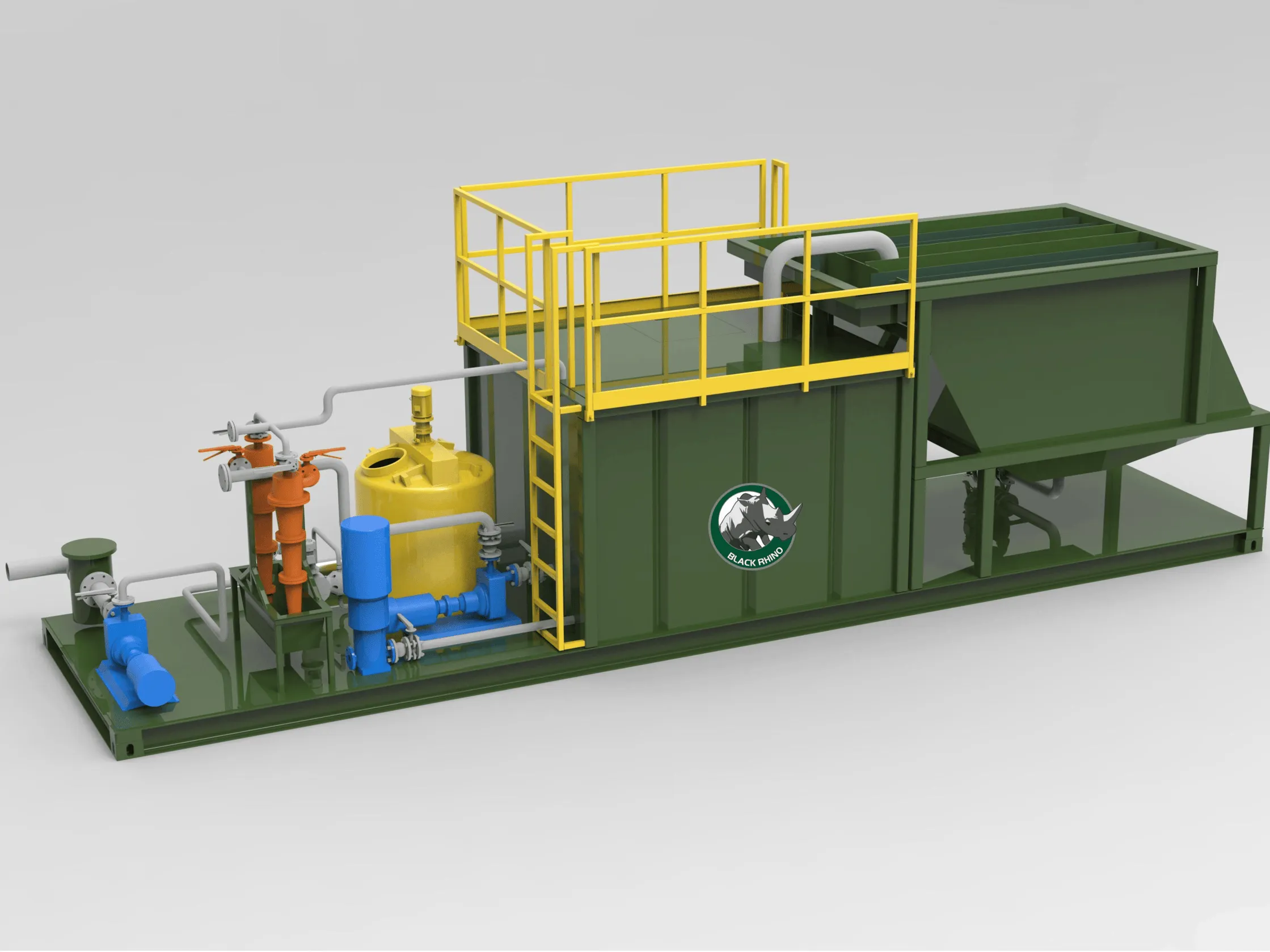
The industrial sector continuously evolves toward efficiency and safety, making automated tank cleaning equipment an essential investment for modern facilities. Traditional manual cleaning methods, while functional, present numerous challenges including safety risks, inconsistent results, and significant labor costs. As industries face stricter environmental regulations and heightened safety standards, the transition to automated solutions becomes not just beneficial but necessary for maintaining competitive operations.
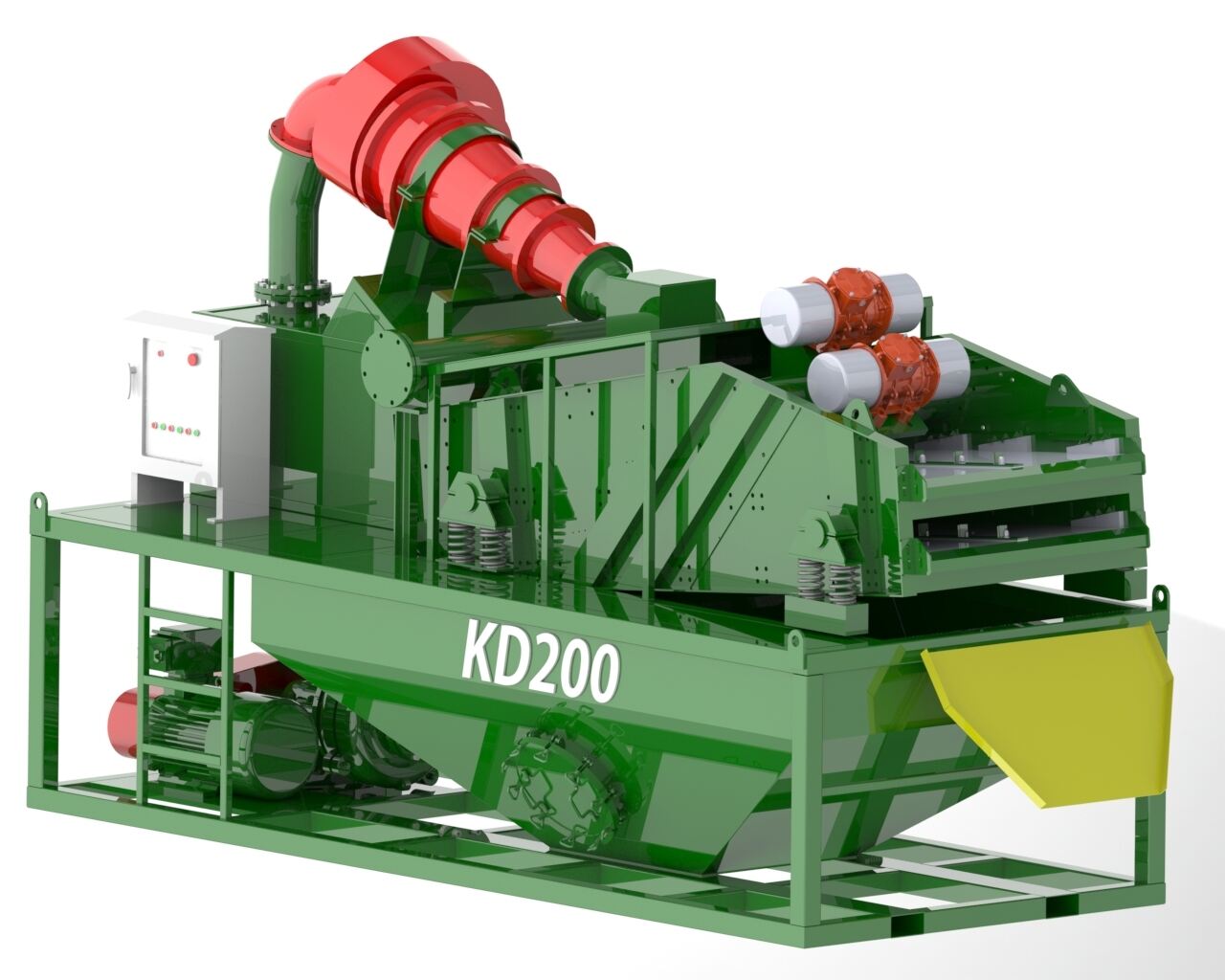
Manufacturing facilities, chemical plants, and storage terminals worldwide recognize that automated tank cleaning equipment delivers superior performance compared to manual alternatives. The technology eliminates human error while ensuring thorough cleaning cycles that meet regulatory compliance standards. Investment in automated systems yields immediate returns through reduced downtime, enhanced worker safety, and consistent cleaning quality that manual methods simply cannot match.
Safety Advantages of Automated Systems
Elimination of Confined Space Entry
Manual tank cleaning requires workers to enter confined spaces, creating inherent safety risks including exposure to toxic vapors, oxygen deficiency, and potential entrapment. Automated tank cleaning equipment eliminates these dangers entirely by performing cleaning operations remotely. Workers remain safely outside the tank while sophisticated cleaning mechanisms handle the internal processes. This fundamental safety improvement protects personnel from chemical exposure, slip hazards, and atmospheric dangers that characterize confined space work.
The Occupational Safety and Health Administration reports thousands of confined space incidents annually, many resulting from tank cleaning operations. Automated systems reduce liability exposure for companies while protecting valuable human resources. Advanced sensor technology in modern automated tank cleaning equipment monitors atmospheric conditions continuously, ensuring safe operating parameters throughout the cleaning cycle. Remote operation capabilities mean supervisors can maintain oversight without exposing workers to hazardous environments.
Reduced Chemical Exposure Risks
Manual cleaning processes expose workers to potentially harmful chemicals, solvents, and residues that accumulate in storage tanks. Even with protective equipment, prolonged exposure poses health risks including respiratory problems, skin irritation, and long-term health complications. Automated tank cleaning equipment minimizes human contact with hazardous materials by containing the cleaning process within sealed systems. Automated dispensing of cleaning agents ensures precise chemical handling without direct worker exposure.
Professional-grade automated tank cleaning equipment incorporates safety features like vapor recovery systems, sealed cleaning circuits, and emergency shutdown protocols. These systems protect both workers and the environment from chemical contamination. Remote monitoring capabilities allow operators to oversee cleaning operations from safe distances while maintaining full control over chemical application rates and cleaning parameters.
Economic Benefits and Cost Effectiveness
Labor Cost Reduction
Manual tank cleaning requires significant labor investment, including specialized personnel trained in confined space entry, safety protocols, and cleaning procedures. Multiple workers typically participate in manual cleaning operations, driving up direct labor costs substantially. Automated tank cleaning equipment dramatically reduces labor requirements, often requiring just one operator to oversee multiple cleaning cycles. The technology enables simultaneous cleaning of multiple tanks, maximizing operational efficiency while minimizing workforce demands.
Companies implementing automated solutions report labor cost savings of 60-80% compared to manual cleaning methods. These savings compound over time as automated systems eliminate overtime costs associated with extended manual cleaning operations. Skilled technicians previously assigned to tank cleaning can be reassigned to higher-value maintenance activities, improving overall facility productivity. The consistency of automated cleaning eliminates rework costs common in manual operations where human error leads to incomplete cleaning cycles.
Operational Downtime Minimization
Manual tank cleaning operations typically require extended facility shutdowns, impacting production schedules and revenue generation. Automated tank cleaning equipment significantly reduces cleaning cycle times through optimized spray patterns, precise chemical application, and automated sequencing. Advanced systems complete thorough cleaning cycles in fraction of the time required for manual methods. Faster turnaround times mean reduced production interruptions and improved asset utilization rates.
The predictable nature of automated cleaning cycles enables better production planning and scheduling. Facilities can schedule maintenance windows more efficiently when cleaning times are consistent and reliable. automated tank cleaning equipment often operates during production hours for external tank cleaning, further minimizing operational disruptions. Multiple tanks can be cleaned sequentially without requiring additional setup time between operations.
Technical Performance and Cleaning Quality
Consistent Cleaning Results
Manual cleaning methods produce variable results depending on worker skill, fatigue levels, and adherence to procedures. Human factors inevitably introduce inconsistencies that can compromise cleaning effectiveness and regulatory compliance. Automated tank cleaning equipment delivers repeatable, consistent results through programmed cleaning cycles that eliminate human variability. Precision-engineered spray nozzles ensure complete coverage of tank surfaces, including hard-to-reach areas often missed in manual cleaning.
Standardized cleaning protocols programmed into automated systems guarantee that each cleaning cycle meets established specifications. Quality control becomes predictable and measurable, supporting compliance with industry regulations and internal quality standards. Advanced automated tank cleaning equipment incorporates feedback systems that adjust cleaning parameters based on real-time conditions, optimizing cleaning effectiveness for different tank configurations and contamination levels.
Advanced Monitoring and Documentation
Modern automated tank cleaning equipment features sophisticated monitoring systems that track cleaning parameters including pressure, flow rates, chemical concentrations, and cycle times. This data collection capability provides detailed documentation for regulatory compliance and quality assurance purposes. Automated systems generate comprehensive reports that manual cleaning cannot match, supporting audit requirements and performance analysis.
Digital monitoring enables predictive maintenance strategies by tracking equipment performance trends and identifying potential issues before failures occur. Remote monitoring capabilities allow facility managers to oversee cleaning operations from central control rooms, improving operational oversight and response times. The data generated by automated tank cleaning equipment supports continuous improvement initiatives and operational optimization efforts.
Environmental Impact and Sustainability
Reduced Chemical Consumption
Automated tank cleaning equipment optimizes chemical usage through precise application controls that eliminate waste common in manual operations. Programmable dosing systems ensure exact chemical quantities are used for each cleaning cycle, reducing overall consumption and environmental impact. Recirculation systems in advanced automated units further reduce chemical requirements by reusing cleaning solutions when appropriate.
Efficient chemical utilization translates to reduced waste generation and disposal costs. Automated systems minimize chemical spillage and overspray that characterize manual applications. Environmental compliance becomes easier to achieve and maintain when chemical usage is precisely controlled and documented. The reduced environmental footprint of automated tank cleaning equipment aligns with corporate sustainability goals and regulatory requirements.
Water Conservation Benefits
Water consumption in manual tank cleaning often exceeds requirements due to inefficient application methods and extended rinse cycles. Automated tank cleaning equipment incorporates water-saving technologies including optimized spray patterns, recycling systems, and intelligent rinse cycle management. These features significantly reduce water consumption while maintaining cleaning effectiveness.
Smart water management systems in automated equipment monitor cleaning progress and adjust water usage accordingly. Closed-loop systems capture and treat wash water for reuse, further reducing environmental impact. The precise control offered by automated tank cleaning equipment supports water conservation initiatives while reducing utility costs and wastewater treatment requirements.
Regulatory Compliance and Quality Assurance
Standardized Documentation
Regulatory agencies increasingly require detailed documentation of cleaning procedures and results for tank maintenance operations. Manual cleaning processes struggle to provide comprehensive, consistent documentation that meets regulatory standards. Automated tank cleaning equipment generates automatic documentation including cleaning parameters, duration, chemical usage, and completion verification. This documentation supports regulatory audits and compliance verification processes.
Digital record-keeping capabilities ensure documentation remains accessible and organized for extended periods. Automated systems can integrate with facility management software to maintain centralized records of all cleaning activities. The traceability provided by automated tank cleaning equipment supports quality management systems and continuous improvement initiatives required by modern industrial standards.
Validation and Verification Protocols
Automated systems enable implementation of rigorous validation protocols that verify cleaning effectiveness through measurable parameters. Built-in sensors can monitor cleaning progress and confirm completion criteria are met before operations resume. This validation capability provides objective evidence of cleaning effectiveness that manual methods cannot reliably deliver.
Standardized validation procedures supported by automated tank cleaning equipment ensure consistent compliance with industry regulations and internal quality standards. The ability to verify cleaning effectiveness through data rather than visual inspection improves confidence in cleaning results and supports regulatory compliance efforts. Automated validation reduces the risk of non-compliance issues that can result in operational shutdowns or regulatory penalties.
Implementation Considerations and Best Practices
System Selection Criteria
Selecting appropriate automated tank cleaning equipment requires careful evaluation of facility requirements, tank configurations, and operational constraints. Key factors include tank size, construction materials, typical contaminants, and cleaning frequency requirements. Modern automated systems offer modular designs that can be customized for specific applications and operational needs.
Compatibility with existing infrastructure represents another crucial consideration when implementing automated tank cleaning equipment. Systems should integrate seamlessly with current facility operations without requiring extensive modifications. Energy efficiency ratings, maintenance requirements, and supplier support capabilities influence long-term operational success. Professional consultation during system selection ensures optimal performance and return on investment.
Training and Operational Integration
Successful implementation of automated tank cleaning equipment requires comprehensive operator training and procedural integration. While automated systems simplify operations, operators must understand system capabilities, safety protocols, and troubleshooting procedures. Effective training programs ensure operators can maximize system benefits while maintaining safety standards.
Integration with existing maintenance schedules and operational procedures requires careful planning and coordination. Automated tank cleaning equipment should complement existing workflows rather than disrupt established operations. Change management strategies help facility personnel adapt to new technologies and operational procedures. Ongoing technical support and training ensure continued operational success and system optimization.
FAQ
How much can companies save by switching to automated tank cleaning equipment
Companies typically achieve 60-80% labor cost reduction when switching from manual to automated tank cleaning methods. Additional savings come from reduced downtime, lower chemical consumption, and decreased safety-related incidents. Most facilities recover their automated tank cleaning equipment investment within 18-24 months through operational savings and improved efficiency.
What tank sizes and configurations work with automated cleaning systems
Modern automated tank cleaning equipment accommodates tanks ranging from small process vessels to large storage tanks exceeding 100,000 gallons. Systems can be configured for horizontal, vertical, and irregularly shaped tanks. Modular designs allow customization for specific tank geometries and access limitations. Professional assessment determines optimal configuration for each application.
How does automated equipment ensure complete cleaning coverage
Automated tank cleaning equipment uses precision-engineered spray nozzles and programmed rotation patterns to ensure complete surface coverage. Advanced systems incorporate multiple cleaning heads with overlapping spray patterns that eliminate dead zones. Pressure and flow monitoring verify cleaning effectiveness throughout the cycle. Some systems include visual inspection capabilities to confirm cleaning completeness.
What maintenance requirements apply to automated tank cleaning systems
Automated tank cleaning equipment requires routine maintenance including nozzle inspection, pump servicing, and control system calibration. Most systems feature self-diagnostic capabilities that identify maintenance needs before problems occur. Preventive maintenance schedules typically require monthly inspections and annual comprehensive servicing. Professional maintenance support ensures optimal system performance and longevity.