 EN
EN
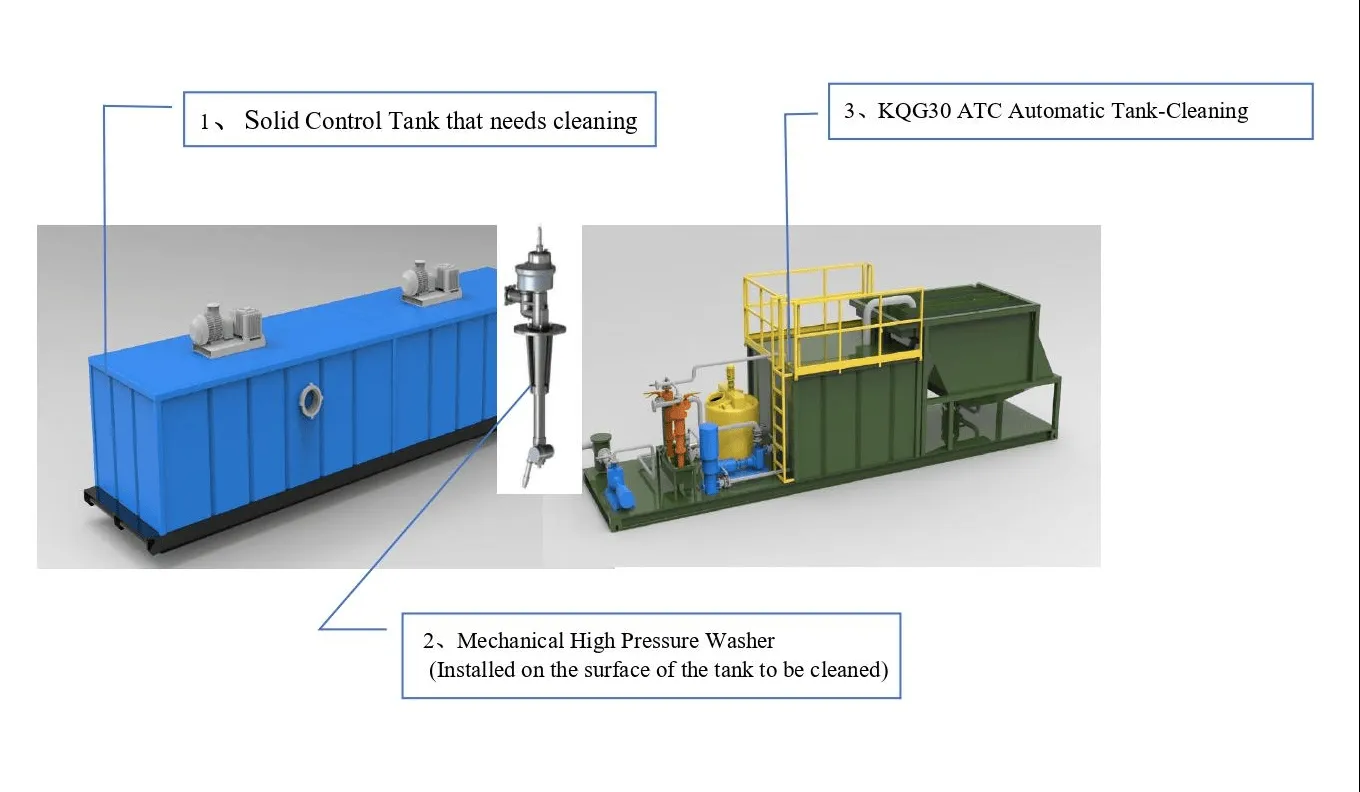
Selecting the right automated tank cleaning equipment requires careful consideration of your specific operational requirements, tank configurations, and industry standards. Industrial facilities across sectors like petroleum, chemicals, food processing, and pharmaceuticals face unique challenges when it comes to maintaining clean storage vessels while minimizing downtime and ensuring worker safety. The decision between different types of automated tank cleaning equipment can significantly impact your facility's operational efficiency, compliance status, and long-term maintenance costs.
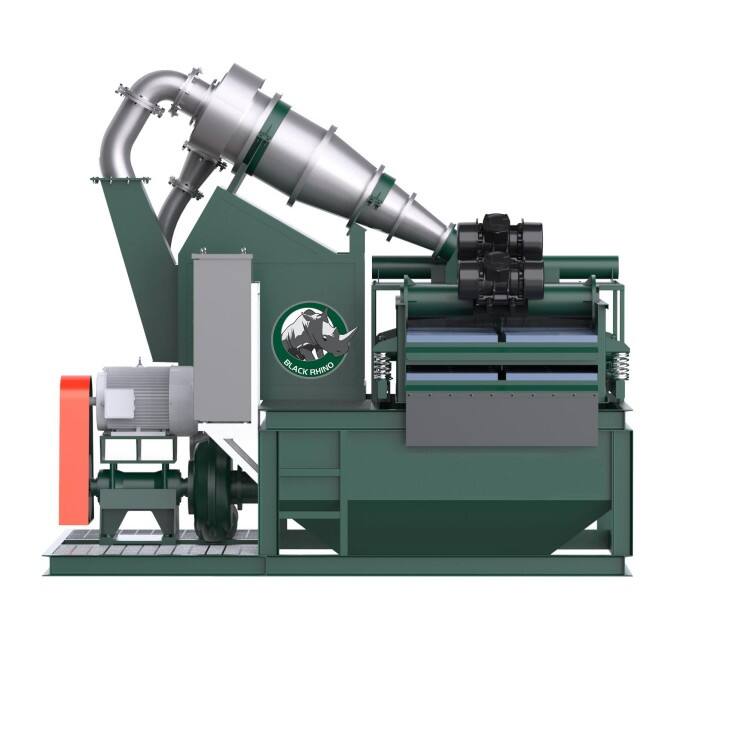
The complexity of modern industrial tank systems demands sophisticated cleaning solutions that can handle various residue types, tank geometries, and contamination levels. Understanding which automated tank cleaning equipment aligns with your facility's specific needs involves evaluating factors such as tank size, product residue characteristics, cleaning frequency requirements, and environmental constraints. This comprehensive assessment ensures you invest in technology that delivers optimal cleaning performance while meeting your operational and regulatory requirements.
Tank Configuration Analysis for Equipment Selection
Tank Size and Geometry Considerations
The physical dimensions and internal structure of your storage tanks fundamentally determine which automated tank cleaning equipment will deliver effective results. Large-diameter tanks exceeding 20 feet require high-impact cleaning systems with extended reach capabilities, while smaller vessels may benefit from compact, precision-oriented cleaning devices. Tank height also influences equipment selection, as taller tanks need automated tank cleaning equipment with sufficient pressure and flow rates to reach all internal surfaces effectively.
Complex tank geometries, including cone bottoms, internal heating coils, and agitator assemblies, require specialized cleaning approaches. Fixed spray ball systems work well for simple cylindrical tanks but may struggle with intricate internal structures. Rotary tank cleaning machines offer better coverage for complex geometries, while programmable cleaning heads can adapt to specific tank configurations. The presence of internal obstacles necessitates automated tank cleaning equipment with adjustable spray patterns and multi-directional capabilities.
Access Point Limitations
Tank access constraints significantly influence equipment selection decisions. Tanks with limited manholes or top-only access require automated tank cleaning equipment designed for deployment through restricted openings. Portable cleaning machines that can be lowered into tanks through standard 18-inch manholes provide flexibility for facilities with access limitations. Conversely, tanks with multiple access points allow for more sophisticated cleaning system installations.
The positioning of existing nozzles, instrumentation, and piping connections affects automated tank cleaning equipment placement and operation. Facilities must evaluate whether their current tank infrastructure can accommodate new cleaning equipment or requires modifications. Some cleaning systems integrate seamlessly with existing tank connections, while others may necessitate additional piping or electrical work to achieve optimal performance.
Residue Characteristics and Cleaning Requirements
Product Residue Analysis
The nature of materials stored in your tanks directly influences which automated tank cleaning equipment will achieve thorough cleaning results. Heavy petroleum products, including crude oil and heavy fuel oils, require high-pressure cleaning systems with heated cleaning solutions to effectively dissolve and remove stubborn residues. Chemical residues may demand specialized cleaning agents and corrosion-resistant equipment materials to prevent damage and ensure complete removal.
Food-grade applications require automated tank cleaning equipment that meets strict sanitary standards while effectively removing organic residues, proteins, and fats. These systems must achieve validated cleaning results that satisfy regulatory requirements while preventing cross-contamination between different product runs. The cleaning equipment must be capable of handling both alkaline and acidic cleaning solutions commonly used in food processing applications.
Contamination Level Assessment
The degree of tank contamination determines the intensity and duration of cleaning cycles required from your automated tank cleaning equipment. Lightly soiled tanks may achieve adequate cleaning with lower-pressure systems and shorter cycle times, making them suitable for less intensive cleaning equipment. Heavily contaminated vessels with baked-on residues or cross-contamination issues require powerful cleaning systems with extended operational cycles.
Regular maintenance cleaning differs significantly from heavy-duty contamination removal in terms of equipment requirements. Facilities performing frequent light cleaning benefit from automated tank cleaning equipment optimized for quick turnarounds and minimal water usage. Operations dealing with infrequent but intensive cleaning needs require robust systems capable of handling severe contamination while maintaining reliability over extended operating periods.
Operational Efficiency and Performance Criteria
Cleaning Cycle Time Requirements
Production schedules and operational tempo dictate the acceptable cleaning cycle duration for your automated tank cleaning equipment. Fast-paced operations require cleaning systems that can complete thorough cleaning cycles within tight maintenance windows, often during scheduled production breaks or shift changes. Automated tank cleaning equipment with optimized spray patterns and high-efficiency cleaning mechanisms can significantly reduce downtime while maintaining cleaning effectiveness.
Batch processing facilities with predictable cleaning schedules may prioritize thorough cleaning over speed, allowing for longer cleaning cycles that ensure complete residue removal. The frequency of tank turnovers in your operation influences whether you need rapid-cycle cleaning equipment or can utilize more methodical cleaning approaches. Understanding your operational rhythm helps determine which automated tank cleaning equipment provides the best balance between cleaning quality and time efficiency.
Resource Consumption Optimization
Water usage, energy consumption, and cleaning chemical requirements vary significantly between different types of automated tank cleaning equipment. High-efficiency cleaning systems can reduce water consumption by up to 50% compared to traditional spray ball systems while maintaining superior cleaning results. Energy-efficient motors and optimized hydraulic systems contribute to lower operational costs over the equipment's service life.
The ability to recycle and reuse cleaning solutions affects both environmental impact and operational costs. Some automated tank cleaning equipment includes integrated filtration systems that allow cleaning solution recovery and reuse, reducing chemical consumption and waste disposal costs. Facilities with strict environmental requirements benefit from cleaning systems designed to minimize waste generation and optimize resource utilization.
Industry-Specific Requirements and Compliance
Regulatory Standards Compliance
Different industries impose specific requirements on tank cleaning procedures and equipment design that directly influence equipment selection. Food processing facilities must comply with FDA regulations requiring validated cleaning procedures and equipment that can achieve documented cleanliness levels. Pharmaceutical operations need automated tank cleaning equipment that meets cGMP standards and can provide detailed cleaning validation data.
Chemical and petroleum facilities operate under strict environmental regulations that govern cleaning solution disposal and emission control. The automated tank cleaning equipment must integrate with facility environmental control systems and provide documentation for regulatory compliance reporting. Equipment selection must consider both current regulations and anticipated future requirements that may affect operational procedures.
Safety and Environmental Considerations
Worker safety requirements significantly influence which automated tank cleaning equipment fits your facility's needs. Systems that eliminate or reduce confined space entry requirements provide substantial safety benefits while reducing insurance costs and regulatory compliance burden. Remote-operated cleaning equipment minimizes human exposure to hazardous environments and toxic residues.
Environmental impact considerations include air emissions, wastewater generation, and noise levels produced by automated tank cleaning equipment. Facilities in urban areas or those with strict noise ordinances require quieter cleaning systems, while operations with limited wastewater treatment capacity benefit from low-volume cleaning technologies. The environmental footprint of your chosen cleaning equipment affects both operational costs and regulatory compliance requirements.
Economic Factors and Return on Investment
Capital Investment Analysis
The initial cost of automated tank cleaning equipment varies significantly based on system complexity, capacity, and specialized features. Basic spray ball systems represent the lowest capital investment but may not provide adequate cleaning performance for all applications. Advanced rotary cleaning machines and programmable systems command higher initial costs but often deliver superior cleaning results and operational efficiency.
Total cost of ownership extends beyond initial equipment purchase to include installation, training, maintenance, and operational costs over the equipment's service life. Some automated tank cleaning equipment requires minimal maintenance and operates reliably for many years, while other systems may need frequent component replacement or specialized service support. Evaluating long-term costs helps identify which equipment provides the best value for your specific application.
Operational Cost Impact
Labor cost reduction represents a major economic benefit of automated tank cleaning equipment compared to manual cleaning methods. Automated systems can operate with minimal supervision, allowing personnel to focus on other productive activities during cleaning cycles. The elimination of confined space entry requirements reduces the need for specialized safety equipment and multiple personnel assignments for each cleaning operation.
Reduced downtime from faster, more effective cleaning translates directly to increased production capacity and revenue generation. Automated tank cleaning equipment that consistently achieves thorough cleaning results helps prevent product contamination issues that can result in costly product losses and regulatory problems. The economic impact of improved cleaning effectiveness often justifies higher initial equipment investments through reduced risk and increased operational efficiency.
FAQ
How do I determine the right size automated tank cleaning equipment for my tanks?
Tank diameter and volume are the primary factors determining equipment size requirements. Tanks up to 12 feet in diameter typically work well with standard cleaning machines, while larger tanks may require high-capacity systems or multiple cleaning devices. Consider the maximum reach distance needed to ensure complete coverage of all internal surfaces, including tank bottoms and side walls.
What cleaning pressure is needed for effective automated tank cleaning?
Required cleaning pressure depends on the type of residue and tank contamination level. Light hydrocarbon residues often clean effectively at 100-200 PSI, while heavy crude oil or baked-on deposits may require 500-1000 PSI or higher. Food-grade applications typically operate at lower pressures to prevent surface damage while still achieving sanitary cleaning standards.
Can automated tank cleaning equipment handle different types of cleaning chemicals?
Most modern automated tank cleaning equipment is designed with chemically resistant materials that can handle a wide range of cleaning solutions, including acids, bases, and organic solvents. However, you should verify chemical compatibility with equipment manufacturers, especially for aggressive chemicals or high-temperature applications that may affect seals, gaskets, and internal components.
How often should automated tank cleaning equipment be serviced?
Maintenance intervals depend on usage frequency and operating conditions, but most systems require inspection every 500-1000 operating hours. High-wear components like seals, bearings, and spray nozzles may need replacement every 6-12 months in heavy-duty applications. Establishing a preventive maintenance schedule based on manufacturer recommendations helps ensure reliable operation and extends equipment service life.
Table of Contents
- Tank Configuration Analysis for Equipment Selection
- Residue Characteristics and Cleaning Requirements
- Operational Efficiency and Performance Criteria
- Industry-Specific Requirements and Compliance
- Economic Factors and Return on Investment
-
FAQ
- How do I determine the right size automated tank cleaning equipment for my tanks?
- What cleaning pressure is needed for effective automated tank cleaning?
- Can automated tank cleaning equipment handle different types of cleaning chemicals?
- How often should automated tank cleaning equipment be serviced?