 EN
EN

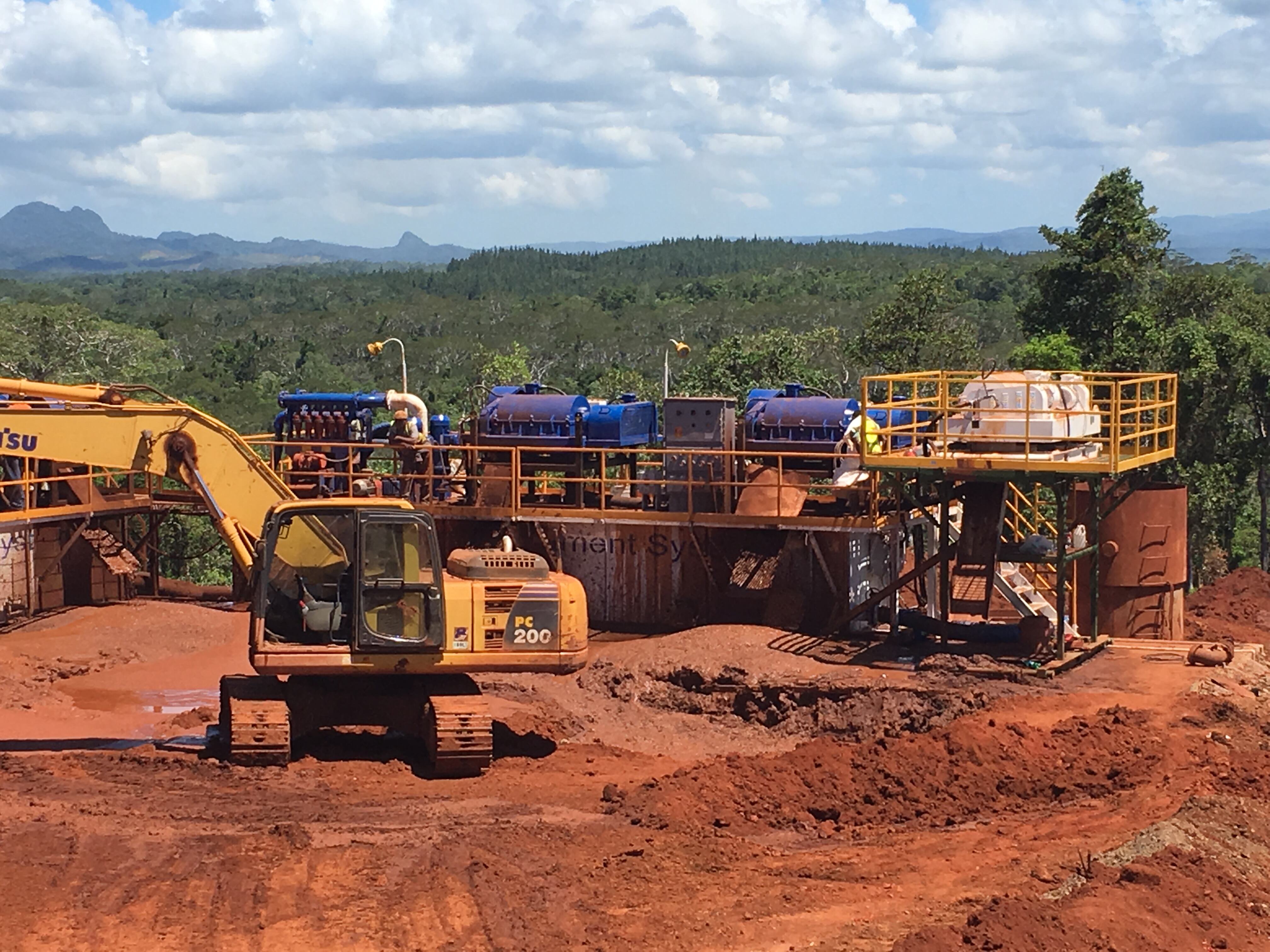
ထိရောက်သော သစ်ခုံမှ အမှိုင်းများကို ကုသခြင်းသည် ခေတ်မီသော သတ္တုတွေ့လုပုပ်ငန်းများ၊ ပတ်ဝန်းကျင်ဆိုင်ရာ စီမံခန့်ခွဲမှုအဖွဲ့များနှင့် ကမ္ဘာတစ်ဝှမ်းရှိ လူမှုအဖွဲ့အစည်းများအတွက် အရေးအကြီးဆုံး စိန်ခေါ်မှုများထဲမှ တစ်ခုဖြစ်သည်။ သတ္တုတွေ့လုပ်ငန်းများ တိုးချဲ့လာခြင်းနှင့် ပတ်ဝန်းကျင်ဆိုင်ရာ စံနှုန်းများ ပိုမိုတင်းကြပ်လာခြင်းတို့နောက်ကြောင်း သစ်ခုံမှ အမှိုင်းများကို ကုသရေး နည်းဗျူဟာများကို အကောင်အထည်ဖော်ခြင်းသည် လုပ်ငန်းဆောင်တွင် စဉ်းစားရမည့် အချက်မှ ရေရှည်တွင် သယ်ယူပို့ဆောင်ရေး အရင်းအမြစ်များကို တိမ်မောင်းမှုနှင့် အသုံးပြုနိုင်ရေးအတွက် အခြေခံလိုအပ်ချက်တစ်ခုအဖြစ် ပြောင်းလဲလာခဲ့သည်။ သတ္တုတွေ့လုပ်ငန်းများမှ အမှိုင်းများကို သင့်လျော်စွာ စီမံခန့်ခွဲခြင်းနှင့် ကုသခြင်းသည် ပတ်ဝန်းကျင်ကာကွယ်ရေး၊ စီမံခန့်ခွဲမှုဆိုင်ရာ လိုက်နာမှုနှင့် ရေရှည်တွင် လုပ်ငန်းဆောင်တွင် အသုံးပြုနိုင်မှုကို တိုက်ရိုက်သက်ရောက်မှုရှိသည်။
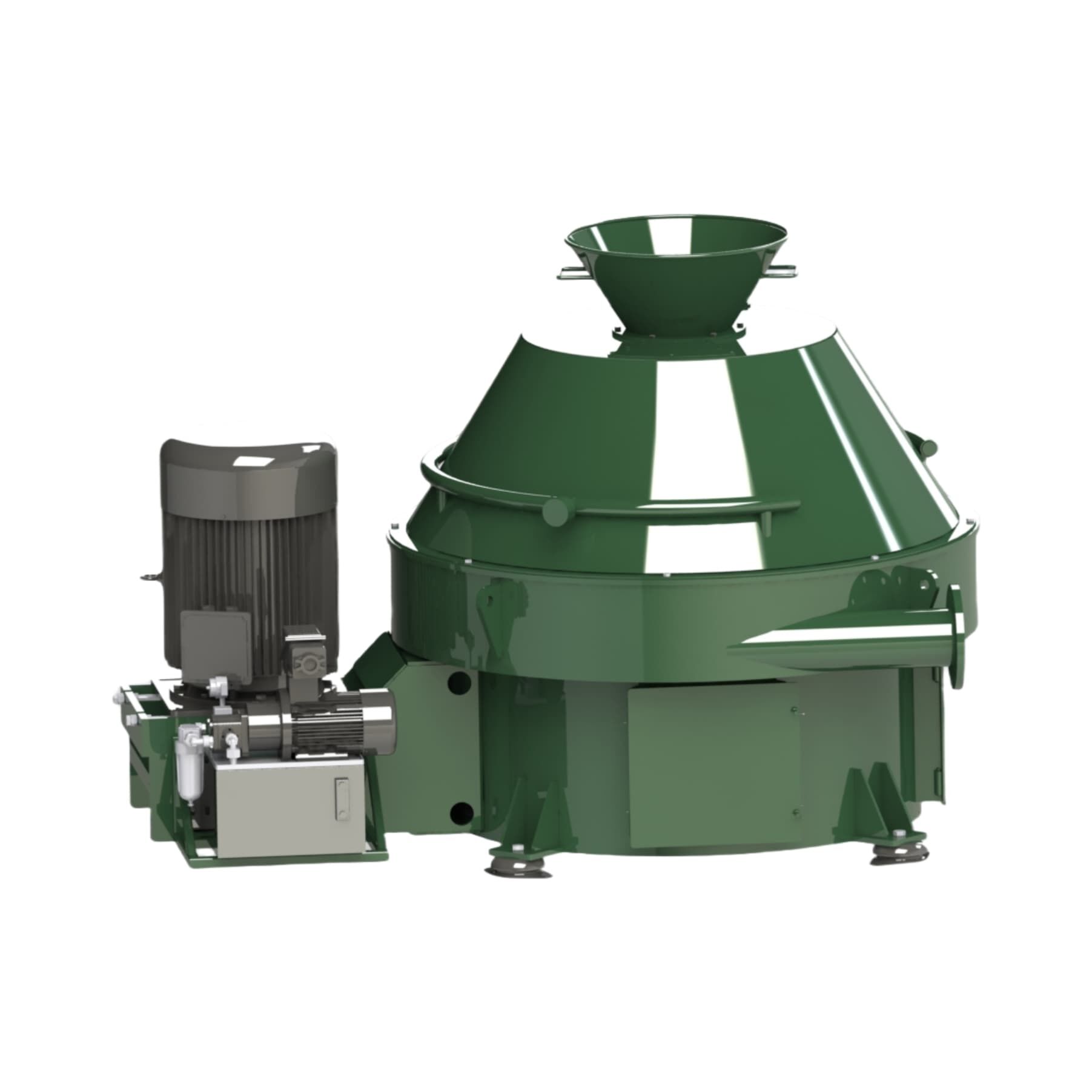
ခေတ်မီသော အက်စ်လောင်းဖျော်ရည် ကုသမှုသည် ပတ်ဝန်းကျင်အပေါ် အကျိုးသက်ရောက်မှုကို အနည်းဆုံးဖြစ်အောင် ပြုလုပ်ရန်နှင့် အရင်းအမြစ် ပြန်လည်ရယူမှုကို အများဆုံးဖြစ်အောင် ပြုလုပ်ရန် ရည်ရွယ်သော လုပ်ငန်းစဉ်များစွာကို ပေါင်းစပ်ထားခြင်းဖြစ်သည်။ သတ္တုအောက်ခံမှုများ၏ ဂုဏ်သတ္တိများနှင့် အသုံးပြုသော စက်မှုနည်းလမ်းများပေါ်တွင် မှီခိုပြီး နေရာတိုင်းတွင် အက်စ်လောင်းဖျော်ရည်များ၏ ဖွဲ့စည်းမှုသည် ကွဲပြားမှုရှိပါသည်။ ထို့ကြောင့် နေရာအလိုက် အက်စ်လောင်းဖျော်ရည်များကို ကုသရန် အထူးပြုထားသော နည်းလမ်းများကို အသုံးပြုရန် လိုအပ်ပါသည်။ ဤအခြေခံများကို နားလည်ခြင်းဖြင့် သတ်မှတ်ရေးလုပ်ငန်းများကို လုပ်ကိုင်သူများသည် လုပ်ငန်းဆောင်တာများအတွက် ချက်ချင်းလိုအပ်သော လိုအပ်ချက်များနှင့် ရေရှည်တွင် ပတ်ဝန်းကျင်ကို စောင်းကြီးစေရန် လိုအပ်သော လိုအပ်ချက်များကို နှစ်များစွာ တစ်ပါတည်း ဖြေရှင်းနိုင်သည့် ထိရောက်သော နည်းဗျူဟာများကို ခွဲခြမ်းစိတ်ဖြာနိုင်ပါသည်။
အက်စ်လောင်းဖျော်ရည်များ၏ ဖွဲ့စည်းမှုနှင့် ဂုဏ်သတ္တိများကို နားလည်ခြင်း
ရုပ်ပိုင်းဆိုင်ရာ ဂုဏ်သတ္တိများ အကဲဖြတ်ခြင်း
အမြဲတမ်းဖော်ပြခြင်းများသည် အကောင်အထည်ဖော်ရှိသော အမြူးအနှံများကို ကုသရေးဆောင်ရွက်မှုများ၏ အခြေခံကို ဖွဲ့စည်းပေးပါသည်။ အမြူးအနှံများ၏ အမြူးအနှံများ၏ အရွယ်အစားဖြန့်ဖြူးမှု၊ သိပ်သောအလေးချိန်နှင့် စိုထောင်မှုပါဝင်မှုတို့သည် ကုသမှုနည်းလမ်းရွေးချယ်မှုနှင့် စက်မှုလုပ်ငန်းစွမ်းဆောင်ရည်ကို အထူးသဖြင့် သက်ရောက်မှုရှိပါသည်။ အမြူးအနှံများသည် အမြူးအနှံများကို ရှေးရှေးစွဲစွဲဖော်ပေးရေးနှင့် စုစည်းရေးတွင် ပိုမိုကြီးမားသော စိန်ခေါ်မှုများကို ဖော်ပေးပါသည်။ ထို့ကြောင့် အလိုအလျောက် အမြူးအနှံများနှင့် အရည်များကို ခွဲထုတ်ရေးအတွက် အထူးပြုထားသော စက်ကိရိယာများနှင့် နည်းလမ်းများကို အသုံးပြုရန် လိုအပ်ပါသည်။
အမြူးအနှံများ၏ သုသာန်ဖွဲ့စည်းမှုသည် ၎င်းတို့၏ ဘူမိဓာတုဆိုင်ရာ အပ behavior နှင့် ပတ်ဝန်းကျင်အပေါ် ဖော်ပေးနိုင်သော အကျိုးသက်ရောက်မှုများကို တိုက်ရိုက်သက်ရောက်မှုရှိပါသည်။ ဥပမောပေးရန်အားဖွဲ့လုံးများပါဝင်သော အမြူးအနှံများသည် အောက်ဆီဂျင်နှင့် ရေနှင့် ထိတွေ့မှုရှိပါက အက်စစ်မြူးအနှံများ (acid mine drainage) ကို ထုတ်လုပ်နိုင်ပါသည်။ ထို့ကြောင့် ပတ်ဝန်းကျင်ညစ်ညမ်းမှုကို ကာကွယ်ရန် အထူးသဖြင့် ကုသမှုနည်းလမ်းများကို အသုံးပြုရန် လိုအပ်ပါသည်။ ဤအချက်များကို နားလည်ခြင်းဖြင့် လုပ်ငန်းလုပ်ကိုင်သူများသည် အမြူးအနှံများကို ကုသရေးဆောင်ရွက်မှုများကို ကြိုတင်၍ သင့်လျော်စွာ အကောင်အထည်ဖော်နိုင်ပါသည်။
ဓာတုဗေဒဆိုင်ရာ စစ်ဆေးမှုများနှင့် ပတ်ဝန်းကျင်ဆိုင်ရာ အကြောင်းအရာများ
ဓာတုဆိုင်ရာ စမ်းသပ်မှုများအရ အန္တရာယ်ဖော်ဆောင်နိုင်သည့် ဒြပ်စင်များနှင့် ဓာတုပစ္စည်းများသည် ကုန်စည်မှုဖြစ်စဉ်များအတွင်း သေချာစွာ စီမံထိန်းသိမ်းရန် လိုအပ်သည်။ အလေးချိန်များ၊ စက်မှုလုပ်ငန်းများတွင် ကျန်ရှိသည့် ဓာတုပစ္စည်းများနှင့် သဘောထားရှိသည့် အက်တမ်အိုင်ဆိုတောပ်များသည် အက်တမ်အိုင်ဆိုတောပ်များသည် အဖော်ပေးထားသည့် အက်တမ်အိုင်ဆိုတောပ်များသည် အဖော်ပေးထားသည့် အက်တမ်အိုင်ဆိုတောပ်များသည် အဖော်ပေးထားသည့် အက်တမ်အိုင်ဆိုတောပ်များသည် အဖော်ပေးထားသည့် အက်တမ်အိုင်ဆိုတောပ်များသည် အဖော်ပေးထားသည့် အက်တမ်အိုင်ဆိုတောပ်များသည် အဖော်ပေးထားသည့် အက်တမ်အိုင်ဆိုတောပ်များသည် အဖော်ပေးထားသည့် အက်တမ်အိုင်ဆိုတောပ်များသည် အဖော်ပေးထားသည့် အက......
ပတ်ဝန်းကျင်ဆိုင်ရာ အန္တရာယ်အကဲဖြတ်မှုသည် အမြေအိုးများသည် မြေအောက်ရေ ညစ်ညမ်းမှု၊ မျက်နှာပြင်ရေအရည်အသွေး ကျဆင်းမှု သို့မဟုတ် လေထုအရည်အသွေးဆိုင်ရာ စိုးရိမ်မှုများမှတစ်ဆင့် ဝန်းကျင်ရှိ စနစ်များကို ထိခိုက်နိုင်သည့် အလားအလာကို စဉ်းစားပါသည်။ ထိရောက်သည့် အမြေအိုးများ ကုန်စည်မှုဆိုင်ရာ အစီအစဉ်များသည် ဤအန္တရာယ်များကို အနောက်ဆုံးအထိ လျှော့ချရန်အတွက် အတားအဆီးများစုံနှင့် ကုန်စည်မှုအဆင့်များစုံကို ပေါင်းစပ်ထည့်သွင်းထားပါသည်။ ထို့အပေါ် လုပ်ငန်းဆောင်တာများ ထိရောက်မှုနှင့် စုစုပေါင်းစုစုပေါင်း စုစုပေါင်းစုစုပေါင်း စုစုပေါင်းစုစုပေါင်း စုစုပေါင်းစုစုပေါင်း စုစုပေါင်းစုစုပေါင်း စုစုပေါင်းစုစုပေါင်း စုစုပေါင်းစုစုပေါင်း စုစုပေါင်းစုစုပေါင်း စုစုပေါင်းစုစုပေါင်း စုစုပေါင်းစုစုပေါင်း စုစုပေါင်းစုစုပေါင်း စုစုပေါင်းစုစုပေါင်း စုစုပေါင်းစုစုပေါင်း စုစုပေါင်းစုစုပေါင်း စုစုပေါင်းစုစုပေါင်း စုစုပေါင်းစုစုပေါင်း စုစုပ......
ရေခြောက်စေရန် နည်းပညာများနှင့် နည်းလမ်းများ
ယန္တရားမှုဖြင့် ရေခြောက်စေရန် စနစ်များ
ယန္တရားမှ အရည်ထုတ်ခြင်းသည် အများစုသော အက်စ်စ်လီးပ် (tailings) ကုန်စည်ဖွဲ့စည်းမှုလုပ်ငန်းများတွင် အဆင့်ပထမအဖြစ် အဓိကထားသည်။ ရေအားနည်းပါးစေရန်နှင့် ကိုင်တွယ်ရန် အဆင်ပေါ့သော ဂုဏ်သတ္တိများကို မြင့်တင်ပေးရန်အတွက် နည်းပညာအများအပြားကို အသုံးပြုသည်။ အရည်ထုတ်သည့် အိုင်းအို (thickeners)၊ စိုင်ကလုန်းများ (cyclones) နှင့် ဖီလ်တာပရက်စ်များ (filter presses) တို့သည် အက်စ်စ်လီးပ်များ၏ အရည်နှင့် အမှုန်များကို အကောင်းဆုံး ခွဲထုတ်နိုင်ရန် တွဲဖက်အသုံးပြုကြသည်။ အသီးသီးသော နည်းပညာများသည် အက်စ်စ်လီးပ်များ၏ အရည်အသွေးနှင့် လုပ်ငန်းလုပ်ဆောင်မှုလိုအပ်ချက်များပေါ်မူတည်၍ အကောင်းဆုံး အကျိုးကျေးဇူးများကို ပေးစေသည်။
ခေတ်မှီအရည်ထုတ်သည့် စက်ပစ္စည်းများတွင် အလိုအလျောက် ထိန်းချုပ်မှုစနစ်များကို ထည့်သွင်းထားပြီး ၎င်းတို့သည် အစားအစာအရည်အသွေး (feed characteristics) နှင့် ထုတ်ကုန်အရည်အသွေးကို အချိန်နှင့်တစ်ပါက် စောင်းကြည့်ခြင်းအပေါ်မူတည်၍ စွမ်းဆောင်ရည်ကို အကောင်းဆုံးဖြစ်အောင် ပြုလုပ်ပေးသည်။ ဤစနစ်များသည် စွမ်းဆောင်ရည်ကို တည်ငြိမ်စေပါသည်။ အဆိုးရောင်းခြင်း ပြုလုပ်ခြင်း စွမ်းဆောင်ရည်ကို တည်ငြိမ်စေရန်အတွက် စွမ်းအင်သု consumption နှင့် လုပ်ငန်းလုပ်ဆောင်မှုစရိတ်များကို အနည်းဆုံးဖြစ်အောင် လုပ်ဆောင်ပေးသည်။ စက်ပစ္စည်းများကို မှန်ကန်စွာ ရွေးချယ်ခြင်းနှင့် ပုံစံထုပ်ပေးခြင်းသည် စုစုပေါင်းကုန်စည်ဖွဲ့စည်းမှု ထိရောက်မှုနှင့် ပတ်ဝန်းကျင်ဆိုင်ရာ အကျိုးသက်ရောက်မှုများကို အလွန်အများကြီး သက်ရောက်မှုရှိသည်။
သဘောတော်မှ အရည်ထုတ်ခြင်းလုပ်ငန်းများ
သွင်းလောင်းစက်ရုံများတွင် အဝေါင်းပေါ်ပေါက်မှုနှင့် သိပ်သည်းမှုဖြစ်ပေါ်ခြင်း စသည့် သဘောတရားအလျောက် ရေထုတ်ခြင်းလုပ်ငန်းစဉ်များသည် သွင်းလောင်းကုန်စှောင်ရုံများတွင် စက်မှုစနစ်များကို အပြည့်အဝထောက်ပံ့ပေးပါသည်။ ဤလုပ်ငန်းစဉ်များအတွက် ရေစီးထွက်မှုစနစ်များကို အကောင်အထည်ဖော်ရန်၊ ရေစိမ့်ဝင်မှုကို ကာကွယ်ရန်နှင့် သွင်းလောင်းများ၏ ဖွဲ့စည်းပုံတည်ငြိမ်မှုကို ရှည်လျားသောကာလကြာမျှ ထိန်းသိမ်းရန် ဂုဏ်သတ္တိပါသော အင်ဂျင်နီယာဒီဇိုင်းများ လိုအပ်ပါသည်။
ရာသီဥတုအခြေအနေများသည် သဘောတရားအလျောက် ရေထုတ်ခြင်း၏ ထိရောက်မှုကို အရေးကြီးစွာ သက်ရောက်မှုရှိပါသည်။ အခြောက်နေရာများတွင် ရေပေါ်ပေါက်မှုလုပ်ငန်းစဉ်များအတွက် အကောင်းများ ရှိပါသည်။ သို့သော် စိုထုံးသော ရာသီဥတုများတွင် စက်မှုအဆင့်များဖြင့် ရေထုတ်ခြင်းကို ပိုမိုမြှင့်တင်ရန် လိုအပ်ပါသည်။ အောင်မြောက်သော သွင်းလောင်းကုန်စှောင်မှု လုပ်ငန်းစဉ်များသည် စက်မှုနှင့် သဘောတရားအလျောက် လုပ်ငန်းစဉ်များကို ပေါင်းစပ်၍ စိုထုံမှုကို အကောင်းဆုံးအတိုင်း လျှော့ချရန်၊ ပတ်ဝန်းကျင်အပေါ် သက်ရောက်မှုကို အနည်းဆုံးဖြစ်အောင် လုပ်ရန်နှင့် လုပ်ငန်းဆောင်တွင် ကုန်ကျစားရိတ်ကို အနည်းဆုံးဖြစ်အောင် လုပ်ရန် လိုအပ်ပါသည်။
ရေပြန်လည်ရယူခြင်းနှင့် ပြန်လည်အသုံးပြုခြင်း
လုပ်ငန်းဆောင်တွင် အသုံးပြုသည့် ရေအရည်အသွေး စီမံခန့်ခွဲမှု
အမြူးအမှုန်များကို ကုသရာတွင် ရေပြန်လည်ရရှိခြင်းသည် သဘောဝအရင်းအမြစ်များကို ထိန်းသိမ်းခြင်းနှင့် ပတ်ဝန်းကျင်ကာကွယ်ရေးဟု နှစ်မျေားနှစ်ဖက် ရည်ရွယ်ချက်များကို ဖော်ဆောင်ပေးပါသည်။ ပြန်လည်ရရှိသော လုပ်ငန်းဆောင်တာရှင်းရေသည် ပေါ်လွင်နေသော သတ္တုဓာတ်များ၊ ရေထဲတွင် မှုန်မှုန်ပါသော အမြူးအမှုန်များနှင့် ကုသမှုအပြီးတွင် ကျန်ရှိနေသော ဓာတုပစ္စည်းများကို ပါဝင်ပါသည်။ ထိုရေကို ပြန်လည်အသုံးပြုခြင်း (သို့) စွန့်ထုတ်ခြင်းမှမှီမှီ ကုသမှုလုပ်ငန်းစဉ်များကို အကောင်အထည်ဖော်ရန် လိုအပ်ပါသည်။ အဆင့်မြင့်ရေကုသမှုနည်းပညာများသည် လုပ်ငန်းဆောင်တာရှင်းလုပ်ငန်းများနှင့် ပတ်ဝန်းကျင်ဆိုင်ရာ စံနှုန်းများနှစ်ခုစလုံးကို ဖော်ဆောင်နိုင်သည့် အရည်အသွေးမြင့်မားသော ရေပြန်လည်ရရှိမှုကို ဖော်ဆောင်ပေးပါသည်။
အမြူးအမှုန်များကို ကုသရာတွင် ရေအရည်အသွေးကို စောင်းကြည့်ခြင်းသည် စနစ်၏ စွမ်းဆောင်ရည်ကို တည်ငြိမ်စေရန်နှင့် စည်းမျဉ်းစည်းကမ်းများနှင့် ကိုက်ညီမှုရှိစေရန် အရေးကြီးပါသည်။ pH၊ မှုန်ဝါးမှု၊ အလေးချိန်များပါသော သတ္တုများ၏ ပမာဏနှင့် ဓာတုပစ္စည်းများ၏ အောက်ဆီဂျင်လိုအပ်မှု စသည့် စံနှုန်းများကို အဆက်မပါ စောင်းကြည့်မှုပေးရန် လိုအပ်ပါသည်။ ထိုသို့သော စောင်းကြည့်မှုများသည် ကုသမှုလုပ်ငန်းစဉ်များကို အကောင်အထည်ဖော်ရာတွင် အထောက်အကူဖော်ပေးပါသည်။ ထို့အပြင် လုပ်ငန်းဆောင်တာရှင်းများ (သို့) ပတ်ဝန်းကျင်ဆိုင်ရာ စွမ်းဆောင်ရည်များကို ထိခိုက်စေနိုင်သည့် ပြဿနာများကို အချိန်မီ ဖမ်းမိနိုင်ရန် အရေးကြီးပါသည်။
ပိတ်သွင်းရေစနစ်များ
သစ်ခုံမှ အမှိုင်းများကို ကုသရေး လုပ်ငန်းများတွင် ပိတ်ထားသော ရေစနစ်များကို အကောင်အထည်ဖော်ခြင်းဖြင့် ရေသန့်သုံးစွဲမှုကို အနည်းဆုံးဖြစ်အောင် လုပ်ဆောင်ပေးပြီး ပတ်ဝန်းကျင်ဆိုင်ရာ စွန်းထောက်မှုလိုအပ်ချက်များကို လျော့နည်းစေသည်။ ဤစနစ်များတွင် ရေသန့်စင်ခြင်း၊ စစ်ထုတ်ခြင်းနှင့် ဓာတုကုသခြင်း စသည့် အဆင့်များစုံကို ပါဝင်စေပြီး လုပ်ငန်းအတွက် ပြန်လည်အသုံးပြုနိုင်ရေးအတွက် ရေအရည်အသွေးကို ထိန်းသိမ်းပေးသည်။
ပိတ်ထားသောစနစ်များ၏ဒီဇိုင်းသည် ရေဓာတ်၏ ဓာတုဖွဲ့စည်းမှုပြောင်းလဲမှုများကို အကြိမ်ပေါငေါင်းများ ပြန်လည်အသုံးပြုခြင်း စက်ဆိုက်များတွင် ဂရုတစိုက်စဉ်းစားရန် လိုအပ်ပါသည်။ အကြောင်းများမှာ ပျော်ဝင်နေသော အမှုဏ်များနှင့် အခြားညစ်ညမ်းမှုများသည် အချိန်ကြာလာသည်နှင့်အမျှ စုပုံလာနိုင်သောကြောင့်ဖြစ်သည်။ ထိရောက်သော အမှုဏ်များကို ကုသရေးအစီအစဉ်များတွင် ရေအား ထုတ်လုပ်ရေးစီးကွင်းများ (purge streams) နှင့် အသစ်ဖြည့်သွင်းသောရေများ (makeup water) ကို ထည့်သွင်းထားပါသည်။ ထိုသို့ပြုလုပ်ခြင်းဖြင့် ရေအရည်အသွေးကို အကောင်းမွန်ဆုံးအတိုင်းထိန်းသိမ်းရာတွင် အထောက်အကူဖြစ်စေပါသည်။ ထို့အပါအဝင် ပြန်လည်အသုံးပြုမှု စွမ်းဆောင်ရည်ကို အများဆုံးအထိ မြင့်တင်ပေးနိုင်ပါသည်။
ပরিবက်အثرအား လျှော့ချရေး
အက်ဆစ်မိုင်းစီးဆင်းမှုကို ကာကွယ်ခြင်း
အက်စစ်မိုင်းရေစီးဆင်းမှုကို ကာကွယ်ခြင်းသည် ဆဲလ်ဖိုက်ပါဝင်သော အုန်းများကို အသုံးပြု၍ အရှိန်မြင့်သည့် လုပ်ငန်းများအတွက် တာဝန်ယူမှုရှိသော အက်စစ်မှုန်းထုတ်လုပ်မှု ကုန်စည်များကို ကုန်စည်ဖြစ်အောင် ပြုလုပ်ခြင်း၏ အရေးကြီးသော အစိတ်အပိုင်းဖြစ်သည်။ အက်စစ်ဖြစ်ပေါ်မှု၏ ချက်ချင်းနှင့် ရှည်လျားသော အန္တရာယ်များကို ဖြေရှင်းရန် အက်စစ်ဖြစ်မှုကို ကာကွယ်ရန် နောက်ထပ်နည်းလမ်းများတွင် အက်စစ်ဖြစ်မှုကို ကုသခြင်း၊ အောက်စီဂျင်ကို ဖယ်ရှားခြင်းနှင့် မိုက်ခရိုဘီယောလော်ဂီကုသမှု စသည့် နည်းလမ်းများ ပါဝင်သည်။
အက်စစ်ဖြစ်မှုကို ကုသခြင်းစနစ်များတွင် ကုန်စည်ဖြစ်အောင် ပြုလုပ်ခြင်းလုပ်ငန်းများတွင် အသုံးပြုရန် အုန်းများ၏ pH အဆင့်ကို သင့်တော်စွာထိန်းသိမ်းရန် ကာလိစ်စတုန်း၊ လိုင်မ် သို့မဟုတ် အခြားအယ်ကလီန်ပစ္စည်းများကို ထည့်သွင်းပါသည်။ ဤစနစ်များကို လုပ်ငန်းစဉ်အတွင်း လုပ်ငန်းစရိတ်ကို အနိမ့်ဆုံးဖြစ်အောင် ထိန်းသိမ်းရန်နှင့် ရှည်လျားသောကာလအတွင်း ကုသမှုအာနုဘလ်မှုကို ထိန်းသိမ်းရန် အသုံးပြုသည့် ရောစပ်မှုနှင့် ဓာတ်ပြောင်းမှုအချိန်ကို သေချာစွာ ဒီဇိုင်းရေးဆွဲရန် လိုအပ်ပါသည်။
မြေအောက်ရေနှင့် မျက်နှာပြင်ရေ ကာကွယ်ရေး
မြေအောက်ရေနှင့် မျက်နှာပြင်ရေ အရင်းအမြစ်များကို ကာကွယ်ရန် အင်ဂျင်နီယာပြုလုပ်ထားသော အတားအဆီးစနစ်များနှင့် စောင်းကြည့်မှုအစီအစဥ်များကို ကုန်စည်ဖြစ်အောင် ပြုလုပ်ခြင်းလုပ်ငန်းများတွင် ပေါင်းစပ်ထည့်သွင်းရန် လိုအပ်ပါသည်။ အင်ဂျင်နီယာပြုလုပ်ထားသော လိုင်နာများ၊ ရေစီးဆင်းမှုစနစ်များနှင့် စုဆောင်းမှုကွန်ရက်များသည် ညစ်ညမ်းမှုများ ပျံ့နှံ့မှုကို ကာကွယ်ပေးပြီး ဖြစ်နိုင်ခဲ့သည့် ပြဿနာများကို စောစောသိရှိနိုင်ရန် အထောက်အကူပေးပါသည်။
အမှုန်ထုပ်စက်ရုံများ၏ ပတ်ဝန်းကျင်တွင် စောင်းထောက်စနစ်များ (monitoring well networks) ကို ထားရှိခြင်းဖြင့် ပတ်ဝန်းကျင်ဆိုင်ရာ စွမ်းဆောင်ရည်ကို အဆက်မပါး စောင်းထောက်လုပ်ဆောင်ပေးပြီး ဖြစ်နိုင်သည့် အကျိုးသက်ရောက်မှုများကို အစောပိုင်းတွင် သတိပေးပေးနိုင်ပါသည်။ ပုံမှန် နမူနာယူခြင်းနှင့် စိစီးစိစီး စစ်ဆေးခြင်းများဖြင့် ကာကွယ်ရေး အာနုဘေဒ ရှိမှုကို ထိန်းသိမ်းရာတွင် ကုန်စည်များ၏ စနစ်များ အောင်မြင်စွာ လုပ်ဆောင်နေကြောင်းကို အာမခံပေးပြီး စည်းမျဉ်းစည်းကမ်းများနှင့် ပတ်ဝန်းကျင်ကာကွယ်ရေး ရည်မှန်းချက်များကို လိုက်နာနေကြောင်းကို သေချာစေပါသည်။
စည်းမျဉ်းစည်းကမ်းများနှင့် ကောင်းမွန်သော လုပ်ဆောင်မှုများ
ခွင့်ပြုခွင့်လိုအပ်ချက်များနှင့် စာရွက်စာတမ်းများ
အမှုန်ထုပ်စက်ရုံများ၏ ကုန်စည်များကို ကုန်စည်ဖြစ်အောင် လုပ်ဆောင်သည့် လုပ်ငန်းစဉ်များကို စုံလင်စွာ မှတ်တမ်းတင်ခြင်းဖြင့် စည်းမျဉ်းစည်းကမ်းများနှင့် ကိုက်ညီမှုကို အာမခံပေးပြီး အဆက်မပါး တိုးတက်မှု လုပ်ဆောင်ရေးများကို ပံ့ပိုးပေးပါသည်။ ကုန်စည်ဖြစ်အောင် လုပ်ဆောင်မှု စွမ်းဆောင်ရည်၊ ရေအရည်အသွေးနှင့် ပတ်ဝန်းကျင် စောင်းထောက်မှတ်တမ်းများကို အသေးစိတ်မှတ်တမ်းတင်ခြင်းဖြင့် ခွင့်ပြုခွင့်လိုအပ်ချက်များနှင့် စည်းမျဉ်းစည်းကမ်းများကို လိုက်နာနေကြောင်းကို သက်သေပြပါသည်။
စီမံခန့်ခွဲမှုအဖွဲ့အစည်းများသို့ ပုံမှန်အစီရင်ခံခြင်းဖြင့် အမှုဏ်များကို ကုသရေးလုပ်ငန်းများနှင့် ပတ်ဝန်းကျင်ဆိုင်ရာ စွမ်းဆောင်ရည်အကြောင်း ပေါင်းသောင်းကြီးနှင့် ရှင်းလင်းသော ဆက်သွယ်မှုကို ထိန်းသိမ်းပေးပါသည်။ ဤအစီရင်ခံစာများသည် ထိရောက်သော စီမံခန့်ခွဲမှုလုပ်ငန်းများကို ပြသရေးအခွင့်အရေးများကို ပေးစေပါသည်။ ထို့အပါအဝါ လုပ်ငန်းဆောင်တွင် မြှင့်တင်ရန် လိုအပ်သော နေရာများနှင့် ပတ်ဝန်းကျင်ကာကွယ်ရေး မြှင့်တင်ရေးအတွက် လိုအပ်သော နေရာများကို ဖော်ထုတ်ပေးပါသည်။
လုပ်ငန်းလေးစားရေး စံနှုန်းများနှင့် လမ်းညွှန်ချက်များ
လုပ်ငန်းစဉ်များကို အတည်ပြုထားသော လုပ်ငန်းအတန်းစံနှုန်းများနှင့် လမ်းညွှန်ချက်များကို လိုက်နာခြင်းဖြင့် အမှိုင်းများကို ကုသရေးလုပ်ငန်းများတွင် အတည်ပြုထားသော နည်းပညာများနှင့် စီမံခန့်ခွဲမှုလုပ်နည်းများကို ထည့်သွင်းဆောင်ရွက်နိုင်ပါသည်။ အပ်စ်တ်တ် ကော်နေးစ် အော်န် မိုင်နင်း အဲန်ဒ် မက်တယ်စ် (ICMM) ကဲ့သို့သော အဖွဲ့အစည်းများသည် တာဝန်ယူမှုရှိသော အမှိုင်းများ စီမံခန့်ခွဲမှုနှင့် ကုသမှုအတွက် စုံလင်သော အခြေခံကျောင်းများကို ပေးအပ်ထားပါသည်။
လုပ်ငန်းသမ်းများအား အမှိုင်းများကုသမှုနည်းပညာများနှင့် စည်းမျဉ်းစည်းကမ်းများတွင် အမြဲတမ်း နောက်ဆုံးပေါ်အချက်အလက်များကို သိရှိစေရန် အတွေ့အကြုံရှိသော ပညာရေးနှင့် လေ့ကျင်းမှုအစီအစဉ်များကို အဆက်မပုတ် အကောင်အထည်ဖော်ဆောင်နေပါသည်။ ဤအစီအစဉ်များသည် လုပ်ငန်းအရည်အသွေးမြင့်မှုကို အားပေးရုံသာမက သဘောထားမှုရှိသော ပတ်ဝန်းကျင်ထိန်းသိမ်းရေးနှင့် တူးဖော်ရေးလုပ်ငန်း၏ အသက်တာတစ်လုံးလုံးတွင် လူမှုအသိုင်းအဝိုင်းနှင့် ပူးပေါင်းဆောင်ရွက်မှုကိုလည်း မြှင့်တင်ပေးပါသည်။
နည်းပညာဆိုင်ရာ အသစ်များနှင့် အနာဂတ်ခေတ်များ
အရှင်းလင်းပြီး ပြုပြင်ခြင်း တေးခွေးများ
အက်စစ်ဖြစ်စေသော အမှုန်များကို ကုသရာတွင် အသုံးပြုသည့် ခေတ်မှီသော စစ်ထုတ်စနစ်များ၊ မှုန်လွင့်မှုကို ကာကွယ်သည့် အလွှာစနစ်များနှင့် ဇီဝနည်းပညာဆိုင်ရာ ချဉ်းကပ်မှုများသည် စွမ်းဆောင်ရည်ကို မြင့်တင်ပေးပြီး ပတ်ဝန်းကျင်အပေါ် သက်ရောက်မှုကို လျော့နည်းစေသည်။ ဤအသုံးအနေများသည် အမှုန်များနှင့် ရေကို ပိုမိုထိရောက်စွာ ခွဲထုတ်နိုင်စေပြီး တန်ဖိုးကြီးသော ပစ္စည်းများကို ပြန်လည်ရယူနိုင်စေကာ စွန်းထောင်မှုများကို အနည်းဆုံးဖြစ်အောင် လုပ်ဆောင်ပေးသည်။
အလိုအလျောက်စနစ်များနှင့် ဒစ်ဂျစ်တယ် စောင်းကြည့်မှုစနစ်များသည် အချိန်နှင့်တစ်ပါတ်တည်း အကောင်းဆုံးဖြစ်အောင် လုပ်ဆောင်ခြင်းနှင့် အနာဂတ်တွင် ဖြစ်နိုင်မည့် ပျက်စီးမှုများကို ကြိုတင်ခန့်မှန်းနိုင်သည့် စွမ်းရည်များဖြင့် အက်စစ်ဖြစ်စေသော အမှုန်များကို ကုသရာတွင် စွမ်းဆောင်ရည်ကို မြင့်တင်ပေးသည်။ ဤနည်းပညာများသည် လုပ်ငန်းဆောင်တာများ၏ စုစုပေါင်းစရိတ်ကို လျော့နည်းစေပြီး အက်စစ်ဖြစ်စေသော အမှုန်များကို စီမံခန့်ခွဲရာတွင် ပတ်ဝန်းကျင်အပေါ် သက်ရောက်မှုကို ကောင်းမောက်စေကာ အလုပ်သမားများ၏ ဘေးကင်းလုံခြုံမှုကို တိုးမြင့်ပေးသည်။
ရေရှည်တည်တံ့သော ကုသမှုနည်းလမ်းများ
ရေရှည်တည်တံ့သော အမှိုင်းများကုသမှုနည်းလမ်းများသည် အရင်းအမြစ်ပြန်လည်ရယူခြင်း၊ စွမ်းအင်ခွဲခြမ်းစိတ်ဖြာမှုကောင်းမှုနှင့် ရေရှည်တည်တံ့သော ပတ်ဝန်းကျင်ထိန်းသိမ်းရေးတို့ကို အလေးပေးပါသည်။ ဤဥပဒေသများသည် ကုသမှုလုပ်ငန်းစဉ်များကို အကောင်းဆုံးဖော်ထုတ်ရန်အတွက် အသက်တာစုံလင်သော အကဲဖြတ်မှု (LCA) အခြေခံများကို ထည့်သွင်းပါသည်။ ထို့အတွက်ကြောင့် စုစုပေါင်းပတ်ဝန်းကျင်အပေါ် သက်ရောက်မှုနှင့် လုပ်ငန်းစုံလင်မှုစုစုပေါင်းစုတ်နှုတ်စရိတ်များကို အနည်းဆုံးဖော်ထုတ်နိုင်ပါသည်။
နေရောင်ခြင်းစွမ်းအားနှင့် စွမ်းအားပြန်လည်ရယူရေးစနစ်များကို ပေါင်းစပ်အသုံးပြုခြင်းဖြင့် အလုပ်လုပ်မှုထိရောက်မှုကို ထိန်းသိမ်းရင်း အမှိုင်းများကို ကုသရေးလုပ်ငန်းများ၏ ကာဗွန်အောက်ဆိုဒ်အနေဖြင့် ထုတ်လုပ်မှုပမာဏကို လျော့ချနိုင်ပါသည်။ ဤနည်းလမ်းများသည် စွမ်းအားခွဲခြမ်းစိတ်ဖြာမှုနှင့် သဘောထားများကို ပိုမိုကောင်းမွန်စေရန် ပိုမိုကျယ်ပေါင်းသော ရေရှည်တည်တံ့သော ဖွံ့ဖြိုးမှုရည်မှန်းချက်များကို အထောက်အကူပုဖ်မှုပေးပါသည်။ ထို့အပါအဝင် သတ္တုတွေ့ရှိရေးလုပ်ငန်းတွင် ပတ်ဝန်းကျင်နေရာတွင် ခေါင်းဆောင်မှုဖြစ်စေရန်လည်း အထောက်အကူပုဖ်မှုပေးပါသည်။
မေးလေ့ရှိသောမေးခွန်းများ
အထူးသဖြင့် လုပ်ငန်းတစ်ခုအတွက် အသင့်တော်ဆုံးအမှိုင်းများကို ကုသရေးနည်းလမ်းကို ဆုံးဖြတ်ရာတွင် မည်သည့်အချက်များက အရေးကြီးသနည်း။
အမှိုင်းများကို ကုသရေးနည်းလမ်းများကို ရွေးချယ်ရာတွင် အမှိုင်းများ၏ ဖွဲ့စည်းမှု၊ သတ္တုဗေဒ၊ အမှိုင်းများ၏ အရွယ်အစားဖြန့်ဖြူးမှုနှင့် ပတ်ဝန်းကျင်နေရာတွင် ရှိသည့် အခြေအနေများ စသည့် အချက်များပေါ်တွင် မှီခိုပါသည်။ ဂီဩကီမီဆိုဒ် အခြေအနေများ (Geochemical characteristics) အထူးသဖြင့် ဆာလ်ဖိုက်သတ္တုများ (sulfide minerals) သို့မဟုတ် အလေးချိန်များသော သတ္တုများ (heavy metals) ရှိမှုသည် ကုသရေးလုပ်ငန်းများအတွက် လိုအပ်ချက်များကို အထောက်အကူပုဖ်မှုပေးပါသည်။ ရေစီးဆင်းမှုပုံစံများနှင့် ရေငွေ့ပေါက်ကွဲမှုနှုန်းများကဲ့သို့သော ရာသီဥတုဆိုင်ရာ အချက်များသည် အများအားဖြင့် အမှိုင်းများမှ ရေကို ဖုံးအုပ်ခြင်း (dewatering) နည်းလမ်းများ၏ အကောင်အယောင်ဖြစ်နိုင်မှုကို သက်ရောက်မှုရှိပါသည်။ အစိုးရ၏ စည်းမျဉ်းစည်းကမ်းများနှင့် ခွင့်ပြုချက်အချက်များသည်လည်း သင့်တော်သော ကုသရေးနည်းပညာများကို ဆုံးဖြတ်ရာတွင် အရေးပါသော အချက်များဖြစ်ပါသည်။
သွင်းလုပ်ငန်းများသည် သွင်းအမှုန်များကို ကုသရာတွင် ရေပြန်လည်ရယူမှုကို မည်သို့ အကောင်းဆုံးဖော်ထုတ်နိုင်ပါသနည်း။
ရေပြန်လည်ရယူမှုကို အကောင်းဆုံးဖော်ထုတ်ရန်အတွက် လုပ်ငန်းတစ်လုံးလုံးတွင် ရေအရည်အသွေးလိုအပ်ချက်များကို အဆင့်ဆင့် ကုသပေးသည့် အဆင့်များစွာပါဝင်သည့် ကုသမှုလုပ်ငန်းစဉ်များကို အကောင်အထည်ဖော်ရန် လိုအပ်ပါသည်။ ခေတ်မီသော ရေသိမ်းခြင်းနှင့် စစ်ထုတ်ခြင်းစနစ်များသည် လုပ်ငန်းအတွက် ပြန်လည်အသုံးပြုနိုင်ရန် အရည်အသွေးမြင့်မားသည့် ရေပြန်လည်ရယူမှုကို ဖော်ဆောင်ပေးပါသည်။ ရေ၏ဓာတုဗေဒဆိုင်ရာ အချက်များကို ပုံမှန်စောင်းကြည့်ခြင်းဖြင့် ကုသမှုအကောင်မြင်မှုကို အကောင်းဆုံးဖော်ထုတ်ရန်နှင့် ပြဿနာဖော်ပေးသည့် အဖွဲ့စည်းများ စုစည်းမှုကို ကာကွယ်ရန် အောင်မြင်စေပါသည်။ ပိတ်ထားသည့် စနစ်ဒီဇိုင်း (Closed-loop system design) သည် ရေသုံးစွဲမှုကို အနည်းဆုံးဖော်ထုတ်ပေးရုံသာမက လုပ်ငန်းဆောင်ရွက်မှု ထိရောက်မှုနှင့် ပတ်ဝန်းကျင်ဆိုင်ရာ စည်းမျဉ်းများကို လိုက်နာရန်အတွက်လည်း အထောက်အကူဖော်ပေးပါသည်။
သွင်းအမှုန်များကို ကုသရာတွင် ပတ်ဝန်းကျင်ဆိုင်ရာ စောင်းကြည့်မှုအတွက် အရေးကြီးသည့် လိုအပ်ချက်များများကား အဘယ်နည်း။
အမိုးအကာများ ကုသမှုစင်တာများအတွက် ပတ်ဝန်းကျင်စောင်းစောက်ခြင်းတွင် မြေအောက်ရေအရည်အသွေး အကဲဖြတ်ခြင်း၊ မျက်နှာပုံရေများ စောင်းစောက်ခြင်းနှင့် လေထုအရည်အသွေး တိုင်းတာမှုများ ပါဝင်ပါသည်။ စင်တာများ၏ ရေစီးဆင်းမှုအထက်နှင့် အောက်ဘက်တွင် တပ်ဆင်ထားသော မြေအောက်ရေစောင်းစောက်ခြင်း တူးမြောင်းများသည် မှုန်းစောင်းမှုများ ပျံ့နှံ့မှုကို ခြေရာခံပေးပါသည်။ မျက်နှာပုံရေများ စောင်းစောက်ခြင်းသည် စီးဆင်းမှုအရည်အသွေးနှင့် လက်ခံရေများအပေါ် သက်ရောက်မှုများကို အကဲဖြတ်ပါသည်။ ပတ်ဝန်းကျင်ဆိုင်ရာ ခွင့်ပြုခွင့်များနှင့် စည်းမျဉ်းစည်းကမ်းများတွင် နမူနာယူမှုများ ပုံမှန်အစီအစဥ်များနှင့် အာရုံစိုက်မှုများကို သတ်မှတ်ပေးထားပါသည်။ အစီရင်ခံမှုများကို အများအားဖြင့် လစဉ်မှ နှစ်စဉ်အထိ သတ်မှတ်ထားပါသည်။ သို့သော် အခြေအနေအလိုက် ကွဲပြားမှုများ ရှိနိုင်ပါသည်။
စည်းမျဉ်းစည်းကမ်းများ ပြောင်းလဲမှုများသည် ရှိပ already သော အမိုးအကာများ ကုသမှုလုပ်ငန်းများကို မည်သို့သို့ သက်ရောက်မှုရှိပါသနည်း။
စည်းမျဉ်းစည်းကမ်းဆိုင်ရာ ပြောင်းလဲမှုများသည် ပတ်ဝန်းကျင်ဆိုင်ရာ စံချိန်များ သို့မဟုတ် လုပ်ငန်းဆောင်တွင် လိုအပ်သည့် လုပ်ဆောင်ချက်များကို အသစ်သတ်မှတ်ခြင်းအတွက် လက်ရှိ အမှိုက်စုပ်စနစ်များကို ပြောင်းလဲရန် လိုအပ်နိုင်ပါသည်။ လုပ်ငန်းများသည် စည်းမျဉ်းစည်းကမ်းဆိုင်ရာ ဖွံ့ဖြိုးမှုများကို လက်ရှိအတိုင်း စောင်းမှတ်ထားရန် နှင့် ၎င်းတို့၏ ကုန်စုပ်စနစ်များအပေါ် ဖြစ်နိုင်သည့် အကျိုးသက်ရောက်မှုများကို အကဲဖြတ်ရန် လိုအပ်ပါသည်။ စည်းမျဉ်းစည်းကမ်းနှင့် ကိုက်ညီမှုအတွက် လုပ်ဆောင်ချက်များတွင် ကုန်စုပ်နည်းပညာများကို မြှင့်တင်ခြင်း၊ စောင်းမှတ်ခြင်းအစီအစဉ်များကို ပိုမိုကောင်းမွန်စေခြင်း သို့မဟုတ် လုပ်ဆောင်ချက်ဆိုင်ရာ လုပ်ထုံးလုပ်နည်းများကို ပြောင်းလဲခြင်းတို့ ပါဝင်နိုင်ပါသည်။ စည်းမျဉ်းစည်းကမ်းဆိုင်ရာ အဖွဲ့အစည်းများနှင့် အလုပ်လုပ်ရေးအတွက် ကြိုတင်ပါဝင်ခြင်းသည် လိုအပ်သည့် ပြောင်းလဲမှုများကို အကောင်အထည်ဖော်ရာတွင် ချောမွေ့စေရန် အထောက်အကူပေးပါသည်။ ထို့အပေါ် လုပ်ငန်းဆောင်တွင် အဆက်မပြတ်ဖွံ့ဖြိုးမှုနှင့် ပတ်ဝန်းကျင်ကာကွယ်ရေးကို ထိန်းသိမ်းရန် အထောက်အကူပေးပါသည်။
အကြောင်းအရာများ
- အက်စ်လောင်းဖျော်ရည်များ၏ ဖွဲ့စည်းမှုနှင့် ဂုဏ်သတ္တိများကို နားလည်ခြင်း
- ရေခြောက်စေရန် နည်းပညာများနှင့် နည်းလမ်းများ
- ရေပြန်လည်ရယူခြင်းနှင့် ပြန်လည်အသုံးပြုခြင်း
- ပরিবက်အثرအား လျှော့ချရေး
- စည်းမျဉ်းစည်းကမ်းများနှင့် ကောင်းမွန်သော လုပ်ဆောင်မှုများ
- နည်းပညာဆိုင်ရာ အသစ်များနှင့် အနာဂတ်ခေတ်များ
-
မေးလေ့ရှိသောမေးခွန်းများ
- အထူးသဖြင့် လုပ်ငန်းတစ်ခုအတွက် အသင့်တော်ဆုံးအမှိုင်းများကို ကုသရေးနည်းလမ်းကို ဆုံးဖြတ်ရာတွင် မည်သည့်အချက်များက အရေးကြီးသနည်း။
- သွင်းလုပ်ငန်းများသည် သွင်းအမှုန်များကို ကုသရာတွင် ရေပြန်လည်ရယူမှုကို မည်သို့ အကောင်းဆုံးဖော်ထုတ်နိုင်ပါသနည်း။
- သွင်းအမှုန်များကို ကုသရာတွင် ပတ်ဝန်းကျင်ဆိုင်ရာ စောင်းကြည့်မှုအတွက် အရေးကြီးသည့် လိုအပ်ချက်များများကား အဘယ်နည်း။
- စည်းမျဉ်းစည်းကမ်းများ ပြောင်းလဲမှုများသည် ရှိပ already သော အမိုးအကာများ ကုသမှုလုပ်ငန်းများကို မည်သို့သို့ သက်ရောက်မှုရှိပါသနည်း။