 EN
EN

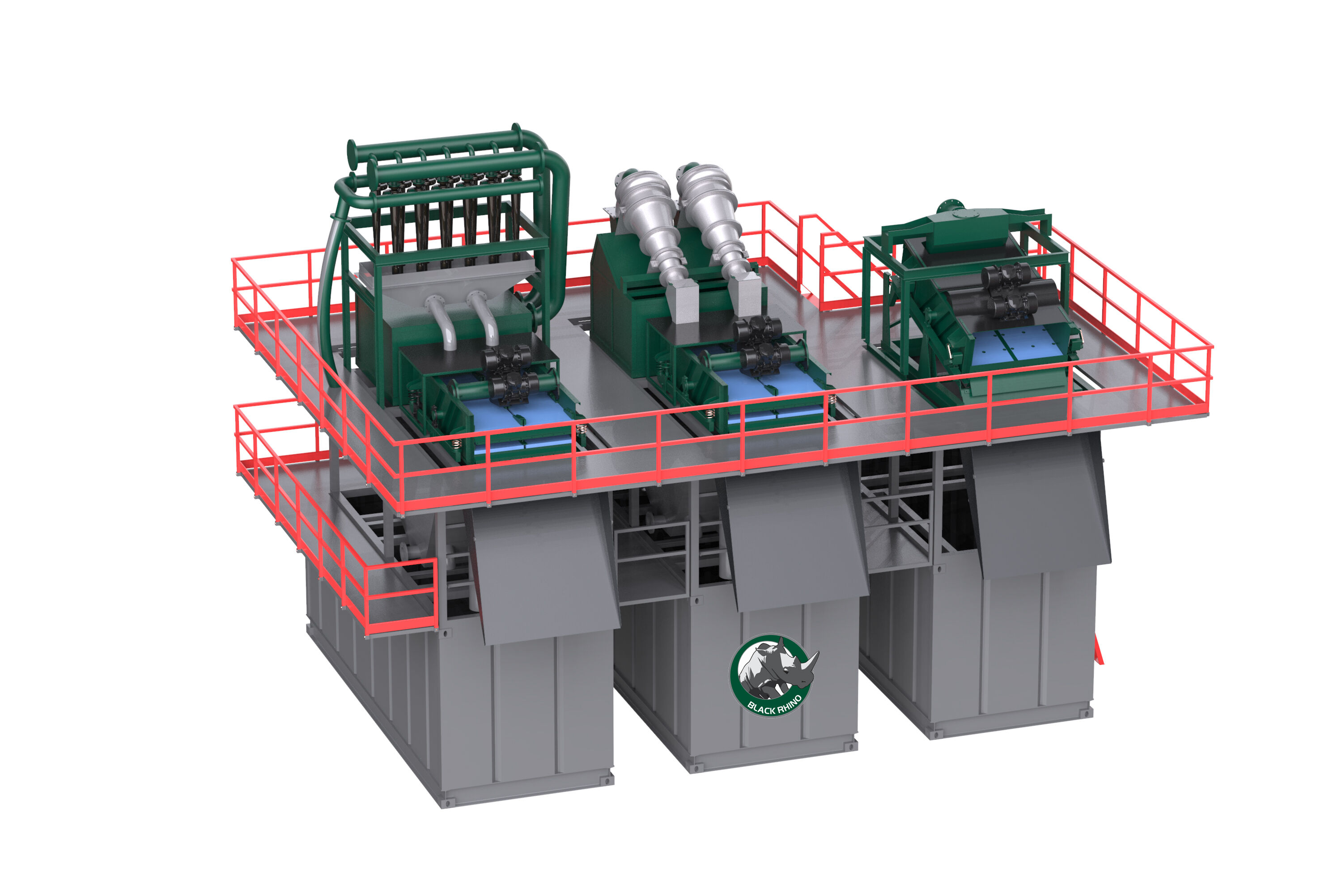
Рударске операције широм света у великој мери се ослањају на ефикасне технике обраде како би се издвојили вредни минерали из материјала који садрже руду. Међу овим критичним процесима, сепарација муља представља фундаменталну технологију која омогућава успешно добијање племенитих метала, индустријских минерала и других вредних ресурса. Ова напредна метода сепарације укључује систематско дељење течно-чврстих смеша на одвојене компоненте, што омогућава рударским компанијама да максимизирају своје стопе искоришћавања уз минимизирање отпада. Примена модерних система за сепарацију муља револуционисала је начин на који рударске операције приступају обради материјала, нудећи повећану ефикасност и побољшану усклађеност са прописима о заштити животне средине.
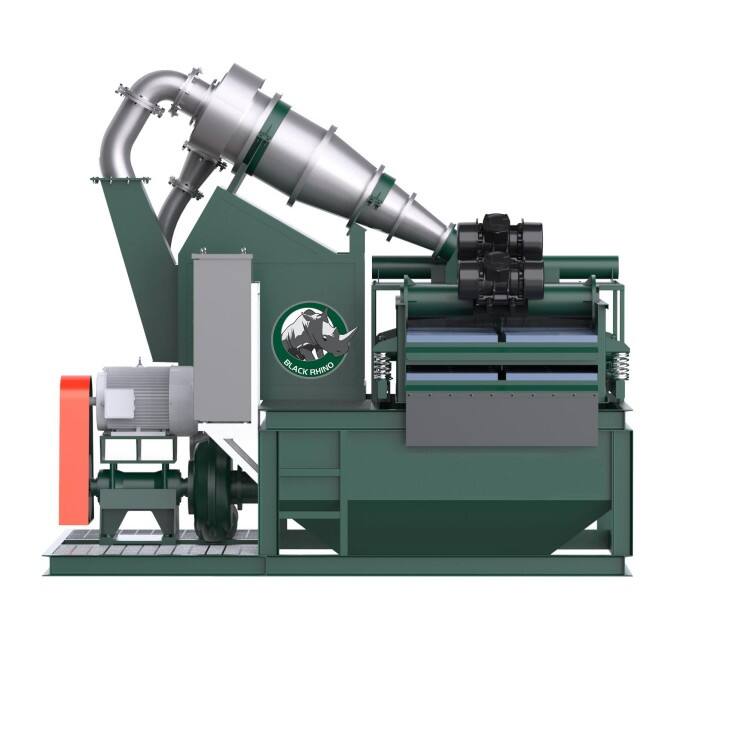
Примарне примене у преради минерала
Операције за вађење злата
Рударске операције злата интензивно користе технологије сепарације муља како би концентрисале и издвојиле честице племенитих метала из прерађене руде. Процес почиње операцијама дробљења и млевења које стварају муље финих честица које садрже материјале који садрже злато, суспендоване у води или хемијским растворима. Напредни системи за сепарацију муља користе методе засноване на гравитацији, као што су центрифугални концентратори и спирални класификатори, како би изоловали честице злата на основу разлика у њиховој густини. Ови системи могу да обраде хиљаде тона материјала дневно, уз одржавање високих стопа издвојења.
Модерна постројења за прераду злата интегришу више фаза сепарације муља како би се постигла оптимална ефикасност опоравка. Примарна сепарација уклања крупне честице злата, док се секундарна и терцијарна фаза фокусирају на фино и ултрафино ослобађање злата. Имплементација аутоматизованих система управљања обезбеђује конзистентне перформансе и смањује оперативне трошкове. Многа постројења пријављују побољшања опоравка од 15-25% приликом надоградње на напредне технологије сепарације муља.
Процеси обогаћивања угља
Рударство угља зависи од софистицираних метода сепарације муља како би се уклониле нечистоће и побољшао квалитет угља пре дистрибуције на тржиште. Процес укључује стварање муља угља и воде које се подвргавају сепарацији на основу густине како би се уклонили пепео, сумпор и други нежељени материјали. Системи сепарације тешких медија, флотације и хидроциклона раде заједно како би се постигли жељени нивои чистоће угља. Ови процеси су неопходни за испуњавање еколошких прописа и тржишних спецификација.
Напредна постројења за припрему угља користе вишестепене odvajanje šećera кола која могу да обрађују различите величине и врсте угља. Технологија омогућава оператерима да рециклирају и крупне и фине фракције угља, уз минимизирање потрошње воде и стварања отпада. Аутоматизовани системи за праћење прате ефикасност сепарације у реалном времену, омогућавајући тренутна подешавања процеса како би се одржале оптималне перформансе.
Индустријске минералне примене
Концентрација гвоздене руде
Постројења за прераду гвоздене руде широм света користе сепарацију муља као темељ својих операција обогаћивања. Процес укључује стварање муља гвоздене руде мокрим млевењем, након чега следи магнетна сепарација ради концентровања минерала који садрже гвожђе. Ови системи могу да поднесу огромне количине протока, уз постизање побољшања квалитета гвожђа од 30-40% до преко 65% садржаја гвожђа. Ефикасност сепарације муља директно утиче на економску исплативост пројеката рударства гвоздене руде.
Модерна постројења за концентрацију гвоздене руде интегришу напредне технологије сепарације муља, укључујући магнетне сепараторе високог интензитета, системе реверзне флотације и кругове за згушњавање. Комбинација ових технологија омогућава прераду гвоздених руда ниског квалитета које су се раније сматрале неекономичним. Еколошке предности укључују смањену запремину јаловине и побољшану ефикасност рециклаже воде.
Примене обраде бакра
Рударске операције бакра користе специјализоване технике одвајања муља за екстракцију минерала бакар-сулфида из сложених рудних тела. Процес обично укључује стварање муља бакарне руде путем млевења, након чега следи флотација пене за одвајање минерала који садрже бакар од јаловине. Ови системи морају да поднесу различите карактеристике руде, уз одржавање константних стопа искоришћавања бакра. Напредна контрола процеса обезбеђује оптимално додавање реагенса и управљање pH вредностима.
Постројења за концентрацију бакра често користе више фаза одвајања муља како би се постигли циљни садржаји концентрата који прелазе 25% бакра. Технологија омогућава прераду сложених сулфидних руда које садрже више вредних минерала. Интегрисани системи за управљање водама рециклирају процесну воду, смањујући потрошњу свеже воде и утицај на животну средину.
Примене у области заштите животне средине и управљања отпадом
Системи за управљање јаловином
Рударске операције генеришу значајне количине јаловине која захтева правилно управљање кроз ефикасне технологије одвајања муља. Ови системи извлаче вредне материјале из токова јаловине док истовремено припремају отпадне материјале за безбедно одлагање. Процеси згушњавања и филтрације смањују садржај воде у јаловини, омогућавајући методе сувог складиштења које минимизирају еколошке ризике. Напредно одвајање муља у управљању јаловином помаже рударским компанијама да испуне строге еколошке прописе.
Модерна постројења за управљање јаловином укључују технологију згушњавања пасте која производи јаловину високе густине погодну за подземно затрпавање или површинско одлагање. Процес смањује потрошњу воде и омогућава већи опоравак процесне воде за рециклажу. Системи за праћење животне средине обезбеђују усклађеност са прописима о испуштању и захтевима за заштиту подземних вода.
Опоравак и рециклажа воде
Одвајање муља игра кључну улогу у системима за рекуперацију воде који омогућавају рударским операцијама да ефикасно рециклирају процесну воду. Процеси бистрења и згушњавања уклањају суспендоване чврсте материје из процесне воде, омогућавајући поновну употребу у круговима млевења и флотације. Ови системи могу да рекуперују преко 90% процесне воде, значајно смањујући потрошњу свеже воде и утицај на животну средину. Хемикалије за пречишћавање воде се пажљиво управљају како би се одржале оптималне перформансе одвајања.
Напредни системи за рекуперацију воде интегришу технологију мембранске филтрације са конвенционалним методама одвајања муља како би се постигла ултра чиста вода погодна за осетљиве процесе. Технологија омогућава операције без испуштања течности у регионима са оскудицом воде. Аутоматизовани системи управљања оптимизују додавање хемикалија и континуирано прате параметре квалитета воде.
Специјализоване примене у рударству
Обрада ретких земних елемената
Рударство елемената ретких земаља захтева високо специјализоване технике одвајања муља због сложене минералогије и сличних својстава ових критичних материјала. Процес укључује стварање муља ретких земаља путем киселог испирања, након чега следе фазе селективног таложења и одвајања. Ови системи морају постићи изузетно високе нивое чистоће док истовремено извлаче више елемената ретких земаља из истог рудног тела. Напредна аналитичка контрола осигурава да спецификације производа испуњавају захтевне захтеве тржишта.
Постројења за прераду ретких земних елемената користе софистициране кругове за одвајање муља који могу да разликују елементе са сличним хемијским својствима. Технологија омогућава производњу појединачних оксида ретких земних елемената са чистоћом већом од 99,5%. Мере заштите животне средине укључују системе за неутрализацију киселина и уклањање тешких метала.
Обогаћивање фосфатних стена
Рударство фосфата зависи од ефикасног одвајања муља како би се побољшала фосфатна стена за производњу ђубрива. Процес укључује стварање фосфатних муља кроз операције прања и просејавања, након чега следи флотација ради уклањања силицијум диоксида и других нечистоћа. Ови системи могу обрадити милионе тона годишње, док се добијају фосфатни концентрати погодни за даљу хемијску обраду. Системи контроле квалитета обезбеђују доследне спецификације производа.
Модерна постројења за обогаћивање фосфата интегришу напредне технологије сепарације муља, укључујући флотацију у колони и магнетну сепарацију, како би се обрадиле различите карактеристике руде. Процес омогућава опоравак фосфата из лежишта ниског квалитета, уз минимизирање утицаја на животну средину кроз ефикасно управљање водама и смањење отпада.
Усавршавање и развој
Аутоматизована контрола процеса
Интеграција вештачке интелигенције и технологија машинског учења револуционише примене сепарације муља у рударским операцијама. Напредни сензори континуирано прате расподелу величине честица, густину и хемијски састав муљастих токова, омогућавајући оптимизацију процеса у реалном времену. Ови системи могу предвидети перформансе опреме и аутоматски прилагодити радне параметре како би одржали оптималну ефикасност сепарације. Предиктивни алгоритми одржавања смањују време застоја и продужавају век трајања опреме.
Паметни системи за одвајање муља користе напредну аналитику података како би идентификовали могућности за оптимизацију процеса и предвидели варијације квалитета производа. Технологија омогућава оператерима да брзо реагују на променљиве карактеристике руде и одржавају конзистентне перформансе. Могућности даљинског праћења омогућавају стручни надзор из централизованих контролних центара.
Побољшање енергетске ефикасности
Модерни системи за сепарацију муља укључују технологије за опоравак енергије које значајно смањују оперативне трошкове уз одржавање високе ефикасности сепарације. Погони са променљивом фреквенцијом, енергетски ефикасни системи пумпи и оптимизовани дизајн кола доприносе значајним уштедама енергије. Ова побољшања су посебно важна за велике рударске операције где трошкови енергије представљају значајан део оперативних трошкова.
Иновативни дизајни за одвајање муља укључују процесе уз помоћ гравитације који минимизирају потребе за пумпањем и смањују потрошњу енергије. Системи за рекуперацију топлоте хватају отпадну топлоту из процесних токова за употребу у другим постројењима. Ова побољшања ефикасности доприносе одрживим праксама рударства, а истовремено побољшавају економске перформансе.
Често постављене питања
Који фактори одређују ефикасност одвајања муља у рударским применама
Ефикасност сепарације муља зависи од неколико критичних фактора, укључујући расподелу величине честица, разлике у густини између циљног и отпадног материјала, концентрацију муља и хемијско окружење. Правилан избор опреме на основу ових карактеристика обезбеђује оптималне перформансе сепарације. Редовно праћење и подешавање радних параметара одржавају конзистентне резултате у различитим условима руде.
Како сепарација муља доприноси еколошкој одрживости у рударству
Одвајање муља значајно побољшава еколошку одрживост омогућавајући ефикасну рециклажу воде, смањујући запремину јаловине и побољшавајући опоравак вредних материјала из отпадних токова. Напредни системи могу рециклирати преко 90% процесне воде уз минимизирање еколошког отиска рударских операција. Правилна имплементација помаже рударским компанијама да испуне све строже еколошке прописе.
Који су захтеви за одржавање опреме за одвајање муља
Захтеви за одржавање опреме за сепарацију муља укључују редовну инспекцију компоненти које се хабају, праћење перформанси пумпе и калибрацију контролних система. Распореди превентивног одржавања засновани на радним сатима и пропусним количинама помажу у спречавању неочекиваних кварова. Модерни системи укључују технологије праћења стања које пружају рано упозорење на потенцијалне проблеме са опремом.
Како модерни системи за сепарацију муља поступају са различитим карактеристикама руде
Напредни системи за сепарацију муља користе адаптивне технологије управљања које аутоматски подешавају радне параметре на основу мерења карактеристика руде у реалном времену. Ови системи могу да мењају брзине додавања реагенса, подешавају брзине опреме и оптимизују проток како би одржали конзистентне перформансе упркос варијацијама у минералогији, тврдоћи и квалитету руде. Аутоматизовани системи за узорковање и анализу пружају континуирану повратну информацију за оптимизацију процеса.