 EN
EN

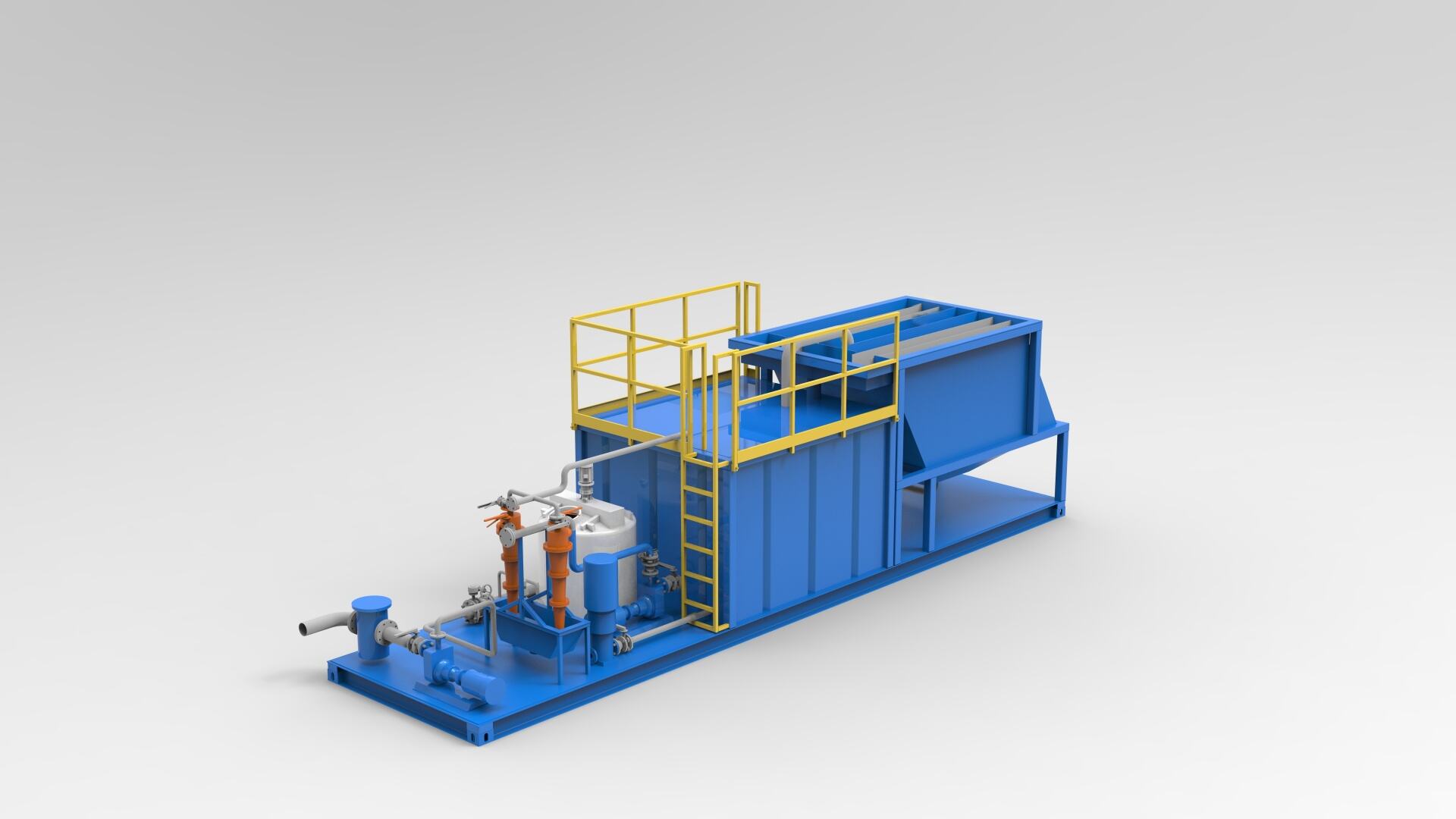
Selecting the right automated tank cleaning equipment has become increasingly complex as industrial facilities face evolving regulatory requirements, sustainability pressures, and operational efficiency demands in 2026. The decision requires careful evaluation of multiple technical, economic, and operational factors that directly impact cleaning effectiveness, maintenance costs, and overall facility productivity. With advances in automation technology, environmental regulations, and energy efficiency standards, choosing automated tank cleaning equipment now involves considerations that extend far beyond basic cleaning capability.
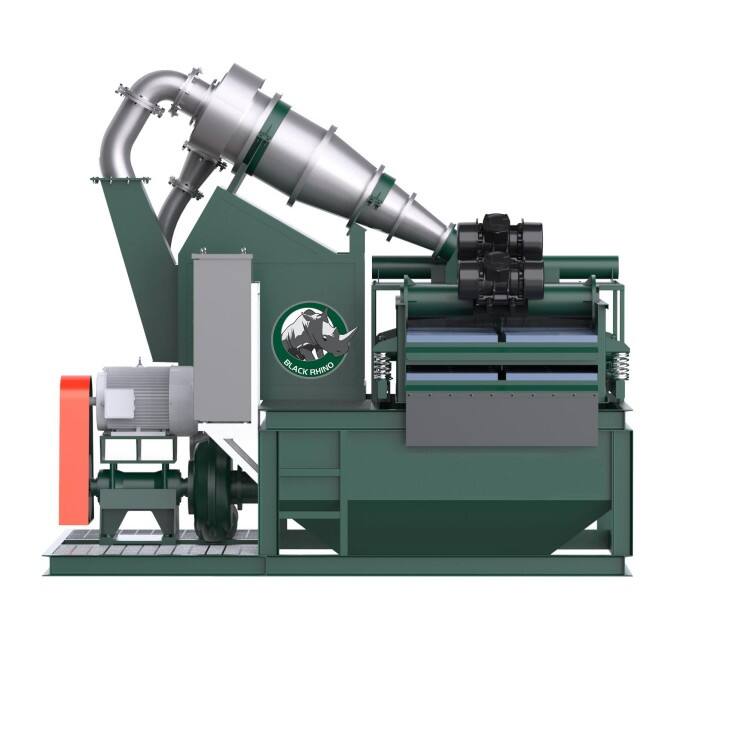
Modern automated tank cleaning equipment selection requires a systematic approach that balances immediate operational needs with long-term strategic objectives. The equipment must not only deliver thorough cleaning results but also integrate seamlessly with existing facility infrastructure, comply with current safety standards, and provide measurable returns on investment. Understanding the key selection criteria and evaluation methodologies enables facility managers to make informed decisions that optimize both cleaning performance and operational costs while ensuring regulatory compliance and environmental responsibility.
Technical Specifications and Performance Requirements
Cleaning Mechanism and Technology Type
The fundamental cleaning mechanism of automated tank cleaning equipment determines its effectiveness across different applications and tank configurations. Rotary jet head systems provide comprehensive coverage through high-pressure water rotation, making them suitable for removing stubborn residues and handling various tank geometries. Static spray ball systems offer reliable cleaning for routine maintenance applications, particularly in pharmaceutical and food processing environments where consistent sanitization protocols are essential.
Advanced automated tank cleaning equipment now incorporates programmable cleaning patterns that adapt to specific tank dimensions and contamination types. These systems utilize precision-controlled water pressure, temperature regulation, and chemical dosing to optimize cleaning effectiveness while minimizing resource consumption. The selection should consider whether the facility requires multi-directional cleaning capabilities, variable pressure settings, or specialized nozzle configurations for handling different product residues.
Modern equipment also features integrated sensors and monitoring systems that provide real-time feedback on cleaning progress and completion. These technological enhancements enable automated tank cleaning equipment to adjust cleaning parameters dynamically, ensuring consistent results while reducing operator intervention requirements. Facilities should evaluate whether their applications require such advanced monitoring capabilities or if simpler, more cost-effective solutions would suffice.
Pressure and Flow Rate Specifications
Water pressure and flow rate specifications directly impact the cleaning effectiveness and operational efficiency of automated tank cleaning equipment. High-pressure systems typically operating between 100-300 bar provide superior cleaning power for removing hardened deposits, scaling, and heavy contamination. However, these systems require more robust piping infrastructure and may not be suitable for tanks with sensitive internal coatings or delicate equipment.
Medium-pressure automated tank cleaning equipment operating at 50-100 bar offers balanced performance for most industrial applications, providing adequate cleaning power while maintaining reasonable water consumption rates. These systems are particularly effective for routine cleaning operations in chemical processing, petroleum refining, and manufacturing facilities where moderate contamination levels are encountered regularly.
Flow rate considerations must account for both cleaning effectiveness and water usage efficiency. Modern automated tank cleaning equipment features variable flow control that adjusts water delivery based on cleaning requirements, tank size, and contamination levels. Facilities should evaluate their water availability, treatment capacity, and disposal requirements when selecting equipment with specific flow rate characteristics.
Facility Integration and Infrastructure Compatibility
Existing Piping and Utility Systems
Successful integration of automated tank cleaning equipment requires thorough evaluation of existing facility infrastructure, including water supply capacity, pressure availability, and piping configurations. The equipment must be compatible with current utility systems to avoid costly infrastructure modifications or performance limitations. Water supply requirements should be assessed against available capacity, considering peak demand periods and simultaneous cleaning operations across multiple tanks.
Electrical integration considerations include power requirements, control system compatibility, and safety circuit integration. Modern automated tank cleaning equipment often features sophisticated control systems that require integration with facility SCADA systems, safety interlocks, and process monitoring networks. The selection process should evaluate whether existing electrical infrastructure can support the equipment requirements or if upgrades will be necessary.
Chemical dosing system integration is crucial for applications requiring cleaning agents, sanitizers, or specialty chemicals. The automated tank cleaning equipment should be compatible with existing chemical storage, dosing, and delivery systems, or provide integrated chemical handling capabilities. Facilities must consider chemical compatibility, dosing accuracy requirements, and safety protocols when evaluating equipment options.
Tank Design and Access Requirements
Tank geometry, size, and internal configuration significantly influence the selection of appropriate automated tank cleaning equipment. Vertical tanks with large diameters require equipment with extended reach capabilities and multiple cleaning zones to ensure complete coverage. Horizontal tanks may require specialized equipment designed for elongated geometries and varying internal structures such as baffles, heating coils, or agitator assemblies.
Access port availability and size constraints determine the installation and maintenance requirements for automated tank cleaning equipment. Equipment must be sized appropriately for available access openings while providing adequate cleaning coverage throughout the tank interior. Facilities should evaluate whether existing access ports are sufficient or if modifications will be required to accommodate the selected equipment.
Internal tank features such as heating coils, agitators, or specialized internals require automated tank cleaning equipment with appropriate clearance capabilities and cleaning pattern adaptations. The equipment must be able to navigate around internal obstacles while maintaining effective cleaning coverage of all tank surfaces, including areas that may be shadowed by internal structures.
Operational Efficiency and Automation Capabilities
Control System Integration and Programming
Advanced control systems in modern automated tank cleaning equipment provide comprehensive programming capabilities that optimize cleaning cycles based on specific application requirements. These systems enable operators to develop customized cleaning programs that consider tank size, contamination type, cleaning time constraints, and resource availability. Programmable logic controllers integrate with facility automation systems to coordinate cleaning operations with production schedules and maintenance windows.
Remote monitoring and control capabilities allow operators to oversee multiple automated tank cleaning equipment installations from central control rooms, improving operational efficiency and response times. These systems provide real-time status updates, alarm notifications, and performance data logging that supports both operational decision-making and regulatory compliance documentation. Facilities should evaluate whether remote operation capabilities align with their operational structure and staffing models.
Data collection and analysis features in sophisticated automated tank cleaning equipment provide valuable insights into cleaning effectiveness, resource consumption, and equipment performance trends. This information supports continuous improvement initiatives, predictive maintenance programs, and operational cost optimization efforts. The selection process should consider the facility's data management capabilities and analytical requirements when evaluating equipment with advanced monitoring features.
Resource Consumption and Efficiency Metrics
Water consumption efficiency represents a critical selection criterion for automated tank cleaning equipment, particularly in facilities with water scarcity concerns or high treatment costs. Modern equipment incorporates water recycling capabilities, optimized spray patterns, and intelligent control systems that minimize water usage while maintaining cleaning effectiveness. Facilities should evaluate total water consumption per cleaning cycle and compare this against current manual or semi-automated cleaning methods.
Energy efficiency considerations include electrical power consumption, compressed air requirements, and heating energy for hot water cleaning applications. Automated tank cleaning equipment with variable speed drives, efficient pump designs, and optimized heating systems can significantly reduce operational energy costs over the equipment lifespan. The selection process should include lifecycle energy cost analysis to identify the most economically viable options.
Chemical consumption optimization features in automated tank cleaning equipment ensure accurate dosing, minimize waste, and reduce environmental impact. Systems with precise chemical metering, automated dilution control, and cleaning effectiveness monitoring can substantially reduce chemical costs while improving cleaning consistency. Facilities should evaluate their chemical usage patterns and cost structure when comparing equipment options with different chemical management capabilities.
Regulatory Compliance and Safety Considerations
Industry Standards and Certification Requirements
Regulatory compliance requirements significantly influence the selection of automated tank cleaning equipment, particularly in heavily regulated industries such as pharmaceuticals, food processing, and chemical manufacturing. Equipment must meet applicable industry standards such as FDA 21 CFR Part 11 for pharmaceutical applications, USDA requirements for food processing, or API standards for petroleum refining operations. The selection process should verify that prospective equipment carries appropriate certifications and documentation.
Safety standards compliance includes electrical safety certifications, pressure vessel requirements, and hazardous area classifications where applicable. Automated tank cleaning equipment operating in explosive atmospheres must carry appropriate ATEX or NEC certifications, while equipment in food processing facilities requires hygienic design certifications. Facilities should maintain detailed documentation of all safety certifications and ensure ongoing compliance with applicable standards.
Environmental regulations impact both equipment selection and operational procedures for automated tank cleaning equipment. Discharge permits, air emissions limits, and waste handling requirements must be considered when evaluating equipment options. Modern equipment with closed-loop cleaning systems, vapor recovery capabilities, and reduced chemical consumption can help facilities maintain environmental compliance while optimizing operational costs.
Operator Safety and Risk Management
Worker safety considerations require automated tank cleaning equipment to minimize human exposure to hazardous conditions, confined spaces, and dangerous chemicals. Equipment with remote operation capabilities, automated positioning systems, and integrated safety interlocks reduces the need for personnel to enter tanks or work in proximity to high-pressure cleaning operations. The selection process should prioritize equipment features that enhance operator safety and reduce accident risk.
Emergency response capabilities built into automated tank cleaning equipment provide critical safety features during abnormal operating conditions. These include emergency stop systems, pressure relief mechanisms, and automatic shutdown sequences that protect both personnel and equipment during upset conditions. Facilities should evaluate the emergency response features against their specific risk assessment requirements and safety protocols.
Maintenance safety considerations include accessibility for routine service, lockout/tagout compatibility, and safe isolation procedures. Automated tank cleaning equipment should be designed to facilitate safe maintenance operations while minimizing exposure to hazardous conditions. The selection process should consider the safety implications of routine maintenance requirements and ensure compatibility with facility safety protocols.
Economic Analysis and Return on Investment
Total Cost of Ownership Evaluation
Comprehensive cost analysis for automated tank cleaning equipment extends beyond initial purchase price to include installation, training, maintenance, and operational costs over the equipment lifespan. Installation costs may include infrastructure modifications, utility connections, control system integration, and commissioning activities. Facilities should obtain detailed cost estimates for all installation requirements to accurately assess total implementation costs.
Operational cost considerations include labor savings from automation, reduced cleaning time, lower chemical and water consumption, and improved cleaning consistency. Modern automated tank cleaning equipment typically reduces cleaning labor requirements by 60-80% compared to manual cleaning methods while providing more consistent and thorough cleaning results. These operational benefits should be quantified and included in the economic analysis to determine true return on investment.
Maintenance costs for automated tank cleaning equipment include routine service requirements, spare parts availability, and potential system upgrades over the equipment lifespan. Equipment with modular designs, readily available spare parts, and comprehensive service support typically offer lower total maintenance costs. The selection process should evaluate maintenance requirements, service availability, and long-term parts support when comparing equipment options.
Productivity and Quality Improvements
Production efficiency gains from automated tank cleaning equipment include reduced cleaning cycle times, improved turnaround scheduling, and enhanced cleaning consistency. Automated systems can typically complete tank cleaning operations 40-60% faster than manual methods while providing more thorough and repeatable results. These productivity improvements translate into increased production capacity, improved asset utilization, and enhanced operational flexibility.
Quality improvements from consistent automated tank cleaning equipment operation include reduced product contamination risks, improved batch-to-batch consistency, and enhanced regulatory compliance. Automated systems eliminate human variability in cleaning procedures, ensuring that all tanks receive identical cleaning treatment according to established protocols. This consistency reduces quality risks and associated costs from product rejection, rework, or regulatory violations.
Risk mitigation benefits from automated tank cleaning equipment include reduced safety incidents, improved environmental compliance, and decreased equipment damage from inconsistent cleaning practices. These risk reductions provide quantifiable economic value through lower insurance costs, reduced regulatory penalties, and avoided equipment replacement expenses. The economic analysis should include risk mitigation benefits when evaluating the total value proposition of different equipment options.
FAQ
What are the most important factors to consider when selecting automated tank cleaning equipment for pharmaceutical applications?
Pharmaceutical applications require automated tank cleaning equipment with FDA 21 CFR Part 11 compliance, hygienic design features, and validation documentation capabilities. The equipment must provide consistent cleaning results with precise control over cleaning parameters, comprehensive documentation systems, and materials of construction suitable for pharmaceutical cleaning agents. Validation support from the equipment manufacturer is essential for regulatory compliance and qualification activities.
How do I determine the appropriate pressure and flow rate specifications for my specific tank cleaning application?
Pressure and flow rate selection depends on contamination type, tank size, internal obstacles, and cleaning time requirements. Heavy deposits and scaling typically require high-pressure systems (100-300 bar), while routine cleaning applications can use medium-pressure equipment (50-100 bar). Flow rate should be optimized based on tank volume, cleaning coverage requirements, and available water supply capacity. Pilot testing or consultation with equipment manufacturers can help determine optimal specifications.
What integration challenges should I expect when installing automated tank cleaning equipment in an existing facility?
Common integration challenges include utility capacity limitations, control system compatibility issues, and physical space constraints. Water supply capacity may require upgrades to support equipment flow requirements, while electrical systems may need modifications for motor starting and control integration. Existing tank access ports may need modification to accommodate equipment installation, and piping systems may require reconfiguration for proper equipment connection and drainage.
How can I evaluate the return on investment for automated tank cleaning equipment compared to manual cleaning methods?
ROI evaluation should include labor cost savings, reduced cleaning time, improved cleaning consistency, and lower resource consumption. Calculate annual labor savings from automation, reduced downtime from faster cleaning cycles, and savings from optimized water and chemical usage. Include quality improvements, reduced contamination risks, and improved regulatory compliance in the analysis. Most facilities see payback periods of 18-36 months when all benefits are considered comprehensively.
Table of Contents
- Technical Specifications and Performance Requirements
- Facility Integration and Infrastructure Compatibility
- Operational Efficiency and Automation Capabilities
- Regulatory Compliance and Safety Considerations
- Economic Analysis and Return on Investment
-
FAQ
- What are the most important factors to consider when selecting automated tank cleaning equipment for pharmaceutical applications?
- How do I determine the appropriate pressure and flow rate specifications for my specific tank cleaning application?
- What integration challenges should I expect when installing automated tank cleaning equipment in an existing facility?
- How can I evaluate the return on investment for automated tank cleaning equipment compared to manual cleaning methods?