 EN
EN

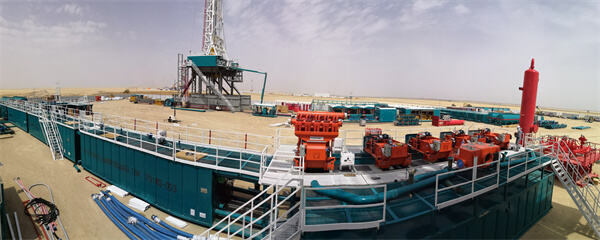
Drilling operations generate substantial volumes of cuttings that require proper treatment to meet environmental regulations and operational efficiency standards. The choice between water-based and oil-based cuttings treatment systems significantly impacts project costs, environmental compliance, and waste management strategies. Understanding these fundamental differences enables operators to select the most appropriate treatment methodology for their specific drilling conditions and regulatory requirements.
The fundamental distinction between these treatment approaches lies in the base fluid composition and the associated separation technologies required. Water-based cuttings typically contain synthetic or natural polymers, while oil-based cuttings incorporate hydrocarbon fluids that present unique separation challenges. Each system demands specialized equipment configurations and processing parameters to achieve optimal separation efficiency and environmental compliance.
Water-Based Cuttings Treatment Fundamentals
Composition and Characteristics
Water-based drilling fluids form the foundation of most conventional drilling operations, utilizing freshwater or seawater as the continuous phase. These systems incorporate various additives including bentonite clay, polymers, weighting agents, and chemical inhibitors to maintain wellbore stability and optimize drilling performance. The resulting cuttings typically exhibit lower oil content and reduced toxicity compared to oil-based alternatives.
The water content in these cuttings ranges from sixty to eighty percent by volume, depending on formation characteristics and drilling fluid properties. This high water content facilitates mechanical separation through conventional screening and centrifugation processes. The absence of significant hydrocarbon contamination simplifies treatment requirements and reduces disposal restrictions in many jurisdictions.
Treatment Technologies and Processes
Mechanical separation forms the primary treatment approach for water-based cuttings, employing shale shakers, desanders, desilters, and centrifuges in sequential configurations. These systems effectively remove drilling fluid components while reducing moisture content to acceptable levels for disposal or beneficial reuse applications. The treatment process typically achieves fluid recovery rates exceeding ninety percent.
Thermal treatment options include low-temperature drying systems that evaporate residual moisture without decomposing organic components. These processes generate clean water vapor that can be condensed and recycled, while producing dry solid waste suitable for various disposal or beneficial use applications. Advanced systems incorporate heat recovery mechanisms to optimize energy efficiency and reduce operational costs.
Oil-Based Cuttings Treatment Systems
Fluid Composition and Properties
Oil-based drilling fluids utilize synthetic or mineral oil as the continuous phase, providing superior wellbore stability and enhanced drilling performance in challenging formations. These systems typically contain emulsified water phases, organophilic clays, weighting materials, and specialized chemical additives designed to optimize rheological properties and formation compatibility.
The resulting cuttings exhibit significantly higher oil content, typically ranging from ten to thirty percent by weight, depending on formation characteristics and drilling fluid properties. This elevated hydrocarbon content necessitates specialized treatment approaches to achieve regulatory compliance and environmental protection standards. The oil retention on cuttings creates both economic incentives for recovery and environmental obligations for proper treatment.
Advanced Separation Technologies
Oil-based cuttings treatment requires sophisticated separation technologies capable of recovering valuable base fluids while meeting stringent disposal requirements. High-gravity centrifuges operating at forces exceeding three thousand times gravity effectively separate oil phases from solid particles. These systems achieve oil recovery rates typically exceeding ninety-five percent while reducing oil content on solids to less than one percent by weight.
Thermal treatment systems employ controlled heating processes to evaporate and recover oil components while producing clean solid waste. These systems operate at temperatures ranging from three hundred to six hundred degrees Celsius, utilizing indirect heating to prevent oxidation and maintain oil quality. Advanced designs incorporate vapor recovery systems that condense and separate oil and water phases for recycling back into drilling operations.
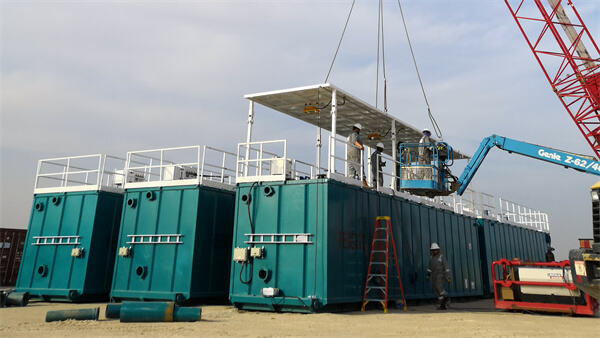
Environmental and Regulatory Considerations
Discharge Standards and Compliance
Regulatory frameworks governing cuttings treatment vary significantly between water-based and oil-based systems, reflecting the different environmental risks associated with each approach. Water-based cuttings typically face less stringent discharge requirements, with many jurisdictions permitting direct ocean discharge following basic mechanical treatment to remove excess drilling fluids.
Oil-based cuttings face substantially more restrictive regulations due to hydrocarbon contamination concerns. Most regulatory authorities require oil content reduction to less than one percent by weight before discharge or disposal, with some jurisdictions mandating zero discharge policies that require complete containment and onshore treatment. These requirements significantly influence treatment system selection and operational costs.
Waste Management Strategies
Water-based cuttings treatment generates relatively benign solid waste suitable for various beneficial applications including road base construction, cement manufacturing, and land application under appropriate conditions. The low contaminant levels facilitate straightforward disposal in conventional landfills or specialized industrial waste facilities.
Oil-based cuttings treatment produces waste streams requiring specialized handling and disposal due to residual hydrocarbon content. Treatment facilities must implement comprehensive waste characterization programs to determine appropriate disposal pathways and ensure regulatory compliance. Advanced treatment systems can produce solid waste meeting non-hazardous classification criteria, expanding disposal options and reducing costs.
Economic Factors and Cost Analysis
Capital Investment Requirements
Water-based cuttings treatment systems typically require lower capital investments due to simpler processing requirements and conventional separation technologies. Standard mechanical separation equipment costs significantly less than specialized thermal treatment systems required for oil-based applications. The reduced complexity also translates to lower installation and commissioning costs.
Oil-based cuttings treatment demands substantial capital investment in sophisticated separation and thermal processing equipment. High-performance centrifuges, thermal treatment units, and associated vapor recovery systems represent significant upfront costs. However, the value of recovered oil products often justifies these investments through reduced drilling fluid replacement costs and improved operational efficiency.
Operating Cost Considerations
Operating costs for water-based cuttings treatment remain relatively modest, primarily consisting of equipment maintenance, power consumption, and waste disposal fees. The straightforward processing requirements minimize consumable costs and reduce specialized operator training requirements. Disposal costs typically remain reasonable due to the benign nature of treated waste materials.
Oil-based cuttings treatment involves higher operating costs due to energy-intensive thermal processes, specialized maintenance requirements, and complex operational procedures. However, the recovery of valuable drilling fluid components often offsets these costs through reduced fluid replacement expenses. Proper economic analysis must consider both treatment costs and fluid recovery benefits to determine overall project economics.
Technology Selection Criteria
Project-Specific Considerations
Selection between water-based and oil-based cuttings treatment systems depends on multiple project-specific factors including drilling program requirements, environmental regulations, waste disposal options, and economic constraints. Remote offshore locations may favor systems with minimal waste generation and maximum fluid recovery to reduce logistical requirements and transportation costs.
Formation characteristics significantly influence treatment system requirements, with reactive shales and unstable formations often necessitating oil-based drilling fluids and associated treatment technologies. Environmental sensitivity of drilling locations may mandate specific treatment approaches regardless of economic considerations, particularly in protected marine areas or near sensitive ecosystems.
Performance Optimization Strategies
Optimizing cuttings treatment performance requires careful integration of drilling fluid properties, separation equipment capabilities, and operational procedures. Water-based systems benefit from proper drilling fluid maintenance to minimize solids loading and optimize separation efficiency. Regular monitoring of fluid properties and separation performance enables proactive adjustments to maintain optimal treatment effectiveness.
Oil-based cuttings treatment optimization focuses on maximizing oil recovery while minimizing residual contamination on treated solids. Advanced process control systems monitor separation parameters in real-time, automatically adjusting operating conditions to maintain optimal performance. Proper equipment maintenance and calibration ensure consistent treatment quality and regulatory compliance throughout project duration.
FAQ
What are the main environmental benefits of water-based cuttings treatment
Water-based cuttings treatment offers significant environmental advantages including reduced toxicity, simplified disposal options, and lower potential for marine ecosystem impact. The absence of significant hydrocarbon contamination eliminates many environmental concerns associated with oil-based systems, while enabling beneficial reuse applications that convert waste into useful products.
How does oil recovery efficiency compare between different treatment technologies
High-performance centrifuges typically achieve oil recovery rates exceeding ninety-five percent, while thermal treatment systems can recover virtually all oil content through evaporation and condensation processes. The choice between technologies depends on project economics, environmental requirements, and operational constraints specific to each drilling application.
What factors determine the most cost-effective cuttings treatment approach
Cost-effectiveness depends on drilling fluid costs, treatment system capital and operating expenses, waste disposal fees, and regulatory requirements. Projects using expensive synthetic drilling fluids often justify sophisticated treatment systems through fluid recovery benefits, while operations using conventional water-based fluids may optimize costs through simpler mechanical separation approaches.
Are there hybrid treatment approaches that handle both water-based and oil-based cuttings
Advanced treatment facilities increasingly incorporate flexible designs capable of processing both cuttings types through configurable separation trains and adjustable operating parameters. These hybrid systems provide operational flexibility for projects utilizing multiple drilling fluid types, though they typically require higher capital investment compared to dedicated single-purpose systems.
Table of Contents
- Water-Based Cuttings Treatment Fundamentals
- Oil-Based Cuttings Treatment Systems
- Environmental and Regulatory Considerations
- Economic Factors and Cost Analysis
- Technology Selection Criteria
-
FAQ
- What are the main environmental benefits of water-based cuttings treatment
- How does oil recovery efficiency compare between different treatment technologies
- What factors determine the most cost-effective cuttings treatment approach
- Are there hybrid treatment approaches that handle both water-based and oil-based cuttings