 EN
EN

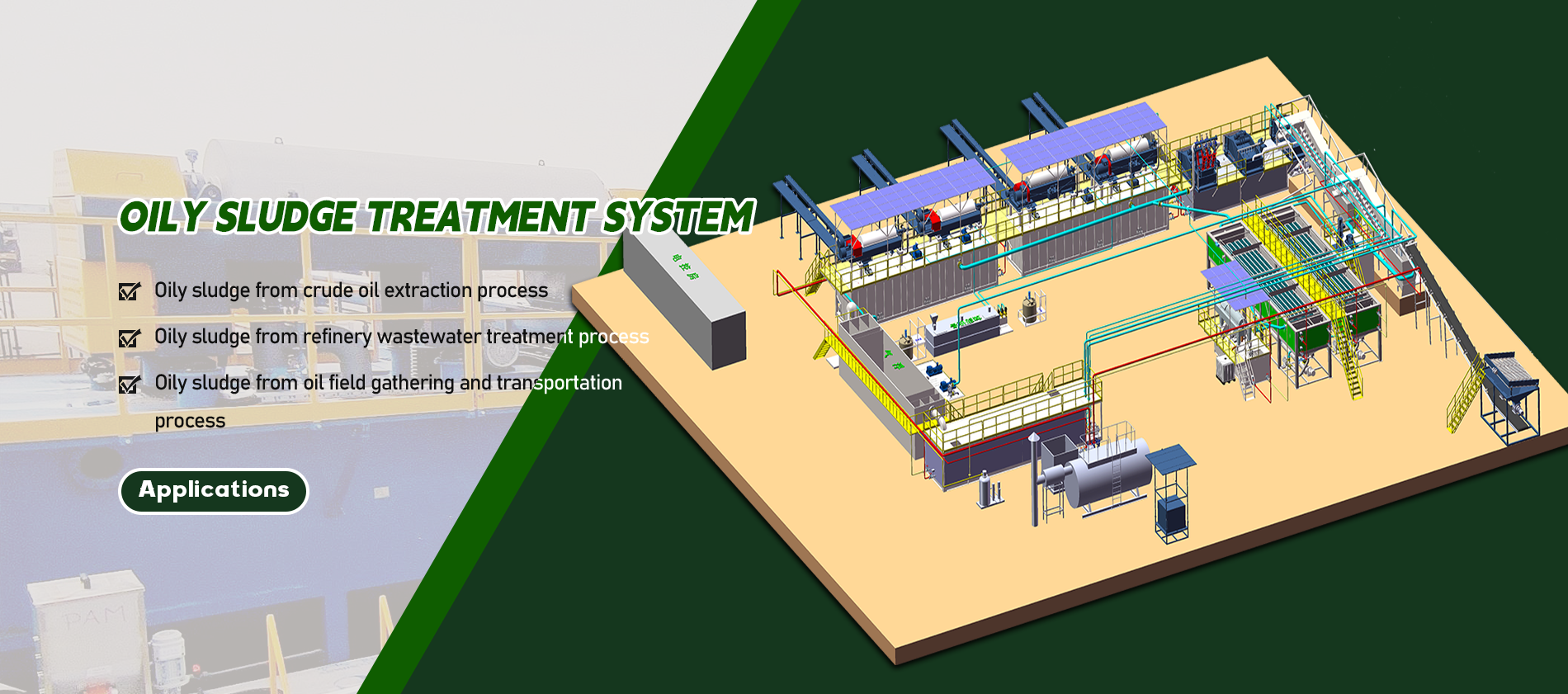
Rivers serve as vital arteries for ecosystems, commerce, and communities worldwide, but over time they accumulate sediment, debris, and pollutants that can significantly impact their functionality and environmental health. Modern river maintenance requires sophisticated approaches that combine mechanical extraction with advanced treatment technologies to restore waterway capacity while protecting aquatic environments. Professional river dredging and treatment operations have evolved from simple excavation methods to comprehensive systems that address both immediate navigation needs and long-term ecological sustainability. Understanding the equipment and processes involved in these operations is essential for environmental engineers, municipal planners, and waterway management professionals who must balance operational efficiency with environmental stewardship.
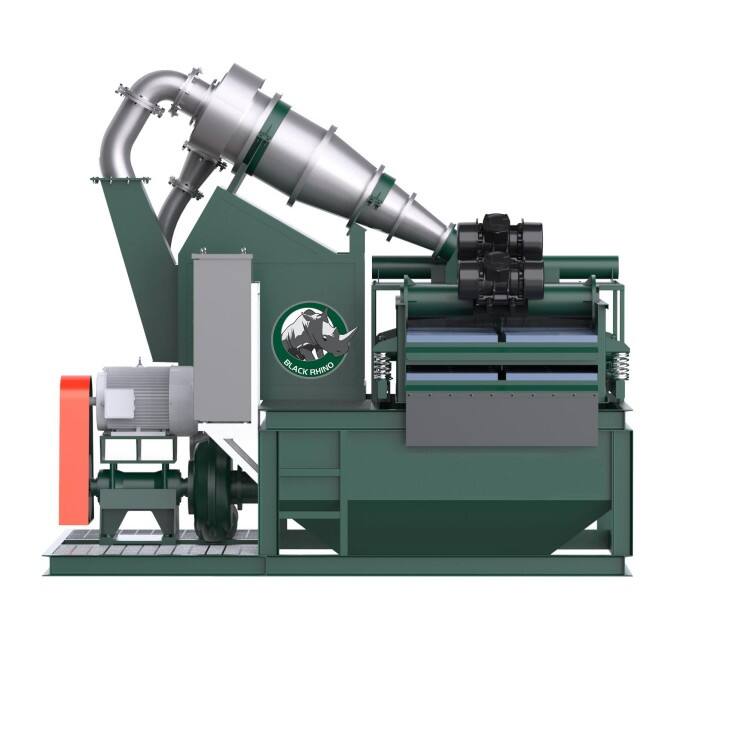
Mechanical Dredging Equipment for River Operations
Hydraulic Dredging Systems
Hydraulic dredging represents the most versatile and widely adopted approach for river sediment removal, utilizing powerful pumping systems to create suction that lifts sediment and water mixtures from riverbeds. These systems employ centrifugal pumps capable of generating substantial vacuum pressure while maintaining continuous flow rates that can process thousands of cubic meters per hour. The hydraulic cutterhead dredge stands as the industry standard for navigational dredging projects, featuring rotating cutterheads that break up compacted sediments before suction removal. Modern hydraulic systems integrate GPS positioning technology and automated depth control systems that ensure precise excavation patterns while minimizing disturbance to surrounding aquatic habitats.
Advanced hydraulic dredging equipment incorporates variable-speed drive systems that allow operators to adjust pumping rates based on sediment density and environmental conditions. These systems often include real-time monitoring capabilities that track sediment concentration, flow rates, and pump performance to optimize operational efficiency. Environmental considerations have driven the development of low-impact hydraulic systems that minimize turbidity and reduce noise levels during operation. Professional river dredging and treatment projects increasingly rely on these sophisticated hydraulic systems to achieve precise sediment removal while maintaining compliance with environmental regulations and water quality standards.
Mechanical Excavation Equipment
Mechanical dredging equipment provides precise control for targeted sediment removal in shallow water environments and areas requiring selective excavation around sensitive infrastructure. Long-reach excavators mounted on pontoons or specialized amphibious carriers offer exceptional maneuverability in confined river channels while providing operators with direct visual control over excavation activities. These machines typically feature extended boom configurations that can reach depths up to fifteen meters while maintaining stable positioning in flowing water conditions. Mechanical systems excel in situations requiring precise material handling, such as removing debris-laden sediments or working around bridge foundations and utility crossings.
Specialized mechanical dredging equipment includes bucket dredges and grab dredges designed for heavy-duty sediment removal in challenging river environments. Bucket wheel dredges provide continuous excavation capabilities for large-scale river maintenance projects, featuring rotating bucket chains that systematically remove sediment layers while maintaining consistent advance rates. These mechanical systems often incorporate automated positioning systems and load monitoring technology that ensures optimal excavation efficiency while preventing equipment overload. The versatility of mechanical dredging equipment makes it indispensable for river restoration projects that require careful material selection and precise placement of excavated sediments.
Sediment Processing and Dewatering Technology
High-Efficiency Separation Systems
Modern sediment processing relies heavily on advanced separation technology that efficiently removes water from dredged materials while recovering valuable fine particles for beneficial reuse applications. Centrifugal separation systems have emerged as the preferred technology for high-volume processing operations, utilizing rotational forces to achieve rapid solid-liquid separation with minimal chemical additives. These systems can process slurry mixtures with varying particle sizes and densities while maintaining consistent dewatering performance across different sediment types. Industrial-grade centrifuges designed for river dredging applications feature corrosion-resistant construction and automated control systems that optimize separation efficiency while minimizing operational costs.
Hydrocyclone separation technology provides an efficient alternative for continuous sediment processing operations, using centrifugal forces within specially designed cylindrical chambers to separate particles based on size and density differences. These systems operate without moving parts, reducing maintenance requirements while achieving reliable separation performance in demanding river environments. Multi-stage hydrocyclone configurations allow operators to achieve precise particle size classification, enabling the recovery of specific sediment fractions for different beneficial use applications. The compact design and modular construction of modern hydrocyclone systems make them particularly suitable for temporary river dredging installations and mobile processing operations.
Advanced Dewatering Equipment
Effective dewatering represents a critical component of comprehensive River Dredging and Treatment operations, requiring specialized equipment capable of reducing moisture content to levels suitable for transportation and disposal or beneficial reuse. Filter press systems provide exceptional dewatering performance for fine-grained river sediments, utilizing mechanical pressure and filtration media to achieve moisture contents below twenty percent. These systems incorporate automated plate shifting mechanisms and programmable pressure cycles that optimize dewatering efficiency while minimizing operator intervention. Modern filter press installations feature integrated washing systems that maintain filter cloth cleanliness and extend operational cycles between maintenance intervals.
Belt filter presses offer continuous dewatering capabilities for high-volume river sediment processing applications, featuring dual-belt configurations that apply graduated pressure while transporting materials through multiple dewatering zones. These systems excel in processing mixed sediment types and can accommodate varying feed rates without significant performance degradation. Vacuum-assisted dewatering systems provide enhanced performance for challenging sediment mixtures, combining mechanical pressure with vacuum extraction to achieve superior moisture removal. The integration of polymer conditioning systems with advanced dewatering equipment enables operators to optimize flocculation and improve separation efficiency across diverse sediment characteristics.
Water Treatment and Quality Control Systems
Filtration and Clarification Technology
Effective water treatment during river dredging operations requires sophisticated filtration systems capable of removing suspended solids, dissolved contaminants, and biological pollutants before water discharge back to the river environment. Multi-media filtration systems utilize layered filter beds containing different granular materials to achieve comprehensive particle removal across varying size ranges. These systems incorporate automated backwashing cycles and filter bed monitoring to maintain consistent performance while minimizing water waste during cleaning operations. Advanced filtration installations often include pre-treatment screening and settling systems that remove large debris and reduce loading on downstream filtration components.
Clarification technology plays an essential role in processing water separated from dredged sediments, utilizing settling basins and chemical coagulation to achieve rapid solid-liquid separation. Lamella plate settlers provide compact clarification solutions for temporary river dredging installations, featuring inclined plate arrays that maximize settling surface area within limited footprint requirements. These systems can achieve high overflow rates while maintaining excellent solids removal efficiency. Chemical dosing systems integrate with clarification equipment to optimize flocculation performance and enhance settling rates for fine suspended particles that resist natural settling processes.
Advanced Water Polishing Systems
Final water polishing represents the critical last step in ensuring treated water meets environmental discharge standards and protects downstream aquatic ecosystems from potential contamination. Membrane bioreactor technology provides superior treatment performance for challenging water quality conditions, combining biological treatment processes with membrane filtration to achieve exceptional contaminant removal. These systems can simultaneously address suspended solids, dissolved organic compounds, and nutrient loading while producing high-quality effluent suitable for direct river discharge. Membrane systems feature automated cleaning protocols and performance monitoring that maintains consistent treatment efficiency throughout extended operating periods.
Activated carbon adsorption systems provide effective removal of dissolved organic compounds, heavy metals, and trace contaminants that may be present in river dredging process water. These systems utilize specially prepared carbon media with high surface area and optimized pore structure to achieve maximum adsorption capacity. Ultraviolet disinfection technology offers chemical-free pathogen inactivation for treated water, ensuring biological safety while avoiding the formation of harmful disinfection byproducts. The integration of real-time water quality monitoring with automated treatment control systems enables operators to maintain consistent discharge quality while optimizing chemical usage and energy consumption.
Environmental Monitoring and Compliance Equipment
Real-Time Water Quality Monitoring
Comprehensive environmental monitoring during river dredging operations requires sophisticated instrumentation capable of providing real-time data on multiple water quality parameters that indicate potential environmental impacts. Multi-parameter water quality probes measure dissolved oxygen, turbidity, temperature, and electrical conductivity continuously throughout dredging operations, enabling immediate detection of environmental stress conditions. These monitoring systems incorporate data logging capabilities and wireless communication technology that provides remote access to environmental data for regulatory compliance reporting. Advanced monitoring installations include automated sampling systems that collect water samples for laboratory analysis when parameter excursions indicate potential environmental concerns.
Turbidity monitoring represents a critical component of environmental compliance during river dredging activities, requiring specialized optical instruments capable of accurately measuring suspended solids concentrations in real-time. Modern turbidity sensors utilize laser-based measurement technology that provides superior accuracy and stability compared to traditional nephelometric methods. These systems feature automatic cleaning mechanisms and temperature compensation that maintain measurement reliability in challenging river environments. Integration with automated alert systems enables immediate notification of turbidity excursions that may require operational adjustments or temporary activity cessation to protect downstream water quality.
Sediment Quality Assessment Technology
Effective sediment quality assessment requires specialized analytical equipment capable of detecting contamination levels and determining appropriate handling and disposal methods for excavated river materials. Portable X-ray fluorescence analyzers provide rapid on-site analysis of heavy metal concentrations in river sediments, enabling real-time decisions regarding sediment classification and handling protocols. These instruments deliver laboratory-quality analytical results within minutes, eliminating delays associated with traditional laboratory analysis while maintaining analytical accuracy required for regulatory compliance. Field-portable analytical systems often include GPS integration and data management software that creates comprehensive contamination mapping for project documentation and regulatory reporting.
Grain size analysis equipment determines sediment particle distribution and engineering properties that influence processing equipment selection and beneficial reuse applications. Laser diffraction particle size analyzers provide rapid, automated analysis of sediment samples across the full range from clay particles to coarse sand fractions. These systems incorporate sample preparation automation and statistical analysis capabilities that ensure consistent analytical results while minimizing operator involvement. Geotechnical testing equipment assesses sediment strength characteristics and consolidation properties that determine suitability for various beneficial use applications such as construction fill or habitat restoration projects.
Integrated Control and Automation Systems
Process Control Technology
Modern river dredging operations rely heavily on integrated process control systems that coordinate multiple equipment components while optimizing operational efficiency and environmental compliance. Programmable logic controllers provide centralized control of dredging equipment, processing systems, and environmental monitoring devices through sophisticated software interfaces that enable operators to manage complex operations from centralized control stations. These systems incorporate real-time data acquisition and analysis capabilities that continuously optimize equipment performance based on changing operational conditions. Advanced control systems feature predictive maintenance algorithms that monitor equipment condition and schedule maintenance activities to minimize unexpected downtime and maintain operational reliability.
Human-machine interface technology provides operators with intuitive access to system controls and performance data through touchscreen displays and graphical user interfaces that simplify complex operational procedures. These interfaces incorporate alarm management systems and operational guidance that assist operators in maintaining optimal performance while ensuring compliance with environmental regulations. Remote monitoring capabilities enable project managers and regulatory officials to access real-time operational data and environmental compliance information from off-site locations. Integration with enterprise resource planning systems provides comprehensive project management capabilities including cost tracking, productivity analysis, and regulatory reporting functions.
Data Management and Reporting Systems
Comprehensive data management represents an essential component of professional river dredging operations, requiring sophisticated systems capable of collecting, analyzing, and reporting operational and environmental data for regulatory compliance and project optimization. Cloud-based data management platforms provide secure storage and analysis capabilities for large datasets generated during extensive river dredging projects. These systems incorporate automated data validation and quality assurance protocols that ensure data integrity while providing powerful analytical tools for performance optimization and trend analysis. Advanced reporting capabilities generate customized reports for different stakeholders including regulatory agencies, project owners, and environmental consultants.
Geographic information system integration provides spatial analysis capabilities that enable comprehensive project visualization and environmental impact assessment. These systems combine operational data with geographic information to create detailed project maps and environmental monitoring visualizations that support decision-making and regulatory compliance activities. Automated compliance reporting systems generate required regulatory submittals and environmental monitoring reports while maintaining detailed audit trails for regulatory review. Integration with mobile devices enables field personnel to access project information and submit data updates in real-time, improving communication and data accuracy throughout project duration.
FAQ
What factors determine the selection of dredging equipment for river projects?
Equipment selection depends on multiple factors including water depth, sediment characteristics, environmental sensitivity, project scale, and access limitations. Hydraulic systems work best for deep water and soft sediments, while mechanical equipment excels in shallow areas with debris or consolidated materials. Environmental restrictions may require low-impact equipment with enhanced turbidity control, and site access constraints often determine whether equipment must be transported in sections or operated from existing infrastructure.
How do modern treatment systems ensure environmental compliance during river dredging?
Contemporary treatment systems integrate real-time monitoring with automated control systems that continuously adjust operations to maintain environmental parameters within permitted limits. Multi-stage treatment processes remove suspended solids, control turbidity, and address potential contaminants before water discharge. Advanced systems include backup treatment capabilities and automated shutdown procedures that prevent environmental impacts during equipment malfunctions or extreme conditions.
What role does sediment characterization play in equipment selection and treatment design?
Comprehensive sediment analysis determines particle size distribution, contamination levels, and engineering properties that directly influence equipment selection and treatment system design. Fine-grained sediments require different dewatering approaches than sandy materials, while contaminated sediments may need specialized handling and treatment protocols. Sediment characteristics also determine beneficial reuse potential and influence disposal requirements, affecting overall project economics and environmental impact.
How do integrated automation systems improve river dredging efficiency and safety?
Automation systems optimize equipment coordination, reduce operator error, and provide consistent performance monitoring that improves both efficiency and safety outcomes. Integrated systems automatically adjust processing parameters based on real-time conditions, maintain environmental compliance through continuous monitoring, and provide predictive maintenance capabilities that prevent equipment failures. Remote monitoring and control capabilities reduce personnel exposure to hazardous conditions while enabling expert technical support from off-site locations.
Table of Contents
- Mechanical Dredging Equipment for River Operations
- Sediment Processing and Dewatering Technology
- Water Treatment and Quality Control Systems
- Environmental Monitoring and Compliance Equipment
- Integrated Control and Automation Systems
-
FAQ
- What factors determine the selection of dredging equipment for river projects?
- How do modern treatment systems ensure environmental compliance during river dredging?
- What role does sediment characterization play in equipment selection and treatment design?
- How do integrated automation systems improve river dredging efficiency and safety?