При операциите по хоризонтално насочено бурене (HDD) често се объркват понятията „рециклиране на малт“ и „пречистване на малт“. Въпреки това, двете се различават фундаментално по отношение на функционалното позициониране, техническата логика и целите на прилагане. Въз основа на практиката с оборудване на Black Rhino Industrial и отрасловите технически стандарти, разликите могат да бъдат анализирани по четири основни измерения, както следва:
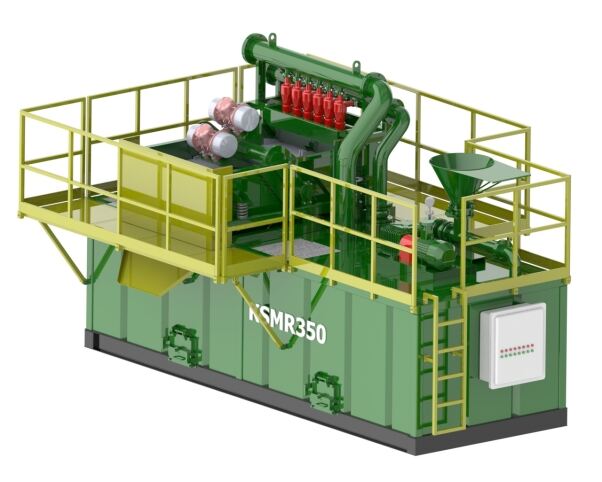
I. Основно позициониране: „Носител със затворен цикъл“ срещу „Модул за усъвършенстване на качеството“
Система за рециклиране на кал при ХДД действа като „пълен процесен затворен контур за пренасяне“ на циркулацията на буров разтвор. Основната ѝ задача е да събира отпадъчния шлам, изпускан на обекта, да го транспортира до уредбата за обработка, да върне повторно използваем буров флуид към буровата система и централизирано да обработва отделените твърди отпадъци. По същество това е „система за координация на логистиката и възстановяване на ресурси“. Компоненти като помпата за шлам с висок напор на Black Rhino и модулните резервоари за съхранение са от съществено значение за постигане на ефективно възстановяване на отпадъчен шлам.
Напротив, системата за пречистване на шлам от HDD служи като „единица за качествено усъвършенстване“, като се фокусира върху премахването на вредни примеси от шлама и възстановяване на ключови течности свойства (напр. вискозитет, способност за суспендиране) чрез физическо разделяне или химическа обработка. Нейната задача е да реши проблемите с замърсяването на шлама и намаляването на производителността. Това е основният обработващ модул в система за рециклиране. Системата за пречистване на Black Rhino — използваща триетапен процес шейкър → хидроциклон → десилтер — е специално проектирана за прецизно пречистване на примеси с различни размери на частиците.
II. Функционален акцент: „Пълен веригов координация“ срещу „Оптимизация на отделен етап“
Система за рециклиране обхваща цялата верига от събиране → трансфер → временno съхранение → повторна употреба, като подчертава пълнотата на работния процес и ефективността на възстановяването на ресурсите. Например, системата за рециклиране на Black Rhino включва единица за компактиране на шлам с винтов тип, която допълнително отводнява отделените мокри частици, подобрявайки степента на възстановяване на бутилката над 95%. Затворената тръбопроводна система също предотвратява вторичното замърсяване по време на транспортиране. Ролята ѝ не се ограничава само до „възстановяване на бутилковия флуид“, а включва и намаляване на обема и съобразено с нормативите управление на твърдите отпадъци – което я прави идеална за отдалечени или разпръснати обекти, където събирането на шлам е предизвикателство.
Системата за пречистване се фокусира изключително върху отделянето на примесите и възстановяването на свойствата на бурилния флуид, като поставя приоритет на точността и стабилността на пречистването. Хидроциклонът на Black Rhino постига ефективност от 98% при премахване на пясъка и е способен да отделя частици с размер над 0,074 мм. В комбинация с интелигентна система за управление базирана на PLC, която коригира състава на флуида в реално време, пречистеният бурилен флуид може да поддържа съдържание на пясък под 0,5%, напълно отговаряйки на строгите изисквания за смазване и стабилност на шахтата при дълбоко бурене. Тя не участва в събирането или транспортирането на суспензията, а се специализира в повишаване качеството на използваната суспензия.
III. Техническа логика: „Оптимизация на логистиката“ срещу „Разделяне и усъвършенстване“
Системата за рециклиране се фокусира върху оптимизацията на логистиката. Чрез координиран дизайн на енергийното оборудване и складовите конструкции, тя осигурява ефективна циркулация на шлама „от кладенеца → към третиращото устройство → обратно към кладенеца“. Модулните резервоари и пясъчният помпа с висока устойчивост на износване от Black Rhino позволяват системата да бъде преместена за по-малко от 24 часа, докато сензорите за ниво на течност осигуряват постоянно наблюдение в реално време, за да се предотврати преливане или прекъсване на подаването. Този дизайн е подходящ за строителни площадки в градски райони с ограничено пространство и чести изисквания за преместване.
Системата за пречистване се фокусира върху технологиите за отделяне и рафиниране, като използва многостепенни процеси за разделяне и интелигентно управление за прецизно отстраняване на примесите. Например, двумоторният високочестотен шейкър на Black RhinoTM премахва частици с дължина 0,5 mm в рамките на 10 секунди, хидроциклонът извлича фиен пясък чрез центробежна сила, а дезилтерът премахва глина и колоидни частици, образувайки затворен Системите за пречистване от висок клас могат също да интегрират модули за химическо кондициониране, които превръщат отпадъчните кал в многократно използваема стабилизирана почва, като използват добавки, постигайки както пречистване, така и възстановяване на ресурсите.
IV. Целеви приложения: „Намаляване на разходите и спазване на изискванията“ срещу „Подобряване на качеството и повишаване на ефективността“
Основната цел на една рециклираща система е да намали отпадъците от материали и екологичните рискове. Като увеличава степента на възстановяване на буровия флуид, рециклиращата система на Black Rhino намалява нуждата от нови материали за буров флуид с повече от 60%. Тя също така намалява съдържанието на влага в отпадъчните пръстни до под 30%, което води до по-ниски разходи за отстраняване и транспортиране и позволява на операторите на проекти да възстановят инвестициите в оборудването си за 3–6 месеца. При все по-строгите екологични разпоредби, нейният дизайн с „нулево изхвърляне“ премахва рисковете, свързани с незаконното отстраняване на отпадъчни суспензии.
Система за пречистване има за цел да осигури високо качество на строителните дейности и експлоатационна ефективност. Пречистената буров разтвор намалява износването на буровото долото с 30% и минимизира рискове като заклещване на колоната и срутване на шахтата. В един проект за пресичане на река системата за пречистване на Black Rhino намали прекъсванията при бурене от две на нула и съкрати строителния период с 15%. В сложни формации (например, чакълести и глинести слоеве), системата за пречистване осигурява стабилни стени на шахтата и значително подобрява успеха при протегляне на тръбопровода чрез прецизен контрол на свойствата на разтвора.
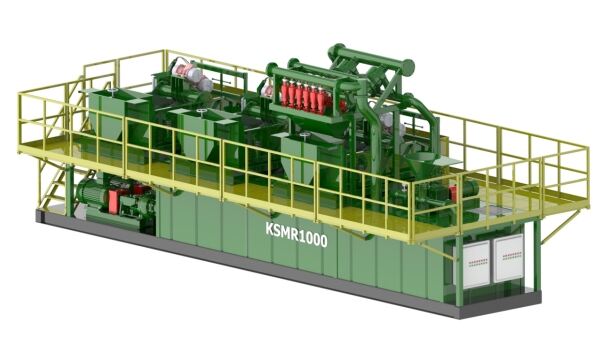
Заключение: Два допълващи се партньора в управлението на суспензии
Обобщавайки, системата за рециклиране на кал при ХДД служи като „структурен стълб” на циркулацията на калта, като решава предизвикателствата, свързани с ефективно възстановяване, гладък трансфер и надеждно съхранение. Междувременно системата за пречистване на кал при ХДД функционира като „основен двигател” за качеството на буровия флуид, осигурявайки пълно премахване на примесите, стабилна производителност и сигурна употребимост.
В действителното строителство двете системи обикновено работят съвместно. Комплексните решения за обработка на Black Rhino Industrial комбинират логистическата оптимизация на системата за рециклиране с технологиите за усъвършенстване на системата за пречистване, като създават затворен цикъл от възстановяване → пречистване → повторна употреба. Това не само осигурява ефективно използване на ресурсите, но и гарантира качеството на строителството и съответствието с екологичните изисквания, което я прави стандартно решение за ХДД проекти.
 EN
EN