При операциите по хоризонтално насочено бурене (HDD) буровата калтa трябва да отвежда пръстните отпадъци, охлажда бурачната глава и стабилизира шахтата по време на целия процес. Ако пясъчната суспензия, генерирана по време на строителството, не се почисти навреме, това пряко ще повлияе на точността на буренето и ефективността на проекта. Rhino Industrial е разработила система за почистване на бурова калтa за този сценарий, с фокус върху „прецизно премахване на примесите и рециклиране“, превръщайки я в ключово подпомагащо оборудване за проекти по хоризонтално насочено бурене.
1. Основни изисквания за почистване на бурова калтa при хоризонтално насочено бурене
Хоризонталното насочено бурене често среща сложни геоложки слоеве, като пясъчни почви и чакълести насипи, където буровата калтa лесно може да се смеси с големи количества отпадъци. Недостатъчното почистване може да доведе до три основни проблема:
Нестабилност на шахтата: Излишното количество пясък намалява способността на калта да удръжва суспензия, което увеличава риска от срутване на шахтата и влияе на изтеглянето на тръбите.
Износване на оборудването: Грубите примеси във вид на частици ускоряват износването на бурилните тръби и бурилните долове, което води до по-високи разходи за поддръжка.
Несъответствие с екологичните изисквания: Непосредственото изхвърляне на замърсената суспензия замърсява почвата и водата по строителния път и нарушава строителните правила.
Затова система за пречистване трябва да отговаря на основните изисквания за „бързо премахване на пясъка, прецизен контрол на качеството и адаптивност към мобилно строителство“.
2. Целева технология за пречистване на системата Rhino
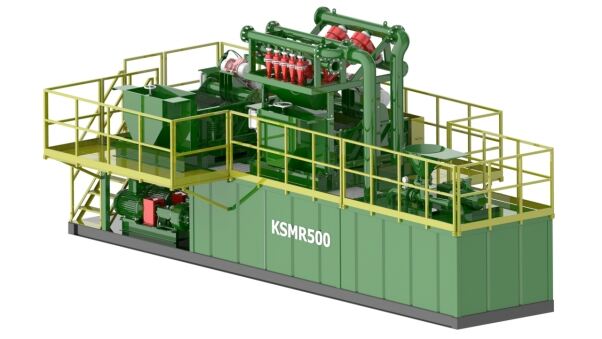
Rhino Industrial е разработила технология за „триетапна прогресивна очистка“ за хоризонтално насочено бурене, адаптирана към различните степени на сложност при пресичане:
1. Бързо улавяне на груби частици: Използване на двойномоторен високочестотен тресер с износоустойчива груба мрежа, която разделя чакъл и големи стружки с размер на частиците 0,5 мм за 10 секунди. Това предотвратява замърсяването и блокирането на последващо оборудване и осигурява непрекъснат транспорт на масата.
2. Дълбоко разделяне на финия пясък: Специална високонапорна пясъчна помпа подава масата в хидроциклон, ефективно разделяйки фин пясък с размер на частиците 0,074–0,5 мм. Ефективността на разделянето достига 98%, а съдържанието на влага в финия остатък е под 30%, което позволява директен транспорт извън площадката и намалява замърсяването от складиране на място.
3. Прецизна филтрация на колоидите: При глинести слоеве уредът за премахване на пясъка е оборудван с ултрафини филтриращи патрони за отделяне на глинести частици и колоидни вещества. Това намалява съдържанието на пясък в масата до <0,5%, възстановява вискозитета и якостта на срязване на масата, осигурява стабилност на шахтата и отговаря на изискванията за дълбоко бурене.
Освен това системата разполага с интелигентен модул за смесване на глина. Чрез автоматично откриване на свойствата на глината чрез PLC, тя точно добавя бентонит и обработващи агенти, осигурявайки стабилна производителност на глината по време на целия процес на пробиване. Модулната конструкция на резервоара позволява бързо демонтиране и транспортиране, отговаряйки на нуждите на отдалечени пробойни площи.
3. Практическа стойност и приложения на терен
В проекти за хоризонтално насочено бурене системата Rhino показва значителна стойност:
Осигуряване на безопасността при строителството: След пречистването съдържанието на пясък в глинестия разтвор е ниско, което подобрява устойчивостта на шахтата с 40% и ефективно предотвратява инциденти като срутване на шахти и заклещване на бурилни колони. В проект за тръбопровод под река системата успешно намали прекъсванията по строителството с два случая, осигурявайки завършване на проекта навреме.
Намаляване на разходите: Скоростта на рециклиране на калта надхвърля 90%, което намалява разходите за закупуване на нова кал с 70%. При проект за дълъг тръбопровод един проект спести над 1,2 милиона юана в разходи за материали за кал, като инвестициите в оборудването се възвърнаха за три месеца.
Адаптиране към сложни сценарии: При пресичания на градски пътища компактната конструкция намалява заетата площ с 50%, минимизирайки въздействието върху движението. При пресичания в планински райони взривозащитени и дъждозащитени конструкции позволяват работа в тежки условия, като процентът на повреди при непрекъсната работа на оборудването е под 2%.
В момента системата Rhino е използвана в над 300 проекта за хоризонтално насочено бурене в цялата страна, обхващайки сектори като газ, водоснабдяване и нефтопроводи. Отзивите на клиентите показват, че ефективността и стабилността на почистването постоянно надминават тези на традиционното оборудване.
Заключение
Почвената очистка при хоризонтално насочено бурене директно определя качеството и ефективността на проекта. Rhino Industrial използва технологични иновации, задвижвани от практически сценарии, за да осигури ефективни и надеждни решения в тази област. В бъдеще Rhino ще оптимизира още повече ефективността и интелигентността на очистката, което ще помогне на проектите за хоризонтално насочено бурене да постигнат триадата „безопасност, опазване на околната среда и икономическа целесъобразност“ и ще допринесе за висококачествено развитие на безтраншейната индустрия.
 EN
EN