 EN
EN
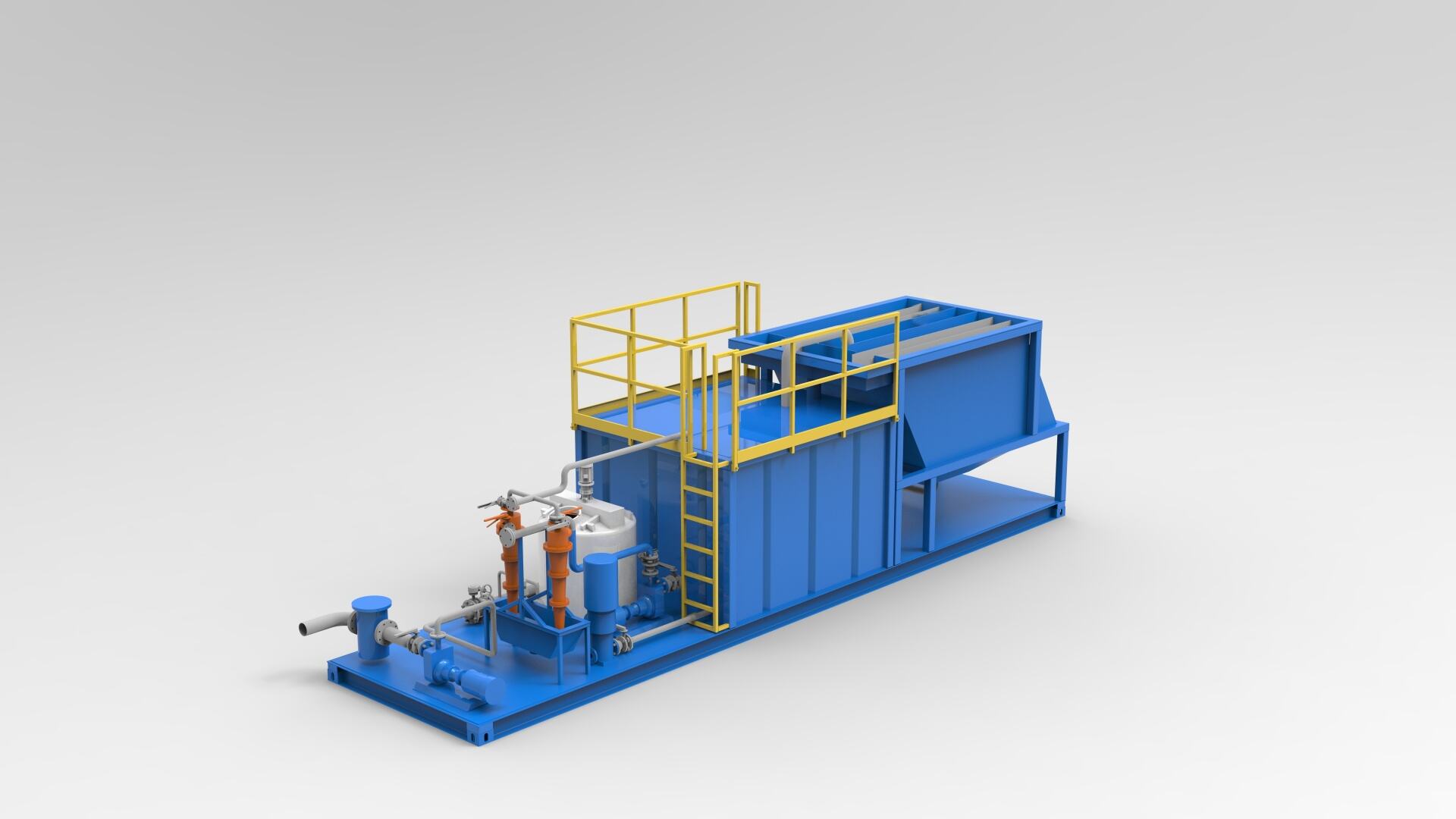
Industrial tank cleaning represents one of the most challenging maintenance tasks across numerous sectors, from petrochemicals to food processing. Traditional manual cleaning methods often expose workers to hazardous environments while consuming excessive time and resources. Modern automated tank cleaning equipment has revolutionized this essential process by introducing sophisticated mechanical systems that deliver consistent, thorough cleaning without human entry into confined spaces.
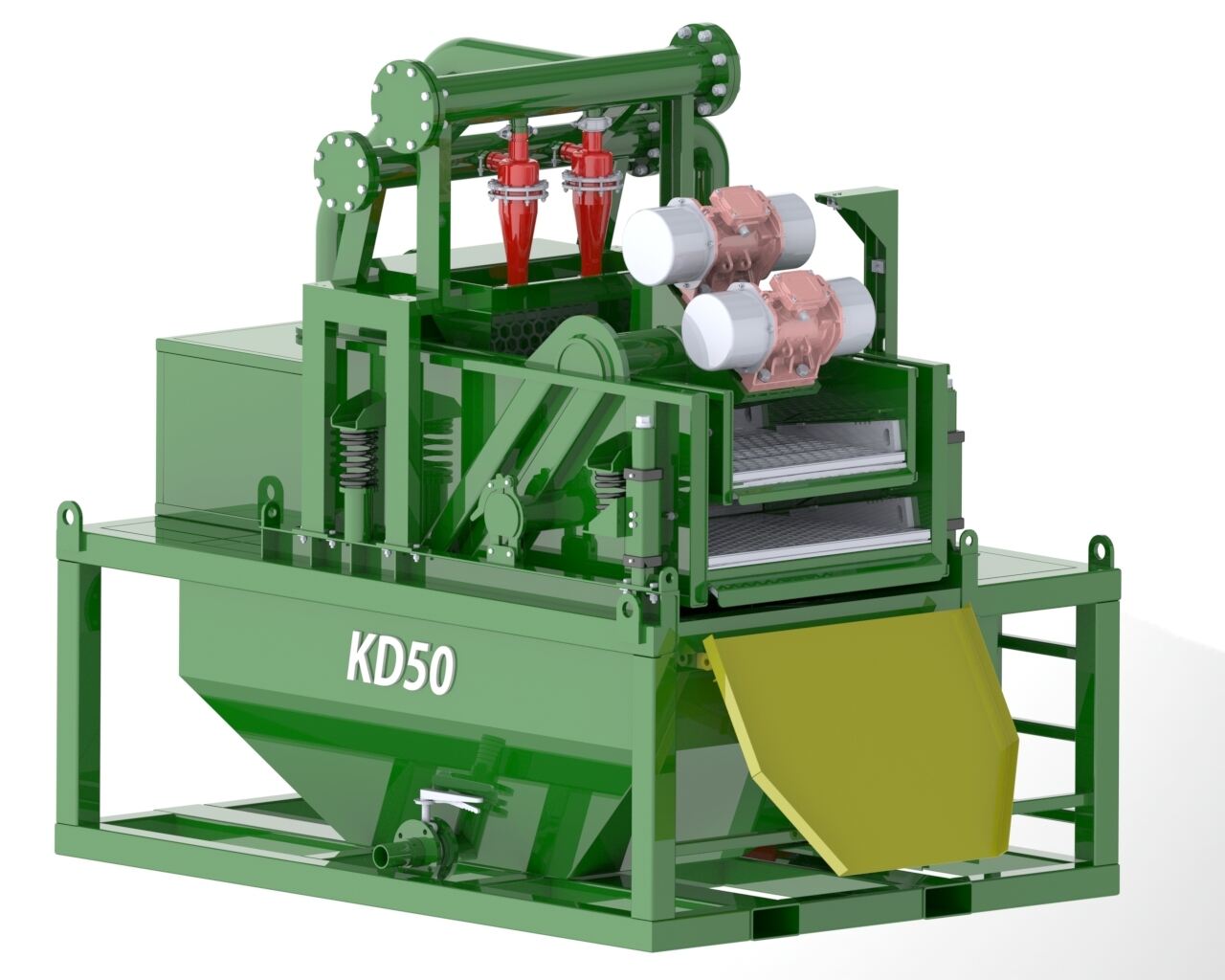
The evolution of tank cleaning technology has transformed from labor-intensive manual scrubbing to precision-engineered automated systems. These advanced machines utilize controlled pressure washing, chemical injection, and mechanical rotation to achieve superior cleaning results. Understanding the operational principles behind automated tank cleaning equipment enables facility managers to make informed decisions about maintenance strategies and equipment investments.
Core Operating Principles of Automated Tank Cleaning Systems
High-Pressure Fluid Dynamics
The foundation of automated tank cleaning equipment lies in precisely controlled high-pressure fluid systems. These machines generate water pressures typically ranging from 500 to 5000 PSI, depending on the application requirements and residue characteristics. The pressure generation occurs through specialized pumps that create consistent flow rates while maintaining optimal pressure levels throughout the cleaning cycle.
Advanced pressure control systems automatically adjust output based on tank geometry and contamination levels. Modern automated tank cleaning equipment incorporates feedback mechanisms that monitor cleaning effectiveness and modify pressure parameters in real-time. This intelligent pressure management ensures thorough cleaning while preventing damage to tank surfaces and internal components.
The fluid delivery system includes precision-engineered nozzles that create specific spray patterns optimized for different tank configurations. These nozzles generate rotating jets, fan sprays, or concentrated streams depending on the cleaning requirements. The strategic placement and movement of these nozzles ensure complete coverage of all interior surfaces.
Mechanical Rotation and Positioning Systems
Sophisticated mechanical drive systems enable automated tank cleaning equipment to achieve comprehensive surface coverage through controlled rotation and positioning. These systems typically employ gear-driven mechanisms or hydraulic actuators that provide precise angular movement and positioning accuracy. The rotation systems operate at variable speeds to optimize cleaning effectiveness for different residue types.
Multi-axis positioning capabilities allow the cleaning heads to reach complex tank geometries including corners, welds, and internal structures. Advanced systems incorporate programmable positioning sequences that can be customized for specific tank configurations. This flexibility ensures that automated tank cleaning equipment adapts to various industrial applications without requiring manual intervention.
The mechanical systems include safety features such as torque limiting and position feedback to prevent equipment damage during operation. These protective mechanisms automatically halt operation if excessive resistance or positioning errors occur, preserving both the cleaning equipment and tank integrity.
Chemical Integration and Dosing Systems
Automated Chemical Injection
Modern automated tank cleaning equipment integrates sophisticated chemical dosing systems that precisely control the introduction of cleaning agents, solvents, and sanitizers. These systems utilize programmable controllers to manage chemical concentrations based on specific cleaning protocols and regulatory requirements. The automated dosing eliminates human error while ensuring consistent chemical application throughout the cleaning process.
The chemical injection systems feature multiple tank configurations allowing simultaneous use of different cleaning agents for complex residue removal. Automated mixing systems ensure proper chemical dilution and distribution before injection into the main cleaning circuit. This precision chemical management optimizes cleaning effectiveness while minimizing chemical waste and environmental impact.
Safety interlocks prevent chemical mixing incompatibilities and ensure proper sequencing of different cleaning agents. The automated tank cleaning equipment monitors chemical levels and automatically alerts operators when refilling becomes necessary, maintaining continuous operation schedules.
pH and Conductivity Monitoring
Integrated monitoring systems continuously track water quality parameters including pH levels, conductivity, and temperature throughout the cleaning process. These measurements provide real-time feedback on cleaning effectiveness and chemical concentration levels. The monitoring data enables automatic adjustments to chemical dosing rates and cleaning parameters.
Advanced systems log monitoring data for regulatory compliance and process optimization analysis. This documentation capability ensures that cleaning procedures meet industry standards and quality requirements. The automated data collection eliminates manual record-keeping while providing comprehensive cleaning cycle documentation.
Alarm systems alert operators to parameter deviations that could compromise cleaning effectiveness or equipment safety. These monitoring capabilities ensure that automated tank cleaning equipment maintains optimal performance throughout extended cleaning cycles.
Control Systems and User Interface Design
Programmable Logic Controllers
The operational control of automated tank cleaning equipment centers around sophisticated programmable logic controllers that manage all system functions. These controllers coordinate pressure systems, mechanical positioning, chemical dosing, and safety monitoring through integrated control algorithms. The programming flexibility allows customization for specific tank cleaning applications and facility requirements.
Advanced controllers feature recipe management systems that store multiple cleaning programs for different tank types and residue characteristics. Operators can select appropriate cleaning protocols through simple interface commands, ensuring consistent cleaning results across multiple cleaning cycles. This program flexibility accommodates diverse industrial applications within single facilities.
Remote monitoring capabilities enable supervisory control and data acquisition from central control rooms. This connectivity allows facility managers to monitor multiple automated tank cleaning equipment units simultaneously while maintaining comprehensive operational oversight.
Human Machine Interface Systems
Intuitive touchscreen interfaces provide operators with comprehensive control over all automated tank cleaning equipment functions. These interfaces display real-time system status, cleaning progress, and diagnostic information through user-friendly graphical displays. The interface design minimizes operator training requirements while maximizing operational efficiency.
Diagnostic capabilities provide detailed troubleshooting information when system malfunctions occur. The interface systems guide operators through systematic problem identification and resolution procedures, reducing downtime and maintenance costs. This diagnostic support ensures that automated tank cleaning equipment maintains high availability rates.
Historical data tracking provides operators with cleaning cycle documentation and performance trend analysis. This information supports preventive maintenance scheduling and operational optimization efforts throughout the equipment lifecycle.
Safety Systems and Environmental Protection
Confined Space Entry Elimination
The primary safety advantage of automated tank cleaning equipment lies in eliminating the need for human entry into confined spaces. These systems perform complete cleaning operations from external positions, removing personnel from hazardous environments including toxic atmospheres, oxygen-deficient spaces, and physical entrapment risks. This safety enhancement significantly reduces workplace accidents and regulatory compliance requirements.
Automated systems include remote monitoring capabilities that provide complete visibility into tank conditions without requiring personnel proximity to hazardous environments. Real-time video monitoring and sensor feedback enable comprehensive cleaning verification from safe operating positions. This remote operation capability ensures that automated tank cleaning equipment maintains safety standards while delivering effective cleaning results.
Emergency shutdown systems automatically halt operations if dangerous conditions develop during cleaning cycles. These safety interlocks protect both personnel and equipment while preventing environmental releases or facility damage.
Waste Stream Management
Integrated waste collection systems capture and contain all cleaning effluents for proper treatment and disposal. These systems prevent environmental contamination while facilitating regulatory compliance with wastewater discharge requirements. The automated collection eliminates manual handling of potentially hazardous waste streams.
Filtration and separation systems enable recycling of cleaning water and recovery of valuable materials from tank residues. This resource recovery capability reduces operational costs while minimizing environmental impact. Advanced automated tank cleaning equipment incorporates multiple separation technologies to maximize recovery efficiency.
Automated documentation systems track waste generation quantities and characteristics for regulatory reporting requirements. This comprehensive record-keeping ensures compliance with environmental regulations while supporting sustainable operational practices.
Maintenance and Operational Efficiency
Predictive Maintenance Systems
Modern automated tank cleaning equipment incorporates predictive maintenance technologies that monitor component condition and performance trends. Vibration analysis, temperature monitoring, and pressure tracking provide early warning of potential equipment failures. This proactive approach minimizes unexpected downtime while optimizing maintenance scheduling.
Automated lubrication systems ensure proper component maintenance while reducing manual maintenance requirements. These systems monitor lubricant levels and automatically schedule replacement intervals based on operating hours and conditions. The automated maintenance capabilities extend equipment life while reducing maintenance costs.
Component wear monitoring provides detailed analysis of critical system elements including pumps, nozzles, and drive mechanisms. This monitoring data supports optimal replacement timing and inventory management for maintenance parts and supplies.
Energy Efficiency Optimization
Variable frequency drive systems optimize energy consumption by adjusting motor speeds based on actual cleaning requirements. These systems reduce power consumption during low-demand cleaning phases while maintaining full capability when maximum cleaning power becomes necessary. The energy optimization features significantly reduce operational costs for automated tank cleaning equipment.
Heat recovery systems capture thermal energy from cleaning processes for preheating incoming water or facility heating applications. This energy recovery capability improves overall system efficiency while reducing facility energy costs. Advanced systems incorporate thermal management algorithms that optimize energy recovery based on operational conditions.
Demand-based operation cycles minimize energy consumption by operating equipment only when actual cleaning requirements exist. Smart scheduling systems coordinate multiple cleaning operations to optimize facility energy usage patterns throughout operational periods.
Industry Applications and Customization
Petrochemical and Refinery Applications
Petrochemical facilities utilize specialized automated tank cleaning equipment designed for hydrocarbon removal and explosive atmosphere operation. These systems incorporate intrinsically safe electrical components and explosion-proof enclosures to ensure safe operation in hazardous environments. The cleaning protocols specifically address crude oil, refined products, and chemical residues common in petrochemical operations.
High-temperature cleaning capabilities enable effective removal of waxy deposits and heavy hydrocarbon residues. The systems maintain elevated water temperatures throughout cleaning cycles while managing thermal expansion and material compatibility requirements. This temperature control ensures effective cleaning of temperature-sensitive residue types.
Specialized chemical compatibility ensures that automated tank cleaning equipment materials resist corrosion from petrochemical products and cleaning agents. The material selection includes corrosion-resistant alloys and specialized coatings that maintain equipment integrity throughout extended service periods.
Food and Beverage Industry Requirements
Food processing applications require automated tank cleaning equipment with sanitary design features including smooth surfaces, drainage capability, and cleanability verification. These systems comply with food safety regulations while providing documentation of cleaning effectiveness through validated cleaning procedures. The sanitary design prevents bacterial growth and cross-contamination between production batches.
Clean-in-place integration allows automated tank cleaning equipment to interface with existing facility CIP systems for comprehensive sanitation protocols. The integration includes automated sequencing of cleaning, rinsing, and sanitizing cycles that meet food safety requirements. This systematic approach ensures consistent sanitation results across multiple production vessels.
Temperature control systems maintain proper cleaning and sanitizing temperatures throughout the entire cleaning cycle. These systems ensure that sanitizing solutions achieve required contact times and temperatures for effective pathogen elimination while protecting temperature-sensitive tank materials and components.
FAQ
What pressure levels do automated tank cleaning systems typically operate at
Automated tank cleaning equipment typically operates within pressure ranges of 500 to 5000 PSI, depending on the specific application requirements and type of residue being removed. Light residues like food products may only require 500-1500 PSI, while heavy industrial deposits such as crude oil sludge or chemical residues may need 3000-5000 PSI for effective removal. The systems include variable pressure control that automatically adjusts output based on cleaning effectiveness feedback and tank material specifications.
How long does a typical automated tank cleaning cycle take to complete
Cleaning cycle duration varies significantly based on tank size, residue type, and cleanliness requirements, typically ranging from 4 to 24 hours for complete cleaning cycles. Small tanks with light residues may complete cleaning in 4-6 hours, while large storage tanks with heavy deposits may require 16-24 hours for thorough cleaning. The automated systems optimize cycle time by adjusting cleaning parameters based on real-time monitoring of cleaning effectiveness, ensuring thorough cleaning without unnecessary time extension.
Can automated tank cleaning equipment handle different types of tank geometries
Modern automated tank cleaning equipment features flexible positioning systems that accommodate various tank geometries including horizontal cylindrical tanks, vertical storage tanks, cone-bottom tanks, and irregularly shaped vessels. The systems include programmable positioning sequences that can be customized for specific tank configurations, ensuring complete surface coverage regardless of tank shape. Multi-axis positioning capabilities enable the cleaning heads to reach complex internal structures, baffles, and difficult-to-access areas within tanks.
What maintenance requirements are involved with automated tank cleaning systems
Automated tank cleaning equipment requires routine maintenance including nozzle inspection and replacement, pump servicing, hydraulic system checks, and control system calibration. Typical maintenance intervals include daily operational checks, weekly lubrication of mechanical components, monthly system calibrations, and annual comprehensive inspections. The systems incorporate predictive maintenance monitoring that alerts operators to potential issues before failures occur, significantly reducing unexpected downtime and maintenance costs while extending equipment service life.
Table of Contents
- Core Operating Principles of Automated Tank Cleaning Systems
- Chemical Integration and Dosing Systems
- Control Systems and User Interface Design
- Safety Systems and Environmental Protection
- Maintenance and Operational Efficiency
- Industry Applications and Customization
-
FAQ
- What pressure levels do automated tank cleaning systems typically operate at
- How long does a typical automated tank cleaning cycle take to complete
- Can automated tank cleaning equipment handle different types of tank geometries
- What maintenance requirements are involved with automated tank cleaning systems