 EN
EN

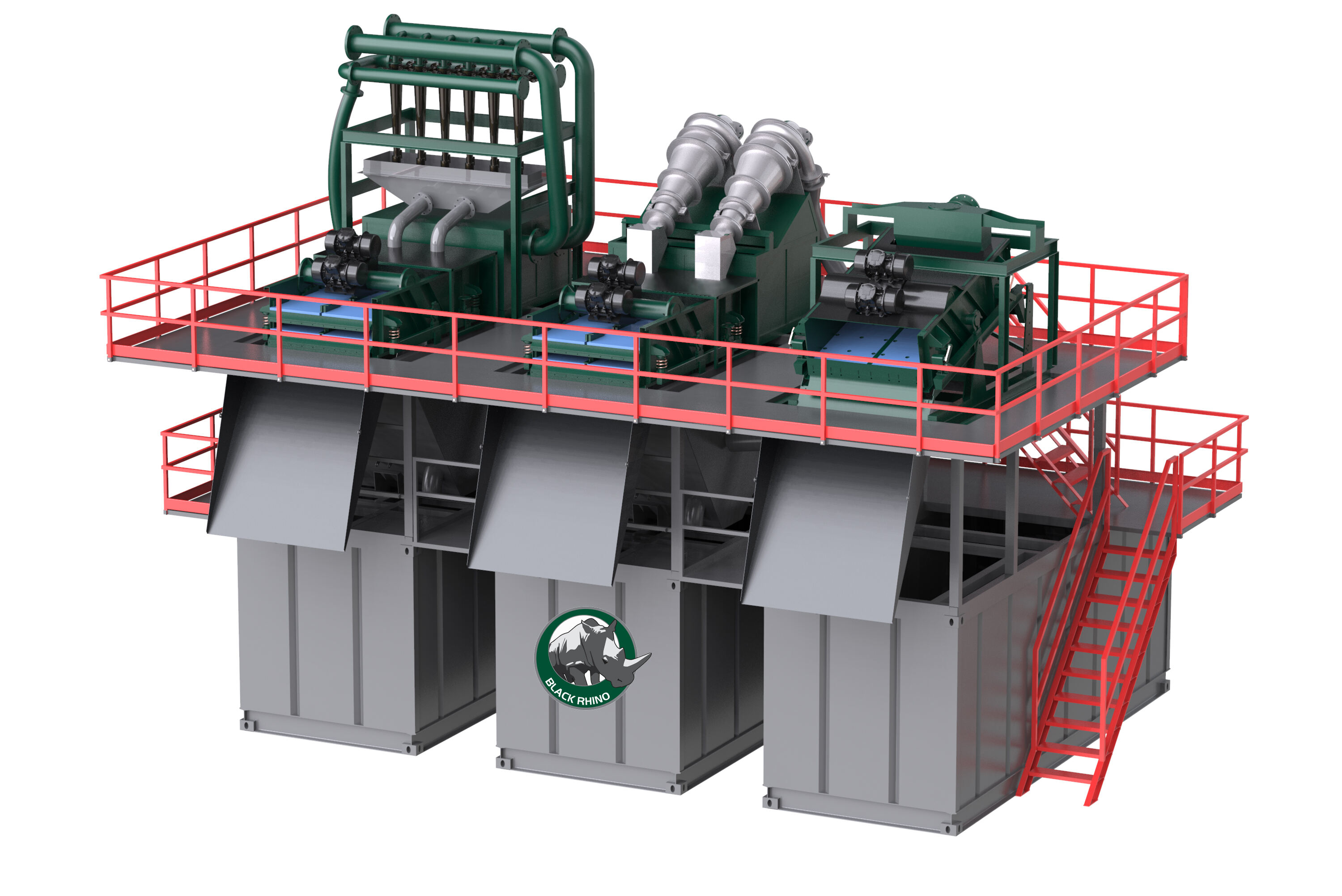
Industrial operations across mining, construction, and manufacturing sectors rely heavily on effective slurry separation processes to maintain operational efficiency and environmental compliance. The selection of appropriate slurry separation equipment represents a critical decision that impacts production costs, waste management, and regulatory adherence. Understanding the fundamental principles and key considerations involved in choosing the right system ensures optimal performance and long-term operational success.
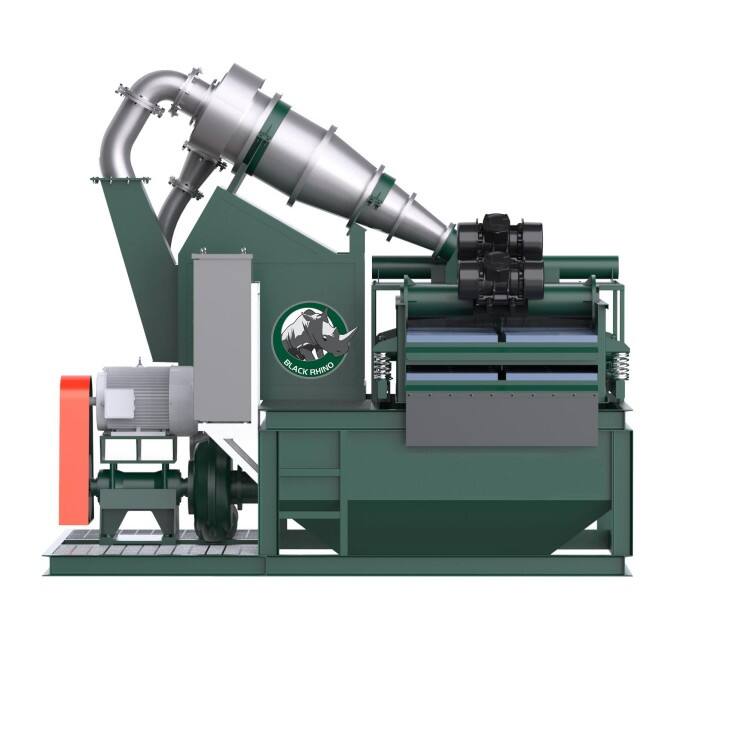
Modern industrial facilities generate substantial volumes of slurry waste containing valuable materials mixed with water and contaminants. Effective slurry separation technology enables recovery of these materials while reducing disposal costs and environmental impact. The complexity of slurry composition varies significantly across industries, requiring tailored separation solutions that address specific particle sizes, densities, and chemical properties.
Understanding Slurry Separation Fundamentals
Particle Size Distribution Analysis
The foundation of effective slurry separation begins with comprehensive particle size distribution analysis. Different separation technologies excel at handling specific particle size ranges, making accurate characterization essential for system selection. Fine particles typically require different separation mechanisms compared to coarse materials, with efficiency rates varying dramatically based on size distribution patterns.
Laboratory analysis reveals critical information about particle behavior, including settling velocities and separation characteristics. This data directly influences equipment sizing, processing capacity, and expected performance outcomes. Professional analysis ensures that the selected slurry separation system matches the specific requirements of your application, preventing costly operational inefficiencies.
Density Characteristics and Material Properties
Material density differences drive many slurry separation processes, with gravity-based systems relying on density variations to achieve effective separation. Understanding the density profile of your slurry components enables accurate prediction of separation efficiency and helps identify potential challenges. Materials with similar densities may require alternative separation approaches or pre-treatment processes.
Chemical compatibility represents another crucial factor affecting system selection and longevity. Corrosive slurries demand specialized materials and protective coatings to ensure reliable operation and minimize maintenance requirements. The interaction between slurry chemistry and equipment materials directly impacts operational costs and system reliability over the equipment lifecycle.
Technology Options and Selection Criteria
Centrifugal Separation Systems
Centrifugal slurry separation technology utilizes rotational forces to enhance natural settling processes, achieving higher separation efficiencies in compact footprints. These systems excel at processing high-volume slurries with consistent particle characteristics, offering excellent dewatering performance and automated operation capabilities. The selection of centrifugal equipment depends on factors including throughput requirements, particle size distribution, and desired moisture content in separated solids.
Modern centrifugal separators incorporate advanced control systems that optimize performance based on real-time slurry characteristics. Variable speed drives and automated discharge mechanisms ensure consistent separation quality while minimizing operator intervention. The technology proves particularly effective for applications requiring high-capacity processing with minimal space requirements.
Gravity-Based Separation Methods
Traditional gravity separation relies on natural settling processes enhanced through strategic equipment design and flow control. These systems offer lower operating costs and reduced complexity compared to mechanical alternatives, making them attractive for applications with suitable particle characteristics. Effective slurry separation using gravity methods requires careful consideration of retention times, flow rates, and settling tank design parameters.
Clarifiers and thickeners represent common gravity-based solutions that accommodate varying slurry compositions and processing volumes. The selection between different gravity separation approaches depends on space availability, processing requirements, and economic considerations. Proper sizing ensures adequate retention time for effective separation while maintaining desired throughput rates.
Performance Optimization and Efficiency Factors
Throughput Requirements and Capacity Planning
Accurate capacity planning ensures that selected slurry separation equipment meets current operational demands while accommodating future growth. Undersized systems create bottlenecks that limit production capacity and may compromise separation quality under peak loading conditions. Conversely, oversized equipment increases capital costs and may operate inefficiently at typical processing volumes.
Peak flow analysis reveals maximum processing demands that equipment must handle without performance degradation. Seasonal variations, production schedule changes, and maintenance shutdowns influence capacity requirements and system design specifications. Professional evaluation of historical processing data provides insight into realistic capacity requirements and helps optimize equipment selection.
Separation Efficiency and Quality Standards
Separation efficiency directly impacts material recovery rates, waste disposal costs, and regulatory compliance. Different slurry separation technologies achieve varying efficiency levels depending on application conditions and operational parameters. Understanding the relationship between efficiency requirements and equipment costs enables informed decision-making that balances performance expectations with budget constraints.
Quality standards for separated materials influence equipment selection and may require specialized processing capabilities. Applications demanding high-purity recovered materials typically require more sophisticated separation technology with enhanced control systems. The economic value of recovered materials often justifies investment in higher-efficiency equipment that maximizes material recovery rates.
Economic Considerations and Cost Analysis
Capital Investment and Operating Expenses
Comprehensive cost analysis encompasses initial equipment investment, installation expenses, and ongoing operational costs throughout the system lifecycle. Slurry separation equipment represents a significant capital investment that requires careful financial planning and performance justification. The selection process must balance upfront costs against long-term operational savings and productivity improvements.
Operating expenses include energy consumption, maintenance requirements, consumable replacement, and labor costs associated with system operation. Energy-efficient slurry separation systems reduce utility costs while environmentally conscious designs minimize waste disposal expenses. Automated operation capabilities reduce labor requirements and improve operational consistency.
Return on Investment Calculations
Material recovery value, waste disposal savings, and productivity improvements contribute to positive return on investment for effective slurry separation systems. Quantifying these benefits requires detailed analysis of current processing costs and projected improvements from new equipment implementation. The economic justification process should consider both direct cost savings and indirect benefits such as improved product quality and reduced environmental liability.
Payback period calculations help evaluate different equipment options and financing approaches. Systems with higher efficiency ratings may justify premium pricing through enhanced material recovery and reduced operating costs. The analysis should account for inflation, maintenance cost escalation, and potential changes in material values over the equipment lifecycle.
Installation and Implementation Considerations
Site Requirements and Infrastructure
Successful slurry separation system implementation requires adequate site preparation and supporting infrastructure. Space requirements vary significantly between different technologies, with some systems demanding substantial footprints while others offer compact designs suitable for constrained facilities. Proper site layout ensures efficient material flow and facilitates maintenance access.
Utility requirements including electrical power, process water, and compressed air must align with available site infrastructure. Inadequate utility capacity creates implementation delays and additional installation costs. The evaluation of existing infrastructure capabilities should occur early in the selection process to identify potential limitations and associated upgrade costs.
Integration with Existing Processes
Seamless integration with existing processing equipment ensures optimal overall system performance and minimizes disruption during implementation. Slurry separation equipment must interface effectively with upstream and downstream processes to maintain production continuity. Compatibility assessment prevents potential bottlenecks and ensures smooth material flow throughout the entire processing chain.
Control system integration enables automated operation and centralized monitoring of the complete processing facility. Modern slurry separation systems offer sophisticated control capabilities that can integrate with existing plant control systems. This integration improves operational efficiency and provides comprehensive performance monitoring across all processing equipment.
Maintenance and Reliability Factors
Preventive Maintenance Requirements
Effective maintenance programs ensure reliable operation and extend equipment lifecycle while minimizing unexpected downtime. Different slurry separation technologies have varying maintenance requirements, with some systems demanding daily attention while others operate reliably with periodic service intervals. Understanding maintenance requirements helps evaluate total ownership costs and operational complexity.
Preventive maintenance scheduling should align with production schedules to minimize operational disruption. Systems with predictable maintenance requirements enable better planning and resource allocation. Access to replacement parts and technical support influences maintenance effectiveness and system reliability over the operational lifecycle.
Reliability and Uptime Considerations
Equipment reliability directly impacts production capacity and operational costs, making it a critical factor in slurry separation system selection. Systems with proven reliability records reduce the risk of unexpected failures and associated production losses. Manufacturer reputation, warranty coverage, and service support quality provide insight into expected reliability performance.
Redundancy options enable continued operation during maintenance periods or equipment failures, ensuring consistent production capacity. Critical applications may justify investment in backup equipment or parallel processing capabilities. The evaluation of reliability requirements should consider the cost of production interruptions and the availability of alternative processing options.
Environmental and Regulatory Compliance
Waste Reduction and Environmental Impact
Modern slurry separation systems contribute significantly to environmental sustainability by reducing waste disposal requirements and enabling material recovery. Effective separation minimizes the volume of materials requiring disposal while recovering valuable resources for reuse or resale. This approach aligns with corporate sustainability goals and reduces long-term environmental liability.
Water recovery capabilities integrated into advanced slurry separation systems reduce freshwater consumption and wastewater discharge volumes. Closed-loop processing systems maximize resource utilization while minimizing environmental impact. The implementation of water recycling capabilities often provides both environmental and economic benefits through reduced utility costs.
Regulatory Compliance and Permitting
Compliance with environmental regulations influences equipment selection and operational procedures for slurry separation systems. Discharge limits, air quality standards, and waste management requirements affect system design and performance specifications. Understanding applicable regulations ensures that selected equipment meets all compliance requirements without compromising operational efficiency.
Permitting requirements may influence equipment selection and installation timelines, making regulatory analysis an important component of the selection process. Some slurry separation technologies may require specific permits or environmental assessments before implementation. Early engagement with regulatory agencies can identify potential requirements and prevent implementation delays.
FAQ
What factors determine slurry separation efficiency?
Slurry separation efficiency depends primarily on particle size distribution, density differences between materials, throughput rates, and equipment design characteristics. The chemical composition of the slurry affects separation mechanisms, while operational parameters such as retention time and flow rates influence overall performance. Proper equipment sizing and optimization of operational conditions maximize separation efficiency for specific applications.
How do I calculate the required capacity for a slurry separation system?
Capacity calculation requires analysis of peak flow rates, average processing volumes, and operational schedule patterns. Consider seasonal variations, production schedule changes, and maintenance requirements when determining capacity needs. Professional evaluation of historical processing data provides accurate capacity requirements, while future expansion plans may justify additional capacity to accommodate growth without system replacement.
What maintenance requirements should I expect with different separation technologies?
Maintenance requirements vary significantly between slurry separation technologies, with centrifugal systems typically requiring more frequent service compared to gravity-based alternatives. Preventive maintenance includes regular inspection, component replacement, and performance monitoring. Systems processing abrasive materials may require more frequent maintenance, while corrosive slurries demand specialized materials and protective measures to ensure reliable operation.
How do environmental regulations affect slurry separation system selection?
Environmental regulations influence equipment selection through discharge limits, waste management requirements, and air quality standards. Compliance requirements may mandate specific separation efficiency levels or restrict certain discharge characteristics. Some applications require closed-loop systems to eliminate discharge, while others must meet specific water quality standards for process water reuse or environmental discharge.
Table of Contents
- Understanding Slurry Separation Fundamentals
- Technology Options and Selection Criteria
- Performance Optimization and Efficiency Factors
- Economic Considerations and Cost Analysis
- Installation and Implementation Considerations
- Maintenance and Reliability Factors
- Environmental and Regulatory Compliance
- FAQ