 EN
EN

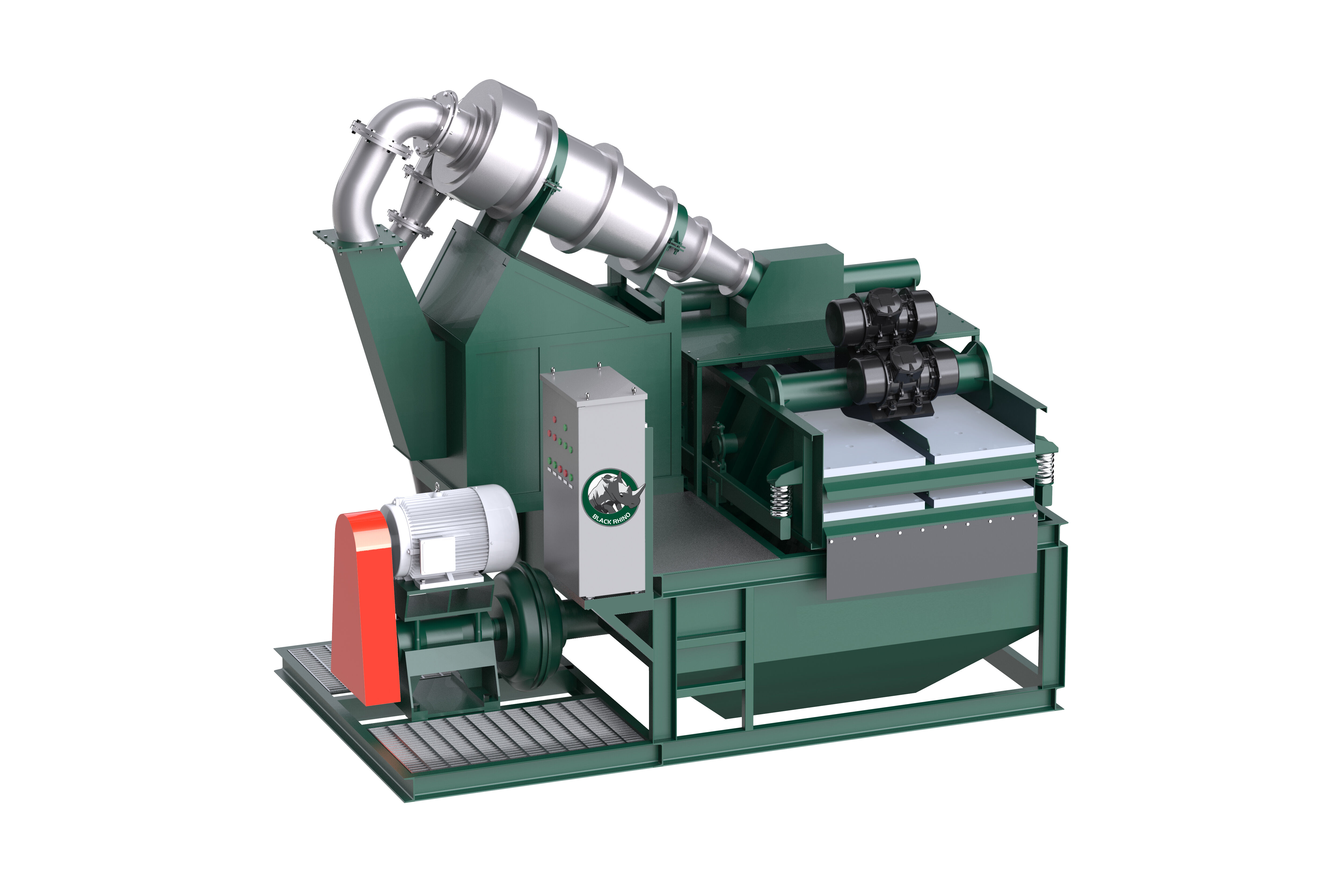
Construction projects across the globe generate enormous volumes of slurry waste that pose significant environmental and operational challenges. Understanding the fundamentals of slurry separation has become crucial for contractors, engineers, and project managers seeking sustainable solutions for waste management. This specialized process involves the mechanical separation of solid particles from liquid components in construction slurries, enabling the recovery of valuable materials while ensuring compliance with environmental regulations.
The construction industry generates millions of gallons of slurry daily through various operations including drilling, cutting, and excavation activities. Without proper slurry separation techniques, these materials often end up in landfills or require costly disposal methods that burden both budgets and the environment. Modern separation technologies have revolutionized how construction companies approach waste management, transforming what was once considered unusable waste into recoverable resources.
Effective slurry separation systems provide construction teams with immediate benefits including reduced disposal costs, enhanced site productivity, and improved environmental compliance. These systems utilize advanced filtration and centrifugal technologies to achieve separation efficiencies that exceed traditional settling methods. The implementation of proper separation protocols has proven essential for maintaining project timelines while meeting increasingly stringent environmental standards.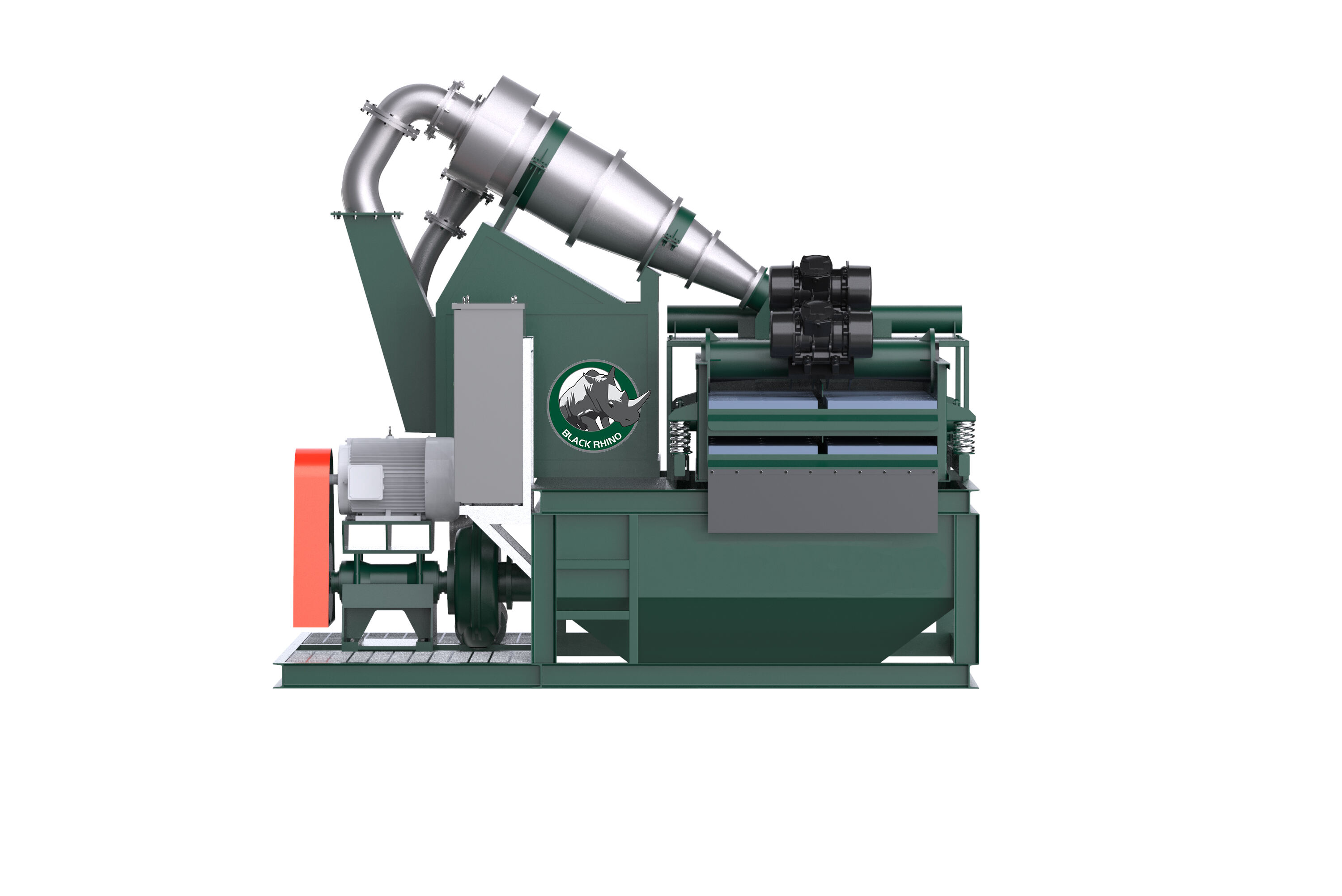
Understanding the Fundamentals of Slurry Separation Technology
Physical Properties and Composition Analysis
Construction slurries typically consist of water mixed with various solid particles ranging from fine clay particles to coarse aggregate materials. The effectiveness of slurry separation depends heavily on understanding the physical properties of these components, including particle size distribution, density differences, and chemical composition. Advanced separation systems analyze these characteristics to optimize separation parameters and maximize recovery rates.
The particle size distribution in construction slurries varies significantly depending on the source material and construction activity. Fine particles below 10 microns present the greatest separation challenges, requiring specialized equipment and techniques to achieve effective removal. Larger particles generally separate more easily through gravity-based methods, while intermediate-sized particles may require enhanced separation technologies.
Density differences between solid particles and the carrier liquid provide the fundamental driving force for most slurry separation processes. Understanding these density relationships enables engineers to select appropriate separation equipment and optimize operating parameters for maximum efficiency. The specific gravity of construction materials typically ranges from 2.0 to 3.5, creating sufficient density differential for effective mechanical separation.
Mechanical Separation Principles
Modern slurry separation systems employ multiple mechanical principles to achieve effective solid-liquid separation. Gravitational settling remains the most fundamental mechanism, where heavier solid particles settle to the bottom of settling tanks or clarifiers under the influence of gravity. Enhanced settling techniques incorporate lamella plates or tube settlers to increase effective settling area and improve separation efficiency.
Centrifugal separation represents a more advanced approach, utilizing centrifugal forces to accelerate the separation process beyond what gravity alone can achieve. Hydrocyclones and centrifuges generate forces hundreds of times greater than gravity, enabling rapid separation of fine particles that would otherwise remain suspended for extended periods. These systems prove particularly effective for processing high-volume slurry streams with consistent particle characteristics.
Filtration techniques complement gravitational and centrifugal methods by providing additional separation refinement. Pressure filtration, vacuum filtration, and membrane technologies offer varying degrees of separation effectiveness depending on particle size and slurry characteristics. Combined separation approaches often yield superior results compared to single-technology solutions.
Industrial Applications and Construction Use Cases
Drilling and Excavation Operations
Foundation drilling operations generate substantial volumes of slurry containing drilling mud, soil particles, and water that require immediate processing to maintain operational efficiency. Effective slurry separation in these applications enables the recovery of expensive drilling fluids while producing clean water suitable for reuse or discharge. The recovered solids often contain valuable materials that can be processed for beneficial reuse in other construction applications.
Excavation activities in urban environments particularly benefit from on-site slurry separation systems that minimize the need for off-site disposal. These systems process excavation slurries in real-time, allowing construction crews to maintain project momentum while addressing waste management requirements. The ability to separate and dewater excavated materials on-site significantly reduces transportation costs and environmental impact.
Tunneling operations present unique challenges for slurry separation due to the continuous nature of excavation and the need for immediate processing of large volumes of material. Tunnel boring machines generate slurries containing various soil types, rock fragments, and conditioning agents that require specialized separation techniques. Advanced slurry separation systems designed for tunneling applications incorporate high-capacity processing equipment capable of handling variable feed conditions.
Concrete and Masonry Applications
Concrete cutting and core drilling operations produce slurries containing cement particles, aggregate materials, and cutting debris mixed with cooling water. These slurries require careful separation to recover valuable aggregate materials while producing clarified water suitable for discharge or reuse. The recovered aggregate often meets specifications for use in new concrete mixes, creating a circular economy approach to material management.
Masonry restoration and cleaning projects generate slurries containing historic building materials that may require special handling due to potential contamination or preservation requirements. Slurry separation in these applications must account for the unique characteristics of aged materials while ensuring proper segregation of different material types. Advanced separation systems provide the flexibility needed to handle variable feed conditions common in restoration work.
Ready-mix concrete operations benefit from slurry separation systems that process wash water and return materials from concrete trucks and equipment cleaning. These systems recover usable aggregate and produce clean water for reuse in concrete production, reducing both raw material consumption and wastewater generation. The economic benefits of material recovery often justify the investment in separation equipment within the first year of operation.
Environmental Benefits and Sustainability Impact
Waste Reduction and Resource Recovery
Implementation of effective slurry separation systems dramatically reduces the volume of waste materials requiring off-site disposal, often achieving waste reduction rates exceeding 80 percent. This reduction directly translates to lower landfill disposal costs and reduced environmental impact from transportation activities. The recovered materials often find beneficial reuse applications, further enhancing the environmental benefits of separation technologies.
Resource recovery through slurry separation enables construction companies to reduce their dependence on virgin raw materials while creating value from what was previously considered waste. Sand and aggregate recovery from construction slurries provides high-quality materials suitable for use in new construction projects. The economic value of recovered materials often offsets the operating costs of separation systems, creating positive cash flow from waste management operations.
Water recovery represents another significant environmental benefit of slurry separation systems, with modern equipment capable of producing clean water suitable for reuse in construction operations or discharge to municipal systems. This water recovery reduces demand on freshwater resources while minimizing wastewater generation. Advanced treatment capabilities enable compliance with increasingly stringent discharge requirements without compromising operational efficiency.
Regulatory Compliance and Risk Management
Environmental regulations governing construction waste disposal continue to become more stringent, making effective slurry separation essential for maintaining regulatory compliance. Modern separation systems provide documented proof of waste treatment and material recovery, supporting permit applications and regulatory reporting requirements. The ability to demonstrate environmental stewardship through effective waste management often provides competitive advantages in bidding processes.
Risk management benefits of slurry separation extend beyond regulatory compliance to include protection against potential environmental liability and cleanup costs. Proper treatment and disposal of construction slurries prevent contamination incidents that could result in significant financial penalties and remediation expenses. Investment in separation technology represents proactive risk management that protects both the environment and company assets.
Long-term sustainability initiatives benefit significantly from the implementation of comprehensive slurry separation programs that demonstrate corporate commitment to environmental responsibility. These programs support green building certifications and sustainable construction practices that increasingly influence project selection and company reputation. The measurable environmental benefits of separation systems provide concrete evidence of sustainability achievements.
Equipment Selection and System Design Considerations
Capacity Planning and Performance Requirements
Selecting appropriate slurry separation equipment requires careful analysis of expected slurry volumes, particle characteristics, and desired separation efficiency. Capacity planning must account for peak production periods and variations in slurry properties that could affect system performance. Oversized equipment may result in unnecessary capital expense, while undersized systems can create operational bottlenecks that impact project schedules.
Performance requirements for slurry separation systems vary significantly depending on the intended use of recovered materials and discharge requirements for clarified water. High-value applications may require separation efficiencies exceeding 95 percent, while other applications may accept lower efficiency levels in exchange for reduced capital costs. Understanding these requirements early in the design process ensures optimal equipment selection and system configuration.
Operational flexibility represents an important consideration in equipment selection, as construction projects often encounter varying slurry conditions that require system adjustments. Modular equipment designs provide the flexibility needed to handle changing requirements while minimizing downtime for maintenance and modifications. Advanced control systems enable automatic adjustment of operating parameters to maintain optimal separation performance across varying feed conditions.
Technology Integration and Automation Features
Modern slurry separation systems incorporate advanced automation features that minimize manual intervention while optimizing separation performance. Automated monitoring systems track key performance indicators including flow rates, separation efficiency, and equipment status to ensure consistent operation. These systems provide early warning of potential problems and enable proactive maintenance scheduling to maximize equipment availability.
Integration capabilities enable slurry separation systems to interface with existing construction equipment and site management systems for seamless operation. Remote monitoring capabilities allow off-site oversight of system performance and provide real-time data for project management decision-making. Advanced systems incorporate predictive maintenance features that optimize maintenance scheduling and reduce unexpected downtime.
Data collection and reporting features provide valuable insights into separation system performance and material recovery rates that support project documentation and environmental reporting requirements. Automated reporting capabilities generate compliance documentation and performance summaries that streamline administrative tasks. Historical data analysis enables continuous improvement of separation processes and optimization of operating parameters.
Economic Analysis and Cost-Benefit Evaluation
Capital Investment and Operating Costs
Capital investment requirements for slurry separation systems vary widely depending on processing capacity, technology selection, and performance requirements. Basic gravity separation systems may require minimal capital investment, while advanced centrifugal separation systems represent more significant capital commitments. Proper economic analysis must consider both initial capital costs and long-term operating expenses to determine total cost of ownership.
Operating costs for slurry separation systems include energy consumption, maintenance expenses, consumable materials, and labor requirements. Energy-efficient designs minimize operational costs while maintaining separation performance, often providing significant savings over the system lifetime. Maintenance requirements vary significantly between different separation technologies, with some systems requiring frequent component replacement while others operate for extended periods with minimal intervention.
Life cycle cost analysis provides the most accurate method for evaluating the economic benefits of slurry separation investments. This analysis considers all costs and benefits over the expected equipment lifetime, including capital costs, operating expenses, material recovery value, and disposal cost savings. Proper analysis often reveals that separation systems provide positive return on investment within two to three years of operation.
Revenue Generation and Cost Savings
Revenue generation opportunities from slurry separation include the sale of recovered materials, reduced disposal fees, and potential tax incentives for environmental compliance. High-quality recovered aggregate often commands premium prices compared to disposal costs, creating positive cash flow from waste management operations. Additional revenue opportunities may include processing slurries from other construction projects on a fee-for-service basis.
Cost savings from slurry separation extend beyond direct disposal fee reductions to include transportation savings, reduced raw material purchases, and avoided regulatory penalties. Transportation cost savings can be particularly significant for projects located far from disposal facilities or in areas with limited disposal capacity. The elimination of off-site disposal also reduces project scheduling risks and dependencies on external service providers.
Long-term cost benefits include protection against escalating disposal costs and increasing regulatory requirements that may impose additional compliance expenses. Investment in separation technology provides protection against future cost increases while ensuring continued regulatory compliance. The ability to demonstrate environmental compliance through separation technology may also provide competitive advantages in project bidding and customer relations.
FAQ
What types of construction projects benefit most from slurry separation systems?
Large-scale construction projects involving significant drilling, excavation, or concrete work benefit most from slurry separation systems. Projects in urban areas with limited disposal options and high transportation costs see particularly strong economic benefits. Infrastructure projects such as tunneling, foundation work, and utility installation generate consistent slurry volumes that justify separation system investments. Additionally, projects with strict environmental requirements or those seeking green building certifications find separation systems essential for meeting sustainability goals.
How do I determine the appropriate separation system capacity for my project?
Capacity determination requires analysis of expected daily slurry generation rates, peak production periods, and desired processing timeframes. Start by estimating hourly slurry production during peak operations, then add a safety factor of 20-30 percent to account for variations and ensure adequate capacity. Consider the need for temporary storage if slurry generation exceeds continuous processing capacity. Consult with equipment manufacturers who can provide sizing calculations based on your specific project parameters and performance requirements.
What maintenance requirements should I expect with slurry separation equipment?
Maintenance requirements vary significantly depending on the separation technology selected and operating conditions. Basic gravity separation systems require minimal maintenance, primarily involving periodic cleaning of settling tanks and replacement of wear parts. More complex systems with pumps, centrifuges, or advanced filtration require regular inspection, lubrication, and component replacement. Preventive maintenance programs typically involve daily visual inspections, weekly performance monitoring, and scheduled maintenance activities ranging from monthly to annual intervals depending on the specific equipment.
Can recovered materials from slurry separation meet quality standards for reuse in construction?
Yes, properly operated slurry separation systems can produce recovered materials that meet or exceed quality standards for construction reuse. Sand and aggregate recovered from construction slurries often achieve cleanliness and gradation specifications suitable for concrete production, road base, and other applications. The key is selecting appropriate separation equipment and operating parameters that achieve the required separation efficiency and material cleanliness. Quality testing of recovered materials ensures compliance with applicable standards and provides documentation for material certification and customer acceptance.
Table of Contents
- Understanding the Fundamentals of Slurry Separation Technology
- Industrial Applications and Construction Use Cases
- Environmental Benefits and Sustainability Impact
- Equipment Selection and System Design Considerations
- Economic Analysis and Cost-Benefit Evaluation
-
FAQ
- What types of construction projects benefit most from slurry separation systems?
- How do I determine the appropriate separation system capacity for my project?
- What maintenance requirements should I expect with slurry separation equipment?
- Can recovered materials from slurry separation meet quality standards for reuse in construction?