 EN
EN

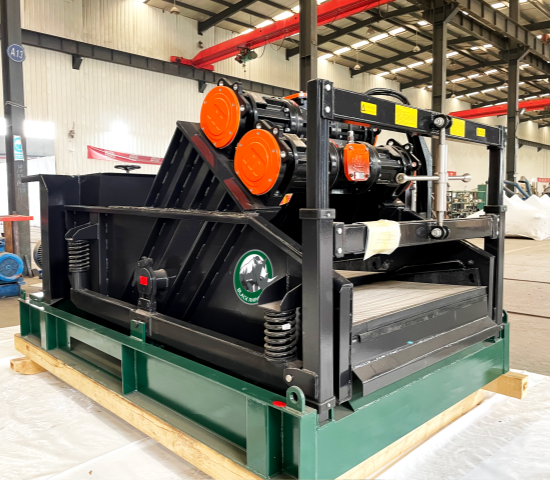
Industrial processes across multiple sectors generate various types of slurries that require effective separation techniques to recover valuable materials and manage waste efficiently. The role of centrifuges in slurry separation has become increasingly critical as industries seek more reliable and cost-effective methods to handle complex mixtures of solids and liquids. Modern centrifugal technology offers superior performance compared to traditional separation methods, delivering consistent results while reducing operational costs and environmental impact.
Understanding Centrifugal Separation Technology
Fundamental Principles of Centrifugal Force
Centrifugal separation operates on the principle of applying rotational force to create artificial gravity that exceeds normal gravitational pull by several thousand times. This enhanced gravitational field accelerates the natural settling process of particles suspended in liquid media, enabling rapid and efficient slurry separation. The centrifugal force generated depends on the rotational speed and radius of the equipment, with higher speeds producing stronger separation forces that can handle finer particles and more challenging separation tasks.
The effectiveness of centrifugal slurry separation relies on the density difference between the solid particles and the liquid phase. Heavier particles migrate toward the outer wall of the rotating chamber, while lighter liquids remain closer to the center. This differential movement creates distinct layers that can be continuously removed through specially designed discharge systems, ensuring consistent separation performance throughout extended operating periods.
Types of Centrifugal Equipment for Slurry Processing
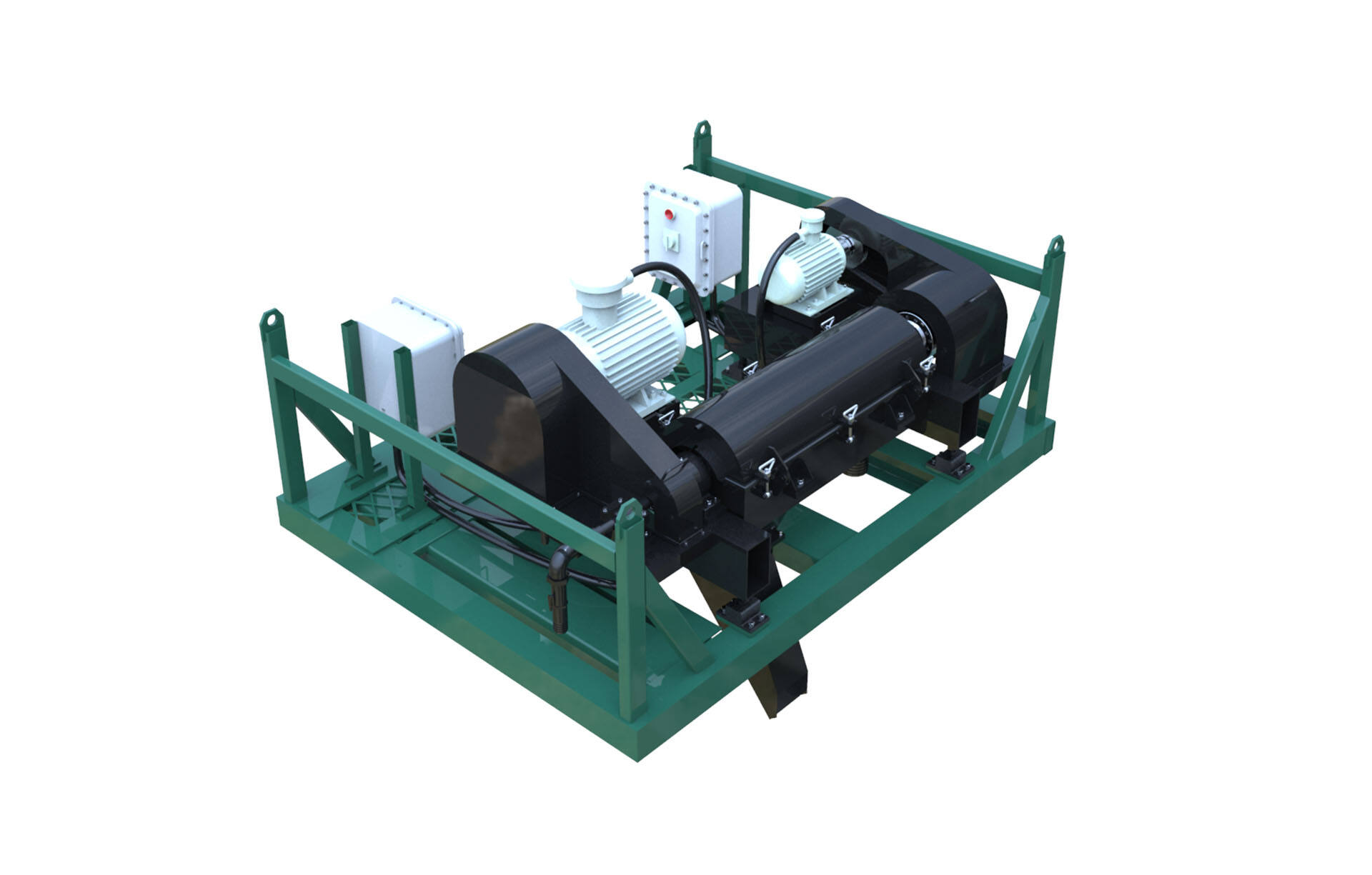
Decanter centrifuges represent the most versatile and widely used equipment for continuous slurry separation applications. These machines feature a horizontal bowl design with an internal screw conveyor that simultaneously separates and transports solids while clarifying the liquid phase. The dual functionality makes decanter centrifuges particularly effective for processing high-volume slurries with varying solids concentrations and particle size distributions.
Disc stack centrifuges offer superior performance for slurry separation applications requiring exceptional clarity in the liquid phase. The series of conical discs creates multiple settling surfaces that dramatically reduce the settling distance for particles, enabling effective separation of very fine solids. This design proves especially valuable in applications where product purity and liquid clarity are critical quality parameters that directly impact downstream processes.
Industrial Applications and Performance Benefits
Mining and Mineral Processing Operations
The mining industry relies heavily on centrifugal technology for slurry separation in various processing stages, from initial ore concentration to final tailings management. Centrifuges effectively separate valuable minerals from gangue materials, enabling higher recovery rates and improved concentrate grades. The ability to handle abrasive materials and maintain consistent performance under harsh operating conditions makes centrifugal equipment essential for modern mining operations seeking to maximize resource recovery while minimizing environmental impact.
Coal preparation facilities utilize slurry separation technology to remove impurities and improve fuel quality. Centrifuges effectively separate fine coal particles from clay, shale, and other contaminants that would otherwise reduce the heating value and increase emissions during combustion. The continuous operation capability ensures high throughput processing that meets the demanding production requirements of modern coal preparation plants.
Wastewater Treatment and Environmental Remediation
Municipal and industrial wastewater treatment facilities depend on centrifugal slurry separation to remove suspended solids and concentrate sludge for further processing or disposal. The technology enables efficient dewatering of biological sludge, chemical precipitates, and other suspended materials while producing clarified water that meets discharge standards. Advanced control systems allow operators to optimize separation parameters for different waste streams, ensuring consistent treatment performance across varying influent conditions.
Environmental remediation projects frequently employ centrifugal technology for slurry separation during soil washing and groundwater treatment operations. The equipment effectively separates contaminated particles from clean soil and water, enabling the recovery of valuable materials while concentrating contaminants for specialized treatment or disposal. This approach significantly reduces the volume of contaminated material requiring costly treatment while accelerating site cleanup timelines.
Operational Advantages and Economic Benefits
Enhanced Separation Efficiency and Product Quality
Modern centrifugal equipment delivers superior separation efficiency compared to gravity-based methods, achieving higher solids recovery rates and cleaner liquid phases. The controlled separation environment eliminates many variables that affect traditional settling processes, such as temperature fluctuations, chemical interference, and residence time limitations. This consistency translates into improved product quality and reduced variability in downstream processes that depend on consistent feed material characteristics.
The ability to adjust operational parameters allows operators to optimize slurry separation performance for specific material characteristics and processing requirements. Variable bowl speed, differential speed control, and discharge rate adjustment enable fine-tuning of separation results to achieve target specifications while maintaining high throughput rates. This flexibility proves particularly valuable when processing slurries with changing composition or when switching between different product grades.
Reduced Operating Costs and Maintenance Requirements
Continuous operation capability significantly reduces labor requirements and eliminates the periodic cleaning cycles associated with batch separation methods. Automated control systems monitor key performance parameters and make real-time adjustments to maintain optimal slurry separation conditions without operator intervention. This automation reduces staffing requirements while improving process reliability and consistency throughout extended operating periods.
Modern centrifuge designs incorporate wear-resistant materials and advanced sealing systems that extend component life and reduce maintenance frequency. Predictive maintenance capabilities allow operators to schedule service activities based on actual equipment condition rather than arbitrary time intervals, minimizing unplanned downtime and reducing spare parts inventory requirements. These features contribute to lower total cost of ownership while maintaining high availability for critical production processes.
Technology Selection and Process Optimization
Matching Equipment Capabilities to Application Requirements
Successful slurry separation requires careful analysis of material properties, processing objectives, and operational constraints to select appropriate centrifugal technology. Particle size distribution, density differential, liquid viscosity, and chemical compatibility all influence equipment selection and operating parameter optimization. Pilot testing with representative samples provides valuable data for equipment sizing and performance prediction before full-scale implementation.
Feed rate capacity, solids handling capability, and discharge moisture content requirements determine the size and configuration of centrifugal equipment needed for specific slurry separation applications. Proper equipment sizing ensures adequate residence time for effective separation while maintaining economical throughput rates. Oversizing equipment increases capital and operating costs, while undersizing compromises separation performance and may require parallel units to achieve target capacity.
Integration with Existing Process Systems
Effective implementation of centrifugal slurry separation technology requires careful consideration of upstream and downstream process compatibility. Feed preparation systems must deliver consistent flow rates and solids concentrations to optimize centrifuge performance, while discharge handling equipment must accommodate the concentrated solids and clarified liquid streams. Proper integration minimizes process bottlenecks and ensures smooth operation throughout the entire processing system.
Control system integration enables coordinated operation of centrifugal equipment with other process components, optimizing overall system performance while maintaining safe operating conditions. Advanced process control strategies can automatically adjust separation parameters based on feed characteristics and product specifications, reducing operator workload while improving process consistency. This integration capability becomes increasingly important as facilities adopt Industry 4.0 technologies and data-driven optimization approaches.
Future Developments and Industry Trends
Advanced Materials and Design Innovations
Ongoing research into advanced materials and manufacturing techniques continues to improve centrifugal equipment performance and durability for demanding slurry separation applications. Ceramic and composite materials offer superior wear resistance compared to traditional metallic components, extending service life in abrasive environments while maintaining precise clearances critical for optimal separation performance. These materials also provide improved chemical resistance, expanding the range of applications where centrifugal technology can be effectively deployed.
Design optimization using computational fluid dynamics and advanced modeling techniques enables more efficient bowl geometries and improved flow patterns that enhance separation effectiveness while reducing energy consumption. These innovations result in more compact equipment designs that deliver equivalent or superior performance compared to larger conventional units, reducing installation footprint and capital costs while improving accessibility for maintenance activities.
Digitalization and Smart Manufacturing Integration
The integration of digital technologies and artificial intelligence is transforming how centrifugal slurry separation equipment operates and is maintained in modern industrial facilities. Sensor networks continuously monitor equipment condition and process performance, enabling predictive maintenance strategies that minimize unplanned downtime while optimizing component replacement schedules. Machine learning algorithms analyze historical performance data to identify optimization opportunities and predict potential issues before they impact production.
Remote monitoring capabilities allow specialists to provide technical support and troubleshooting assistance regardless of geographic location, reducing response times and improving problem resolution effectiveness. Cloud-based data platforms enable comparative analysis across multiple installations, identifying best practices and optimization strategies that can be shared across entire facility networks. These digital capabilities are becoming essential for maintaining competitive advantage in increasingly demanding industrial markets.
FAQ
How does centrifuge speed affect slurry separation performance?
Centrifuge speed directly impacts the gravitational force applied to slurry particles, with higher speeds generating stronger separation forces that can handle finer particles and achieve better liquid clarity. However, excessive speed can cause particle breakage or create turbulence that reduces separation efficiency. Optimal speed depends on particle characteristics, density differences, and desired separation outcomes, requiring careful optimization for each specific application.
What maintenance considerations are important for centrifugal slurry separation equipment?
Regular inspection of wear components, bearing condition, and sealing systems helps prevent unexpected failures and maintains optimal separation performance. Lubrication schedules, vibration monitoring, and periodic alignment checks ensure reliable operation throughout extended service periods. Proper maintenance also includes monitoring discharge quality to detect performance degradation before it significantly impacts process results or equipment reliability.
Can centrifuges handle varying slurry concentrations effectively?
Modern centrifugal equipment incorporates variable speed drives and adjustable discharge systems that accommodate significant variations in feed concentration while maintaining consistent separation performance. Automated control systems can adjust operational parameters in response to changing feed conditions, ensuring optimal results across a wide range of slurry characteristics without manual intervention.
What are the key factors for successful centrifuge installation and startup?
Proper foundation design, precise alignment, and adequate utility connections are essential for successful centrifuge installation and long-term reliability. Comprehensive commissioning procedures include performance verification testing, operator training, and documentation of optimal operating parameters for the specific slurry separation application. Early involvement of experienced technical support ensures smooth startup and helps identify any adjustments needed to achieve target performance levels.