 EN
EN

The oil and gas industry faces mounting pressure to reduce operational costs while maintaining environmental compliance standards. Drilling fluid waste management represents a significant expense category that directly impacts project profitability and regulatory adherence. Modern drilling operations generate substantial volumes of contaminated cuttings that require proper treatment before disposal or reuse. Understanding cost-effective treatment methods can dramatically improve operational efficiency and reduce overall project expenses.
Effective waste treatment strategies encompass multiple technological approaches, from mechanical separation to thermal processing. Each method offers distinct advantages depending on waste composition, regulatory requirements, and available infrastructure. Companies implementing comprehensive waste management programs typically achieve cost reductions of twenty to forty percent compared to traditional disposal methods. The key lies in selecting appropriate treatment technologies that maximize resource recovery while minimizing operational overhead.
Understanding Drilling Fluid Waste Composition
Types of Drilling Fluid Contaminants
Drilling operations produce various waste streams containing different contaminant profiles. Water-based mud systems generate cuttings with relatively low hydrocarbon content, making them easier to treat through conventional separation methods. Oil-based mud systems create more complex waste streams requiring specialized treatment approaches. Understanding contaminant characteristics helps operators select optimal treatment technologies and predict processing costs accurately.
Heavy metals, dissolved salts, and synthetic additives further complicate waste composition. These components influence treatment method selection and disposal pathway options. Comprehensive waste characterization enables operators to develop targeted treatment strategies that address specific contamination challenges while minimizing processing costs.
Regulatory Impact on Treatment Requirements
Environmental regulations significantly influence waste treatment approaches and associated costs. Discharge standards vary by jurisdiction and waste type, affecting technology selection and operational parameters. Stricter regulations typically require more advanced treatment methods, increasing initial capital investment but potentially reducing long-term disposal costs through improved resource recovery.
Compliance monitoring and documentation requirements add administrative overhead to waste management operations. However, proactive regulatory compliance reduces risk of penalties and operational disruptions. Companies investing in comprehensive compliance programs often discover cost savings through improved operational efficiency and reduced regulatory scrutiny.
Mechanical Separation Technologies
Centrifugal Processing Systems
Centrifugal separation represents the most widely adopted mechanical treatment approach for drilling fluid waste. These systems utilize high-speed rotation to separate liquid and solid phases based on density differences. Modern centrifuges achieve separation efficiencies exceeding ninety-five percent for appropriately sized particles. The recovered drilling fluid can often be reused directly, providing immediate cost benefits through reduced fluid replacement requirements.
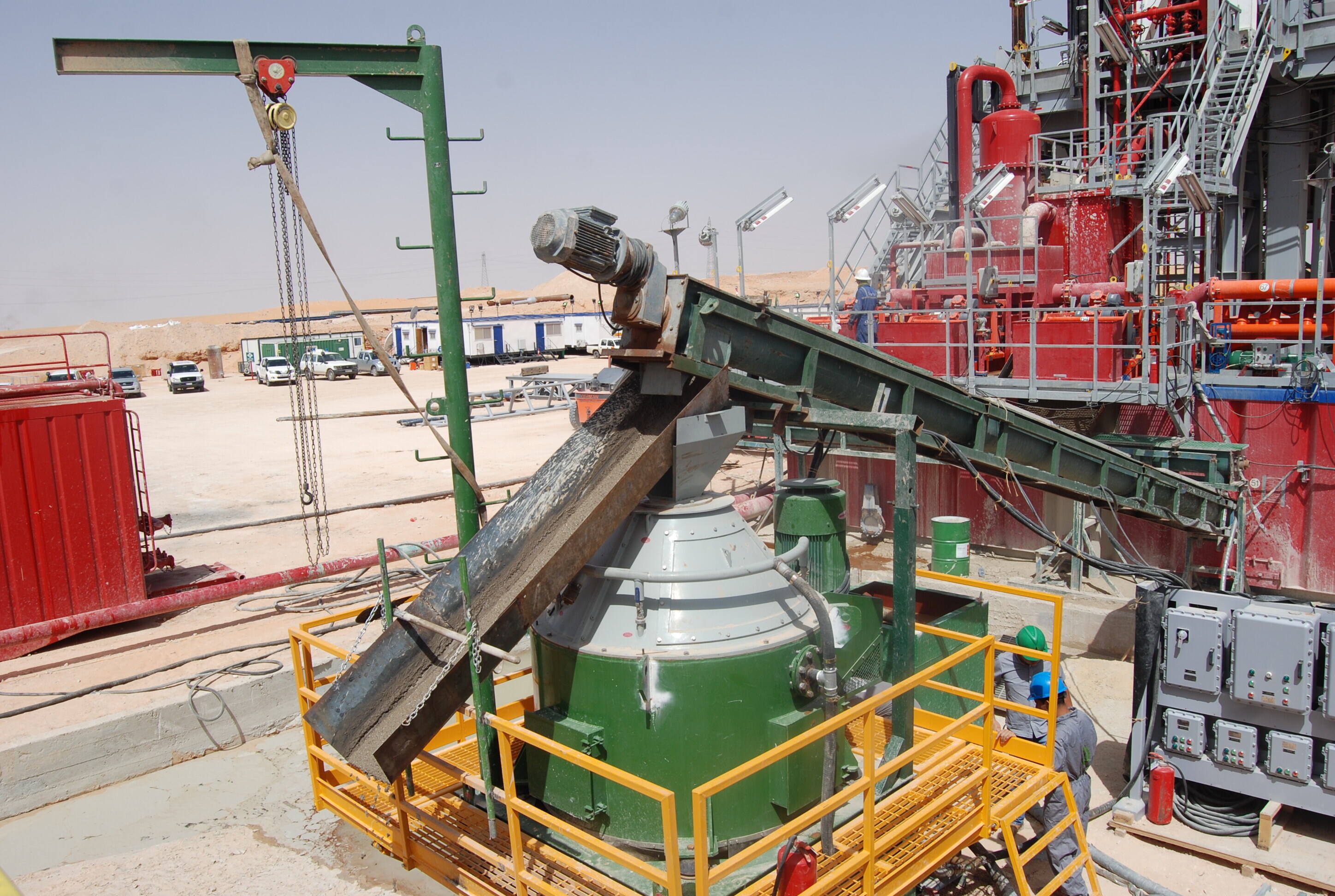
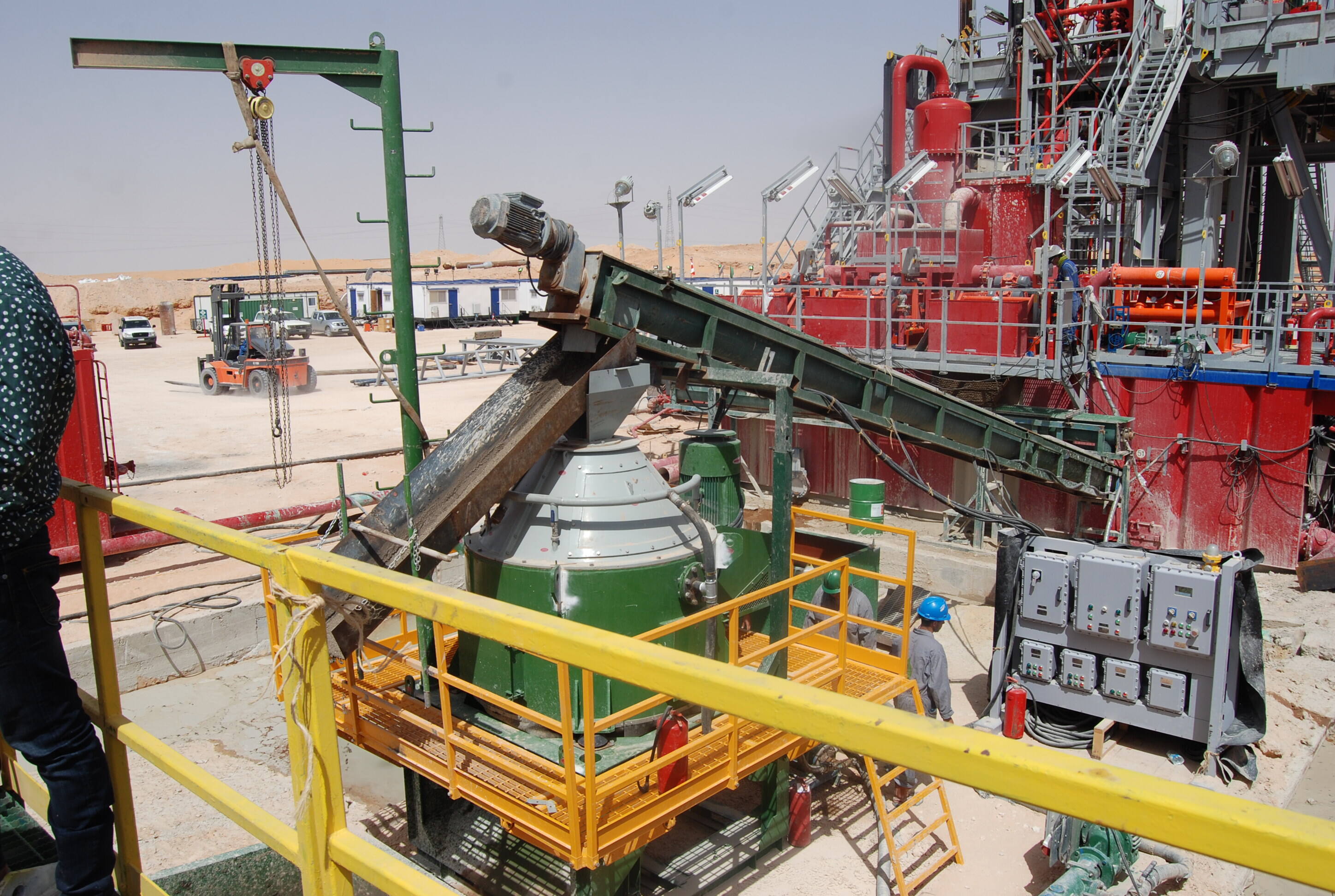
A vertical cuttings dryer offers enhanced separation performance for challenging waste streams. These specialized systems combine centrifugal force with thermal assistance to achieve superior liquid recovery rates. The recovered drilling fluid maintains properties suitable for reuse, while the separated solids meet disposal specifications with minimal additional treatment.
Screen-Based Separation Methods
Vibrating screen systems provide cost-effective primary separation for drilling waste streams. These mechanical devices remove larger particles while allowing liquid phases to pass through mesh openings. Screen-based separation works particularly well for water-based mud systems where particle size distribution favors mechanical separation. Operating costs remain relatively low due to minimal energy consumption and straightforward maintenance requirements.
Multi-deck screen configurations improve separation efficiency by processing waste through progressively finer mesh sizes. This staged approach maximizes liquid recovery while producing cleaner solid fractions. Screen systems integrate easily with downstream treatment processes, enabling comprehensive waste management solutions that optimize overall cost performance.
Advanced Treatment Processes
Thermal Treatment Applications
Thermal processing offers complete hydrocarbon recovery from drilling waste streams, making it particularly valuable for oil-based mud systems. These processes heat contaminated solids to vaporize organic compounds, which are then condensed and recovered for reuse. While initial capital costs are higher than mechanical systems, thermal treatment achieves near-complete resource recovery and produces clean solids suitable for beneficial use applications.
Modern thermal systems incorporate heat recovery technologies that significantly reduce energy consumption. Waste heat from the treatment process preheats incoming materials, improving overall system efficiency. This energy optimization reduces operating costs while maintaining high treatment performance standards.
Chemical Treatment Options
Chemical treatment methods utilize specialized additives to enhance separation performance or neutralize specific contaminants. Polymer flocculants improve solid-liquid separation efficiency in mechanical systems, while pH adjustment chemicals optimize treatment conditions for various waste types. Chemical treatment typically serves as a supplement to mechanical or thermal processes rather than a standalone solution.
Cost-effective chemical treatment requires careful selection of additives based on waste characteristics and treatment objectives. Overdosing increases operational costs without proportional performance benefits, while underdosing reduces treatment efficiency. Proper chemical management programs optimize additive usage through continuous monitoring and adjustment protocols.
Resource Recovery and Reuse Strategies
Drilling Fluid Reclamation
Reclaiming drilling fluid from waste streams provides immediate cost benefits through reduced fluid replacement requirements. High-quality separation systems recover drilling fluid that meets specification requirements without additional conditioning. This recovered fluid can replace fresh mud additions, reducing material costs significantly. Effective reclamation programs typically achieve sixty to eighty percent fluid recovery rates depending on waste characteristics and treatment system performance.
Quality control protocols ensure recovered drilling fluid meets performance specifications before reuse. Regular testing verifies fluid properties and identifies any conditioning requirements. Properly managed reclamation programs maintain drilling fluid quality while achieving substantial cost savings through reduced material consumption.
Solids Valorization Approaches
Treated drilling waste solids often possess characteristics suitable for beneficial use applications. Clean solids can serve as construction aggregate, road base material, or landfill cover depending on composition and regulatory requirements. Converting waste solids into marketable products transforms disposal costs into revenue streams, significantly improving overall project economics.
Market development for treated drilling waste requires understanding local construction industry requirements and regulatory approval processes. Successful valorization programs establish long-term contracts with end users, providing predictable revenue streams that offset treatment costs. This approach transforms waste management from a cost center into a potential profit contributor.
Economic Optimization Strategies
Technology Selection Criteria
Selecting appropriate waste treatment technology requires comprehensive economic analysis that considers both capital and operating costs. Simple payback calculations may not capture the full economic picture, particularly when resource recovery provides ongoing benefits. Life-cycle cost analysis provides better insight into long-term economic performance and helps identify optimal investment strategies.
Treatment capacity requirements significantly influence technology selection and cost performance. Oversized systems increase capital costs without proportional benefits, while undersized systems create operational bottlenecks that increase overall project costs. Proper capacity planning ensures treatment systems match waste generation rates while maintaining operational flexibility for varying conditions.
Operational Efficiency Improvements
Continuous improvement programs identify opportunities to reduce operational costs through enhanced efficiency. Regular performance monitoring reveals optimization opportunities that may not be apparent during initial system design. Operator training programs ensure personnel understand system capabilities and can respond effectively to changing conditions.
Preventive maintenance programs reduce unexpected downtime and extend equipment life, improving overall cost performance. Scheduled maintenance activities cost less than emergency repairs and help maintain optimal system performance. Comprehensive maintenance programs typically reduce operational costs by fifteen to twenty-five percent compared to reactive maintenance approaches.
Implementation Best Practices
Project Planning Considerations
Successful waste treatment implementation begins with comprehensive project planning that addresses technical, economic, and regulatory requirements. Early engagement with regulatory authorities helps identify approval requirements and potential compliance challenges. This proactive approach reduces project risk and ensures treatment systems meet all applicable requirements from the start.
Stakeholder engagement throughout the planning process builds support for waste treatment initiatives and identifies potential implementation challenges. Regular communication with operations personnel ensures treatment systems integrate effectively with existing drilling operations. This collaborative approach improves project success rates and reduces implementation costs.
Performance Monitoring Systems
Continuous performance monitoring provides data needed to optimize system operation and identify improvement opportunities. Automated monitoring systems track key performance indicators and alert operators to deviation from optimal conditions. This real-time feedback enables immediate corrective actions that maintain system performance and minimize operational disruptions.
Regular performance reporting demonstrates treatment system effectiveness and supports continuous improvement initiatives. Detailed performance data helps identify optimization opportunities and supports decision-making for future projects. Companies with comprehensive monitoring programs typically achieve better long-term cost performance through data-driven optimization.
FAQ
What factors most significantly impact drilling fluid waste treatment costs?
Waste volume, contamination level, and regulatory requirements represent the primary cost drivers for drilling fluid waste treatment. High-volume operations benefit from economies of scale, while complex contamination profiles require more sophisticated treatment approaches. Regulatory compliance requirements vary by location and can significantly influence treatment method selection and associated costs. Understanding these factors helps operators develop realistic cost projections and select appropriate treatment technologies.
How can operators maximize resource recovery from drilling waste streams?
Maximizing resource recovery requires selecting treatment technologies that effectively separate valuable components from waste streams. High-efficiency separation systems recover more drilling fluid and produce cleaner solid fractions suitable for beneficial use. Regular system optimization and proper maintenance ensure equipment operates at peak performance levels. Comprehensive quality control programs verify recovered materials meet specification requirements for reuse applications.
What are the most common implementation challenges for waste treatment systems?
Integration with existing operations represents the most frequent implementation challenge, particularly in retrofit applications. Space constraints, utility requirements, and operational workflow considerations can complicate system installation and startup. Regulatory approval processes may introduce project delays if not properly managed from the beginning. Comprehensive planning and stakeholder engagement help address these challenges and ensure successful implementation.
How do treatment costs compare between different waste management approaches?
Treatment costs vary significantly based on waste characteristics, treatment method, and local disposal options. Mechanical separation systems typically offer the lowest operating costs but may not achieve complete resource recovery. Thermal treatment systems require higher energy input but provide superior recovery performance. The most cost-effective approach depends on specific project requirements and local economic conditions, making detailed economic analysis essential for optimal technology selection.
Table of Contents
- Understanding Drilling Fluid Waste Composition
- Mechanical Separation Technologies
- Advanced Treatment Processes
- Resource Recovery and Reuse Strategies
- Economic Optimization Strategies
- Implementation Best Practices
-
FAQ
- What factors most significantly impact drilling fluid waste treatment costs?
- How can operators maximize resource recovery from drilling waste streams?
- What are the most common implementation challenges for waste treatment systems?
- How do treatment costs compare between different waste management approaches?