 EN
EN

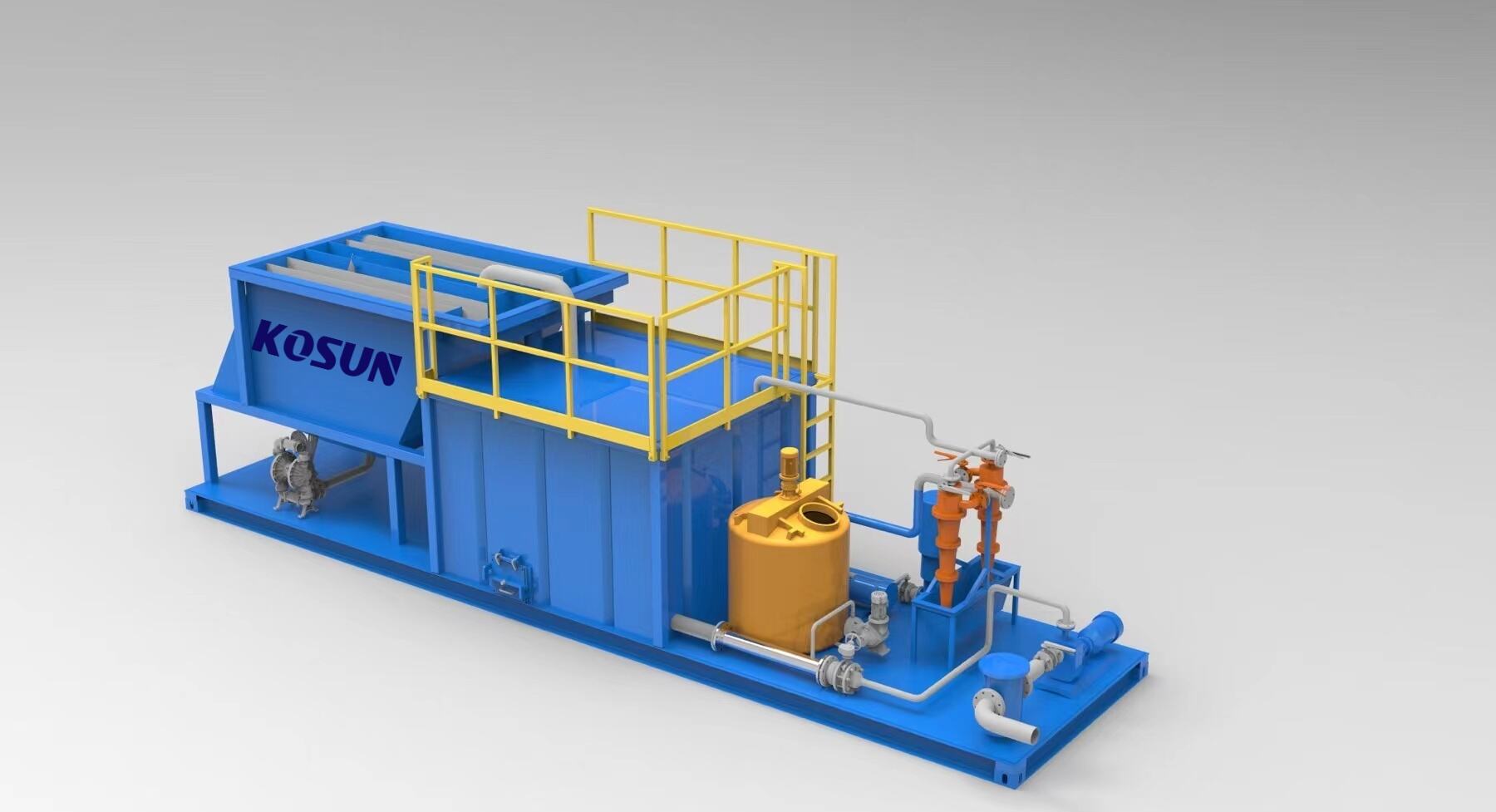
Industrial tank cleaning presents significant challenges across numerous sectors, from oil and gas to chemical processing and water treatment facilities. Traditional manual cleaning methods often expose workers to hazardous environments while consuming excessive time and resources. Modern industries are increasingly turning to automated tank cleaning equipment to address these operational pain points while enhancing safety protocols and improving efficiency standards. This advanced technology represents a paradigm shift in how facilities approach tank maintenance, offering unprecedented levels of precision and reliability in cleaning operations.
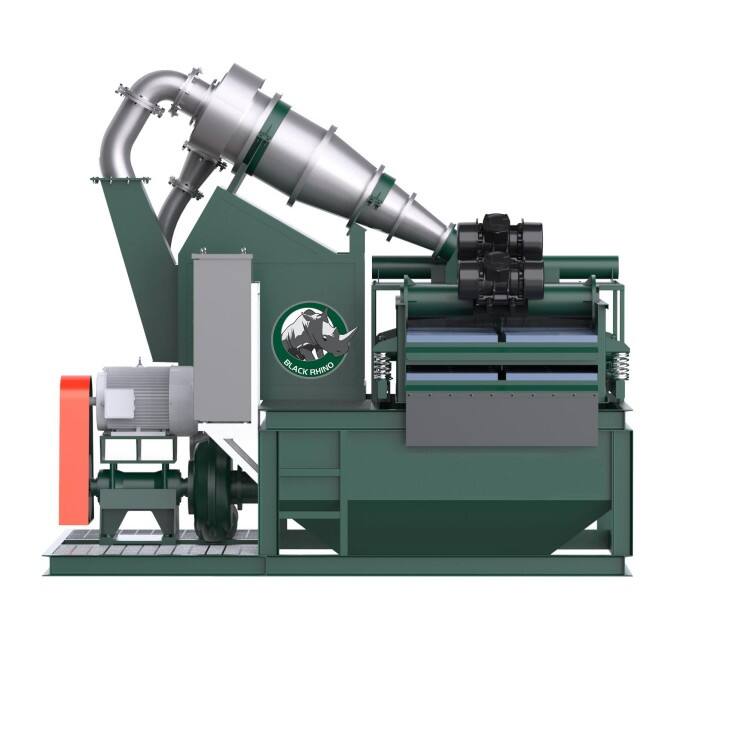
Primary Applications of Automated Tank Cleaning Technology
Petroleum and Oil Storage Facilities
Oil storage tanks require periodic cleaning to remove accumulated sludge, sediments, and hydrocarbon residues that can compromise product quality and storage capacity. Automated tank cleaning equipment delivers powerful cleaning solutions specifically engineered for petroleum applications. These systems utilize high-pressure water jets and specialized cleaning agents to break down stubborn crude oil deposits and remove bottom sediments that manual cleaning cannot effectively address. The technology ensures complete removal of contaminants while minimizing downtime and environmental exposure risks.
Refineries benefit significantly from automated cleaning systems because they can maintain continuous operations while cleaning adjacent tanks. The equipment handles various petroleum products including gasoline, diesel, jet fuel, and heavy crude oil residues. Advanced automated systems incorporate rotating cleaning heads that provide 360-degree coverage, ensuring thorough cleaning of tank walls, floors, and ceiling areas. This comprehensive approach prevents cross-contamination between different petroleum products and maintains storage tank integrity.
Chemical Processing and Manufacturing Plants
Chemical manufacturing facilities utilize automated tank cleaning equipment to handle corrosive substances, toxic materials, and complex chemical compounds that pose significant safety risks during manual cleaning operations. These systems are designed with chemical-resistant components and specialized sealing mechanisms to prevent operator exposure to hazardous materials. The automated approach eliminates human entry into confined spaces where dangerous chemical vapors may accumulate, significantly reducing workplace safety incidents.
Different chemical products require specific cleaning protocols, and automated systems can be programmed to deliver customized cleaning cycles. Whether dealing with acids, bases, solvents, or reactive chemicals, the equipment adjusts pressure levels, temperature settings, and cleaning agent concentrations to achieve optimal results. This flexibility makes automated tank cleaning equipment indispensable for facilities that process multiple chemical products and need to prevent cross-contamination between batches.
Safety Benefits and Risk Mitigation
Confined Space Entry Elimination
One of the most compelling reasons industries adopt automated tank cleaning equipment is the elimination of confined space entry requirements. Traditional tank cleaning necessitates workers entering enclosed spaces with limited ventilation, emergency egress routes, and potential atmospheric hazards. Automated systems perform cleaning operations remotely, completely removing human exposure to these dangerous environments. This advancement has dramatically reduced workplace accidents and fatalities associated with tank maintenance activities.
Regulatory compliance becomes significantly easier when facilities implement automated cleaning systems. OSHA and other safety organizations have strict requirements for confined space entry, including atmospheric monitoring, rescue team standby, and extensive safety equipment. Automated tank cleaning equipment eliminates many of these regulatory burdens while providing superior cleaning results. Companies report substantial cost savings from reduced insurance premiums and workers compensation claims after implementing automated solutions.
Hazardous Material Handling
Industrial tanks often contain materials that pose serious health risks including carcinogens, neurotoxins, and respiratory irritants. Automated cleaning systems provide complete isolation between workers and hazardous substances throughout the entire cleaning process. The equipment utilizes remote monitoring capabilities and automated controls that allow operators to oversee cleaning operations from safe distances. This separation is particularly crucial when dealing with materials that can cause long-term health effects from even minimal exposure.
Emergency response capabilities are enhanced when automated tank cleaning equipment is properly integrated into facility safety systems. The equipment can be programmed to automatically shut down operations and implement containment procedures if anomalous conditions are detected. Integrated sensors monitor atmospheric conditions, pressure levels, and system performance to provide early warning of potential safety issues. This proactive approach to safety management represents a significant advancement over reactive manual cleaning methods.
Efficiency and Cost-Effectiveness
Reduced Downtime and Faster Turnaround
Automated tank cleaning equipment significantly reduces the time required to complete cleaning operations compared to manual methods. While traditional cleaning might require days or weeks depending on tank size and contamination levels, automated systems can complete the same tasks in hours or days. This efficiency improvement directly translates to increased operational uptime and higher productivity levels. Facilities can schedule cleaning operations during planned maintenance windows without extending shutdown periods.
The speed advantages become even more pronounced when cleaning multiple tanks in sequence. Automated systems can be quickly repositioned and reconfigured for different tank sizes and cleaning requirements. Some advanced systems feature modular designs that allow simultaneous cleaning of multiple tanks using coordinated equipment arrays. This parallel processing capability maximizes resource utilization and minimizes the total time required for facility-wide cleaning campaigns.
Labor Cost Reduction and Resource Optimization
Implementing automated tank cleaning equipment substantially reduces labor requirements while improving cleaning quality and consistency. Manual cleaning operations typically require large crews working in hazardous conditions with extensive safety oversight and specialized equipment. Automated systems operate with minimal supervision, allowing companies to redeploy skilled workers to higher-value activities while reducing overall staffing costs associated with tank maintenance.
Long-term operational costs favor automated systems due to their precision and repeatability. The equipment delivers consistent cleaning results that extend tank service life and reduce corrosion-related maintenance issues. Automated systems also optimize cleaning agent usage through precise application controls, reducing chemical costs and environmental waste. Energy efficiency improvements from modern automated equipment further contribute to operational cost reductions over the system lifecycle.
Environmental Impact and Sustainability
Waste Minimization and Chemical Efficiency
Environmental stewardship drives many facilities to adopt automated tank cleaning equipment because these systems minimize waste generation and optimize resource consumption. Traditional cleaning methods often use excessive amounts of water and cleaning chemicals while generating large volumes of contaminated waste that requires specialized disposal. Automated systems precisely control chemical application rates and water usage, reducing environmental impact while maintaining superior cleaning effectiveness.
Water recycling capabilities integrated into advanced automated cleaning systems further enhance environmental benefits. These systems can capture, filter, and reuse cleaning water multiple times during a single cleaning cycle. Closed-loop water systems reduce freshwater consumption and minimize wastewater discharge volumes. Some systems incorporate advanced filtration and treatment technologies that allow cleaning water to be recycled across multiple cleaning campaigns, maximizing resource efficiency.
Emission Control and Air Quality Management
Automated tank cleaning equipment incorporates sophisticated vapor recovery and emission control systems that minimize atmospheric releases during cleaning operations. Traditional manual cleaning often results in significant volatile organic compound emissions and particulate matter release that can impact air quality and regulatory compliance. Automated systems utilize enclosed cleaning processes with integrated vapor capture systems that prevent fugitive emissions and protect local air quality.
Real-time emission monitoring capabilities built into modern automated tank cleaning equipment provide continuous verification of environmental performance. These systems can automatically adjust operational parameters to minimize emissions while maintaining cleaning effectiveness. Integration with facility-wide environmental management systems allows for comprehensive tracking and reporting of environmental metrics, supporting sustainability goals and regulatory compliance requirements.
Technology Integration and Advanced Features
Remote Monitoring and Control Systems
Modern automated tank cleaning equipment incorporates sophisticated remote monitoring and control capabilities that allow operators to oversee cleaning operations from central control rooms or even off-site locations. These systems utilize industrial internet connectivity and cloud-based platforms to provide real-time status updates, performance metrics, and diagnostic information. Operators can adjust cleaning parameters, monitor progress, and respond to system alerts without physical proximity to the equipment.
Predictive maintenance capabilities integrated into automated cleaning systems help facilities optimize equipment performance and prevent unexpected failures. Machine learning algorithms analyze operational data to identify patterns that indicate potential maintenance needs before problems occur. This proactive approach to maintenance management reduces equipment downtime and extends system service life while maintaining consistent cleaning performance.
Customization and Adaptability Features
Automated tank cleaning equipment offers extensive customization options to accommodate diverse industrial applications and specific facility requirements. Programmable cleaning cycles can be tailored for different contaminant types, tank geometries, and operational constraints. The systems can store multiple cleaning programs and automatically select appropriate parameters based on tank identification and cleaning history records.
Modular system designs allow facilities to scale their automated cleaning capabilities as operational needs evolve. Additional cleaning heads, extended reach capabilities, and specialized tooling can be integrated into existing systems without requiring complete equipment replacement. This adaptability ensures that automated tank cleaning equipment investments continue to provide value as facility operations expand or change over time.
FAQ
What types of tanks can be cleaned using automated tank cleaning equipment
Automated tank cleaning equipment can handle virtually all industrial tank types including crude oil storage tanks, chemical process vessels, water treatment tanks, food processing containers, and pharmaceutical manufacturing equipment. The systems are designed to accommodate tanks ranging from small process vessels to massive storage tanks exceeding several million gallons capacity. Different cleaning head configurations and access methods allow the equipment to work with horizontal tanks, vertical cylindrical tanks, spherical vessels, and irregularly shaped containers.
How does automated tank cleaning equipment compare to manual cleaning methods in terms of effectiveness
Automated tank cleaning equipment typically achieves superior cleaning results compared to manual methods due to consistent pressure application, systematic coverage patterns, and precise cleaning agent delivery. The systems can access areas that are difficult or impossible for manual cleaning crews to reach effectively, such as tank tops, complex internal structures, and confined spaces. Additionally, automated equipment maintains consistent cleaning parameters throughout the entire process, eliminating the variability inherent in manual operations.
What maintenance requirements are associated with automated tank cleaning equipment
Automated tank cleaning equipment requires routine maintenance including cleaning head inspection and replacement, pump system servicing, hydraulic fluid changes, and control system calibration. Most systems are designed for easy maintenance access with quick-disconnect fittings and modular component replacement. Preventive maintenance schedules typically involve daily operational checks, weekly system inspections, monthly component servicing, and annual comprehensive overhauls depending on usage intensity and operating conditions.
Can automated tank cleaning equipment handle multiple tank sizes and configurations at a single facility
Yes, modern automated tank cleaning equipment features adaptable designs that can accommodate multiple tank sizes and configurations within a single facility. Many systems include adjustable mounting systems, variable reach capabilities, and interchangeable cleaning heads that allow efficient cleaning of different tank types. Portable systems can be moved between locations, while permanently installed systems often feature flexible positioning mechanisms that adapt to various tank access requirements. This versatility makes automated tank cleaning equipment cost-effective for facilities with diverse tank inventories.
Table of Contents
- Primary Applications of Automated Tank Cleaning Technology
- Safety Benefits and Risk Mitigation
- Efficiency and Cost-Effectiveness
- Environmental Impact and Sustainability
- Technology Integration and Advanced Features
-
FAQ
- What types of tanks can be cleaned using automated tank cleaning equipment
- How does automated tank cleaning equipment compare to manual cleaning methods in terms of effectiveness
- What maintenance requirements are associated with automated tank cleaning equipment
- Can automated tank cleaning equipment handle multiple tank sizes and configurations at a single facility