 EN
EN

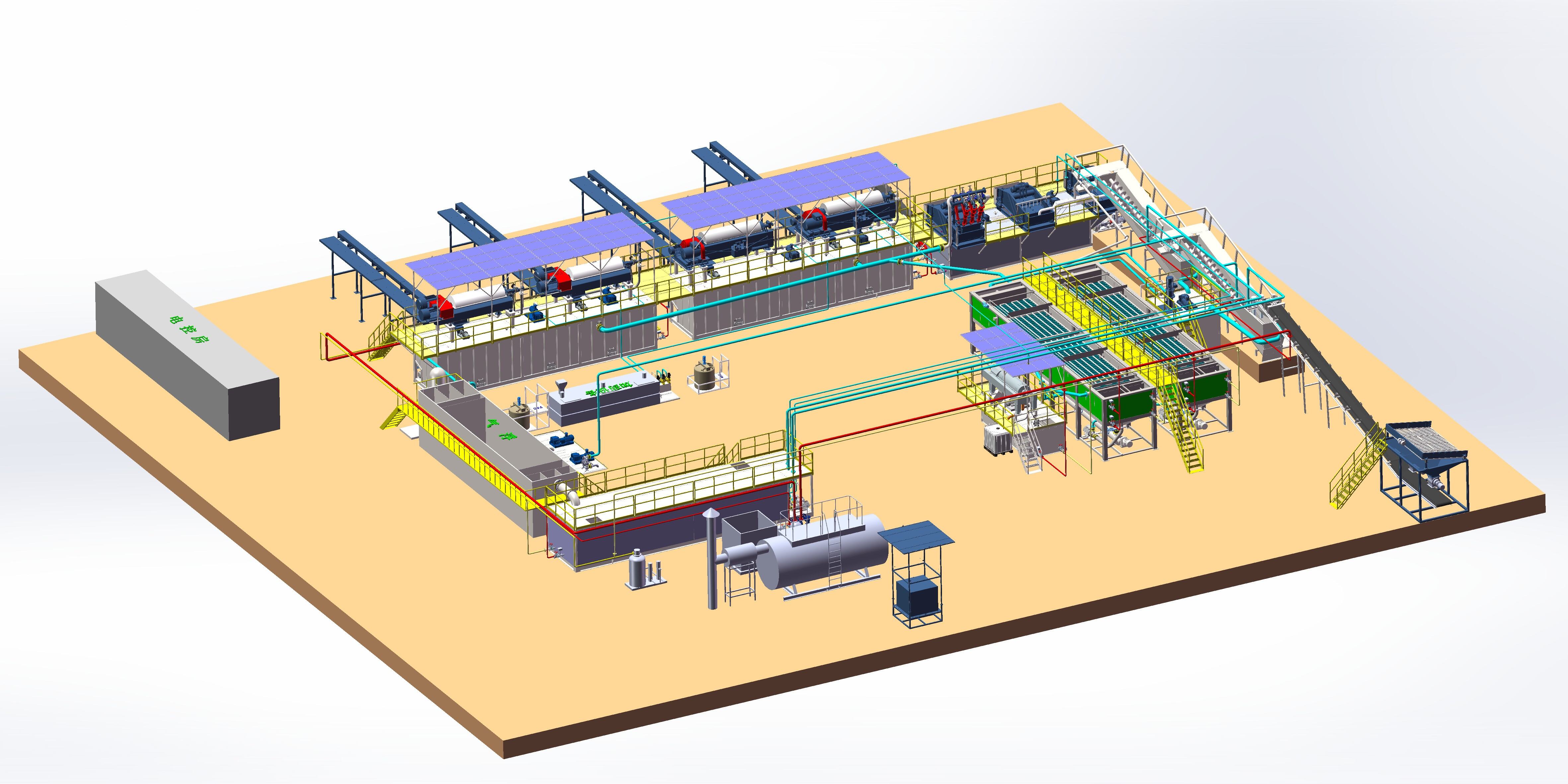
Industrial operations across petroleum refining, chemical manufacturing, and waste management sectors generate substantial quantities of oily sludge as a byproduct of their processes. This complex mixture of oil, water, and solid particles presents significant environmental and operational challenges that require specialized handling approaches. Understanding oily sludge treatment fundamentals becomes essential for facility managers seeking to maintain regulatory compliance while optimizing operational efficiency. The treatment of contaminated sludge materials involves sophisticated separation technologies designed to recover valuable hydrocarbons while reducing environmental impact. Modern industrial facilities increasingly recognize that effective oily sludge treatment strategies directly influence both their bottom line and environmental stewardship commitments.
Understanding Oily Sludge Composition and Formation
Physical and Chemical Properties
Oily sludge typically contains three primary components that create complex separation challenges for industrial processors. The hydrocarbon fraction usually ranges from 15% to 60% by weight, consisting of various petroleum products including heavy oils, lubricants, and refined fuel residues. Water content generally comprises 20% to 70% of the total volume, often containing dissolved salts and chemical additives that complicate separation processes. Solid particles represent the remaining portion, including sand, clay, metal oxides, and organic debris that accumulate during industrial operations.
The viscosity of oily sludge varies dramatically based on temperature, oil content, and aging processes within storage systems. Fresh sludge typically exhibits lower viscosity characteristics, making initial oily sludge treatment processes more efficient compared to aged materials. Chemical emulsification occurs when surfactants naturally present in the mixture stabilize oil-water interfaces, creating persistent emulsions that resist conventional separation techniques. Understanding these fundamental properties enables treatment system designers to select appropriate technologies and operating parameters for optimal performance.
Common Sources and Generation Processes
Petroleum refineries generate oily sludge through multiple operational pathways including tank bottom accumulations, separator system cleanouts, and wastewater treatment residues. Tank bottoms typically contain the highest concentration of recoverable hydrocarbons, making them prime candidates for advanced oily sludge treatment applications. Chemical processing facilities produce similar waste streams through equipment cleaning, spill response activities, and routine maintenance operations that expose hydrocarbon-containing materials to environmental conditions.
Transportation and storage facilities contribute significantly to oily sludge generation through loading operations, pipeline maintenance, and containment system cleaning procedures. Marine terminals and truck loading facilities accumulate substantial quantities of contaminated materials requiring specialized treatment approaches. Understanding these generation mechanisms helps facility operators implement preventive measures while planning appropriate oily sludge treatment capacity to handle expected volumes.
Treatment Technologies and Separation Methods
Thermal Treatment Approaches
Thermal treatment methods represent one category of oily sludge treatment technologies that utilize heat energy to facilitate separation processes. Low-temperature thermal desorption systems operate between 200°F and 600°F to volatilize lighter hydrocarbon fractions while preserving heavier oil components for recovery. These systems effectively reduce overall sludge volume while recovering valuable hydrocarbon products that can be reintroduced into refining processes. Temperature control becomes critical to prevent thermal degradation of recoverable oil fractions during processing.
High-temperature incineration provides complete destruction of organic contaminants but eliminates opportunities for hydrocarbon recovery in most applications. Thermal treatment systems require substantial energy inputs and sophisticated emission control equipment to meet environmental regulations. Advanced thermal processing technologies incorporate heat recovery systems to improve overall energy efficiency while maintaining effective oily sludge treatment performance. The selection between thermal approaches depends on site-specific factors including available utilities, environmental requirements, and economic considerations.
Mechanical Separation Technologies
Centrifugal separation represents a widely adopted mechanical approach for oily sludge treatment applications across various industrial sectors. High-speed centrifuges generate gravitational forces exceeding 3000 times normal gravity to separate components based on density differences. Three-phase centrifuges simultaneously separate oil, water, and solids into distinct streams, enabling recovery of valuable hydrocarbon products while producing clarified water suitable for additional treatment or reuse. Decanter centrifuges prove particularly effective for processing high-solids content sludge materials where conventional separation methods fail.
Dissolved air flotation systems utilize micro-bubbles to lift oil droplets and fine particles to the surface for mechanical removal. This oily sludge treatment technology works effectively with emulsified systems where oil droplets remain suspended in the water phase. Flotation processes often require chemical pretreatment to destabilize emulsions and improve separation efficiency. Mechanical separation technologies generally offer lower operating costs compared to thermal methods while providing good hydrocarbon recovery rates for appropriately conditioned feed materials.
Environmental Impact and Regulatory Considerations
Regulatory Framework and Compliance Requirements
Environmental regulations governing oily sludge treatment activities vary by jurisdiction but generally focus on protecting groundwater, surface water, and air quality from hydrocarbon contamination. The Resource Conservation and Recovery Act establishes federal guidelines for hazardous waste management, including specific requirements for oily sludge handling, treatment, and disposal activities. State environmental agencies often impose additional restrictions based on local environmental conditions and community protection priorities. Compliance documentation requirements include waste characterization data, treatment efficiency monitoring, and long-term tracking of disposal activities.
Permit requirements for oily sludge treatment facilities typically specify allowable treatment technologies, emission limits, and operational monitoring protocols. Air quality permits address volatile organic compound emissions, particulate matter, and other atmospheric releases during treatment processes. Water discharge permits establish limits for treated water quality parameters including total petroleum hydrocarbons, suspended solids, and chemical oxygen demand. Understanding applicable regulatory requirements enables facility operators to select compliant oily sludge treatment technologies while avoiding costly enforcement actions.
Environmental Benefits of Proper Treatment
Effective oily sludge treatment programs significantly reduce environmental contamination risks while recovering valuable resources from waste streams. Proper treatment prevents hydrocarbon migration into groundwater systems, protecting drinking water supplies and sensitive ecological areas from long-term contamination. Surface water protection occurs through elimination of direct discharge pathways and reduction of runoff contamination potential during storage and handling operations. Air quality improvements result from controlled processing environments that capture and treat volatile emissions rather than allowing uncontrolled releases.
Resource recovery through oily sludge treatment activities supports circular economy principles by returning valuable hydrocarbons to productive use rather than permanent disposal. Recovered oil products offset virgin resource consumption while reducing overall waste generation volumes requiring disposal. Proper treatment also eliminates long-term environmental liability associated with contaminated site remediation costs. These environmental benefits often justify investment in advanced oily sludge treatment technologies despite higher initial capital costs.
Economic Considerations and Cost-Benefit Analysis
Capital and Operating Cost Factors
Investment decisions for oily sludge treatment systems require comprehensive evaluation of capital costs, operating expenses, and potential revenue from recovered products. Equipment costs vary significantly based on treatment technology selection, processing capacity requirements, and automation levels. Thermal treatment systems typically require higher capital investment compared to mechanical separation technologies but may offer superior treatment efficiency for difficult-to-process materials. Site preparation costs including utilities, foundations, and environmental controls add substantially to total project investment requirements.
Operating cost components include energy consumption, maintenance requirements, consumable materials, and labor expenses for system operation and monitoring. Energy costs represent the largest operating expense category for most oily sludge treatment applications, particularly thermal processing systems. Maintenance costs depend on equipment complexity, operating conditions, and preventive maintenance program effectiveness. Understanding these cost factors enables accurate economic modeling to support technology selection decisions and operational optimization strategies.
Revenue Opportunities and Value Recovery
Hydrocarbon recovery through oily sludge treatment creates revenue opportunities that can significantly offset processing costs in many applications. Recovered oil products typically command 60% to 80% of virgin product market values, depending on quality specifications and local market conditions. High-quality recovered products suitable for rerefining applications generate premium pricing compared to fuel-grade materials. Market volatility in petroleum products affects the economic viability of recovery operations, requiring flexible business models to accommodate price fluctuations.
Disposal cost avoidance represents another significant economic benefit of effective oily sludge treatment programs. Hazardous waste disposal costs range from $300 to $800 per ton depending on location and waste characteristics, making treatment alternatives economically attractive for high-volume generators. Transportation cost savings occur when onsite treatment eliminates the need for offsite disposal services. These economic benefits often justify investment in oily sludge treatment technologies even when hydrocarbon recovery revenues remain modest.
Operational Best Practices and System Optimization
Process Control and Monitoring Strategies
Effective process control systems enable consistent oily sludge treatment performance while minimizing operating costs and environmental impacts. Real-time monitoring of key parameters including temperature, flow rates, and separation efficiency provides operators with immediate feedback for process adjustments. Automated control systems reduce labor requirements while maintaining optimal operating conditions despite variations in feed material characteristics. Data logging and trending capabilities support continuous improvement initiatives and regulatory compliance documentation requirements.
Quality control testing protocols ensure that treated products meet specifications for reuse or disposal while maintaining treatment system efficiency. Regular analysis of feed materials helps operators anticipate processing challenges and adjust operating parameters proactively. Monitoring programs should include periodic equipment inspections to identify maintenance needs before they affect system performance. Comprehensive process control strategies integrate these elements to maximize oily sludge treatment effectiveness while minimizing operational disruptions.
Maintenance and Reliability Programs
Preventive maintenance programs significantly extend equipment life while reducing unexpected downtime in oily sludge treatment operations. Scheduled maintenance activities include lubrication, wear component replacement, and system cleaning procedures designed to maintain optimal performance. Condition monitoring technologies such as vibration analysis and thermal imaging enable predictive maintenance approaches that identify developing problems before they cause system failures. Maintenance scheduling should account for seasonal variations in sludge characteristics and processing demands.
Spare parts inventory management ensures critical components remain available to minimize downtime during maintenance activities or unexpected failures. Training programs for maintenance personnel should cover both routine procedures and emergency response protocols to maintain safe and effective operations. Documentation of maintenance activities supports warranty claims, regulatory compliance, and continuous improvement efforts. Well-designed maintenance programs typically reduce total ownership costs while improving oily sludge treatment system reliability and performance consistency.
Future Trends and Technology Development
Advanced Separation Technologies
Emerging separation technologies promise to improve oily sludge treatment efficiency while reducing energy consumption and operating costs. Membrane separation systems utilize selective permeability to separate oil and water phases without requiring thermal energy input. Electrochemical treatment methods apply electrical fields to destabilize emulsions and enhance conventional separation processes. These advanced technologies often integrate with existing treatment systems to improve overall performance rather than replacing entire processing trains.
Nanotechnology applications in oily sludge treatment include specialized surfactants and separation media designed to enhance oil recovery rates. Advanced materials engineering produces more durable and efficient separation equipment that reduces maintenance requirements while improving performance consistency. Biotechnology approaches utilize microorganisms to break down complex organic compounds and enhance separation processes. These emerging technologies represent the future direction of oily sludge treatment development, focusing on improved efficiency and reduced environmental impact.
Automation and Digital Integration
Digital transformation initiatives in oily sludge treatment operations leverage advanced sensors, data analytics, and artificial intelligence to optimize system performance. Smart sensor networks provide comprehensive monitoring of process conditions while reducing manual data collection requirements. Machine learning algorithms analyze historical performance data to predict optimal operating conditions for varying feed material characteristics. Remote monitoring capabilities enable expert support and troubleshooting without requiring onsite personnel, reducing operating costs and improving response times.
Integration with enterprise resource planning systems enables better coordination between oily sludge treatment operations and broader facility management activities. Predictive analytics help operators anticipate maintenance needs, optimize inventory management, and plan capacity adjustments based on projected waste generation rates. Digital integration strategies should prioritize cybersecurity measures to protect sensitive operational data while maintaining system reliability. These technological advances represent significant opportunities to improve oily sludge treatment effectiveness while reducing operational complexity and costs.
FAQ
What types of industries generate oily sludge requiring treatment
Petroleum refineries, chemical manufacturing facilities, automotive service centers, and marine terminals generate the majority of oily sludge requiring specialized treatment. Other significant sources include food processing facilities using cooking oils, metal fabrication shops with cutting fluids, and transportation companies maintaining vehicle fleets. The characteristics and volume of oily sludge vary significantly between industries, requiring customized treatment approaches for optimal results.
How does oily sludge treatment differ from regular wastewater treatment
Oily sludge treatment focuses on separating and recovering hydrocarbon products from complex mixtures, while conventional wastewater treatment primarily removes contaminants for safe discharge. The higher concentration of oil and solid particles in sludge requires more intensive separation technologies such as centrifuges or thermal processing. Additionally, oily sludge treatment often includes product recovery objectives that generate revenue streams, whereas wastewater treatment typically represents a pure cost center for facility operations.
What factors determine the most appropriate oily sludge treatment technology
Key selection factors include sludge volume and characteristics, available space and utilities, regulatory requirements, and economic objectives for the treatment program. High-volume operations often justify more sophisticated and expensive treatment technologies due to economies of scale. Environmental regulations may restrict certain treatment approaches while mandating specific performance standards. The value of recoverable hydrocarbons significantly influences technology selection, with higher-value products supporting more intensive recovery processes.
How long does typical oily sludge treatment processing take
Processing time varies from several hours for mechanical separation systems to several days for thermal treatment approaches depending on the technology and material characteristics. Continuous processing systems handle material flows in real-time, while batch systems may require 4-24 hours per processing cycle. Pretreatment activities such as heating or chemical conditioning may add additional time requirements. The complexity of the sludge mixture and desired final product quality specifications also influence total processing time requirements.