 EN
EN

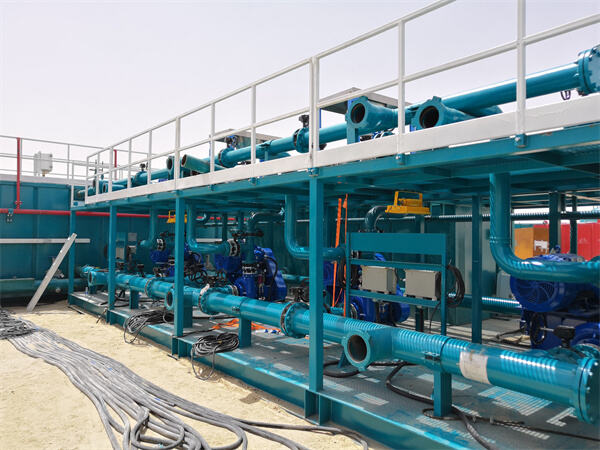
Determining the optimal timing for upgrading your oily sludge treatment system is a critical decision that affects operational efficiency, regulatory compliance, and long-term cost management. Industrial facilities often face the challenge of balancing system performance with capital investment, making it essential to recognize the key indicators that signal when an upgrade becomes necessary. The decision to modernize oily sludge treatment infrastructure should be based on measurable performance metrics, regulatory requirements, and evolving operational demands.
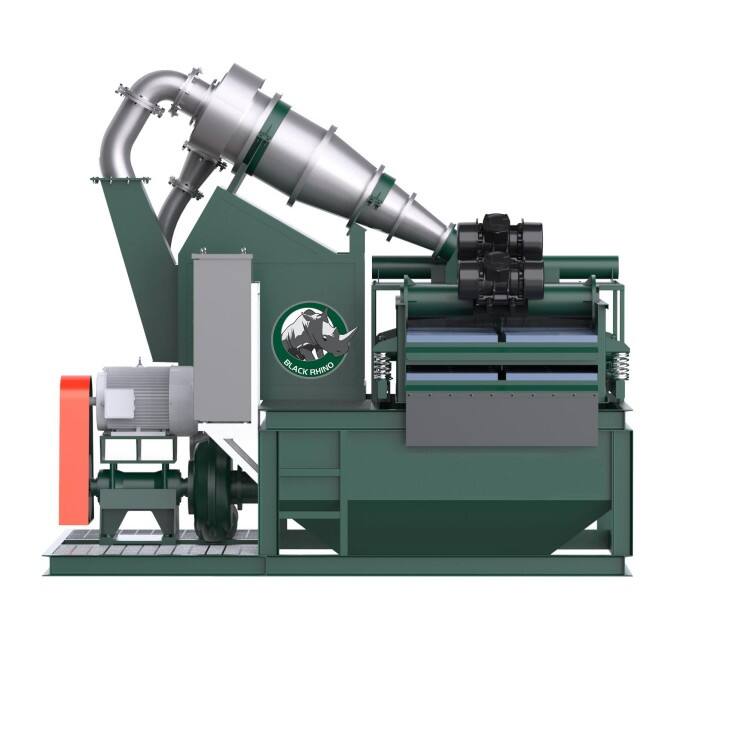
Modern oily sludge treatment systems offer significantly improved separation efficiency, reduced environmental impact, and enhanced automation capabilities compared to older technologies. Understanding when your current system has reached its operational limits or when regulatory changes require enhanced treatment capabilities will help you make informed decisions about system upgrades. This timing assessment involves evaluating multiple factors including treatment efficiency decline, maintenance costs escalation, and changing waste stream characteristics that may exceed your current system's design parameters.
Performance Degradation Indicators
Declining Separation Efficiency
The most obvious indicator for oily sludge treatment system upgrades is declining separation efficiency. When your system consistently fails to meet specified oil removal targets or produces effluent that requires additional treatment stages, it signals that your current technology may be inadequate. Older oily sludge treatment systems often struggle with emulsified oils and fine particle separation, leading to suboptimal treatment results that impact downstream processes.
Monitoring key performance indicators such as oil content in treated water, solid recovery rates, and treatment capacity throughput provides quantitative data for upgrade decisions. A gradual decline in these metrics over time indicates system wear, technology limitations, or changes in waste stream composition that exceed original design specifications. When efficiency drops below 85% of design capacity consistently over several months, upgrade consideration becomes financially justified.
Increased Maintenance Requirements
Escalating maintenance costs and increased downtime frequency are strong indicators that oily sludge treatment system upgrades should be considered. Aging equipment requires more frequent repairs, replacement parts become expensive or difficult to source, and unplanned maintenance disruptions affect overall facility operations. When annual maintenance costs exceed 15-20% of the original system investment, replacement often proves more economical than continued repairs.
Component failure patterns also provide insight into upgrade timing. Frequent pump failures, membrane replacements, or control system malfunctions indicate that multiple system elements are approaching end-of-life simultaneously. This clustering of maintenance issues suggests that comprehensive oily sludge treatment system upgrade will be more cost-effective than piecemeal component replacement strategies.
Regulatory Compliance Triggers
Environmental Standard Changes
Evolving environmental regulations frequently drive oily sludge treatment system upgrade decisions, particularly when new discharge limits or treatment standards exceed current system capabilities. Regulatory agencies continuously tighten permissible oil content levels in treated effluent, requiring more sophisticated separation technologies than older systems can provide. Facilities must upgrade their oily sludge treatment infrastructure to maintain compliance and avoid potential penalties or operational shutdowns.
Recent regulatory trends emphasize total petroleum hydrocarbon reduction, emulsified oil treatment, and enhanced solid dewatering requirements. These evolving standards often necessitate advanced separation technologies, automated monitoring systems, and improved process control capabilities that older oily sludge treatment systems cannot accommodate. Proactive upgrade planning allows facilities to meet new requirements before enforcement deadlines, avoiding compliance risks and associated costs.
Permit Renewal Requirements
Facility permit renewals frequently include updated treatment requirements that may exceed existing system capabilities. Environmental agencies use permit renewal cycles to implement stricter discharge standards, requiring facilities to demonstrate compliance through system upgrades or enhanced treatment processes. When permit applications indicate that current oily sludge treatment performance will not meet renewed permit conditions, upgrade planning becomes necessary.
The permit renewal process typically provides 12-24 months advance notice of new requirements, creating a defined timeline for system upgrades. This regulatory-driven upgrade timing allows facilities to plan capital investments, evaluate treatment technologies, and implement oily sludge treatment solutions that ensure continued operational compliance. Early engagement with permit renewal requirements prevents last-minute upgrade decisions that may compromise system selection and implementation quality.
Operational Capacity Considerations
Volume Processing Limitations
Facility expansion or increased production often creates oily sludge treatment volume requirements that exceed existing system capacity. When current treatment systems operate at or near maximum throughput consistently, upgrade timing becomes critical to maintain operational efficiency and prevent treatment bottlenecks. Capacity-constrained oily sludge treatment systems may require batch processing, storage tank expansion, or treatment bypass procedures that increase operational complexity and costs.
Production growth projections should drive proactive oily sludge treatment system upgrade planning rather than reactive responses to capacity limitations. Systems operating above 80% of design capacity should trigger upgrade evaluation to ensure adequate treatment capability for future operational requirements. Planning upgrades based on projected capacity needs allows for optimal system sizing and technology selection that accommodates both current and future treatment demands.
Waste Stream Composition Changes
Changes in production processes, raw materials, or operational procedures can alter oily sludge characteristics in ways that challenge existing treatment system capabilities. New emulsification patterns, different oil types, or modified solid content may require enhanced separation technologies that older oily sludge treatment systems cannot provide effectively. When waste stream analysis indicates composition changes that consistently reduce treatment efficiency, system upgrades become necessary.
Advanced oily sludge treatment systems offer greater flexibility for handling varied waste stream compositions through adjustable process parameters, multi-stage separation capabilities, and enhanced control systems. Facilities experiencing frequent waste stream variability should consider upgrades that provide operational flexibility rather than continuing with fixed-parameter legacy systems that require constant manual adjustment or reduced efficiency operation.
Technology Advancement Benefits
Energy Efficiency Improvements
Modern oily sludge treatment systems offer significant energy efficiency advantages over older technologies through improved pump designs, optimized process flow patterns, and advanced automation systems. Energy costs represent a substantial portion of treatment system operating expenses, making efficiency improvements a compelling driver for upgrade decisions. New systems typically reduce energy consumption by 20-30% compared to legacy equipment while providing superior treatment performance.
Variable frequency drives, intelligent process control, and optimized separation chamber designs contribute to reduced power consumption in advanced oily sludge treatment systems. These efficiency improvements generate ongoing operational cost savings that can justify upgrade investments through reduced utility expenses. Energy efficiency analysis should include both direct power consumption and indirect benefits such as reduced heating, cooling, or compressed air requirements.
Automation and Control Enhancements
Advanced process control and automation capabilities in modern oily sludge treatment systems provide operational benefits that may justify upgrade timing independent of performance issues. Automated systems reduce labor requirements, improve process consistency, and provide real-time performance monitoring that enables proactive maintenance and optimization. These operational improvements often generate cost savings and reliability benefits that offset upgrade investments over time.
Integration capabilities with facility management systems, remote monitoring options, and predictive maintenance features represent significant operational advantages of modern oily sludge treatment technology. Facilities seeking to modernize operations, reduce staffing requirements, or improve process visibility should consider these automation benefits when evaluating upgrade timing decisions.
Economic Evaluation Factors
Total Cost of Ownership Analysis
Comprehensive economic analysis should drive oily sludge treatment system upgrade timing decisions by comparing total ownership costs of existing systems versus replacement alternatives. This analysis includes operational costs, maintenance expenses, energy consumption, labor requirements, and compliance-related costs over the system's remaining useful life. When total ownership cost projections favor replacement within a 3-5 year timeframe, upgrade timing becomes economically justified.
Cost analysis should also consider opportunity costs of continued operation with suboptimal oily sludge treatment performance, including potential regulatory penalties, operational disruptions, and reduced facility productivity. Hidden costs such as additional downstream treatment requirements, increased waste disposal expenses, and facility downtime associated with system failures often make upgrade decisions more compelling than initial capital cost comparisons suggest.
Return on Investment Calculations
Quantifying return on investment for oily sludge treatment system upgrades requires careful evaluation of cost savings from improved efficiency, reduced maintenance, and enhanced reliability compared to upgrade capital requirements. Typical payback periods for modern treatment systems range from 2-5 years, depending on operational intensity, current system condition, and efficiency improvement potential. Facilities with high treatment volumes and aging systems generally achieve shorter payback periods that support earlier upgrade timing.
Investment analysis should include both tangible and intangible benefits such as improved environmental compliance assurance, reduced operational risk, and enhanced facility reputation. These factors contribute to overall investment value even when difficult to quantify precisely in financial terms. Comprehensive ROI analysis provides decision-making framework for optimal oily sludge treatment upgrade timing that balances capital investment with operational benefits.
FAQ
How often should oily sludge treatment systems be upgraded?
Oily sludge treatment systems typically require major upgrades every 10-15 years, depending on operational intensity, maintenance quality, and technological advancement rates. However, upgrade timing should be driven by performance indicators, regulatory requirements, and economic factors rather than arbitrary timeframes. Facilities with continuous operation or challenging waste streams may require more frequent upgrades, while well-maintained systems in stable applications may operate effectively beyond typical replacement cycles.
What are the warning signs that indicate immediate upgrade needs?
Immediate oily sludge treatment upgrade needs are indicated by consistent failure to meet discharge standards, frequent system breakdowns requiring emergency repairs, or regulatory compliance violations. Other critical warning signs include treatment efficiency below 70% of design specifications, annual maintenance costs exceeding 25% of system value, or inability to process required waste volumes without operational workarounds. These conditions create operational risks that justify expedited upgrade implementation.
Can oily sludge treatment systems be upgraded incrementally?
Incremental oily sludge treatment system upgrades are possible through component replacement, process optimization, or capacity additions, but comprehensive system replacement often provides better long-term value. Incremental approaches work best when specific components limit performance while other system elements remain serviceable. However, partial upgrades may create integration challenges, reduce overall efficiency gains, and delay inevitable complete system replacement decisions.
How do regulatory changes affect upgrade timing decisions?
Regulatory changes often establish definitive timelines for oily sludge treatment system upgrades by implementing new discharge standards or treatment requirements that exceed current system capabilities. Facilities must plan upgrades to ensure compliance before regulatory enforcement deadlines, typically providing 12-24 months for implementation. Proactive monitoring of regulatory trends allows facilities to anticipate upgrade requirements and avoid compliance risks through timely system modernization.