 EN
EN

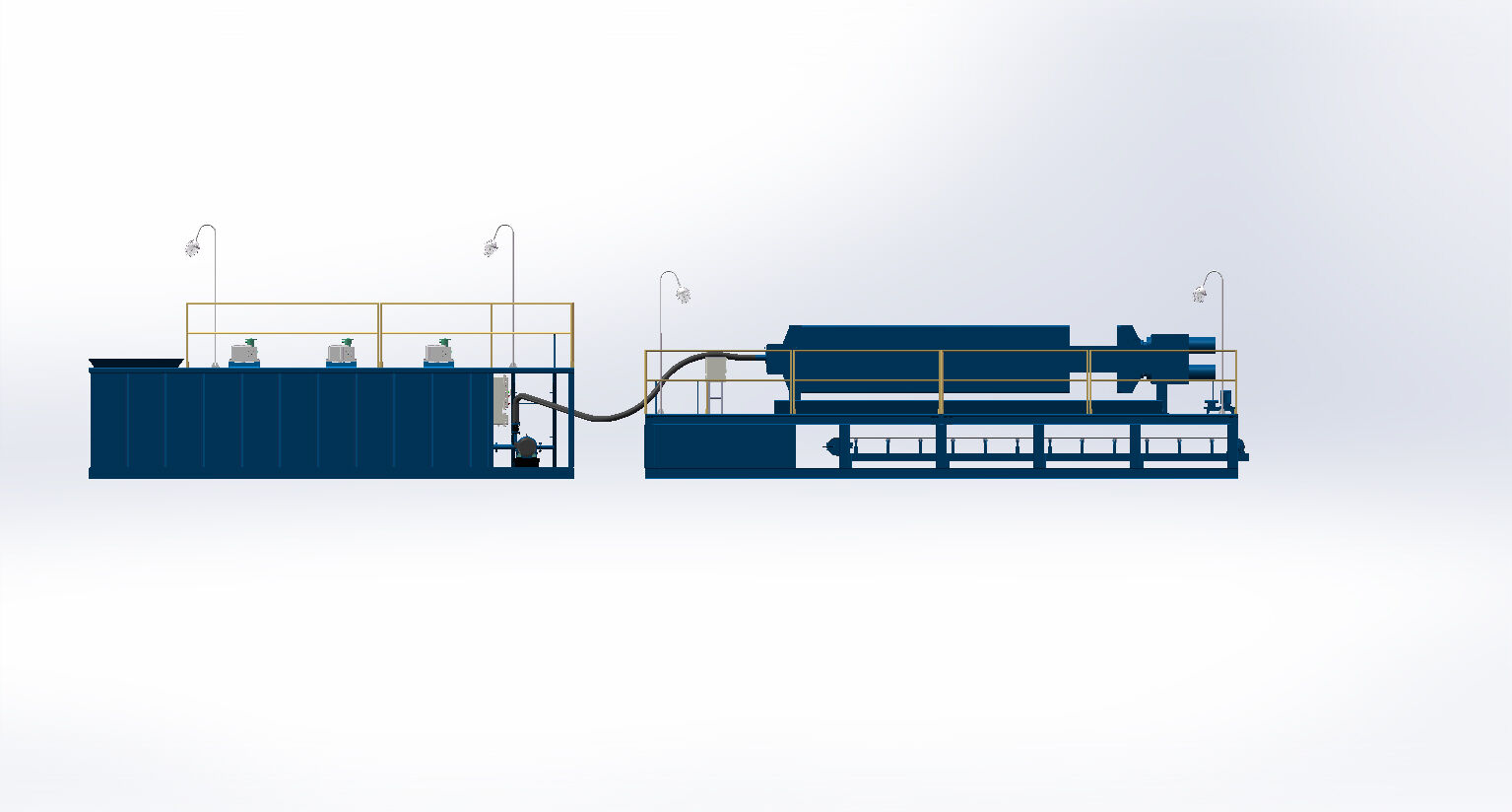
Waterbased drill cuttings treatment represents a critical component of modern drilling operations, employing sophisticated separation processes to recover valuable drilling fluids while managing solid waste effectively. This treatment methodology addresses the environmental and economic challenges associated with waterbased drilling mud systems, where drill cuttings become contaminated with drilling fluids during the drilling process.
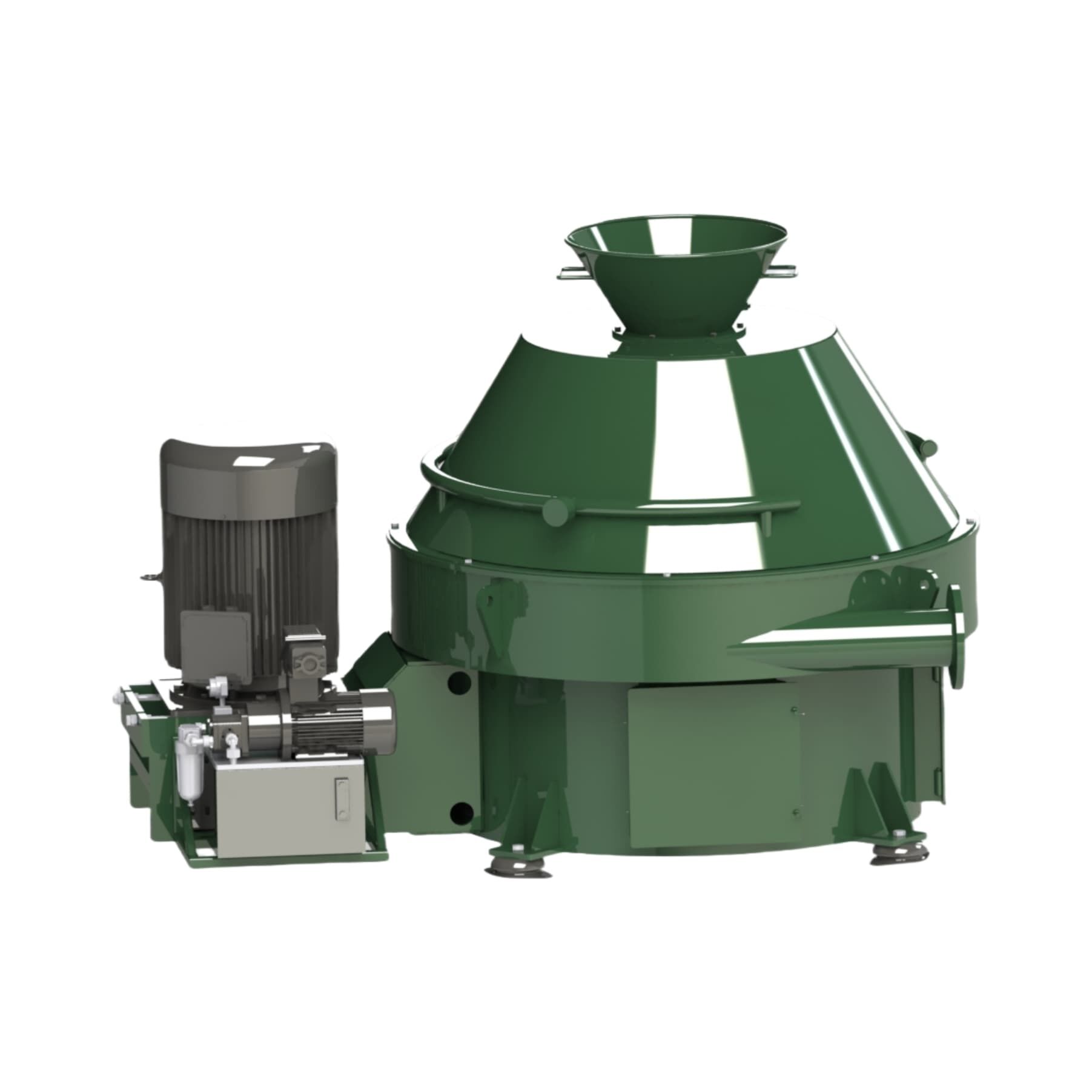
The operational mechanism of waterbased drill cuttings treatment involves multiple stages of separation technology, primarily focusing on thermal desorption and mechanical separation techniques. These processes work together to separate the liquid phase from solid particles, allowing drilling operators to reclaim expensive drilling fluids while reducing the environmental impact of waste disposal. Understanding how this treatment system functions is essential for optimizing drilling efficiency and maintaining regulatory compliance.
Primary Separation Mechanisms
Thermal Desorption Process
The thermal desorption process forms the foundation of waterbased drill cuttings treatment systems. During this phase, contaminated drill cuttings are heated to temperatures typically ranging between 300 to 500 degrees Celsius, creating conditions where the water and drilling fluid components vaporize while leaving the solid rock particles behind. This controlled heating process ensures complete separation without damaging the integrity of the recovered drilling fluids.
The heating mechanism operates through indirect heat transfer, preventing direct contact between the heat source and the drill cuttings. This approach maintains precise temperature control and prevents thermal degradation of valuable drilling fluid additives. The vaporized liquids are then condensed and collected for reuse, while the dried solids are discharged as clean rock particles suitable for disposal or beneficial reuse applications.
Advanced thermal control systems monitor the treatment process continuously, adjusting heat input based on the moisture content and contamination levels of incoming drill cuttings. This dynamic control ensures optimal energy efficiency while maintaining consistent separation performance across varying operating conditions.
Mechanical Separation Technology
Mechanical separation complements the thermal desorption process in comprehensive waterbased drill cuttings treatment systems. High-speed centrifugal forces generated within specialized equipment create conditions where heavier solid particles separate from lighter liquid phases based on density differences. This mechanical action enhances the overall efficiency of the treatment process.
The centrifugal separation operates at precisely controlled rotational speeds, typically ranging from 1,000 to 3,000 revolutions per minute, depending on the specific characteristics of the drill cuttings being processed. Variable speed control allows operators to optimize separation performance based on particle size distribution and fluid viscosity parameters.
Vibrating screen technology also plays a crucial role in mechanical separation, removing larger particles and debris before the material enters the thermal treatment stage. This pre-screening process protects downstream equipment while improving overall treatment efficiency and reducing maintenance requirements.
Fluid Recovery and Recycling
Drilling Fluid Reclamation Process
The fluid recovery aspect of waterbased drill cuttings treatment focuses on reclaiming drilling mud components that maintain their functional properties after separation. The recovered drilling fluids undergo quality assessment to determine their suitability for direct reuse or reconditioning. This evaluation process examines viscosity, density, pH levels, and contamination parameters to ensure the reclaimed fluids meet operational specifications.
Quality control testing occurs at multiple stages throughout the recovery process, including initial assessment of incoming contaminated cuttings, intermediate testing during treatment, and final verification of recovered drilling fluids. This comprehensive testing protocol ensures consistent fluid quality and protects drilling equipment from potential damage caused by contaminated or degraded drilling mud.
The waterbased drill cuttings treatment system incorporates sophisticated filtration stages that remove residual solid particles from recovered drilling fluids. These filtration systems typically employ multiple mesh sizes and filtration media to achieve the required cleanliness levels for drilling fluid reuse.
Water Management and Reuse
Water management represents a critical component of the overall treatment process, as significant volumes of water are typically recovered during waterbased drill cuttings treatment operations. The recovered water undergoes treatment to remove dissolved salts, suspended particles, and chemical additives before being prepared for reuse in drilling operations or alternative applications.
The water treatment process includes multiple purification stages, starting with coarse filtration to remove larger particles, followed by fine filtration and chemical treatment to address dissolved contaminants. Advanced treatment systems may incorporate reverse osmosis or ion exchange technology to achieve high purity levels suitable for sensitive drilling applications.
Recycled water quality monitoring ensures compliance with environmental regulations and operational requirements. Regular testing protocols verify that treated water meets specified standards for pH, total dissolved solids, chloride content, and other critical parameters that could affect drilling performance or environmental compliance.
Environmental Impact and Waste Minimization
Solid Waste Reduction Benefits
Waterbased drill cuttings treatment significantly reduces the volume of solid waste requiring disposal, typically achieving volume reduction ratios of 60 to 80 percent compared to untreated drill cuttings. This reduction occurs through the removal of drilling fluids and water content, leaving behind clean rock particles with minimal contamination levels. The dried solid output typically meets regulatory requirements for standard landfill disposal or beneficial reuse applications.
The environmental benefits extend beyond simple volume reduction, as the treatment process eliminates the liquid phase contamination that would otherwise require hazardous waste disposal protocols. Clean, dried cuttings can often be used for construction applications, road base material, or other beneficial uses that provide economic value while reducing disposal costs.
Proper implementation of waterbased drill cuttings treatment systems helps drilling operators achieve compliance with increasingly stringent environmental regulations governing drilling waste disposal. The treatment process documentation provides clear evidence of responsible waste management practices for regulatory reporting requirements.
Emission Control and Air Quality Protection
Modern waterbased drill cuttings treatment systems incorporate comprehensive emission control technology to prevent air quality impacts during the thermal treatment process. Vapor collection systems capture all emissions generated during heating and ensure proper treatment before atmospheric release. These systems typically include condensation, filtration, and chemical scrubbing stages to remove contaminants.
The emission control process begins with primary vapor collection at the heating chamber, where all gases and vapors are captured through negative pressure ventilation systems. Secondary treatment stages cool and condense water vapors while chemical scrubbing removes any remaining contaminants before the cleaned air stream is released to the atmosphere.
Continuous monitoring systems track emission parameters in real-time, ensuring compliance with air quality standards and providing early detection of any system irregularities. These monitoring systems typically measure temperature, pressure, flow rates, and specific contaminant levels to maintain optimal performance and regulatory compliance.
Operational Efficiency and Performance Optimization
Process Control and Automation
Advanced process control systems optimize the performance of waterbased drill cuttings treatment equipment through automated monitoring and adjustment of critical operating parameters. These control systems continuously monitor factors such as feed rate, temperature profiles, residence time, and separation efficiency to maintain optimal treatment performance while minimizing energy consumption.
Automated control algorithms adjust operating conditions in response to changing characteristics of incoming drill cuttings, such as variations in moisture content, contamination levels, or particle size distribution. This dynamic optimization ensures consistent treatment results while maximizing throughput capacity and minimizing operational costs.
Data logging and reporting capabilities provide detailed documentation of treatment performance for operational analysis and regulatory compliance purposes. Historical performance data enables identification of optimization opportunities and supports predictive maintenance programs that maximize equipment availability.
Energy Efficiency Considerations
Energy efficiency optimization plays a crucial role in the economic viability of waterbased drill cuttings treatment operations. Heat recovery systems capture thermal energy from hot discharged solids and exhaust gases, redirecting this energy to preheat incoming drill cuttings and reduce overall energy consumption. These heat recovery systems typically achieve energy savings of 20 to 40 percent compared to systems without heat integration.
Variable frequency drive technology optimizes motor operation for equipment such as conveyors, fans, and pumps, adjusting motor speed based on actual process requirements rather than operating at fixed speeds. This technology provides significant energy savings while extending equipment life through reduced mechanical stress.
Insulation and thermal management systems minimize heat losses during the treatment process, maintaining efficient heat transfer while reducing energy waste. Advanced insulation materials and thermal barrier designs ensure that thermal energy remains focused on the treatment process rather than being lost to the surrounding environment.
FAQ
What types of drilling fluids can be recovered through waterbased drill cuttings treatment?
Waterbased drill cuttings treatment systems can effectively recover most conventional waterbased drilling mud formulations, including bentonite-based muds, polymer-based systems, and specialized drilling fluids containing various additives. The treatment process is particularly effective with drilling fluids that have boiling points below the operating temperature of the thermal treatment system, typically allowing recovery of water, glycols, and many organic drilling fluid components.
How long does the waterbased drill cuttings treatment process typically take?
The treatment process duration varies depending on the moisture content and contamination levels of the drill cuttings, but typically ranges from 15 to 45 minutes for complete thermal treatment. The overall processing time includes material handling, preheating, thermal treatment, cooling, and discharge phases. Continuous feed systems allow for steady-state operation where treated material is discharged continuously while new contaminated cuttings are fed into the system.
What maintenance requirements are associated with waterbased drill cuttings treatment equipment?
Regular maintenance requirements include daily inspection of heating elements, cleaning of heat transfer surfaces, lubrication of rotating equipment, and replacement of filtration media. Monthly maintenance typically involves more detailed inspection of wear components, calibration of control systems, and testing of safety systems. Annual maintenance includes comprehensive inspection of pressure vessels, replacement of seals and gaskets, and professional calibration of monitoring equipment.
Can waterbased drill cuttings treatment systems handle variations in drilling fluid types during operation?
Modern waterbased drill cuttings treatment systems are designed to accommodate variations in drilling fluid formulations through adjustable operating parameters and flexible process control. The treatment temperature, residence time, and separation settings can be modified to optimize performance for different drilling fluid types. However, significant changes in fluid chemistry may require adjustment periods to optimize treatment efficiency and ensure proper separation performance.
Table of Contents
- Primary Separation Mechanisms
- Fluid Recovery and Recycling
- Environmental Impact and Waste Minimization
- Operational Efficiency and Performance Optimization
-
FAQ
- What types of drilling fluids can be recovered through waterbased drill cuttings treatment?
- How long does the waterbased drill cuttings treatment process typically take?
- What maintenance requirements are associated with waterbased drill cuttings treatment equipment?
- Can waterbased drill cuttings treatment systems handle variations in drilling fluid types during operation?