 EN
EN

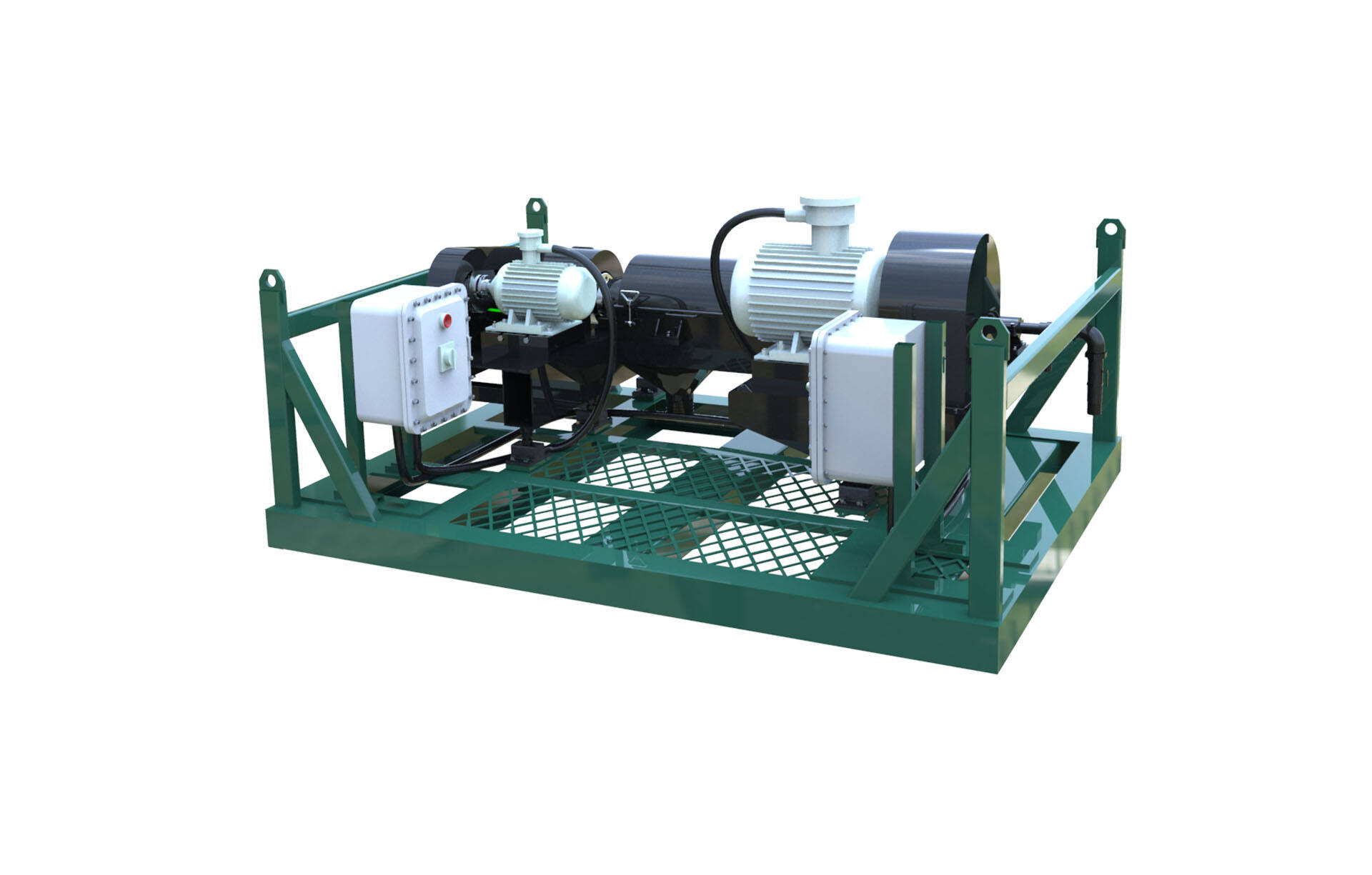
Selecting the appropriate decanter centrifuge for your industrial application requires careful evaluation of multiple technical and operational factors that directly impact separation efficiency and long-term operational costs. The wrong choice can result in suboptimal performance, excessive maintenance expenses, and failure to meet processing requirements.
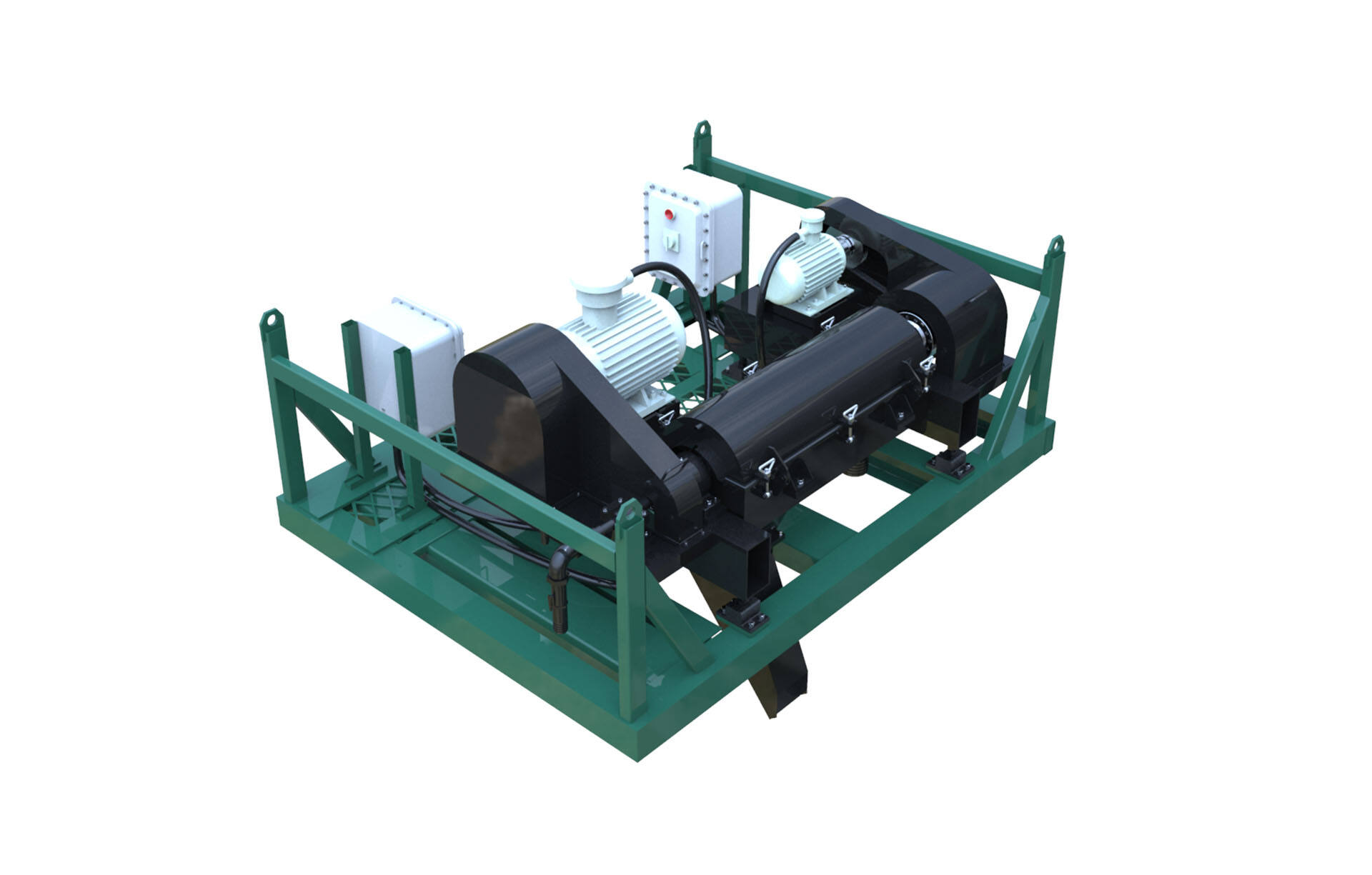
Understanding how to systematically evaluate decanter centrifuge specifications against your specific processing needs ensures optimal equipment selection that delivers consistent separation performance while minimizing operational complexities. This comprehensive assessment approach considers feed characteristics, capacity requirements, separation objectives, and facility constraints to identify the most suitable equipment configuration.
Understanding Your Separation Requirements
Feed Material Characteristics Analysis
The first step in choosing the right decanter centrifuge involves thoroughly analyzing your feed material properties, including particle size distribution, density differences between phases, viscosity, and chemical composition. These characteristics determine the fundamental separation mechanisms that will govern equipment performance and influence design requirements.
Particle size analysis reveals whether your application involves fine particle separation requiring high centrifugal forces or coarser materials that can be processed with standard configurations. The density differential between solid and liquid phases directly affects separation efficiency and determines the minimum bowl speed required for effective clarification.
Material viscosity impacts flow patterns within the decanter centrifuge bowl and influences conveyor torque requirements. Higher viscosity materials may require specialized bowl designs or modified operational parameters to achieve optimal separation performance while preventing excessive wear on mechanical components.
Production Capacity Planning
Accurate capacity planning ensures your selected decanter centrifuge can handle current processing volumes while accommodating future production increases. This analysis must consider peak flow rates, continuous operating requirements, and any seasonal variations in processing demands that could impact equipment sizing decisions.
Throughput calculations should account for the relationship between feed rate and separation efficiency, recognizing that maximum rated capacity may not deliver optimal separation quality. Many applications benefit from operating slightly below maximum capacity to maintain consistent product quality and extend equipment life.
Consider batch versus continuous processing requirements, as this significantly influences decanter centrifuge selection and configuration. Continuous operations demand robust designs with minimal maintenance requirements, while batch processing may allow for more specialized configurations optimized for specific separation challenges.
Technical Specification Evaluation
Bowl Design and Geometry Considerations
Bowl diameter and length ratios significantly impact separation performance, with larger diameters providing higher centrifugal forces while longer bowls offer extended retention time for improved clarification. The optimal combination depends on your specific separation requirements and available installation space.
Cylindrical versus conical bowl sections affect solids discharge characteristics and moisture content in separated cake. Applications requiring dry cake typically benefit from extended conical sections that provide additional drainage time, while liquid clarification applications may prioritize cylindrical sections for maximum separation volume.
Bowl surface treatments and materials of construction must match your process chemistry to prevent corrosion and contamination. Specialized coatings or alloy selections may be required for aggressive chemical environments or food-grade applications requiring specific sanitary standards.
Conveyor Design and Drive Systems
The conveyor screw design directly influences solids transport efficiency and discharge moisture content, with pitch angles and flight configurations tailored to specific material characteristics. Higher differential speeds between bowl and conveyor provide more aggressive solids transport but may increase cake moisture content.
Drive system selection impacts operational flexibility and maintenance requirements, with variable speed drives offering precise control over separation parameters while fixed-speed systems provide simplified operation with reduced complexity. Consider the need for differential speed adjustment during operation when evaluating drive system options.
Torque requirements vary significantly based on material characteristics and operating conditions, making proper drive system sizing critical for reliable operation. Undersized drive systems can result in conveyor stalling under heavy solids loads, while oversized systems increase capital costs and energy consumption unnecessarily.
Operational and Maintenance Factors
Installation and Space Requirements
Decanter centrifuge installation requirements include adequate floor space for the main unit, auxiliary equipment, and maintenance access. Consider ceiling height limitations that may restrict overhead crane access for major maintenance procedures or component replacement activities.
Utility requirements encompass electrical power specifications, process water for dilution or cleaning, and compressed air for pneumatic controls. Ensure your facility infrastructure can support the selected decanter centrifuge without requiring extensive modifications or upgrades.
Vibration isolation and noise control measures may be necessary depending on equipment location and surrounding operations. Some installations require specialized foundations or vibration dampening systems to prevent interference with nearby sensitive equipment or operations.
Maintenance Accessibility and Service Requirements
Routine maintenance accessibility significantly impacts operational costs and downtime duration, making equipment design features that facilitate service access important selection criteria. Consider the frequency of wear part replacement and the complexity of maintenance procedures when comparing different models.
Spare parts availability and supplier support capabilities affect long-term operational reliability and cost predictability. Evaluate manufacturer service networks, parts inventory systems, and technical support resources to ensure adequate support throughout the equipment lifecycle.
Preventive maintenance requirements vary between different decanter centrifuge designs, with some configurations requiring more frequent attention to maintain optimal performance. Factor these ongoing costs into your total cost of ownership calculations when making selection decisions.
Performance Optimization and Control Systems
Process Control Integration
Modern decanter centrifuge installations benefit from advanced control systems that monitor key performance parameters and automatically adjust operating conditions to maintain optimal separation efficiency. These systems can significantly improve product quality consistency while reducing operator workload and training requirements.
Feed flow control systems ensure consistent material loading that prevents overloading while maintaining maximum throughput. Automated feed rate adjustment based on solids content or other process variables helps optimize performance across varying operating conditions.
Torque monitoring and differential speed control systems protect equipment from overload conditions while optimizing separation performance. These features are particularly valuable in applications with variable feed characteristics or when processing materials with unpredictable properties.
Performance Monitoring and Data Collection
Implementing comprehensive performance monitoring systems enables continuous optimization of decanter centrifuge operations while providing valuable data for predictive maintenance programs. Key performance indicators include separation efficiency, cake moisture content, clarified liquid quality, and energy consumption.
Data logging capabilities facilitate trend analysis and help identify gradual performance degradation before it impacts product quality or causes equipment failures. This information proves invaluable for optimizing maintenance schedules and identifying opportunities for process improvements.
Remote monitoring capabilities allow operations personnel to track performance and adjust parameters without being physically present at the equipment location. This feature particularly benefits facilities with multiple decanter centrifuge installations or remote operating locations.
Cost Analysis and Return on Investment
Capital Cost Evaluation
Initial equipment costs vary significantly based on size, materials of construction, and included features, making thorough cost comparison essential for informed decision-making. However, focusing solely on purchase price often leads to suboptimal selections that result in higher long-term operating costs.
Installation costs can represent a substantial portion of total project expenses, particularly when facility modifications are required to accommodate the selected decanter centrifuge. Include all associated costs such as electrical upgrades, foundation work, and auxiliary equipment when comparing alternatives.
Consider financing options and payment terms that may influence the effective cost of equipment acquisition. Some suppliers offer lease programs or extended payment schedules that can improve project cash flow while providing access to advanced technology.
Operating Cost Projections
Energy consumption represents a significant ongoing expense for decanter centrifuge operations, with differences between equipment designs potentially resulting in substantial cost variations over the equipment lifecycle. Evaluate power consumption at various operating conditions to understand true energy costs.
Maintenance costs include routine service, wear part replacement, and periodic overhauls that restore equipment to optimal operating condition. Different designs exhibit varying maintenance requirements that significantly impact total cost of ownership calculations.
Labor costs for operation and maintenance vary based on equipment complexity and automation level, with more sophisticated systems potentially requiring specialized technical skills while reducing overall operator requirements. Factor these considerations into your staffing and training plans.
FAQ
What is the most important factor when selecting a decanter centrifuge?
The most critical factor is matching the equipment's separation capabilities to your specific feed material characteristics and separation objectives. This includes analyzing particle size distribution, density differences, viscosity, and required separation efficiency to ensure the selected decanter centrifuge can achieve your processing goals reliably and cost-effectively.
How do I determine the right size decanter centrifuge for my application?
Sizing requires analyzing your maximum throughput requirements, peak flow conditions, and separation efficiency targets. Consider both current processing volumes and anticipated future growth while accounting for the relationship between feed rate and separation quality. Many applications benefit from selecting equipment with modest excess capacity to maintain optimal performance during peak demand periods.
What maintenance considerations should influence my decanter centrifuge selection?
Evaluate maintenance accessibility, wear part availability, service complexity, and routine maintenance frequency when comparing options. Consider the total cost of ownership including routine service, parts replacement, and periodic overhauls. Equipment designs with simplified maintenance procedures and readily available spare parts typically offer lower long-term operating costs despite potentially higher initial purchase prices.
Can I modify a decanter centrifuge after installation if my requirements change?
Many decanter centrifuge systems offer some flexibility for modifications such as conveyor adjustments, bowl configuration changes, or control system upgrades. However, major capacity increases or fundamental separation requirement changes may require equipment replacement. Discuss future requirements with suppliers during selection to identify equipment platforms that offer the most modification flexibility for anticipated changes.
Table of Contents
- Understanding Your Separation Requirements
- Technical Specification Evaluation
- Operational and Maintenance Factors
- Performance Optimization and Control Systems
- Cost Analysis and Return on Investment
-
FAQ
- What is the most important factor when selecting a decanter centrifuge?
- How do I determine the right size decanter centrifuge for my application?
- What maintenance considerations should influence my decanter centrifuge selection?
- Can I modify a decanter centrifuge after installation if my requirements change?