 EN
EN

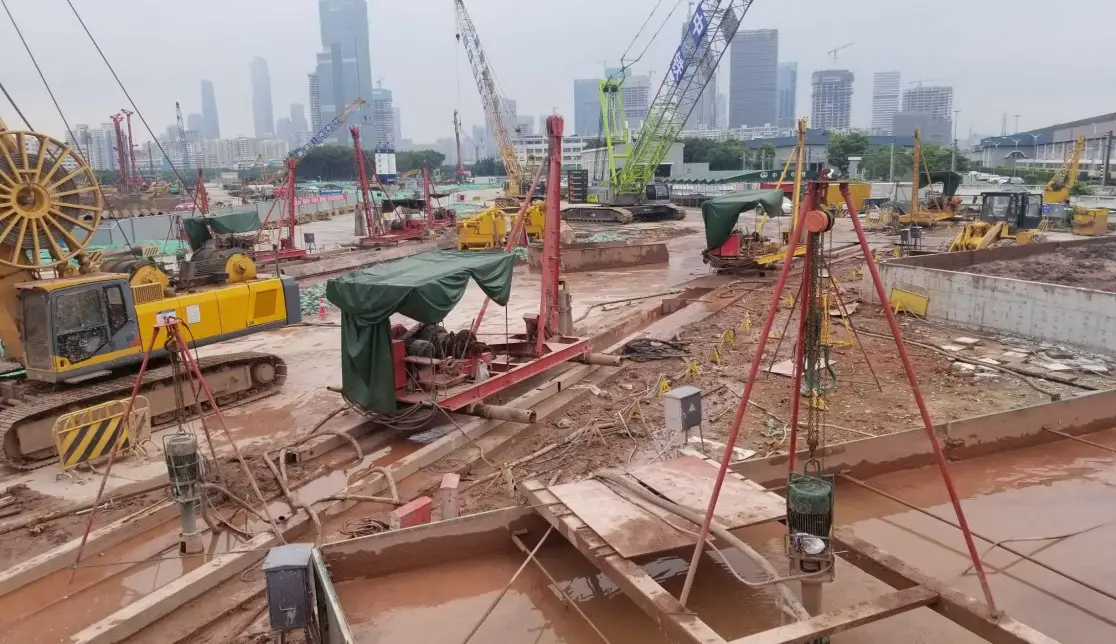
Pipeline waste treatment refers to the comprehensive management and processing of liquid and solid waste materials generated during pipeline construction, maintenance, and decommissioning activities. This critical process involves the collection, separation, treatment, and proper disposal of drilling fluids, slurry materials, excavated soil, and contaminated water that accumulate during trenchless pipeline installation and repair operations. Understanding pipeline waste treatment is essential for construction companies, environmental consultants, and project managers who must navigate increasingly stringent environmental regulations while maintaining operational efficiency and cost-effectiveness.
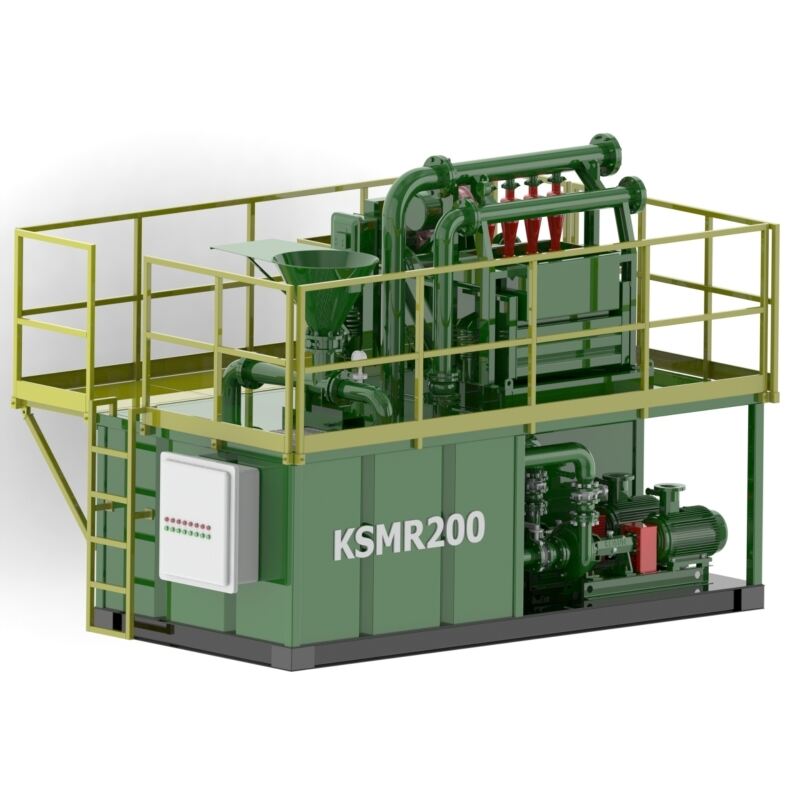
The significance of pipeline waste treatment extends far beyond regulatory compliance, encompassing environmental protection, public health safety, and long-term project sustainability. As infrastructure development continues to expand globally, the volume of waste generated from pipeline projects has grown exponentially, making effective waste treatment strategies a cornerstone of responsible construction practices. Modern pipeline waste treatment systems not only address immediate environmental concerns but also enable resource recovery, cost reduction, and enhanced project timelines through efficient material processing and reuse capabilities.
Understanding Pipeline Waste Treatment Fundamentals
Core Components of Pipeline Waste Materials
Pipeline waste treatment addresses multiple types of materials generated throughout the project lifecycle. Drilling fluids, commonly known as mud, represent the largest volume component requiring treatment. These fluids contain bentonite clay, polymers, and various additives that facilitate the drilling process but create environmental challenges when improperly managed. The composition of these fluids varies significantly based on geological conditions, drilling methods, and project specifications, necessitating adaptable treatment approaches.
Excavated soil and cuttings form another substantial category within pipeline waste treatment protocols. These materials often contain elevated moisture content and may be contaminated with drilling fluids, making direct reuse impossible without proper processing. The soil characteristics, including particle size distribution, clay content, and organic matter levels, directly influence the treatment methodology and equipment selection for effective processing.
Contaminated water streams generated during pipeline construction require specialized treatment to meet discharge standards or enable reuse applications. These streams typically contain suspended solids, chemical additives from drilling operations, and potentially harmful substances that must be removed through comprehensive pipeline waste treatment processes before environmental release.
Treatment Process Technologies and Methods
Modern pipeline waste treatment employs multiple separation technologies to achieve effective material processing and environmental compliance. Mechanical separation forms the foundation of most treatment systems, utilizing screens, hydrocyclones, and centrifuges to separate solids from liquids based on particle size and density differences. These primary separation stages typically remove the bulk of solid materials while preparing liquid streams for further processing.
Advanced chemical treatment methods enhance the effectiveness of mechanical separation in pipeline waste treatment applications. Coagulation and flocculation processes utilize specialized chemicals to bind fine particles together, creating larger aggregates that can be more easily separated through conventional means. The selection of appropriate chemical additives depends on waste composition, environmental conditions, and target treatment outcomes.
Dewatering technologies represent a critical component of comprehensive pipeline waste treatment systems, reducing moisture content in solid waste streams to enable proper disposal or beneficial reuse. Filter presses, belt filters, and centrifugal dewatering equipment achieve varying levels of moisture reduction, with selection based on material characteristics, throughput requirements, and final disposal specifications.
Environmental Impact and Regulatory Considerations
Environmental Protection Requirements
Pipeline waste treatment plays a crucial role in protecting groundwater resources from contamination during construction activities. Untreated drilling fluids and contaminated water can migrate through soil layers, potentially impacting aquifer systems and creating long-term environmental liabilities. Proper treatment prevents the release of harmful chemicals, suspended solids, and organic compounds that could compromise water quality in surrounding areas.
Surface water protection represents another critical environmental consideration driving pipeline waste treatment requirements. Construction activities near rivers, lakes, and wetlands require stringent waste management to prevent sedimentation, chemical contamination, and ecosystem disruption. Treatment systems must achieve discharge standards that protect aquatic habitats while supporting project completion within environmental permit conditions.
Soil contamination prevention through effective pipeline waste treatment protects agricultural lands and natural habitats from long-term damage. Improper disposal of drilling fluids and contaminated materials can alter soil chemistry, reduce fertility, and create zones of persistent contamination. Treatment processes that enable clean soil separation and proper waste disposal maintain the productive capacity of affected land areas.
Regulatory Compliance and Permitting
Federal and state environmental regulations establish specific requirements for pipeline waste treatment that vary by location and project scope. The Clean Water Act and Resource Conservation and Recovery Act provide overarching frameworks that govern waste management practices, while local regulations may impose additional restrictions based on sensitive environmental areas or community concerns.
Permit conditions typically specify treatment standards, monitoring requirements, and disposal methods that must be incorporated into pipeline waste treatment system design. These permits often require real-time monitoring of discharge quality, regular reporting of treatment performance, and maintenance of detailed records documenting waste handling procedures throughout the project duration.
Compliance documentation and reporting protocols form essential components of regulatory adherence in pipeline waste treatment operations. Environmental agencies require comprehensive documentation of waste volumes, treatment effectiveness, disposal locations, and any incidents or deviations from approved procedures. Proper documentation protects project stakeholders from liability while demonstrating environmental stewardship.
Economic Benefits and Cost Considerations
Direct Cost Savings Through Waste Treatment
Effective pipeline waste treatment generates substantial cost savings through reduced disposal fees and transportation expenses. Traditional waste disposal methods require trucking materials to approved landfills or treatment facilities, creating significant transportation costs that increase with project scale and disposal distance. On-site treatment systems eliminate or dramatically reduce these transportation requirements while providing immediate cost benefits.
Material recovery and reuse opportunities within pipeline waste treatment systems provide additional economic advantages through resource conservation. Treated drilling fluids can often be reconditioned and reused in ongoing drilling operations, reducing the need for fresh fluid purchases. Clean soil separation enables beneficial reuse for backfill operations, landscaping, or other construction applications, converting waste streams into valuable resources.
Regulatory compliance costs decrease significantly when projects implement comprehensive pipeline waste treatment systems from the outset. Proactive waste management reduces the risk of environmental violations, associated fines, and potential project delays due to regulatory enforcement actions. The cost of prevention through proper treatment systems typically represents a fraction of potential liability costs from environmental incidents.
Long-term Economic Advantages
Project timeline acceleration through efficient pipeline waste treatment enhances overall project economics by reducing labor costs and equipment rental expenses. On-site treatment systems eliminate waiting periods for waste transportation and disposal, allowing construction activities to proceed without interruption. This operational efficiency translates directly into cost savings through reduced project duration.
Risk mitigation benefits of comprehensive pipeline waste treatment provide long-term economic protection through reduced liability exposure. Environmental contamination incidents can result in costly remediation requirements, legal settlements, and reputational damage that far exceed the initial treatment system investment. Proper waste treatment systems serve as insurance against these potential future costs.
Competitive advantages emerge for contractors who demonstrate expertise in pipeline waste treatment through enhanced bidding capabilities and customer satisfaction. Projects with proven environmental management systems often receive preferential consideration from clients, particularly in sensitive environmental areas where waste management capabilities are critical selection factors.
Operational Implementation and Best Practices
System Design and Equipment Selection
Successful pipeline waste treatment implementation begins with comprehensive system design that addresses project-specific waste characteristics, environmental conditions, and regulatory requirements. Site assessment activities must evaluate soil types, groundwater levels, sensitive environmental features, and logistical constraints that influence treatment system configuration and capacity requirements.
Equipment selection for pipeline waste treatment systems requires careful consideration of waste volumes, treatment standards, and operational flexibility needs. Modular treatment systems offer advantages in terms of scalability and adaptability to changing project conditions, while integrated systems may provide higher efficiency for consistent waste streams. The selection process must balance capital costs, operating expenses, and performance requirements to optimize project economics.
Capacity planning ensures that pipeline waste treatment systems can handle peak waste generation periods without creating operational bottlenecks. Construction activities often generate variable waste volumes based on geological conditions, weather factors, and drilling progress, requiring treatment systems with sufficient surge capacity to maintain continuous operations during high-generation periods.
Quality Control and Performance Monitoring
Continuous monitoring systems enable real-time assessment of pipeline waste treatment performance and rapid response to operational deviations. Automated monitoring equipment tracks key parameters including discharge quality, treatment efficiency, and system performance indicators that ensure consistent compliance with environmental standards and operational targets.
Quality assurance protocols establish systematic procedures for verifying treatment effectiveness and maintaining consistent performance standards throughout project duration. Regular sampling and analysis programs document treatment system performance while identifying opportunities for optimization and process improvements that enhance overall efficiency.
Maintenance programs ensure reliable operation of pipeline waste treatment systems through preventive maintenance schedules, equipment inspections, and performance optimization procedures. Proper maintenance reduces downtime risks, extends equipment life, and maintains treatment effectiveness throughout project completion.
Future Trends and Technology Advancement
Emerging Treatment Technologies
Advanced separation technologies continue to evolve in response to increasingly stringent environmental standards and growing demand for resource recovery in pipeline waste treatment applications. Membrane filtration systems, electrocoagulation processes, and advanced oxidation technologies offer enhanced treatment capabilities for challenging waste streams that traditional methods cannot effectively address.
Automation and digital monitoring systems are transforming pipeline waste treatment operations through enhanced process control, predictive maintenance capabilities, and real-time optimization. Internet of Things sensors, artificial intelligence algorithms, and cloud-based monitoring platforms enable remote system management and automated response to changing operational conditions.
Sustainable treatment approaches emphasize circular economy principles that maximize resource recovery while minimizing environmental impact. These systems focus on converting waste streams into useful products, reducing overall project environmental footprint, and supporting long-term sustainability objectives in pipeline construction activities.
Industry Evolution and Market Drivers
Regulatory trends continue to drive innovation in pipeline waste treatment technologies as environmental agencies implement more stringent discharge standards and expand oversight of construction waste management practices. These evolving requirements create market demand for advanced treatment capabilities that exceed current regulatory minimums while preparing for future compliance challenges.
Climate change considerations are influencing pipeline waste treatment system design through emphasis on energy efficiency, carbon footprint reduction, and resilience to extreme weather conditions. Treatment systems must incorporate climate adaptation strategies while supporting broader sustainability goals in infrastructure development projects.
Market consolidation and standardization trends are shaping the pipeline waste treatment industry through development of common performance standards, equipment certification programs, and best practice guidelines that enhance treatment effectiveness while reducing implementation complexity for project stakeholders.
FAQ
What types of waste are generated during pipeline construction that require treatment?
Pipeline construction generates several waste types requiring specialized treatment, including drilling fluids or mud containing bentonite clay and chemical additives, excavated soil and rock cuttings contaminated with drilling fluids, contaminated water from drilling and hydrostatic testing operations, and various debris and construction materials. Each waste type requires specific treatment approaches based on composition, contamination levels, and disposal or reuse requirements.
How does pipeline waste treatment help projects meet environmental regulations?
Pipeline waste treatment ensures compliance with environmental regulations by removing contaminants from waste streams before discharge or disposal, preventing soil and groundwater contamination through proper waste handling procedures, meeting specific discharge standards established by environmental permits, and providing documentation and monitoring data required by regulatory agencies. Treatment systems enable projects to operate within environmental permit conditions while protecting sensitive ecological areas.
What are the main cost benefits of implementing pipeline waste treatment systems?
The primary cost benefits include reduced disposal and transportation expenses through on-site treatment, material recovery and reuse opportunities that eliminate waste disposal costs, prevention of environmental violations and associated fines or cleanup costs, accelerated project timelines through continuous waste processing capabilities, and reduced liability exposure from potential environmental incidents. These benefits typically far exceed the initial investment in treatment equipment and operations.
How do modern pipeline waste treatment systems handle different types of drilling fluids?
Modern treatment systems utilize multiple separation technologies including mechanical screening and centrifugal separation for initial solids removal, chemical treatment processes for fine particle coagulation and flocculation, dewatering equipment such as filter presses or belt filters for moisture reduction, and specialized processing for different fluid types including water-based, oil-based, and synthetic drilling fluids. Treatment protocols are customized based on fluid composition, environmental conditions, and reuse requirements to optimize separation efficiency and environmental compliance.
Table of Contents
- Understanding Pipeline Waste Treatment Fundamentals
- Environmental Impact and Regulatory Considerations
- Economic Benefits and Cost Considerations
- Operational Implementation and Best Practices
- Future Trends and Technology Advancement
-
FAQ
- What types of waste are generated during pipeline construction that require treatment?
- How does pipeline waste treatment help projects meet environmental regulations?
- What are the main cost benefits of implementing pipeline waste treatment systems?
- How do modern pipeline waste treatment systems handle different types of drilling fluids?