 EN
EN

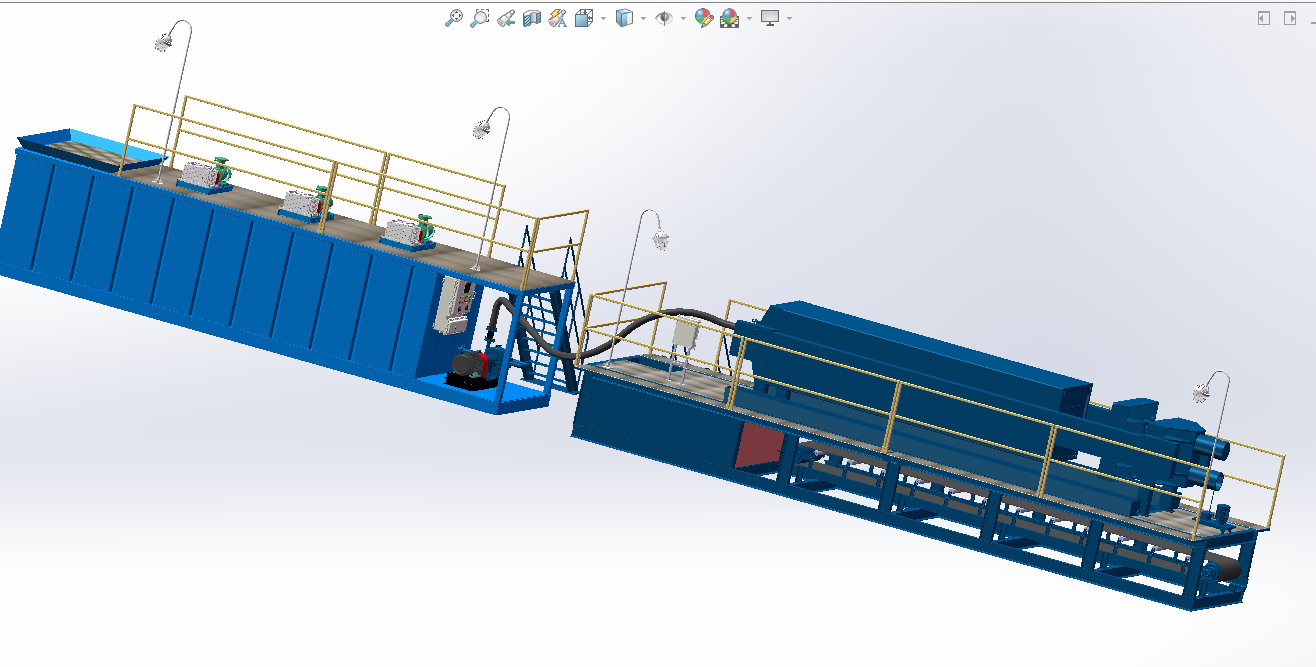
Waterbased drilling cuttings treatment represents a critical process in modern drilling operations, where rock fragments and drilling fluid residues must be efficiently separated and processed to meet environmental regulations and operational efficiency requirements. This treatment process involves sophisticated mechanical and chemical separation techniques that recover valuable drilling fluid while preparing waste materials for safe disposal or reuse.
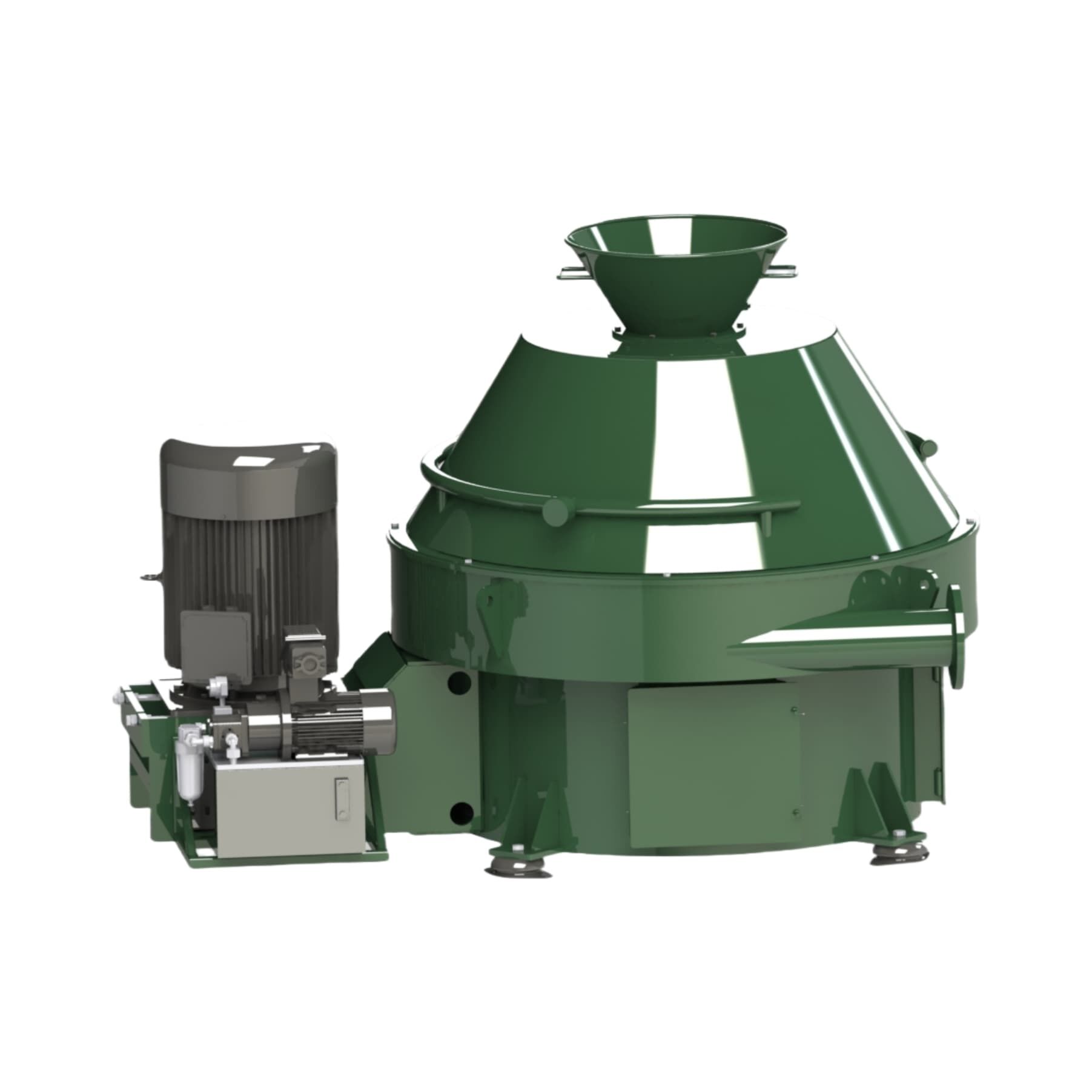
The fundamental mechanism behind waterbased drilling cuttings treatment relies on the physical properties differences between drilling mud, water, oil traces, and solid rock particles. Understanding how these treatment systems operate helps drilling contractors optimize their waste management strategies, reduce environmental impact, and maintain compliance with increasingly stringent discharge regulations across different jurisdictions.
Primary Separation Mechanisms in Waterbased Drilling Cuttings Treatment
Mechanical Separation Processes
The initial stage of waterbased drilling cuttings treatment begins with mechanical separation techniques that exploit size and density differences between various components. Shale shakers form the first line of defense, using vibrating screens to separate larger rock fragments from the drilling fluid mixture. These devices operate on the principle of particle size differentiation, allowing liquid and fine particles to pass through while retaining coarser cuttings material.
Hydrocyclones represent another crucial component in the mechanical separation phase of waterbased drilling cuttings treatment systems. These cone-shaped devices use centrifugal force to separate particles based on density and size differences. The drilling fluid mixture enters tangentially, creating a vortex that forces heavier particles toward the outer wall while lighter materials move toward the center and exit through the overflow.
Centrifuges provide the most intensive mechanical separation in waterbased drilling cuttings treatment operations. These high-speed rotating devices generate forces hundreds of times greater than gravity, enabling precise separation of fine particles that cannot be removed through conventional screening methods. The centrifugal action separates the mixture into distinct phases based on density gradients.
Thermal Treatment Applications
Thermal processing represents an advanced approach in waterbased drilling cuttings treatment where conventional mechanical methods prove insufficient. Heat application drives off remaining moisture and volatile compounds, reducing the overall volume of waste material requiring disposal. This process typically operates at controlled temperatures to prevent thermal degradation of beneficial drilling fluid components.
The thermal treatment phase of waterbased drilling cuttings treatment systems utilizes indirect heating methods to avoid direct flame contact with potentially flammable materials. Heat exchangers and thermal screw conveyors provide controlled temperature environments that optimize moisture removal while preserving recoverable drilling fluid components.
Vapor recovery systems work in conjunction with thermal treatment units to capture and condense evaporated water and drilling fluid components. This approach maximizes the efficiency of waterbased drilling cuttings treatment by recovering valuable materials that would otherwise be lost during the heating process.
Chemical Enhancement and Conditioning Processes
Polymer Addition and Flocculation
Chemical conditioning plays a vital role in optimizing waterbased drilling cuttings treatment efficiency by modifying the physical properties of the drilling mud and cuttings mixture. Polymer additives enhance the separation characteristics by promoting flocculation, where fine particles aggregate into larger, more easily separated clusters. This chemical enhancement significantly improves the performance of downstream mechanical separation equipment.
Anionic and cationic polymers serve different functions within waterbased drilling cuttings treatment systems depending on the specific drilling fluid composition and formation characteristics. The selection of appropriate polymer types and concentrations requires careful consideration of drilling fluid chemistry, formation mineralogy, and desired treatment outcomes.
Coagulant chemicals work synergistically with polymers in waterbased drilling cuttings treatment applications to neutralize particle surface charges and promote rapid settling. These additives reduce the time required for solid-liquid separation and improve the clarity of recovered drilling fluid for potential reuse in drilling operations.
pH Control and Chemical Stabilization
Maintaining optimal pH levels throughout the waterbased drilling cuttings treatment process ensures maximum separation efficiency and prevents chemical degradation of valuable drilling fluid components. Acidic or highly alkaline conditions can interfere with polymer effectiveness and compromise the mechanical integrity of separation equipment.
Chemical stabilization techniques employed in waterbased drilling cuttings treatment systems prevent precipitation of dissolved minerals and maintain drilling fluid rheological properties throughout the separation process. These measures protect equipment from scaling and fouling while preserving the commercial value of recovered drilling materials.
Corrosion inhibitors and biocides represent additional chemical components in comprehensive waterbased drilling cuttings treatment systems, protecting metallic equipment surfaces and preventing microbial growth that could interfere with separation processes or create operational safety hazards.
Equipment Integration and Process Flow Optimization
Sequential Processing Stages
Effective waterbased drilling cuttings treatment requires careful coordination between multiple processing stages to achieve optimal separation efficiency and material recovery rates. The process flow typically begins with coarse screening, progresses through intermediate separation steps, and concludes with fine polishing treatments that prepare materials for discharge or reuse.
Buffer tanks and surge vessels play crucial roles in waterbased drilling cuttings treatment systems by providing residence time for chemical reactions and maintaining consistent feed rates to downstream equipment. These components smooth out operational variations and allow operators to optimize treatment parameters for changing drilling conditions.
Automated control systems monitor key process parameters throughout waterbased drilling cuttings treatment operations, adjusting equipment settings and chemical feed rates to maintain optimal performance. These systems reduce operator workload while ensuring consistent treatment quality regardless of variations in feed material composition.
Material Handling and Transport Systems
Conveying systems within waterbased drilling cuttings treatment facilities must handle abrasive materials while maintaining process integrity and preventing cross-contamination between different waste streams. Screw conveyors, belt systems, and pneumatic transport methods each offer specific advantages depending on material characteristics and facility layout requirements.
Solids dewatering equipment represents the final mechanical stage in most waterbased drilling cuttings treatment systems, reducing moisture content to levels acceptable for landfill disposal or beneficial reuse applications. Filter presses, belt filters, and centrifugal dewatering units each provide different performance characteristics suited to specific waste stream compositions.
Quality control sampling and testing protocols ensure that treated materials from waterbased drilling cuttings treatment operations meet regulatory discharge requirements and internal quality standards. Regular monitoring of key parameters enables operators to make timely adjustments and maintain consistent treatment performance.
Environmental Compliance and Discharge Standards
Regulatory Framework and Requirements
Environmental regulations governing waterbased drilling cuttings treatment vary significantly between jurisdictions, but generally focus on limiting discharge of oil, grease, suspended solids, and toxic substances to receiving waters or soil environments. Understanding these requirements drives the design and operation of treatment systems to achieve compliant discharge quality.
Discharge permit conditions typically specify maximum allowable concentrations for various contaminants in treated effluent from waterbased drilling cuttings treatment facilities. These limits influence equipment selection, chemical treatment protocols, and monitoring requirements to demonstrate ongoing compliance with environmental protection standards.
Waste characterization requirements mandate comprehensive testing of both feed materials and treated products from waterbased drilling cuttings treatment operations. This data supports regulatory compliance documentation and provides feedback for process optimization efforts aimed at improving treatment efficiency and environmental performance.
Monitoring and Documentation Systems
Continuous monitoring systems track critical parameters throughout waterbased drilling cuttings treatment processes, generating data records required for regulatory reporting and internal quality assurance programs. These systems provide early warning of process upsets that could compromise discharge quality or equipment performance.
Laboratory testing protocols ensure that samples from waterbased drilling cuttings treatment operations receive appropriate analysis for regulated parameters using approved analytical methods. Chain of custody procedures and quality control measures maintain data integrity for regulatory reporting purposes.
Documentation management systems organize the extensive records generated during waterbased drilling cuttings treatment operations, facilitating regulatory inspections and internal audits while supporting continuous improvement initiatives based on historical performance data.
Performance Optimization and Operational Efficiency
Process Parameter Control
Optimizing waterbased drilling cuttings treatment performance requires careful attention to numerous process variables including feed rate, chemical dosing, temperature, residence time, and equipment operating parameters. Small adjustments to these variables can significantly impact separation efficiency and overall system performance.
Real-time monitoring and control systems enable operators to respond quickly to changing conditions in waterbased drilling cuttings treatment facilities, maintaining optimal performance despite variations in feed material composition or flow rates. These systems reduce operating costs while improving treatment consistency.
Predictive maintenance programs utilize equipment monitoring data to anticipate maintenance needs before failures occur, reducing downtime and maintaining consistent waterbased drilling cuttings treatment performance. These programs extend equipment life while reducing overall operating costs.
Economic Considerations and Cost Management
Economic optimization of waterbased drilling cuttings treatment operations balances treatment costs against environmental compliance requirements and potential revenue from recovered materials. Understanding these trade-offs enables operators to select treatment strategies that minimize overall project costs while meeting regulatory obligations.
Energy consumption represents a significant operating cost in waterbased drilling cuttings treatment facilities, particularly for thermal treatment and mechanical separation equipment. Implementing energy-efficient technologies and optimizing operating procedures can substantially reduce overall treatment costs.
Waste minimization strategies integrated into waterbased drilling cuttings treatment operations reduce the volume of materials requiring disposal while maximizing recovery of valuable drilling fluid components. These approaches provide both economic and environmental benefits through reduced disposal costs and material recovery revenues.
FAQ
What are the main steps involved in waterbased drilling cuttings treatment?
The main steps in waterbased drilling cuttings treatment include initial mechanical separation using shale shakers and hydrocyclones, followed by chemical conditioning with polymers and coagulants, then advanced separation using centrifuges or thermal treatment units, and finally dewatering and quality control testing before discharge or disposal. Each step removes different contaminants and recovers valuable drilling fluid components.
How effective is waterbased drilling cuttings treatment at removing oil and grease?
Properly designed waterbased drilling cuttings treatment systems typically achieve oil and grease removal efficiencies exceeding 95%, often reducing concentrations from several thousand parts per million in untreated cuttings to less than 50 ppm in treated discharge. The actual removal efficiency depends on the specific treatment technologies employed, chemical conditioning protocols, and operating parameters maintained throughout the process.
What happens to the recovered drilling fluid from waterbased drilling cuttings treatment?
Recovered drilling fluid from waterbased drilling cuttings treatment can often be reused in drilling operations after quality testing and possible reconditioning with fresh additives. This reuse reduces drilling fluid costs and minimizes waste generation. If the recovered fluid quality is insufficient for reuse, it may be processed further or disposed of according to environmental regulations depending on its contamination levels and local disposal requirements.
How long does the waterbased drilling cuttings treatment process typically take?
The complete waterbased drilling cuttings treatment process typically requires 2-6 hours from initial feed to final discharge, depending on the specific treatment technologies employed, feed material characteristics, and desired treatment quality. Mechanical separation stages operate relatively quickly, while chemical conditioning and thermal treatment phases may require longer residence times to achieve optimal separation efficiency and regulatory compliance.
Table of Contents
- Primary Separation Mechanisms in Waterbased Drilling Cuttings Treatment
- Chemical Enhancement and Conditioning Processes
- Equipment Integration and Process Flow Optimization
- Environmental Compliance and Discharge Standards
- Performance Optimization and Operational Efficiency
-
FAQ
- What are the main steps involved in waterbased drilling cuttings treatment?
- How effective is waterbased drilling cuttings treatment at removing oil and grease?
- What happens to the recovered drilling fluid from waterbased drilling cuttings treatment?
- How long does the waterbased drilling cuttings treatment process typically take?