 EN
EN

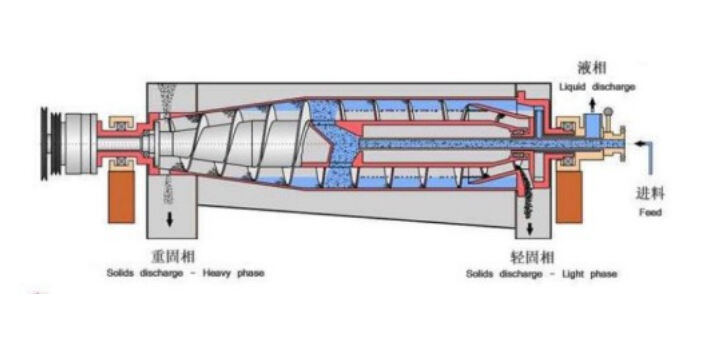
Industrial facilities across the globe face mounting pressure to manage waste streams efficiently while meeting increasingly strict environmental regulations. When it comes to sludge separation and dewatering, the choice of equipment can significantly impact operational efficiency, compliance outcomes, and overall cost-effectiveness. The industrial waste decanter centrifuge has emerged as a preferred solution for many facilities, offering compelling advantages over traditional separation methods.
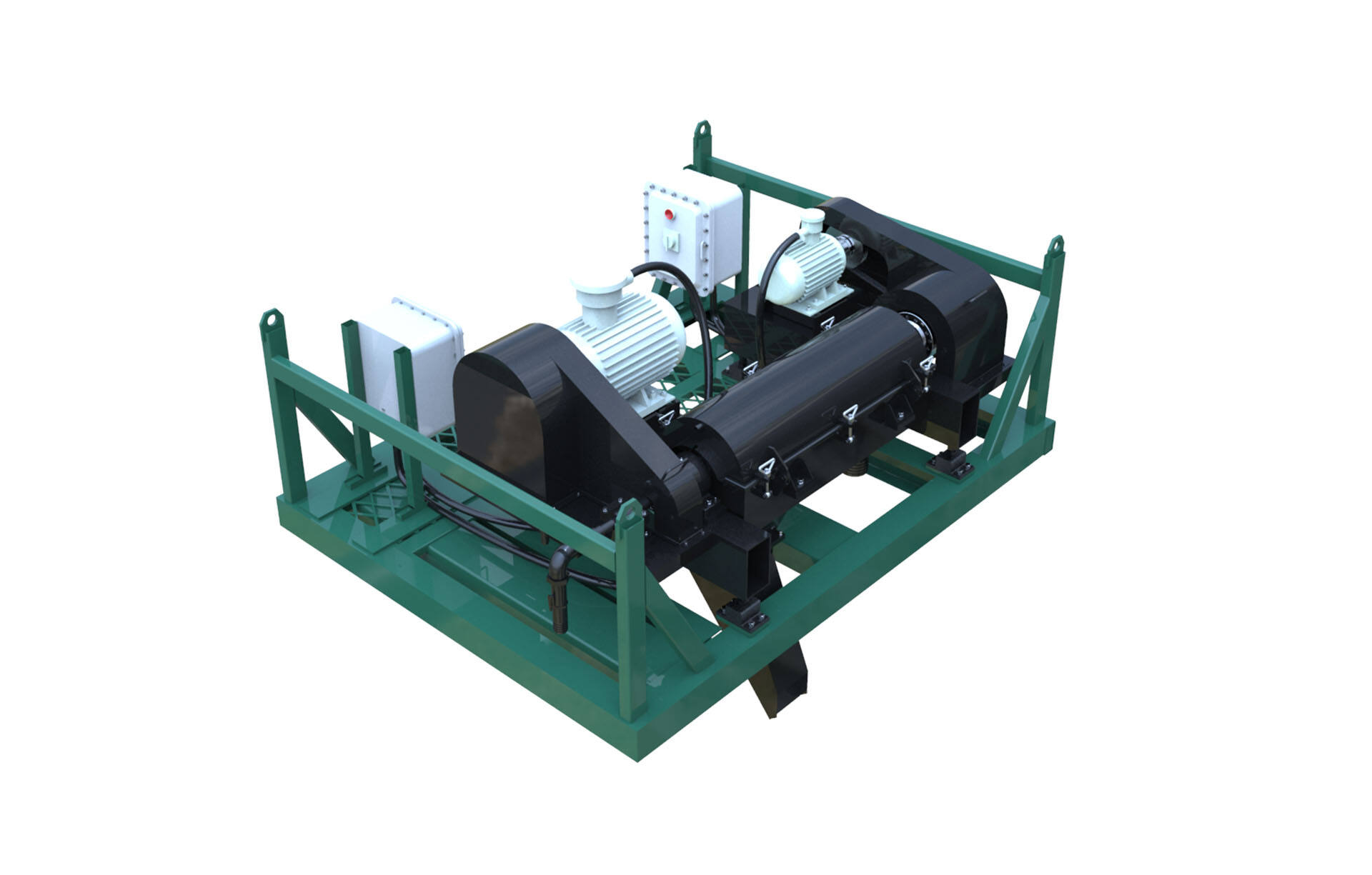
The decision to invest in an industrial waste decanter centrifuge represents more than just equipment procurement—it reflects a strategic commitment to sustainable operations, regulatory compliance, and long-term cost optimization. Understanding the specific benefits and applications of this technology is crucial for facility managers, environmental engineers, and decision-makers who must balance performance requirements with budget constraints while ensuring their operations meet current and future environmental standards.
Superior Separation Performance and Efficiency
High Separation Efficiency Across Variable Conditions
The industrial waste decanter centrifuge delivers exceptional separation performance through its continuous operation design and high gravitational forces. Unlike batch processing systems, this technology maintains consistent separation efficiency even when handling varying sludge characteristics, moisture content, and particle size distributions. The centrifugal force generated—often exceeding 3000 times gravitational acceleration—ensures thorough separation of solids from liquids, achieving dry cake concentrations that traditional methods struggle to match.
This superior performance translates directly into operational benefits. Facilities processing industrial waste sludge report achieving solid cake dryness levels of 20-35%, significantly higher than alternatives like belt filter presses or vacuum filters. The enhanced separation efficiency reduces downstream handling requirements, minimizes disposal volumes, and often eliminates the need for additional dewatering steps that would otherwise increase processing costs and complexity.
Continuous Operation Capability
The continuous operation design of an industrial waste decanter centrifuge eliminates the productivity losses associated with batch processing systems. This technology processes sludge streams without interruption, maintaining steady throughput rates that align with upstream process demands. For facilities with consistent waste generation patterns, this continuity ensures optimal resource utilization and prevents process bottlenecks that could impact overall plant efficiency.
Continuous operation also provides better process control and predictability. Operators can maintain stable operating parameters, monitor performance metrics in real-time, and make adjustments without stopping the separation process. This operational continuity is particularly valuable in industrial settings where waste streams cannot be stored indefinitely and must be processed as generated to maintain facility compliance and efficiency.
Cost-Effectiveness and Return on Investment
Reduced Operating Costs Through Automation
Modern industrial waste decanter centrifuge systems incorporate advanced automation features that significantly reduce labor requirements compared to manual or semi-automated alternatives. Automated feed control, wash water management, and discharge systems minimize the need for constant operator intervention, allowing facilities to allocate human resources to higher-value activities while maintaining consistent separation performance.
The automation capabilities extend beyond basic operation to include predictive maintenance features, performance monitoring, and remote diagnostics. These advanced control systems help prevent unexpected downtime, optimize energy consumption, and extend equipment lifespan. Facilities report labor cost reductions of 40-60% compared to conventional separation methods, with additional savings from reduced maintenance requirements and improved process reliability.
Lower Total Cost of Ownership
When evaluating separation equipment options, the total cost of ownership for an industrial waste decanter centrifuge often proves more favorable than initially apparent. While the initial capital investment may exceed simpler technologies, the combination of higher throughput capacity, reduced operating costs, and longer service life creates compelling economic value over the equipment's operational lifetime.
Energy efficiency represents another significant cost advantage. Modern industrial waste decanter centrifuge designs incorporate variable frequency drives, optimized bowl geometries, and advanced scroll configurations that minimize power consumption while maintaining separation performance. These efficiency improvements typically result in energy cost savings of 20-30% compared to older centrifuge designs or alternative separation technologies, contributing to both cost reduction and environmental sustainability objectives.
Environmental Compliance and Sustainability Benefits
Enhanced Regulatory Compliance
Environmental regulations governing industrial waste management continue to evolve, with stricter requirements for effluent quality, solid waste disposal, and overall environmental impact. The industrial waste decanter centrifuge helps facilities meet these demanding standards through superior separation performance that produces clearer centrate and drier solids, reducing both liquid discharge volumes and solid waste disposal requirements.
The technology's ability to handle variable feed conditions while maintaining consistent performance provides operational flexibility that supports compliance even as waste stream characteristics change. This reliability is particularly valuable for facilities subject to periodic regulatory inspections or those operating under strict discharge permits where performance consistency directly impacts compliance status and potential regulatory penalties.
Sustainable Waste Management Practices
Sustainability considerations increasingly influence equipment selection decisions as organizations seek to minimize their environmental footprint while maintaining operational efficiency. The industrial waste decanter centrifuge contributes to sustainability objectives through multiple pathways, including reduced waste volumes, lower energy consumption per unit processed, and enhanced resource recovery potential from waste streams.
The technology's high separation efficiency enables better recovery of valuable materials from industrial waste streams, supporting circular economy principles by transforming waste into potentially useful byproducts. Additionally, the reduced volume of final waste products decreases transportation requirements and landfill disposal needs, contributing to overall environmental impact reduction while often generating cost savings through lower disposal fees.
Operational Flexibility and Adaptability
Versatile Application Range
Industrial facilities often process diverse waste streams with varying characteristics, requiring separation equipment capable of handling different sludge types, concentrations, and chemical compositions. The industrial waste decanter centrifuge demonstrates exceptional versatility in processing applications ranging from biological sludges and chemical precipitates to oily waste and metal-bearing slurries, making it suitable for multi-product facilities or operations with changing waste stream compositions.
This versatility extends to processing conditions as well. The technology can accommodate wide ranges of feed flow rates, solid concentrations, and particle size distributions without requiring significant operational adjustments or equipment modifications. This adaptability provides operational resilience and reduces the need for multiple separation systems, simplifying facility design and maintenance requirements while ensuring consistent performance across varying conditions.
Scalability and Capacity Management
Business growth, process changes, and regulatory requirements often necessitate modifications to waste processing capacity. The industrial waste decanter centrifuge offers scalability options that support facility expansion or process intensification without complete system replacement. Multiple units can be operated in parallel to increase overall capacity, or existing equipment can be upgraded with enhanced components to improve performance or handle different waste types.
This scalability provides strategic flexibility for facilities planning long-term operations or anticipating changes in waste generation patterns. Rather than over-sizing initial installations or accepting capacity constraints, facilities can implement phased approaches that align equipment capacity with actual processing requirements while maintaining the option for future expansion as business needs evolve.
Maintenance Advantages and Operational Reliability
Simplified Maintenance Requirements
The robust design of modern industrial waste decanter centrifuge systems incorporates features that minimize maintenance requirements and extend service intervals. Wear-resistant materials, optimized component geometries, and improved lubrication systems reduce the frequency of routine maintenance activities while extending the operational life of critical components such as the scroll conveyor and bowl assembly.
Maintenance simplification translates directly into operational advantages. Reduced maintenance frequency means fewer production interruptions, lower spare parts inventory requirements, and decreased maintenance labor costs. Many facilities report maintenance cost reductions of 30-50% compared to alternative separation technologies, with additional benefits from improved maintenance scheduling flexibility and reduced emergency repair incidents.
Enhanced Process Reliability
Process reliability represents a critical factor in waste treatment operations where equipment failures can result in regulatory violations, environmental incidents, or costly production disruptions. The industrial waste decanter centrifuge provides enhanced reliability through its continuous operation design, robust construction, and advanced monitoring capabilities that enable proactive maintenance and problem prevention.
Reliability improvements extend beyond the separation equipment itself to encompass overall process stability. The consistent performance characteristics of the industrial waste decanter centrifuge reduce variability in downstream processes, improve overall system predictability, and minimize the risk of process upsets that could impact facility operations or environmental compliance. This reliability provides operational confidence that supports better planning, resource allocation, and risk management.
FAQ
How does an industrial waste decanter centrifuge compare to other sludge separation methods?
An industrial waste decanter centrifuge offers significant advantages over alternative separation methods including higher separation efficiency, continuous operation capability, and better adaptability to varying feed conditions. Compared to belt filter presses, centrifuges achieve higher cake dryness levels and require less operator intervention. Unlike vacuum filters, they can handle a wider range of sludge types and maintain consistent performance regardless of ambient conditions. The continuous operation design also provides higher throughput capacity than batch processing systems while reducing labor requirements and improving process reliability.
What types of industrial sludge can be processed effectively with a decanter centrifuge?
Industrial waste decanter centrifuges can effectively process a wide variety of sludge types including biological treatment sludges, chemical precipitation sludges, oil-water emulsions, metal-bearing wastes, and organic waste streams. The technology is particularly effective with sludges containing particles in the 0.5 to 500 micron size range and can handle solid concentrations from 0.5% to 15% in the feed stream. The versatility of the equipment makes it suitable for facilities processing multiple waste types or those with changing waste stream characteristics over time.
What are the typical operating costs associated with an industrial waste decanter centrifuge?
Operating costs for an industrial waste decanter centrifuge typically include energy consumption, maintenance, polymer or flocculant addition, and labor. Energy costs generally range from $2-8 per dry ton of solids processed, depending on sludge characteristics and local utility rates. Maintenance costs are typically 2-4% of the initial equipment cost annually. Polymer costs vary based on sludge conditioning requirements but generally range from $5-15 per dry ton. The automated operation significantly reduces labor costs compared to manual systems, often requiring only periodic monitoring rather than continuous operator presence.
How long does an industrial waste decanter centrifuge typically last and what factors affect its lifespan?
A well-maintained industrial waste decanter centrifuge typically operates effectively for 15-25 years, with some units achieving even longer service lives under favorable conditions. Key factors affecting lifespan include sludge abrasiveness, chemical compatibility, operating hours per year, maintenance quality, and initial equipment design. Proper selection of wear-resistant materials, regular maintenance according to manufacturer recommendations, and appropriate operating parameter control can significantly extend equipment life. Many facilities report achieving 20+ year operational lives with proper care, making the long-term economics very favorable compared to alternatives requiring more frequent replacement.
Table of Contents
- Superior Separation Performance and Efficiency
- Cost-Effectiveness and Return on Investment
- Environmental Compliance and Sustainability Benefits
- Operational Flexibility and Adaptability
- Maintenance Advantages and Operational Reliability
-
FAQ
- How does an industrial waste decanter centrifuge compare to other sludge separation methods?
- What types of industrial sludge can be processed effectively with a decanter centrifuge?
- What are the typical operating costs associated with an industrial waste decanter centrifuge?
- How long does an industrial waste decanter centrifuge typically last and what factors affect its lifespan?