 EN
EN

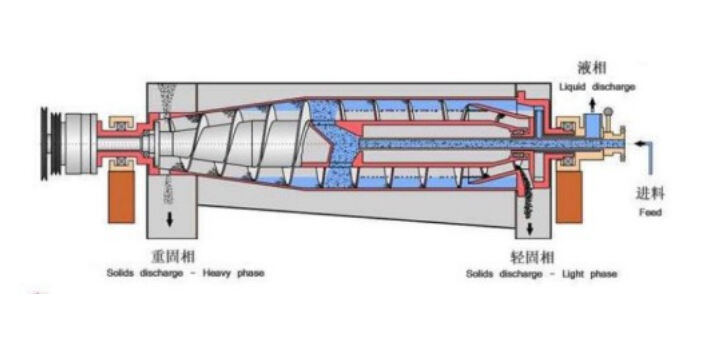
Industrial waste management facilities face mounting pressure to maximize separation efficiency while minimizing operational costs and environmental impact. The industrial waste decanter centrifuge has emerged as a critical technology that determines the success or failure of waste processing operations, yet many operators struggle to understand what truly drives centrifuge efficiency in real-world applications.
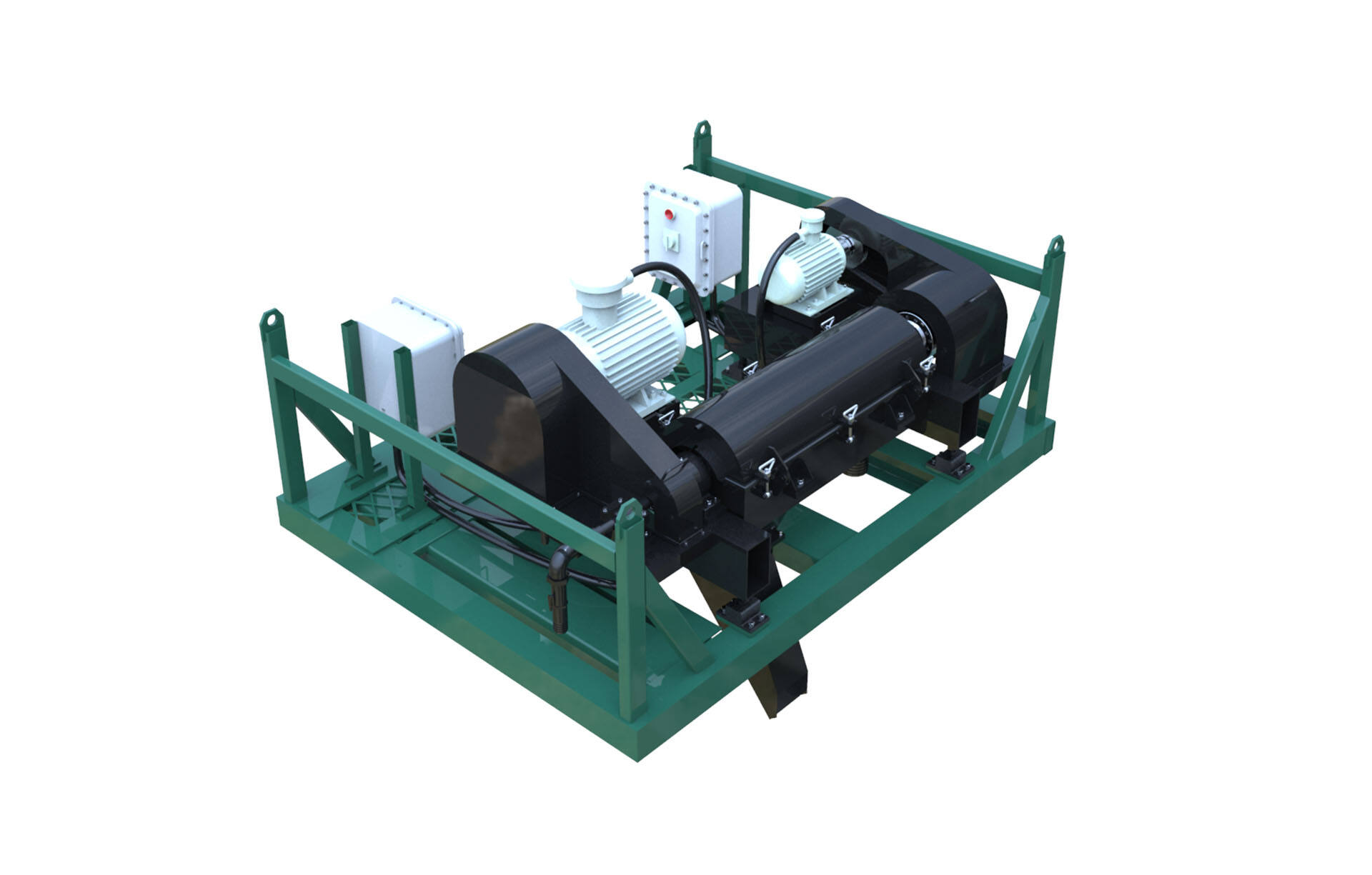
The efficiency of an industrial waste decanter centrifuge depends on a complex interplay of design parameters, operational variables, and waste stream characteristics that must work in harmony to achieve optimal separation performance. Understanding these efficiency drivers enables waste management professionals to make informed decisions about equipment selection, process optimization, and long-term operational strategies that directly impact both profitability and environmental compliance.
Fundamental Design Elements That Drive Efficiency
Bowl Geometry and Dimensional Optimization
The bowl design of an industrial waste decanter centrifuge fundamentally determines separation efficiency through its length-to-diameter ratio and internal geometry. Longer bowls provide extended retention time for particle settling, while larger diameters create higher centrifugal forces that accelerate the separation process. The optimal balance between these dimensions depends on the specific waste characteristics and desired separation objectives.
Modern industrial waste decanter centrifuge designs incorporate variable beach angles and optimized cylindrical-to-conical section ratios that enhance both clarification and dewatering performance. The beach angle typically ranges from 5 to 15 degrees, with steeper angles promoting faster cake discharge but potentially reducing dewatering time. Engineers must carefully consider waste stream viscosity, particle size distribution, and required cake dryness when specifying bowl geometry.
Internal bowl surface treatments and specialized coatings can significantly impact efficiency by reducing wear and preventing material buildup that compromises separation performance. Hard-facing materials and corrosion-resistant alloys extend operational life while maintaining consistent separation efficiency throughout the equipment lifecycle.
Screw Conveyor Design and Differential Speed Control
The screw conveyor within an industrial waste decanter centrifuge plays a crucial role in efficiency by controlling cake transport and discharge while maintaining optimal pool depth. Screw pitch variations along the conveyor length allow for progressive dewatering, with tighter pitches in the cylindrical section for gentle cake formation and wider pitches on the beach for efficient discharge.
Differential speed between the bowl and screw conveyor directly affects separation efficiency by determining residence time and cake thickness. Lower differential speeds increase retention time for better clarification but may result in thicker cake layers that impede dewatering. Higher differential speeds promote cake discharge and prevent buildup but can reduce settling time and potentially degrade separation quality.
Advanced variable frequency drive systems enable real-time differential speed optimization based on feed characteristics and process requirements. This adaptability allows operators to maximize efficiency across varying waste stream conditions while maintaining consistent product quality and minimizing energy consumption.
Critical Operational Parameters for Maximum Efficiency
Feed Rate and Hydraulic Loading Optimization
Feed rate management represents one of the most significant factors affecting industrial waste decanter centrifuge efficiency, as excessive loading can overwhelm separation capacity while insufficient feed rates reduce throughput and economic efficiency. The optimal feed rate depends on waste stream characteristics, desired separation quality, and equipment specifications.
Hydraulic loading calculations must account for both volumetric flow rate and solids concentration to ensure the centrifuge operates within its design envelope. Overloading results in poor clarification, increased solids carryover in the centrate, and reduced cake dryness. Underloading leads to inefficient equipment utilization and higher per-unit processing costs.
Modern process control systems enable dynamic feed rate adjustment based on real-time monitoring of separation performance indicators such as centrate clarity, cake moisture content, and differential torque. This automated optimization maintains peak efficiency while adapting to variations in waste stream characteristics throughout the operating cycle.
Pool Depth and Weir Plate Positioning
Pool depth control through adjustable weir plates significantly impacts the efficiency of an industrial waste decanter centrifuge by determining the settling zone volume and residence time distribution. Deeper pools provide longer settling times for fine particle capture but reduce the available beach area for dewatering.
The relationship between pool depth and separation efficiency varies with particle size distribution and density differences in the waste stream. Fine particles require deeper pools and longer retention times, while coarser materials can be effectively separated with shallower pools that maximize dewatering capacity.
Proper weir plate selection and positioning enable operators to optimize the balance between clarification and dewatering performance based on specific process requirements. Multiple weir configurations may be necessary for different waste types processed by the same equipment.
Process Chemistry and Waste Stream Characteristics
Polymer Addition and Chemical Conditioning
Chemical conditioning through polymer addition dramatically enhances industrial waste decanter centrifuge efficiency by promoting floc formation and improving solid-liquid separation characteristics. Proper polymer selection based on waste stream chemistry, pH, and ionic strength ensures optimal flocculation while minimizing chemical costs and environmental impact.
Anionic, cationic, and nonionic polymers each provide specific benefits depending on waste characteristics and separation objectives. Polymer molecular weight and charge density must be matched to particle surface characteristics and solution chemistry for maximum effectiveness. Overdosing can cause floc breakage and reduced efficiency, while underdosing results in poor separation performance.
Advanced polymer feed systems with automated dosing control based on real-time turbidity or streaming current detection optimize chemical usage while maintaining consistent separation efficiency. This technology reduces chemical costs and improves process reliability across varying waste stream conditions.
Temperature and Viscosity Management
Temperature significantly affects industrial waste decanter centrifuge efficiency through its impact on fluid viscosity and particle settling characteristics. Higher temperatures generally reduce viscosity and improve separation efficiency, but excessive heating can degrade temperature-sensitive materials or create safety hazards.
Viscosity management through temperature control or dilution water addition can dramatically improve separation performance in high-viscosity waste streams. However, dilution increases overall processing volumes and may require additional downstream treatment, creating trade-offs between separation efficiency and overall process economics.
Process heat recovery systems can capture waste heat from other operations to maintain optimal processing temperatures while minimizing energy consumption. This approach improves both separation efficiency and overall facility energy efficiency.
Maintenance and Performance Monitoring Systems
Vibration Analysis and Predictive Maintenance
Continuous vibration monitoring of industrial waste decanter centrifuge systems enables early detection of wear patterns, imbalance conditions, and mechanical issues that degrade separation efficiency. Baseline vibration signatures help identify normal operating conditions and detect deviations that require attention before they impact performance.
Predictive maintenance programs based on vibration analysis, oil analysis, and thermal monitoring extend equipment life while maintaining peak efficiency. Regular monitoring prevents unexpected failures that disrupt operations and allows maintenance activities to be scheduled during planned downtime periods.
Advanced condition monitoring systems integrate multiple sensor types to provide comprehensive equipment health assessment and efficiency trend analysis. This data enables operators to optimize maintenance intervals and identify opportunities for performance improvements.
Wear Protection and Component Optimization
Wear-resistant materials and protective coatings on critical components maintain separation efficiency by preventing erosion and corrosion that alter equipment geometry and performance characteristics. Hard-facing on screw conveyor flights and bowl surfaces extends service life while maintaining consistent separation quality.
Replaceable wear components such as conveyor tips, wear plates, and discharge ports enable cost-effective maintenance while preserving the efficiency of the main equipment body. Strategic wear protection focuses on high-wear areas while balancing protection costs against replacement intervals.
Material selection for wear components must consider not only abrasion resistance but also chemical compatibility with processed waste streams. Inappropriate material choices can lead to accelerated wear or chemical degradation that compromises separation efficiency and equipment reliability.
FAQ
How does centrifugal force affect separation efficiency in industrial waste decanter centrifuges?
Centrifugal force directly determines separation efficiency by accelerating particle settling rates according to Stokes' law. Higher rotational speeds create stronger centrifugal forces that enable separation of smaller particles and improve overall efficiency, but excessive speeds can cause equipment wear and increased energy consumption. The optimal operating speed balances separation performance with equipment longevity and operational costs.
What role does differential speed play in maximizing decanter centrifuge efficiency?
Differential speed between the bowl and screw conveyor controls cake transport rate and directly affects both clarification and dewatering efficiency. Lower differential speeds provide longer retention time for better particle settling but may cause cake buildup, while higher speeds promote discharge but can reduce separation quality. Optimal differential speed varies with waste characteristics and must be adjusted based on real-time performance monitoring.
Why is polymer conditioning critical for industrial waste decanter centrifuge efficiency?
Polymer conditioning enhances separation efficiency by promoting floc formation that increases particle size and settling velocity. Properly conditioned waste streams separate more readily, producing clearer centrate and drier cake with reduced processing time. Polymer selection and dosing must match waste stream chemistry for optimal performance, as incorrect conditioning can actually reduce separation efficiency.
How do maintenance practices impact long-term centrifuge efficiency?
Preventive maintenance directly affects efficiency by maintaining optimal equipment geometry, balance, and surface conditions. Worn components alter internal flow patterns and reduce separation performance, while unbalanced equipment creates vibration that degrades separation quality. Regular maintenance including wear part replacement, balancing, and lubrication system servicing ensures consistent efficiency throughout the equipment lifecycle.
Table of Contents
- Fundamental Design Elements That Drive Efficiency
- Critical Operational Parameters for Maximum Efficiency
- Process Chemistry and Waste Stream Characteristics
- Maintenance and Performance Monitoring Systems
-
FAQ
- How does centrifugal force affect separation efficiency in industrial waste decanter centrifuges?
- What role does differential speed play in maximizing decanter centrifuge efficiency?
- Why is polymer conditioning critical for industrial waste decanter centrifuge efficiency?
- How do maintenance practices impact long-term centrifuge efficiency?