 EN
EN

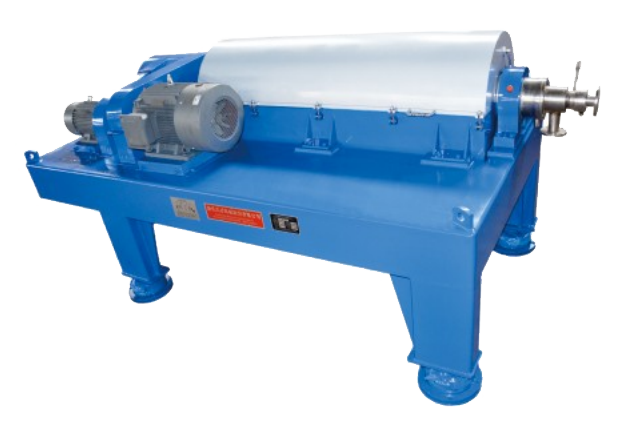
Pharmaceutical separation technologies form the backbone of modern drug manufacturing, enabling companies to isolate, purify, and concentrate active pharmaceutical ingredients with precision and reliability. These sophisticated systems ensure that medications meet strict regulatory standards while maintaining cost-effectiveness throughout the production process. The critical nature of pharmaceutical separation technologies becomes evident when considering that even minor impurities or inconsistencies in drug formulations can lead to safety concerns, regulatory rejections, and significant financial losses.
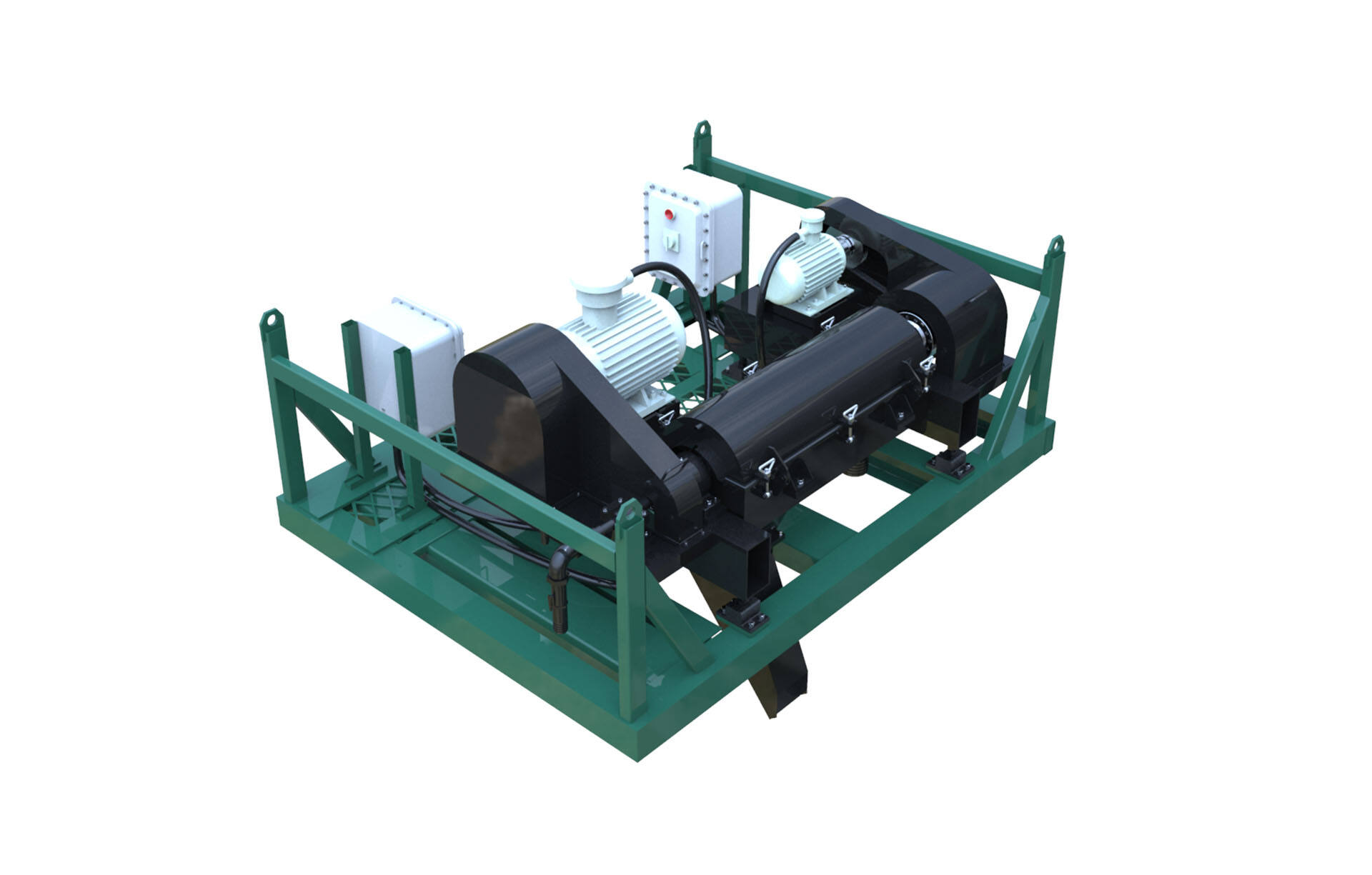
The pharmaceutical industry operates under increasingly stringent quality requirements, making effective separation technologies indispensable for maintaining competitive advantage and ensuring patient safety. From initial compound isolation to final product purification, these technologies enable manufacturers to achieve the molecular-level precision required for therapeutic efficacy. Understanding what makes pharmaceutical separation technologies essential reveals why leading manufacturers invest heavily in advanced separation equipment and continuously upgrade their processing capabilities to meet evolving industry demands.
Critical Quality Control Requirements
Regulatory Compliance Standards
Pharmaceutical separation technologies enable manufacturers to meet stringent FDA, EMA, and other international regulatory standards that govern drug purity levels. These regulations typically require active pharmaceutical ingredients to maintain purity levels exceeding 99%, with clearly defined limits for specific impurities and contaminants. Advanced separation systems provide the necessary precision to achieve these targets consistently, ensuring that every batch meets regulatory specifications without costly rework or rejection.
The validation requirements for pharmaceutical separation technologies demand extensive documentation and repeatability testing to demonstrate process consistency. Regulatory bodies require manufacturers to prove that their separation processes can reliably produce the same results across multiple batches, environmental conditions, and operational parameters. This level of validation necessitates sophisticated separation equipment capable of maintaining tight control over critical process variables such as temperature, pressure, flow rates, and residence times.
Good Manufacturing Practice guidelines specifically address separation process validation, requiring pharmaceutical companies to establish clear protocols for equipment qualification, process validation, and ongoing monitoring. These requirements make robust pharmaceutical separation technologies essential for maintaining manufacturing licenses and avoiding regulatory sanctions that could halt production operations.
Product Safety Assurance
Patient safety depends directly on the effectiveness of pharmaceutical separation technologies in removing potentially harmful impurities and contaminants from drug formulations. These systems must eliminate trace metals, organic solvents, bacterial endotoxins, and other substances that could cause adverse reactions or reduce therapeutic efficacy. The ability to consistently achieve these separation objectives requires sophisticated technology capable of operating within narrow tolerance ranges.
Cross-contamination prevention represents another critical safety consideration that makes pharmaceutical separation technologies essential for multi-product facilities. Advanced separation systems incorporate design features such as contained processing environments, automated cleaning protocols, and validated changeover procedures to prevent product cross-contamination between different drug formulations. These capabilities enable manufacturers to produce multiple products safely within the same facility without compromising product integrity.
The detection and quantification of impurities at parts-per-million levels requires separation technologies with exceptional resolution and sensitivity. Modern pharmaceutical separation technologies integrate advanced monitoring systems that provide real-time feedback on separation performance, enabling operators to make immediate adjustments when process parameters deviate from established limits. This level of process control ensures consistent product safety across all manufacturing batches.
Economic and Operational Advantages
Production Efficiency Optimization
Pharmaceutical separation technologies significantly reduce production costs by maximizing yield recovery and minimizing material waste throughout the manufacturing process. Advanced separation systems can recover valuable active pharmaceutical ingredients that would otherwise be lost during traditional processing methods, directly impacting profitability margins. These efficiency gains become particularly important when processing high-value compounds where material costs represent a substantial portion of total production expenses.
The automation capabilities inherent in modern pharmaceutical separation technologies eliminate many manual processing steps that introduce variability and increase labor costs. Automated separation systems operate continuously with minimal operator intervention, reducing staffing requirements while maintaining consistent processing conditions. This operational efficiency enables pharmaceutical manufacturers to scale production volumes without proportionally increasing labor costs or facility footprint requirements.
Energy efficiency represents another significant economic advantage of advanced pharmaceutical separation technologies, particularly for large-scale manufacturing operations. Modern separation systems incorporate energy recovery features, optimized heating and cooling systems, and variable-speed drives that reduce overall energy consumption compared to conventional processing methods. These efficiency improvements translate directly into reduced operating costs and improved environmental sustainability profiles.
Scalability and Flexibility Benefits
Pharmaceutical separation technologies provide essential scalability advantages that enable manufacturers to efficiently transition from laboratory-scale development to commercial production volumes. Modern separation systems maintain consistent performance characteristics across different scales, ensuring that separation parameters optimized during development translate directly to full-scale manufacturing without extensive revalidation efforts. This scalability reduces development timelines and accelerates time-to-market for new pharmaceutical products.
The modular design approach common in pharmaceutical separation technologies allows manufacturers to adapt their processing capabilities to changing production requirements without major infrastructure investments. These systems can be reconfigured to handle different product types, adjusted for varying batch sizes, or modified to incorporate new separation techniques as pharmaceutical formulations evolve. This flexibility provides long-term value by extending equipment useful life and reducing capital equipment replacement frequency.
Multi-product capability represents a crucial flexibility advantage that makes pharmaceutical separation technologies essential for contract manufacturers and companies with diverse product portfolios. Advanced separation systems can be validated for multiple products simultaneously, enabling efficient changeover between different formulations while maintaining the segregation and purity requirements necessary for pharmaceutical applications. This capability maximizes facility utilization and improves return on capital investment.
Technical Performance Capabilities
Precision and Accuracy Standards
Pharmaceutical separation technologies achieve molecular-level precision that enables manufacturers to isolate specific compounds from complex mixtures with exceptional accuracy and repeatability. These systems utilize advanced physical and chemical separation principles to distinguish between compounds with very similar properties, such as stereoisomers or closely related impurities. The precision capabilities of modern separation technologies often exceed analytical detection limits, ensuring thorough purification even for trace-level contaminants.
The accuracy requirements for pharmaceutical separation technologies demand sophisticated process control systems that monitor and adjust critical parameters in real-time. These control systems maintain separation conditions within narrow tolerance ranges, automatically compensating for variations in feed composition, environmental conditions, or equipment performance. This level of process control ensures consistent separation performance across different operating conditions and production campaigns.
Temperature and pressure control capabilities represent fundamental technical requirements that make pharmaceutical separation technologies essential for heat-sensitive compounds. Many pharmaceutical ingredients degrade or undergo unwanted chemical reactions when exposed to elevated temperatures, requiring separation technologies capable of operating under mild conditions while maintaining separation efficiency. Advanced systems incorporate precise temperature and pressure control mechanisms that protect product integrity throughout the separation process.
Process Integration Advantages
Modern pharmaceutical separation technologies integrate seamlessly with upstream and downstream processing equipment to create efficient, continuous manufacturing workflows. These integration capabilities eliminate intermediate storage requirements, reduce material handling steps, and minimize exposure to environmental contaminants that could compromise product quality. The ability to integrate separation technologies into comprehensive manufacturing systems reduces overall facility complexity while improving process efficiency.
Real-time monitoring and data integration features enable pharmaceutical separation technologies to communicate with plant-wide control systems, providing comprehensive process visibility and enabling advanced process control strategies. These capabilities support continuous manufacturing initiatives that are becoming increasingly important in pharmaceutical production. The data generated by integrated separation systems also supports regulatory compliance requirements and facilitates process optimization efforts.
The compatibility of pharmaceutical separation technologies with single-use processing components addresses growing industry demands for flexible manufacturing approaches. Single-use integration capabilities reduce cleaning validation requirements, eliminate cross-contamination risks, and enable rapid changeover between different products. This compatibility makes separation technologies essential for facilities that must adapt quickly to changing production requirements or handle multiple low-volume products efficiently.
Industry Evolution and Future Requirements
Emerging Therapeutic Demands
The development of biologics, cell therapies, and personalized medicine approaches creates new challenges that make advanced pharmaceutical separation technologies increasingly essential. These emerging therapeutic categories often require specialized separation techniques to handle large molecular weight compounds, maintain biological activity, and achieve the purity levels necessary for patient safety. Traditional separation methods frequently prove inadequate for these applications, driving demand for innovative separation technologies specifically designed for next-generation therapeutics.
Gene therapy and viral vector production represent particularly demanding applications that require pharmaceutical separation technologies capable of handling complex biological systems while maintaining product viability. These applications often involve separation of intact viral particles, removal of host cell contaminants, and concentration of therapeutic vectors to clinically relevant levels. The specialized requirements of these emerging therapies make advanced separation technologies essential for manufacturers entering these high-growth market segments.
Continuous manufacturing trends in pharmaceutical production require separation technologies that can operate reliably in continuous mode while maintaining the process control and quality standards required for pharmaceutical applications. This shift away from traditional batch processing creates new technical requirements for pharmaceutical separation technologies, including enhanced process monitoring, automated control systems, and improved integration capabilities with other continuous processing equipment.
Sustainability and Environmental Considerations
Environmental sustainability requirements increasingly influence pharmaceutical manufacturing decisions, making energy-efficient and environmentally friendly separation technologies essential for maintaining competitive advantage. Modern pharmaceutical separation technologies incorporate features such as solvent recovery systems, reduced energy consumption profiles, and minimized waste generation to address growing environmental concerns. These capabilities help manufacturers meet sustainability goals while reducing operating costs and regulatory compliance burdens.
Water usage reduction represents a critical environmental consideration that makes efficient pharmaceutical separation technologies essential for sustainable manufacturing operations. Advanced separation systems minimize water consumption through closed-loop processing designs, optimized cleaning protocols, and water recovery systems that reduce overall facility water requirements. These features become increasingly important as water scarcity concerns and environmental regulations drive manufacturers toward more sustainable processing approaches.
The circular economy principles gaining prominence in pharmaceutical manufacturing create new opportunities for separation technologies that enable material recovery and waste minimization. Pharmaceutical separation technologies that can recover and purify by-products for reuse, concentrate waste streams for more efficient disposal, or enable closed-loop processing contribute directly to circular economy objectives while providing economic benefits through improved material utilization efficiency.
FAQ
What types of pharmaceutical separation technologies are most commonly used?
The most commonly used pharmaceutical separation technologies include chromatography systems, centrifugation equipment, filtration systems, and crystallization apparatus. Each technology serves specific separation requirements based on the physical and chemical properties of the compounds being processed. Chromatography excels at separating similar compounds, centrifugation effectively removes particulates and concentrates solutions, filtration provides sterile processing capabilities, and crystallization enables high-purity compound isolation.
How do pharmaceutical separation technologies ensure consistent product quality?
Pharmaceutical separation technologies ensure consistent product quality through advanced process control systems, real-time monitoring capabilities, and validated operating procedures. These systems continuously monitor critical process parameters such as temperature, pressure, flow rates, and composition, automatically adjusting conditions to maintain optimal separation performance. The validation protocols required for pharmaceutical applications demonstrate that separation technologies can consistently produce the same results across multiple batches and operating conditions.
What factors should be considered when selecting pharmaceutical separation technologies?
Key factors for selecting pharmaceutical separation technologies include the specific separation requirements of the target compounds, regulatory compliance needs, production scale requirements, and integration capabilities with existing processing equipment. The chemical and physical properties of the materials being processed determine which separation principles will be most effective, while regulatory requirements establish performance standards that must be met consistently. Production scale and integration considerations affect equipment sizing, automation requirements, and overall system complexity.
How do pharmaceutical separation technologies contribute to cost reduction in drug manufacturing?
Pharmaceutical separation technologies contribute to cost reduction through improved yield recovery, reduced material waste, lower energy consumption, and decreased labor requirements. Modern separation systems recover valuable compounds that would otherwise be lost, directly improving material utilization efficiency. Automation capabilities reduce labor costs while ensuring consistent processing conditions, and energy-efficient designs minimize utility expenses. These combined benefits significantly reduce overall production costs while maintaining the quality standards required for pharmaceutical applications.
Table of Contents
- Critical Quality Control Requirements
- Economic and Operational Advantages
- Technical Performance Capabilities
- Industry Evolution and Future Requirements
-
FAQ
- What types of pharmaceutical separation technologies are most commonly used?
- How do pharmaceutical separation technologies ensure consistent product quality?
- What factors should be considered when selecting pharmaceutical separation technologies?
- How do pharmaceutical separation technologies contribute to cost reduction in drug manufacturing?