 EN
EN

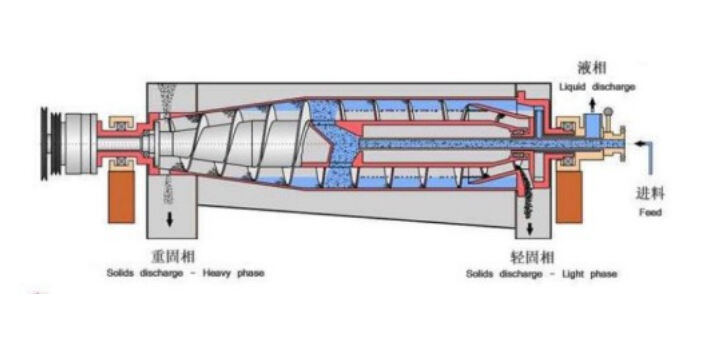
An industrial waste decanter centrifuge operates through sophisticated rotational physics and engineering principles that enable efficient separation of solid and liquid phases in waste streams. This advanced separation technology harnesses centrifugal force to achieve what gravity alone cannot accomplish in practical timeframes, making it an essential component in modern waste treatment facilities across industries ranging from municipal wastewater to industrial processing operations.
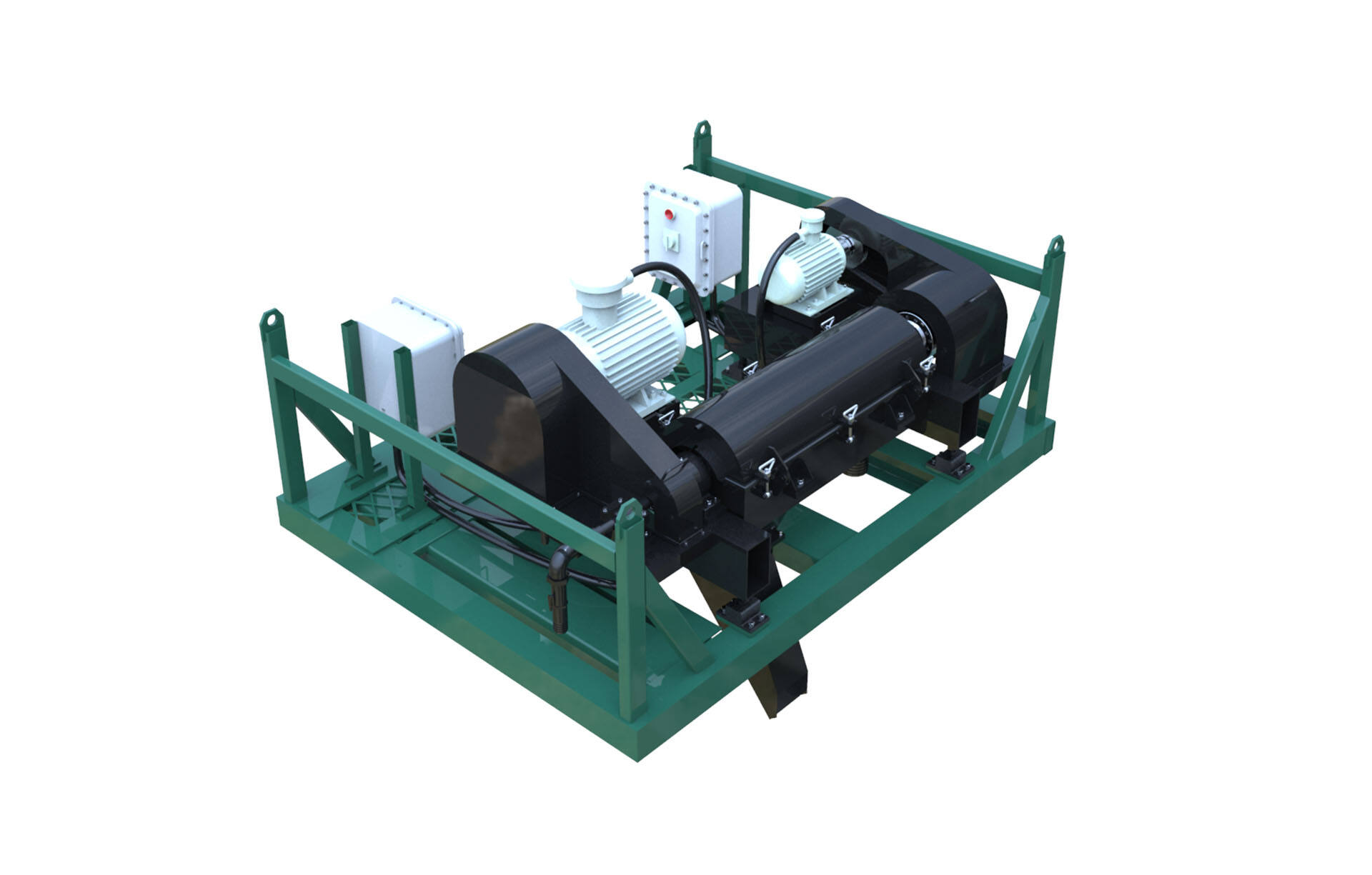
The fundamental working principle of an industrial waste decanter centrifuge relies on generating centrifugal forces typically ranging from 1,000 to 4,000 times the force of gravity. This mechanical process creates a controlled environment where particles of different densities separate according to their mass and size characteristics, enabling operators to achieve precise separation results that would be impossible through conventional settling methods alone.
Core Operating Mechanism and Physics
Centrifugal Force Generation Process
The heart of how an industrial waste decanter centrifuge works lies in its high-speed rotating bowl, which typically operates at speeds between 2,000 and 6,000 revolutions per minute. As the cylindrical bowl spins around its horizontal axis, it creates powerful centrifugal forces that push denser solid particles outward against the bowl wall while lighter liquid phases remain closer to the center. This differential movement forms the basis for effective solid-liquid separation in waste processing applications.
The magnitude of centrifugal force generated depends on both the rotational speed and the radius of the bowl, following the mathematical relationship where force increases exponentially with speed. This relationship allows operators to fine-tune separation efficiency by adjusting rotational parameters based on the specific characteristics of the waste stream being processed, ensuring optimal performance across varying feed conditions.
Temperature and viscosity of the feed material significantly influence how effectively the industrial waste decanter centrifuge can generate separation forces. Higher temperatures generally reduce liquid viscosity, improving separation efficiency, while extremely viscous waste streams may require pre-treatment or modified operating parameters to achieve desired separation results.
Scroll Conveyor System Function
Within the rotating bowl, a helical scroll conveyor rotates at a slightly different speed than the outer bowl, creating relative motion that continuously transports separated solids toward the discharge end. This differential speed, known as the scroll speed differential, typically ranges from 5 to 50 revolutions per minute depending on the application requirements and desired cake dryness levels.
The scroll conveyor design features carefully engineered pitch angles and flight configurations that optimize solids transport while maintaining maximum dewatering time. As separated solids accumulate against the bowl wall, the scroll flights gently push this material along the conical beach section, allowing additional liquid drainage before final discharge.
Advanced industrial waste decanter centrifuge models incorporate variable scroll speed controls that allow operators to adjust the differential speed during operation, providing real-time optimization capabilities for changing feed conditions or when processing different waste stream compositions throughout operational cycles.
Feed Introduction and Distribution Systems
Feed Pipe and Distributor Design
The waste material enters the industrial waste decanter centrifuge through a stationary feed pipe that extends into the rotating assembly, delivering the slurry mixture to a specially designed distributor system. This distributor ensures uniform feed distribution across the bowl's internal circumference, preventing localized overloading that could compromise separation efficiency or cause mechanical imbalances.
Feed rate control represents a critical operational parameter that directly impacts separation performance and equipment longevity. Most industrial installations incorporate automated feed control systems that maintain consistent flow rates while monitoring key performance indicators such as cake moisture content, clarified liquid quality, and power consumption levels.
The feed distributor assembly must withstand the extreme rotational forces present within the industrial waste decanter centrifuge while maintaining precise alignment and balance. Advanced distributor designs incorporate wear-resistant materials and replaceable components to ensure reliable long-term operation in demanding waste processing environments.
Acceleration and Mixing Zone Function
Once introduced into the rotating environment, the feed material undergoes rapid acceleration as it matches the rotational speed of the bowl assembly. This acceleration process occurs within a specially designed mixing zone where the incoming waste stream gradually adapts to the high-speed rotational environment without causing sudden shock loads or flow disruptions.
The acceleration zone design incorporates features that promote gentle mixing while minimizing turbulence that could interfere with subsequent separation processes. This careful engineering ensures that delicate floc structures or agglomerated particles remain intact as they enter the main separation chamber, preserving optimal conditions for effective solid-liquid separation.
During the acceleration phase, the waste material begins experiencing initial separation forces that start the classification process, with larger, denser particles beginning their migration toward the bowl wall while finer materials remain suspended in the liquid phase for further processing in downstream separation zones.
Separation Chamber Operations and Phases
Stratification and Layer Formation
Within the main separation chamber of the industrial waste decanter centrifuge, the waste mixture stratifies into distinct layers based on density differences. The heaviest solids form a compact cake layer against the bowl wall, while progressively lighter materials create intermediate layers, with the clarified liquid forming the innermost layer closest to the rotational axis.
This stratification process occurs continuously as fresh feed material enters the system, with established layers maintaining their positions while accommodating new particles according to their density characteristics. The residence time within the separation chamber allows particles sufficient opportunity to migrate to their appropriate density-based positions, ensuring thorough separation.
The clarity and efficiency of layer formation depend heavily on particle size distribution, density differences between phases, and the absence of interfering substances such as oils or surfactants that might stabilize unwanted emulsions. Understanding these factors enables operators to optimize industrial waste decanter centrifuge performance for specific waste stream characteristics.
Liquid Clarification Process
As the separation process continues, the liquid phase undergoes progressive clarification as suspended particles migrate outward under centrifugal force influence. The clarified liquid moves toward the center of the bowl where it encounters the liquid discharge system, typically consisting of adjustable weirs or overflow ports that control the liquid level within the bowl.
The degree of liquid clarification achievable depends on several factors including particle settling velocity, residence time, and the effectiveness of the separation chamber design. Modern industrial waste decanter centrifuge systems can achieve clarified liquid turbidity levels well below 100 NTU, making them suitable for applications requiring high-quality effluent standards.
Continuous monitoring of clarified liquid quality provides valuable feedback for operational optimization, allowing operators to adjust key parameters such as feed rate, bowl speed, or chemical addition rates to maintain consistent separation performance across varying feed conditions and regulatory requirements.
Discharge Systems and Product Recovery
Solids Discharge Mechanism
The concentrated solids cake formed against the bowl wall travels along the conical beach section under the influence of the scroll conveyor system, undergoing additional dewatering as liquid drains back into the separation chamber. This beach zone provides critical dewatering time that determines final cake moisture content and handling characteristics.
The length and angle of the conical beach section significantly influence dewatering effectiveness, with longer beaches generally producing drier cakes but requiring higher torque from the drive system. Engineers design these sections to balance dewatering performance against power consumption and mechanical stress considerations for optimal long-term operation.
Modern industrial waste decanter centrifuge designs incorporate adjustable beach configurations or variable geometry features that allow operators to modify dewatering characteristics based on changing waste stream properties or evolving process requirements without major equipment modifications.
Liquid Overflow and Collection
Clarified liquid exits the industrial waste decanter centrifuge through carefully positioned overflow weirs that maintain proper liquid levels within the bowl while ensuring consistent hydraulic performance. These weir systems often incorporate adjustable features that allow operators to fine-tune liquid discharge rates and optimize separation chamber hydraulics for specific applications.
The liquid collection system must handle varying flow rates while maintaining stable discharge conditions that prevent backflow or pressure fluctuations that could disrupt the separation process. Advanced designs incorporate flow measurement and control systems that provide real-time monitoring and automatic adjustment capabilities.
Collection and handling of both clarified liquid and concentrated solids require careful attention to downstream processing requirements, with many installations incorporating automated conveying systems, storage facilities, and treatment equipment that integrate seamlessly with the centrifuge operation to create comprehensive waste processing solutions.
Control Systems and Operational Parameters
Automated Control Integration
Modern industrial waste decanter centrifuge systems incorporate sophisticated control systems that monitor and adjust critical operational parameters in real-time. These systems track variables such as bowl speed, scroll differential speed, feed rate, vibration levels, and power consumption to ensure optimal performance while preventing mechanical damage or process upsets.
Advanced control algorithms can automatically adjust operational parameters based on changing feed conditions or performance targets, utilizing feedback from online monitoring instruments to maintain consistent separation efficiency. These automated systems reduce operator workload while improving process reliability and product quality consistency.
Integration with facility-wide process control systems allows the industrial waste decanter centrifuge to operate as part of larger waste treatment processes, coordinating with upstream and downstream equipment to optimize overall system performance and minimize energy consumption across the entire treatment train.
Performance Monitoring and Optimization
Continuous monitoring of key performance indicators enables operators to detect process changes before they impact product quality or equipment reliability. Critical parameters include cake moisture content, clarified liquid turbidity, power consumption, vibration levels, and temperature measurements throughout the system.
Data logging and trending capabilities allow operators to identify patterns and optimize long-term performance through systematic analysis of operational data. This information supports predictive maintenance programs and helps identify opportunities for process improvements or energy savings.
Regular calibration and maintenance of monitoring instruments ensures accurate data collection and reliable process control, supporting consistent operation and regulatory compliance requirements that are essential for industrial waste treatment applications.
FAQ
What determines the separation efficiency of an industrial waste decanter centrifuge?
Separation efficiency depends on several key factors including the centrifugal force generated (determined by bowl speed and diameter), residence time within the separation chamber, particle size distribution, density differences between solid and liquid phases, and feed rate. The scroll differential speed also plays a crucial role by controlling how quickly separated solids are removed from the separation zone. Temperature and chemical conditioning of the feed can significantly impact separation performance by affecting particle settling characteristics and liquid viscosity.
How does bowl speed affect the operation of an industrial waste decanter centrifuge?
Bowl speed directly controls the centrifugal force magnitude, with higher speeds generating stronger separation forces that can handle smaller particles and achieve better clarification. However, excessive speeds can cause mechanical stress, increased power consumption, and potential equipment damage. The optimal bowl speed depends on the specific waste characteristics, required separation efficiency, and equipment design limits. Most systems operate between 2,000 and 6,000 RPM, with variable speed drives allowing optimization for different applications and feed conditions.
What maintenance requirements are typical for an industrial waste decanter centrifuge?
Regular maintenance includes monitoring and replacing wear parts such as scroll flights, bowl liner plates, and feed distributor components that experience abrasive wear from processed solids. Bearing lubrication, vibration monitoring, and alignment checks ensure reliable mechanical operation. The drive system requires periodic inspection and maintenance of gearboxes, motors, and coupling systems. Additionally, regular inspection of discharge systems, control instrumentation, and safety systems helps maintain optimal performance and regulatory compliance throughout the equipment lifecycle.
How do you optimize cake dryness in an industrial waste decanter centrifuge?
Cake dryness optimization involves adjusting the scroll differential speed to control residence time on the dewatering beach, with slower differentials providing longer dewatering time but potentially causing solids buildup. Bowl speed affects the compaction force applied to the cake, while feed rate influences the cake thickness and dewatering effectiveness. The conical beach length and angle, polymer conditioning, and temperature control also significantly impact final cake moisture content. Successful optimization requires balancing these parameters based on specific waste characteristics and discharge requirements.
Table of Contents
- Core Operating Mechanism and Physics
- Feed Introduction and Distribution Systems
- Separation Chamber Operations and Phases
- Discharge Systems and Product Recovery
- Control Systems and Operational Parameters
-
FAQ
- What determines the separation efficiency of an industrial waste decanter centrifuge?
- How does bowl speed affect the operation of an industrial waste decanter centrifuge?
- What maintenance requirements are typical for an industrial waste decanter centrifuge?
- How do you optimize cake dryness in an industrial waste decanter centrifuge?