 EN
EN

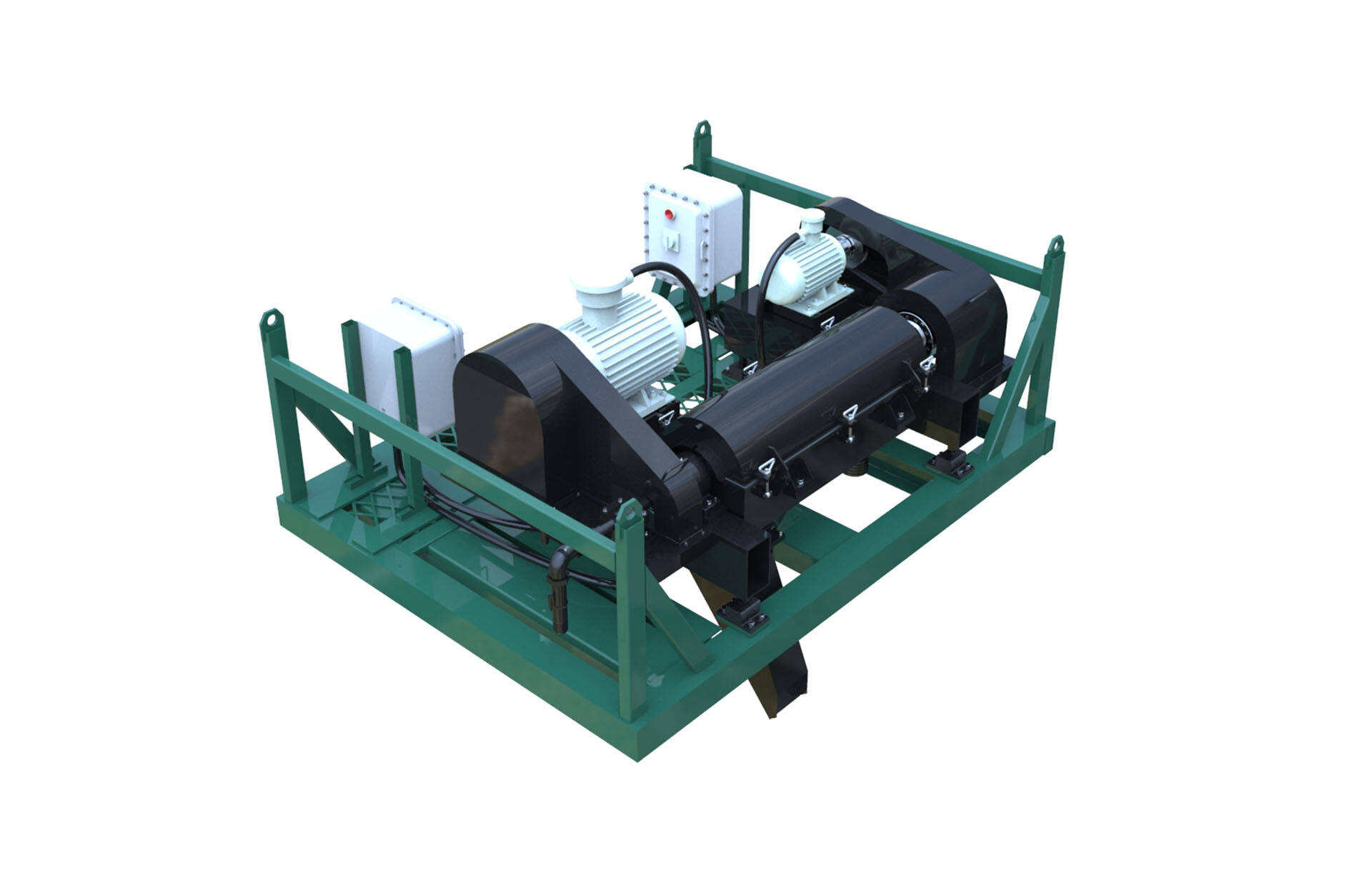
When purchasing a decanter centrifuge for industrial separation processes, understanding which features deliver the most value for your specific application becomes critical for operational success. A decanter centrifuge represents a significant capital investment, and selecting the wrong specifications can lead to poor separation efficiency, excessive maintenance costs, and operational bottlenecks that impact your entire production line.
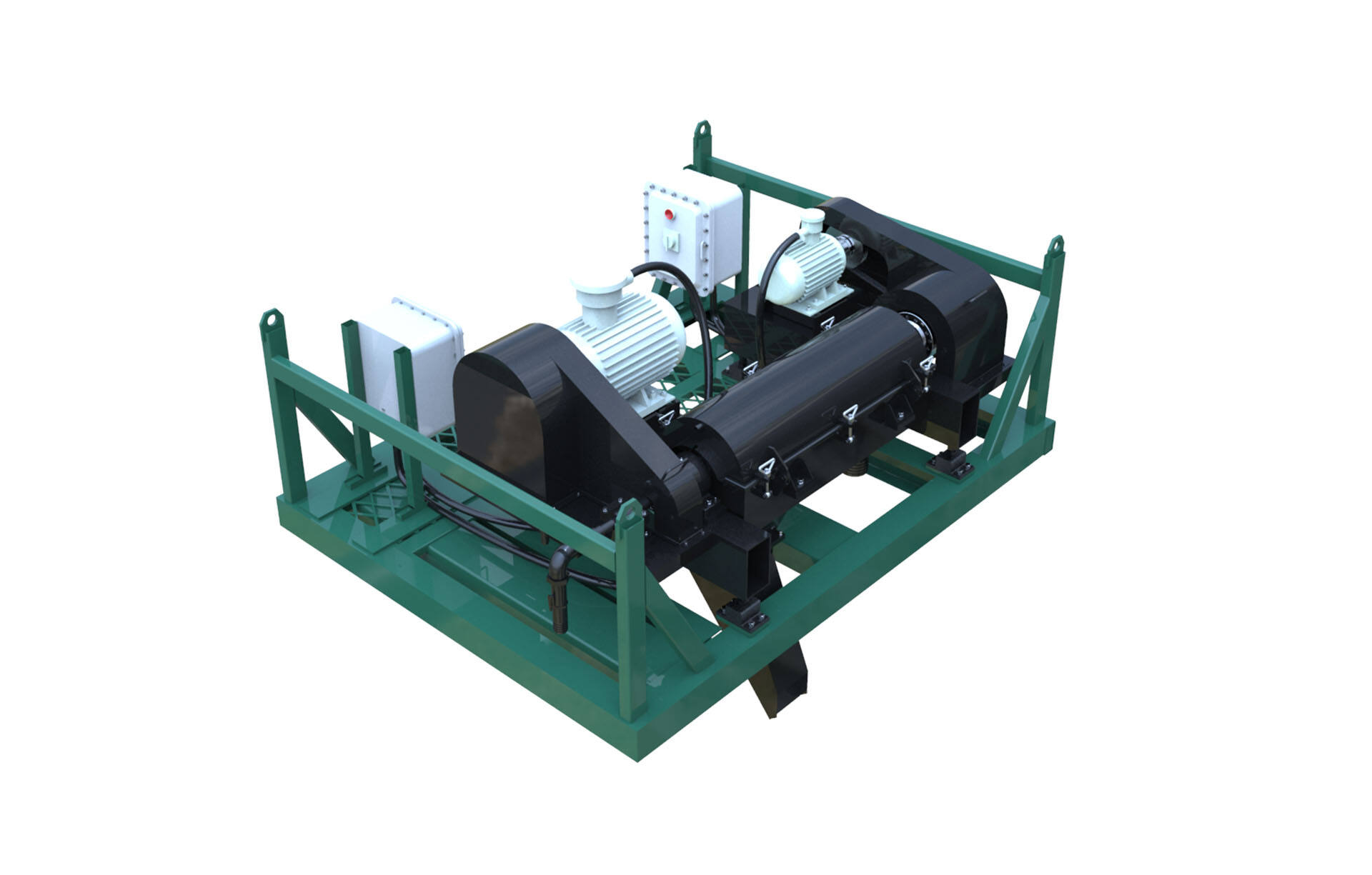
The key features that matter most when buying a decanter centrifuge extend beyond basic capacity ratings and encompass critical performance parameters, construction materials, automation capabilities, and long-term serviceability factors. These features directly influence separation quality, throughput capacity, energy consumption, and total cost of ownership throughout the equipment's operational lifetime in your facility.
Bowl Design and Geometry Specifications
Bowl Diameter and Length Ratio Impact
The bowl geometry of a decanter centrifuge fundamentally determines its separation capacity and efficiency for your specific application. Bowl diameter directly affects the centrifugal force generated, with larger diameters producing higher G-forces that enable more effective separation of fine particles and closer density differentials between phases.
Length-to-diameter ratio significantly influences residence time and clarification quality in your decanter centrifuge system. Longer bowls provide extended residence time for particle settlement, which proves essential for applications requiring high clarity in the liquid phase or when processing materials with challenging separation characteristics.
Bowl beach angle represents another critical geometric parameter that affects cake dryness and discharge characteristics. Steeper beach angles facilitate better cake transport and discharge but may reduce dewatering time, while shallower angles optimize moisture removal at the expense of conveyance efficiency.
Cylindrical and Conical Section Optimization
The cylindrical section length in a decanter centrifuge determines the clarification zone where primary separation occurs. Applications requiring exceptional liquid clarity benefit from extended cylindrical sections that maximize settling time and separation efficiency for fine particles.
Conical section design affects cake formation and discharge consistency in your decanter centrifuge operation. The conical geometry must balance dewatering effectiveness with reliable solids transport, ensuring consistent cake moisture content and preventing buildup that could disrupt continuous operation.
Variable pitch screw design within the bowl enhances flexibility for different feed materials and operating conditions. This feature allows optimization of conveying speed and dewatering time based on your specific process requirements and feed characteristics.
Drive System and Differential Speed Control
Main Drive Motor Specifications
Motor sizing for a decanter centrifuge must accommodate not only normal operating loads but also startup transients and potential process variations. Undersized motors lead to inadequate bowl speeds, compromised separation efficiency, and potential equipment damage during challenging operating conditions.
Variable frequency drive capabilities provide essential operational flexibility for your decanter centrifuge system. VFD control enables bowl speed optimization for different feed materials, allows gentle startup procedures that extend bearing life, and provides energy savings during periods of reduced throughput requirements.
Motor efficiency ratings directly impact operating costs over the equipment lifetime. High-efficiency motors reduce energy consumption, generate less heat requiring cooling, and often qualify for utility rebates that offset initial equipment costs.
Differential Speed Control Mechanisms
The differential speed control system in a decanter centrifuge determines solids residence time and cake dryness characteristics. Hydraulic differential drives provide smooth, stepless control but require additional maintenance, while mechanical gearbox systems offer simplicity and reliability at the cost of adjustment flexibility.
Torque monitoring capabilities in the differential drive system enable process optimization and provide early warning of operational issues. Real-time torque feedback allows operators to adjust differential speed for optimal cake moisture while preventing overload conditions that could damage equipment.
Back-drive protection prevents reverse rotation during shutdown and protects the decanter centrifuge gearbox from damage. This feature becomes particularly important for applications with heavy cake loads or when processing materials that tend to pack during equipment shutdown.
Materials of Construction and Corrosion Resistance
Bowl and Screw Material Selection
Material selection for the bowl and screw components directly affects equipment longevity and maintenance requirements in your decanter centrifuge application. Standard carbon steel construction suits many applications but proves inadequate for corrosive environments, abrasive materials, or food-grade processing requirements.
Stainless steel grades must match your specific process chemistry and operating conditions. Type 316L stainless steel provides excellent general corrosion resistance, while specialized alloys like duplex stainless steels or Hastelloy may be required for highly corrosive applications or when processing materials containing chlorides or acids.
Hard-facing options for wear-resistant applications extend equipment life when processing abrasive materials. Tungsten carbide, ceramic, or specialized overlay welding technologies protect critical wear surfaces while maintaining the structural integrity of the underlying base material.
Sealing System and Contamination Prevention
Sealing systems in a decanter centrifuge prevent cross-contamination between process streams and protect internal components from external contamination. Mechanical seals provide reliable sealing for most applications but require regular maintenance and replacement scheduling.
Hermetic sealing becomes essential for applications involving toxic materials, volatile compounds, or when operating under vacuum conditions. Gas barrier seals or magnetic drive systems eliminate shaft penetrations that could compromise containment integrity.
Bearing protection systems prevent contamination of critical rotating components in your decanter centrifuge system. Labyrinth seals, exclusion devices, and proper lubrication systems extend bearing life and reduce maintenance frequency in challenging operating environments.
Control Systems and Automation Features
Process Control and Monitoring Capabilities
Modern decanter centrifuge control systems provide comprehensive process monitoring and automated adjustment capabilities that optimize performance and prevent operational issues. Real-time monitoring of key parameters like bowl speed, differential speed, torque, vibration, and temperature enables proactive maintenance and process optimization.
Automated feed rate control maintains optimal loading conditions for your decanter centrifuge operation. Feed rate controllers adjust pump speed or valve position based on process feedback, preventing overloading that reduces separation efficiency or underloading that wastes capacity.
Data logging and trending capabilities enable process optimization and troubleshooting over time. Historical data analysis helps identify optimal operating parameters for different feed materials and provides documentation for regulatory compliance and quality assurance requirements.
Safety and Shutdown Systems
Safety interlock systems prevent equipment damage and protect personnel during abnormal operating conditions. Vibration monitoring, temperature monitoring, and torque limiting protect your decanter centrifuge investment while ensuring safe operation in automated processing environments.
Emergency shutdown capabilities provide rapid, safe equipment shutdown when process upsets or safety concerns arise. These systems typically include controlled deceleration sequences that prevent damage to rotating components while ensuring safe access for maintenance personnel.
Remote monitoring and control capabilities enable operation from centralized control rooms and provide after-hours monitoring for continuous operation facilities. Network connectivity allows integration with plant-wide control systems and enables predictive maintenance programs.
Maintenance Access and Serviceability Design
Equipment Access and Component Replacement
Maintenance access design significantly affects operational costs and downtime requirements for your decanter centrifuge system. Equipment designed with maintenance in mind features removable covers, adequate clearance for component removal, and logical component arrangement that facilitates routine service procedures.
Quick-disconnect systems for bowl removal enable faster maintenance turnaround and reduced downtime costs. Hydraulic or mechanical bowl lifting systems eliminate the need for overhead cranes and reduce the specialized equipment required for routine maintenance procedures.
Modular component design allows replacement of specific wear parts without complete equipment disassembly. This approach reduces maintenance time, minimizes spare parts inventory requirements, and enables more frequent replacement of high-wear components before they affect overall equipment performance.
Predictive Maintenance and Diagnostics
Integrated vibration monitoring systems provide early warning of bearing wear, imbalance conditions, or mechanical issues in your decanter centrifuge operation. Continuous monitoring enables scheduled maintenance based on actual equipment condition rather than arbitrary time intervals.
Oil analysis capabilities for gearbox and bearing lubrication systems detect contamination, wear particles, and degradation products that indicate developing maintenance needs. Regular oil analysis extends component life and prevents catastrophic failures that result in extended downtime.
Performance trending and analysis tools help identify gradual degradation in separation efficiency, energy consumption, or throughput capacity. These tools enable proactive maintenance and process optimization that maintains peak performance throughout the equipment lifecycle.
FAQ
What capacity factors should I consider when sizing a decanter centrifuge?
Capacity for a decanter centrifuge depends on feed flow rate, solids concentration, particle size distribution, and required separation efficiency. You should evaluate both hydraulic capacity (liquid throughput) and solids handling capacity to ensure the equipment can process your maximum feed rates while maintaining target separation performance. Consider future capacity requirements and factor in periodic cleaning cycles that temporarily reduce available capacity.
How do I determine the appropriate G-force requirements for my application?
G-force requirements for your decanter centrifuge application depend on the density difference between phases, particle size, and viscosity of the liquid phase. Fine particles or small density differences require higher G-forces, typically ranging from 1,000 to 4,000 G for most industrial applications. Consult with equipment manufacturers and conduct pilot testing to determine optimal G-force levels for your specific feed material and separation requirements.
What automation level is most appropriate for decanter centrifuge operations?
Automation level for your decanter centrifuge should match your operational requirements, staffing capabilities, and process complexity. Basic automation includes speed control and safety shutdowns, while advanced systems provide automatic feed rate adjustment, cake moisture optimization, and predictive maintenance monitoring. Consider your facility's automation standards, operator skill levels, and the consequences of process upsets when selecting appropriate automation features.
How do I evaluate long-term operating costs beyond the initial purchase price?
Long-term operating costs for a decanter centrifuge include energy consumption, maintenance parts, labor requirements, and replacement component costs. Evaluate energy efficiency ratings, availability and cost of spare parts, maintenance complexity, and expected component lifetimes. Consider total cost of ownership over 10-15 years rather than focusing solely on initial equipment cost, as operating expenses typically exceed purchase price over the equipment lifetime.
Table of Contents
- Bowl Design and Geometry Specifications
- Drive System and Differential Speed Control
- Materials of Construction and Corrosion Resistance
- Control Systems and Automation Features
- Maintenance Access and Serviceability Design
-
FAQ
- What capacity factors should I consider when sizing a decanter centrifuge?
- How do I determine the appropriate G-force requirements for my application?
- What automation level is most appropriate for decanter centrifuge operations?
- How do I evaluate long-term operating costs beyond the initial purchase price?