 EN
EN

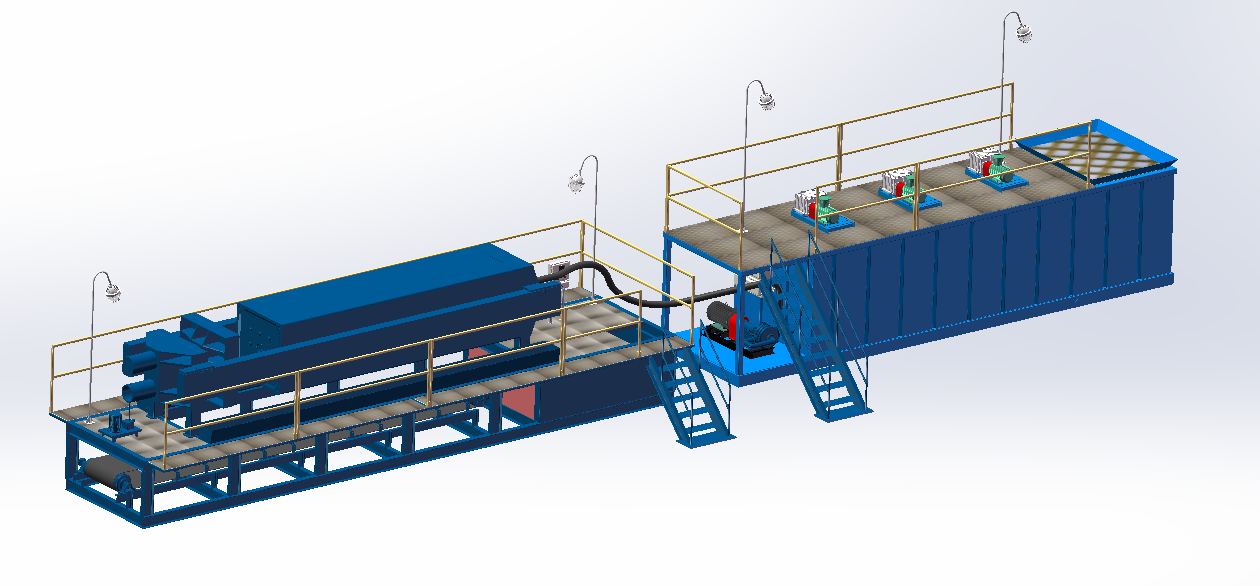
Selecting the right waterbased drill cuttings treatment system requires careful evaluation of your operational requirements, environmental constraints, and economic objectives. Modern drilling operations generate substantial volumes of drill cuttings mixed with waterbased drilling fluids, and choosing an inappropriate treatment method can result in regulatory compliance issues, increased disposal costs, and operational inefficiencies. The diversity of available waterbased drill cuttings treatment technologies means that what works perfectly for one operation may be entirely unsuitable for another, making informed selection critical for project success.
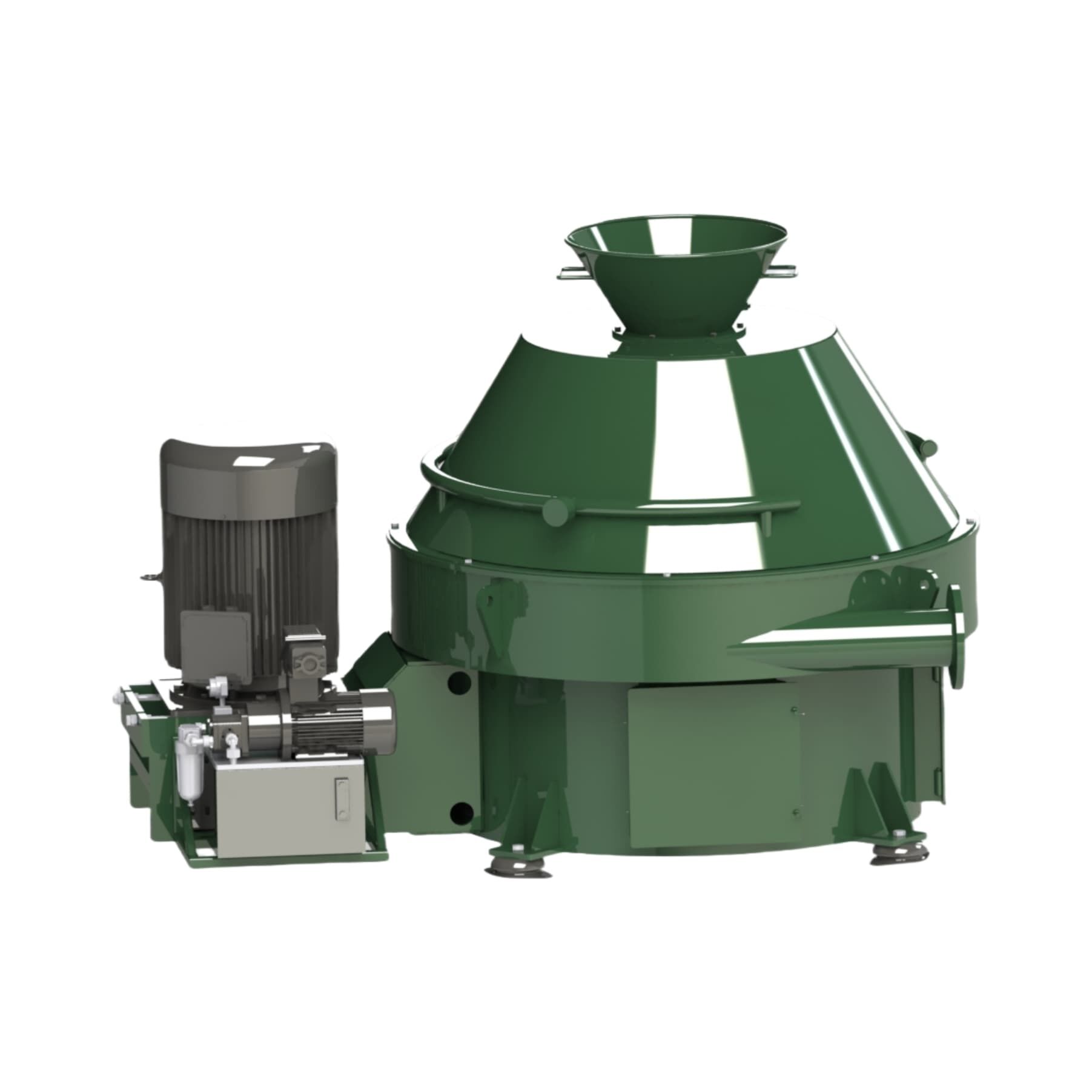
The selection process involves analyzing multiple technical and commercial factors that directly impact treatment effectiveness and operational viability. Your waterbased drill cuttings treatment choice affects everything from initial capital investment and ongoing operational costs to environmental compliance and waste disposal requirements. Understanding how different treatment technologies align with specific operational scenarios enables drilling contractors and operators to make informed decisions that optimize both performance and profitability while meeting increasingly stringent environmental regulations.
Understanding Your Operational Requirements
Volume and Flow Rate Considerations
The volume of drill cuttings your operation generates directly influences which waterbased drill cuttings treatment technology will be most suitable and cost-effective. High-volume operations typically require continuous processing systems with substantial throughput capacity, while smaller projects may benefit from batch processing or mobile treatment units. Flow rate consistency also matters significantly, as some treatment systems perform optimally with steady input rates while others can handle variable or intermittent feeding patterns more effectively.
Seasonal variations in drilling activity can affect your waterbased drill cuttings treatment requirements substantially. Operations with consistent year-round activity may justify investment in permanent, high-capacity treatment systems, while projects with seasonal peaks might benefit from flexible or rental treatment solutions. Consider both peak processing requirements and average daily volumes when evaluating treatment options, ensuring your selected system can handle maximum loads without creating bottlenecks in drilling operations.
Drilling Fluid Characteristics
The specific properties of your waterbased drilling fluids significantly impact treatment technology selection and performance. Fluid viscosity, density, chemical composition, and additive content all affect how effectively different treatment methods can separate cuttings from fluids and recover valuable drilling mud components. Some waterbased drill cuttings treatment systems excel with low-viscosity fluids but struggle with highly viscous or gel-laden muds, while others are specifically designed to handle challenging fluid properties.
Temperature considerations also influence treatment effectiveness, particularly in operations using heated drilling fluids or those conducted in extreme climate conditions. The thermal stability of your drilling fluid additives affects how different treatment processes perform, and some technologies may require temperature control or conditioning systems to maintain optimal separation efficiency. Understanding your fluid characteristics enables more accurate treatment technology selection and performance prediction.
Solids Content and Particle Size Distribution
The nature of drilled solids directly affects waterbased drill cuttings treatment efficiency and technology suitability. Fine clays and reactive shales behave differently during treatment compared to coarse sand or limestone cuttings, requiring different separation approaches and equipment configurations. Particle size distribution influences screen sizing, centrifuge settings, and chemical treatment requirements, making geological understanding essential for treatment system selection.
Reactive formations that generate colloidal particles or swelling clays present particular challenges for some waterbased drill cuttings treatment technologies. These materials can blind screens, reduce centrifuge efficiency, or require additional chemical conditioning, affecting both treatment performance and operating costs. Evaluating your typical drilling environments and expected solids characteristics helps identify treatment technologies that can handle your specific challenges effectively.
Environmental and Regulatory Compliance Factors
Discharge Standards and Limitations
Environmental regulations governing drill cuttings discharge vary significantly by jurisdiction and operational location, directly influencing your waterbased drill cuttings treatment selection. Offshore operations typically face stricter discharge standards than onshore projects, requiring more sophisticated treatment to achieve required oil-on-cuttings levels and fluid recovery rates. Some locations prohibit any cuttings discharge, necessitating zero-discharge treatment systems or complete waste transportation to approved disposal facilities.
Understanding specific regulatory requirements early in the selection process prevents costly modifications or system replacements later. Some waterbased drill cuttings treatment technologies consistently achieve regulatory compliance across multiple jurisdictions, while others may require additional processing stages or chemical treatment to meet specific standards. Regulatory trends toward stricter environmental protection also suggest selecting treatment systems with performance margins above current requirements to accommodate future regulatory changes.
Waste Minimization and Recovery Requirements
Modern environmental stewardship increasingly emphasizes waste minimization and resource recovery, affecting waterbased drill cuttings treatment technology selection. Systems that maximize drilling fluid recovery reduce both environmental impact and operational costs by minimizing makeup fluid requirements and waste disposal volumes. Some treatment technologies excel at fluid recovery but produce wetter cuttings, while others achieve excellent cuttings dryness but may sacrifice fluid recovery efficiency.
The value of recovered drilling fluids varies significantly depending on fluid costs and logistical considerations. High-value synthetic or specialty waterbased drilling fluids justify more sophisticated recovery systems, while basic bentonite muds may not warrant complex treatment for fluid recovery alone. Balancing environmental compliance, waste minimization, and economic factors requires careful evaluation of your specific operational context and regulatory environment.
Economic Considerations and Cost Analysis
Capital Investment Requirements
The initial capital required for different waterbased drill cuttings treatment systems varies dramatically based on technology complexity, processing capacity, and automation level. Simple screening and settling systems require minimal capital investment but may not achieve desired performance levels, while sophisticated centrifuge-based systems demand substantial upfront investment but deliver superior separation efficiency and fluid recovery. Understanding your available capital and expected project duration helps determine whether purchasing, leasing, or service contracting represents the optimal approach.
Consider the relationship between capital cost and operational flexibility when evaluating treatment options. Modular waterbased drill cuttings treatment systems may require higher initial investment but offer scalability and adaptability for changing operational requirements. Permanent installations typically offer lower per-unit processing costs for high-volume, long-term operations, while portable systems provide flexibility for multi-site projects despite potentially higher per-barrel treatment costs.
Operating Cost Components
Operating costs for waterbased drill cuttings treatment encompass multiple components that vary significantly between different technologies. Energy consumption, chemical additives, maintenance requirements, and labor costs all contribute to total operating expenses. High-energy separation processes like centrifugation may deliver superior performance but consume substantial power, while passive settling systems use minimal energy but require more space and time to achieve comparable results.
Maintenance costs can vary dramatically between different waterbased drill cuttings treatment technologies, affecting long-term operational economics. Systems with complex mechanical components typically require more frequent maintenance and specialized technical support, while simpler technologies may offer lower maintenance costs but potentially higher waste disposal expenses due to reduced treatment efficiency. Evaluating total cost of ownership rather than just initial purchase price provides more accurate economic comparisons between treatment options.
Value Recovery and Disposal Savings
Effective waterbased drill cuttings treatment can generate substantial value through drilling fluid recovery and reduced waste disposal costs. High-efficiency treatment systems that recover significant drilling fluid volumes provide ongoing operational savings that can offset higher capital or operating costs. The economic value of fluid recovery depends on drilling fluid costs, logistics expenses, and the volume of fluids that can be effectively recovered and reused.
Disposal cost avoidance represents another significant economic benefit of effective treatment. Dry, clean cuttings typically cost much less to transport and dispose of than fluid-contaminated waste, and some treated cuttings may qualify for beneficial reuse applications rather than disposal. Quantifying these economic benefits requires understanding your specific operational context, including fluid costs, transportation distances, and available disposal or reuse options.
Technology Selection Criteria
Mechanical Separation Technologies
Mechanical separation forms the foundation of most waterbased drill cuttings treatment systems, with different technologies offering distinct advantages for specific operational scenarios. Shale shakers provide initial solids removal and work effectively with most waterbased drilling fluids, but their performance depends heavily on screen selection and fluid properties. Hydrocyclones offer compact, continuous operation for fine solids removal but require consistent pressure and flow conditions to maintain separation efficiency.
Centrifugal separation technologies, including decanter centrifuges and vertical dryers, deliver superior separation performance for demanding applications. These systems can achieve very low fluid content on cuttings and high drilling fluid recovery rates, making them suitable for operations requiring maximum environmental compliance or fluid conservation. However, they typically require higher capital investment and more sophisticated operational support compared to simpler mechanical separation methods.
Chemical Treatment Integration
Chemical treatment can significantly enhance waterbased drill cuttings treatment performance by modifying fluid and solids properties to improve separation efficiency. Flocculants and coagulants help aggregate fine particles, improving settling and filtration performance, while surfactants can reduce surface tension to enhance fluid recovery. However, chemical additives increase operating costs and may affect drilling fluid properties if recovered fluids are returned to active systems.
The compatibility between chemical treatment and your specific drilling fluid system requires careful evaluation. Some drilling fluid additives may interfere with chemical treatment effectiveness, while treatment chemicals might negatively impact drilling performance if they contaminate recovered fluids. Understanding these interactions helps determine whether chemical enhancement will provide net benefits for your specific waterbased drill cuttings treatment application.
Automation and Control Requirements
Automation levels vary significantly between different waterbased drill cuttings treatment systems, affecting both performance consistency and labor requirements. Fully automated systems maintain optimal operating parameters continuously but require sophisticated control systems and technical support. Manual systems offer operational flexibility and lower capital costs but depend on operator skill and attention for consistent performance.
Consider your available technical expertise and operational preferences when evaluating automation requirements. Remote operations or locations with limited skilled labor may benefit from automated treatment systems despite higher initial costs. Conversely, operations with experienced personnel and hands-on management preferences might prefer manual systems that offer more direct control over treatment parameters and operating conditions.
FAQ
How do I determine the right processing capacity for my waterbased drill cuttings treatment system?
Calculate your peak drilling rates and multiply by the estimated cuttings generation factor for your formation types, typically ranging from 15-25% of hole volume. Add a safety margin of 20-30% to handle variations in drilling rates and formation characteristics. Consider both instantaneous peak rates and daily average volumes, as some treatment technologies handle surge capacity better than others. Factor in any operational constraints like limited working hours or maintenance downtime when sizing your treatment system.
What performance standards should I expect from different waterbased drill cuttings treatment technologies?
Basic screening and settling systems typically achieve 15-25% moisture content on cuttings with 60-80% fluid recovery rates. Hydrocyclone systems generally deliver 10-15% moisture content with 80-90% fluid recovery. Advanced centrifugal separation can achieve less than 10% moisture content on cuttings while recovering over 95% of drilling fluids. However, actual performance depends significantly on fluid properties, solids characteristics, and operating conditions specific to your application.
How do maintenance requirements differ between waterbased drill cuttings treatment technologies?
Simple screening systems require primarily screen replacement and cleaning, typically achievable with basic mechanical skills. Hydrocyclone maintenance involves liner replacement and pressure monitoring but remains relatively straightforward. Centrifugal separation systems require more sophisticated maintenance including bearing service, vibration monitoring, and precision alignment. Plan for specialized technical support and spare parts inventory for complex systems, while simpler technologies can often be maintained by general drilling crew personnel.
What factors should influence my decision between purchasing and service contracting for waterbased drill cuttings treatment?
Consider project duration, treatment volume, technical expertise availability, and capital constraints. Service contracts work well for short-term projects, uncertain volumes, or operations lacking specialized technical support. Equipment purchase makes sense for long-term projects with consistent volumes and available technical personnel. Evaluate total cost over your project timeline, including equipment depreciation, maintenance costs, operator training, and performance guarantees when comparing options.
Table of Contents
- Understanding Your Operational Requirements
- Environmental and Regulatory Compliance Factors
- Economic Considerations and Cost Analysis
- Technology Selection Criteria
-
FAQ
- How do I determine the right processing capacity for my waterbased drill cuttings treatment system?
- What performance standards should I expect from different waterbased drill cuttings treatment technologies?
- How do maintenance requirements differ between waterbased drill cuttings treatment technologies?
- What factors should influence my decision between purchasing and service contracting for waterbased drill cuttings treatment?