Home > Blog > Page 2

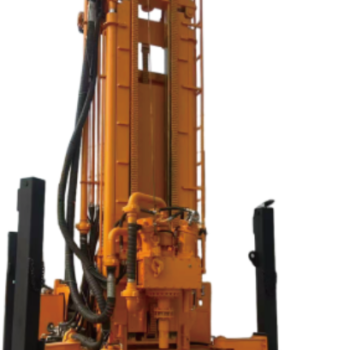
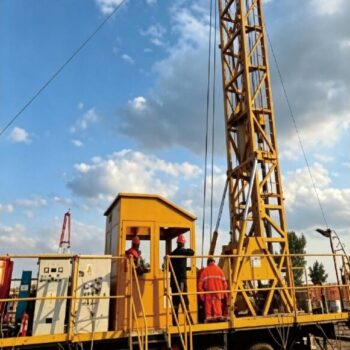
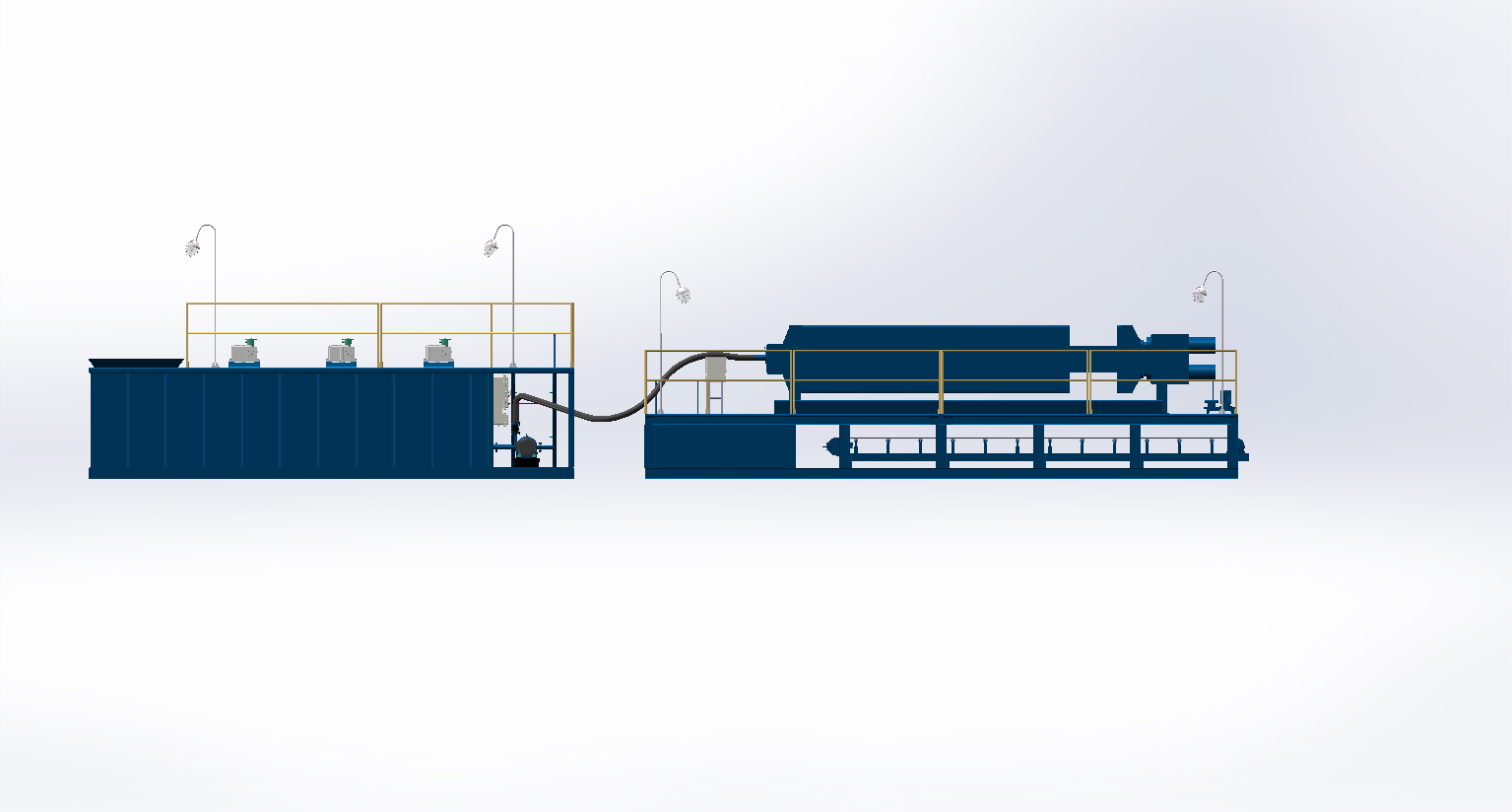
How does waterbased drill cuttings treatment work?

Waterbased drill cuttings treatment represents a critical component of modern drilling operations, employing sophisticated separation processes to recover valuable drilling fluids while managing solid waste effectively. This treatment methodology addresses the environmental and economic challenges associated with waterbased drilling mud systems, where drill cuttings become contaminated with drilling fluids during the drilling process. The operational […]

How does waterbased drill cuttings treatment work? Read More
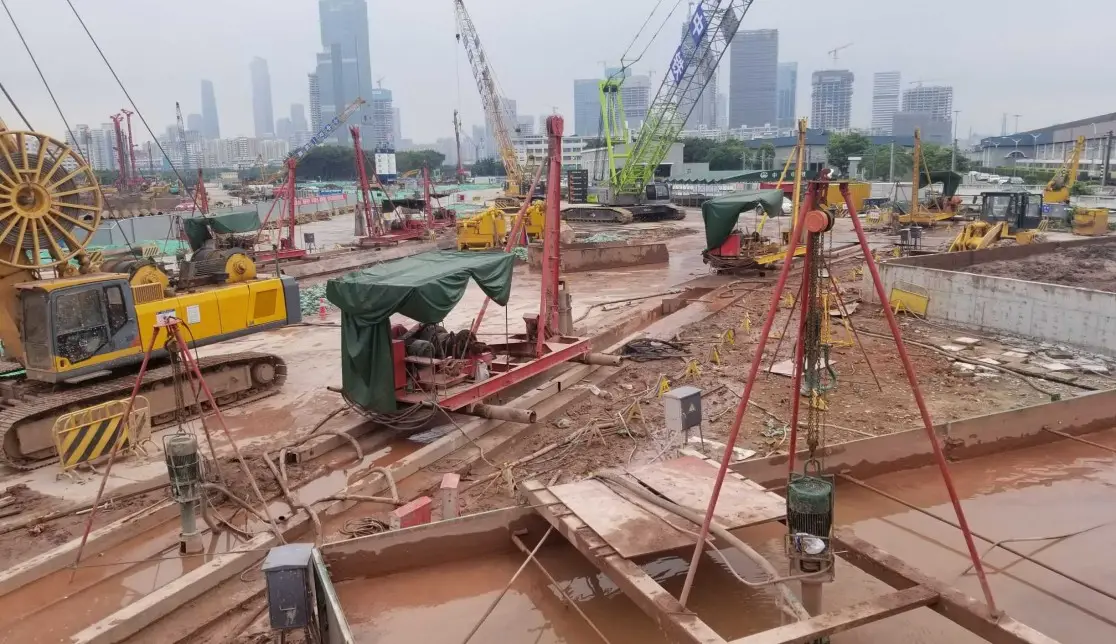
What is pipeline waste treatment and why does it matter?

Pipeline waste treatment refers to the comprehensive management and processing of liquid and solid waste materials generated during pipeline construction, maintenance, and decommissioning activities. This critical process involves the collection, separation, treatment, and proper disposal of drilling fluids, slurry materials, excavated soil, and contaminated water that accumulate during trenchless pipeline installation and repair operations. Understanding

What is pipeline waste treatment and why does it matter? Read More

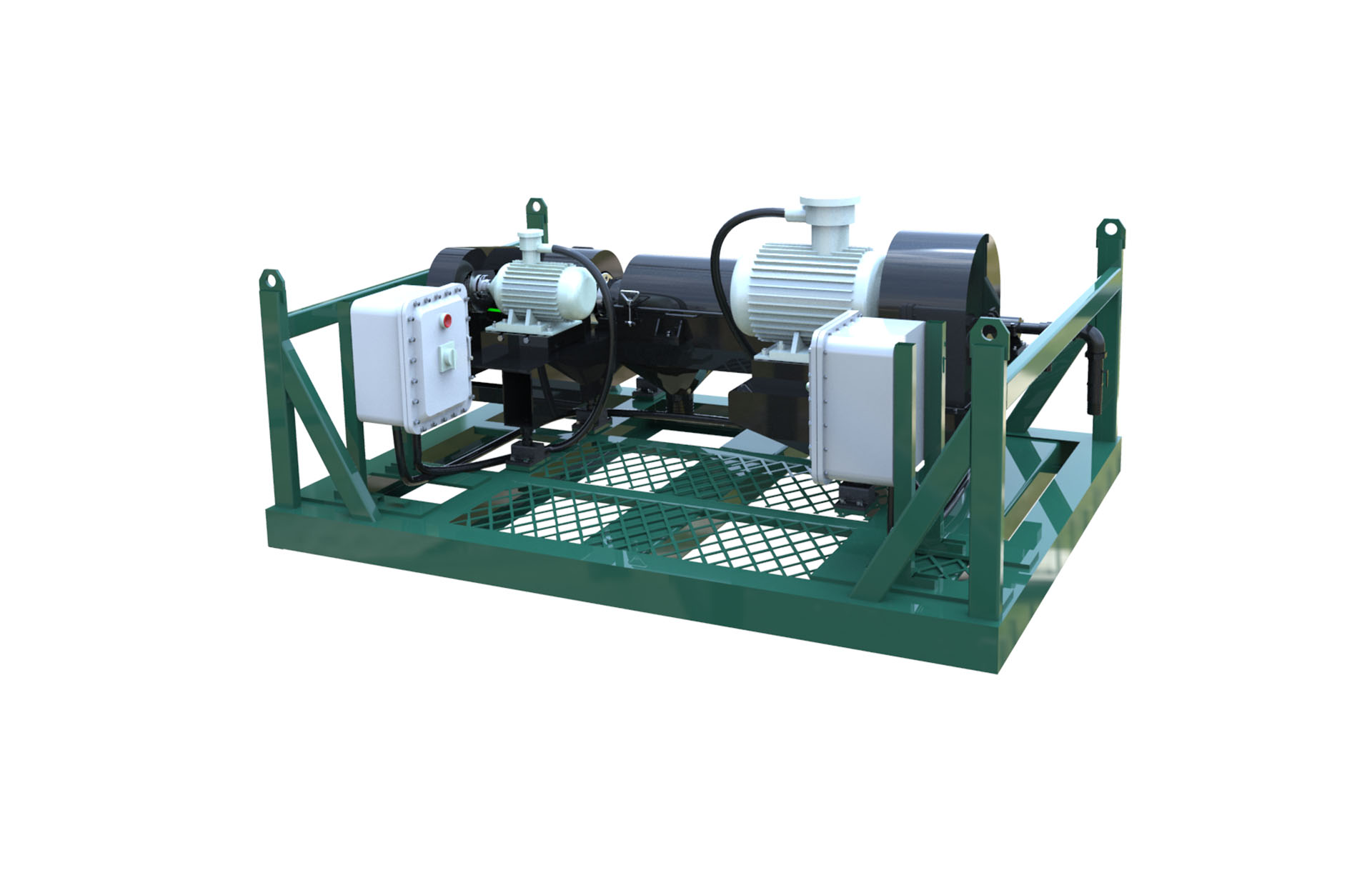
How does a decanter centrifuge separate solids from liquids?

A decanter centrifuge operates on the fundamental principle of centrifugal force to achieve solid-liquid separation through high-speed rotation. This industrial equipment creates a powerful gravitational field thousands of times stronger than Earth’s gravity, forcing denser solid particles to move outward while lighter liquid phases remain closer to the center. The separation mechanism relies on the

How does a decanter centrifuge separate solids from liquids? Read More

What is a decanter centrifuge and how does it work?

A decanter centrifuge is a sophisticated industrial separation device that uses centrifugal force to separate solids from liquids or to separate different phases based on their density differences. This continuous-operation machine plays a crucial role in numerous industrial processes, from wastewater treatment and oil drilling to food processing and chemical manufacturing. Understanding the fundamental principles

What is a decanter centrifuge and how does it work? Read More

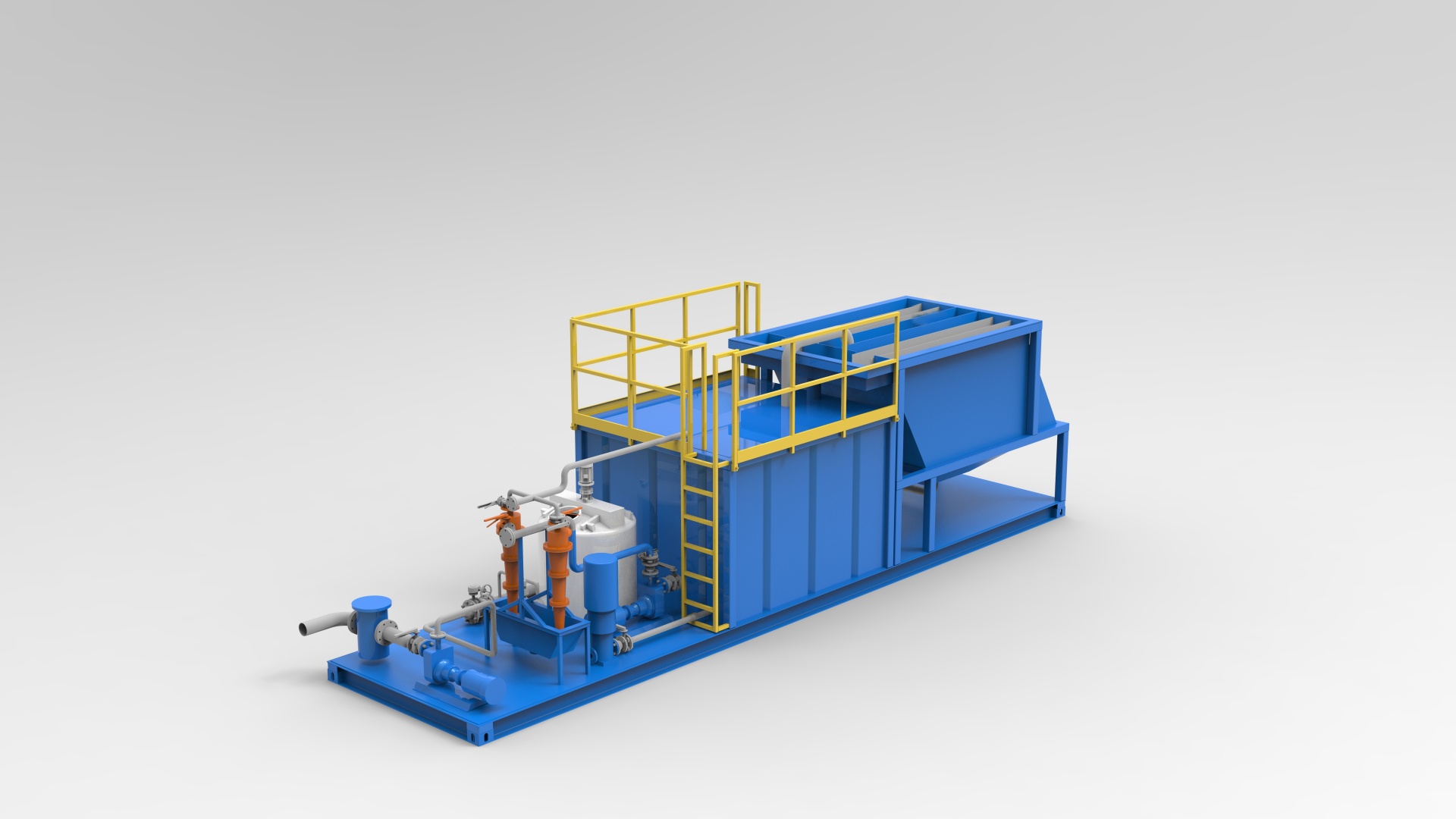
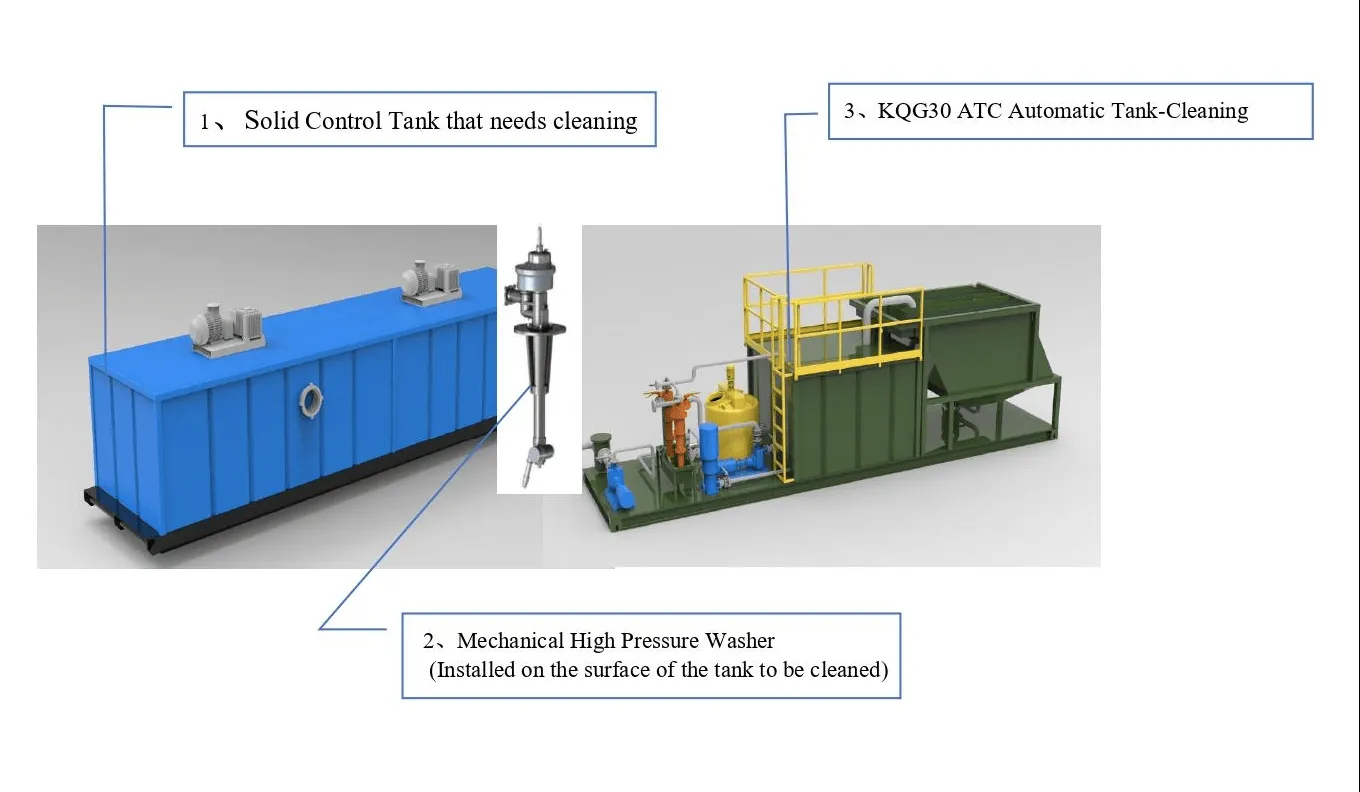
How to select automated tank cleaning equipment in 2026?

Selecting the right automated tank cleaning equipment has become increasingly complex as industrial facilities face evolving regulatory requirements, sustainability pressures, and operational efficiency demands in 2026. The decision requires careful evaluation of multiple technical, economic, and operational factors that directly impact cleaning effectiveness, maintenance costs, and overall facility productivity. With advances in automation technology, environmental

How to select automated tank cleaning equipment in 2026? Read More

When should you upgrade oily sludge treatment systems?

Determining the optimal timing for upgrading your oily sludge treatment system is a critical decision that affects operational efficiency, regulatory compliance, and long-term cost management. Industrial facilities often face the challenge of balancing system performance with capital investment, making it essential to recognize the key indicators that signal when an upgrade becomes necessary. The decision

When should you upgrade oily sludge treatment systems? Read More

Which automated tank cleaning equipment fits your needs?

Selecting the right automated tank cleaning equipment requires careful consideration of your specific operational requirements, tank configurations, and industry standards. Industrial facilities across sectors like petroleum, chemicals, food processing, and pharmaceuticals face unique challenges when it comes to maintaining clean storage vessels while minimizing downtime and ensuring worker safety. The decision between different types of

Which automated tank cleaning equipment fits your needs? Read More

How to choose oily sludge treatment equipment in 2026?

Selecting the right oily sludge treatment equipment in 2026 requires careful evaluation of technological capabilities, operational efficiency, and regulatory compliance standards. Modern industrial facilities face increasingly complex challenges in managing contaminated sludge from petroleum refining, chemical processing, and waste treatment operations. The choice of appropriate oily sludge treatment technology directly impacts facility performance, environmental compliance,

How to choose oily sludge treatment equipment in 2026? Read More

Which oily sludge treatment method suits your facility?

Industrial facilities across the globe face mounting challenges in managing contaminated waste streams, particularly when it comes to oily sludge treatment. This complex waste byproduct contains a mixture of hydrocarbons, water, and solid particles that require specialized handling and processing techniques. Effective oily sludge treatment not only ensures regulatory compliance but also presents opportunities for

Which oily sludge treatment method suits your facility? Read More

×

Get a Free Quote