 EN
EN

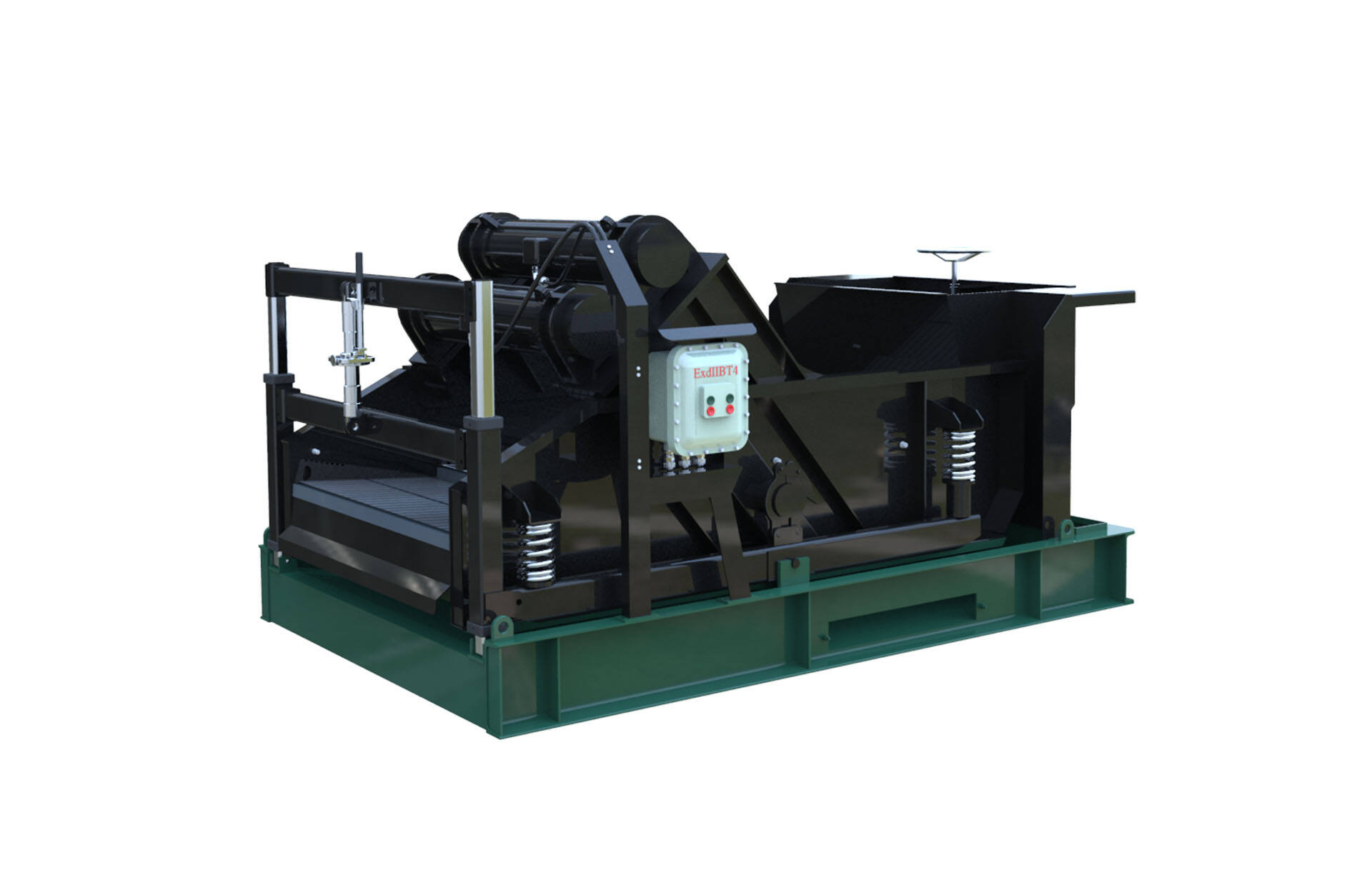
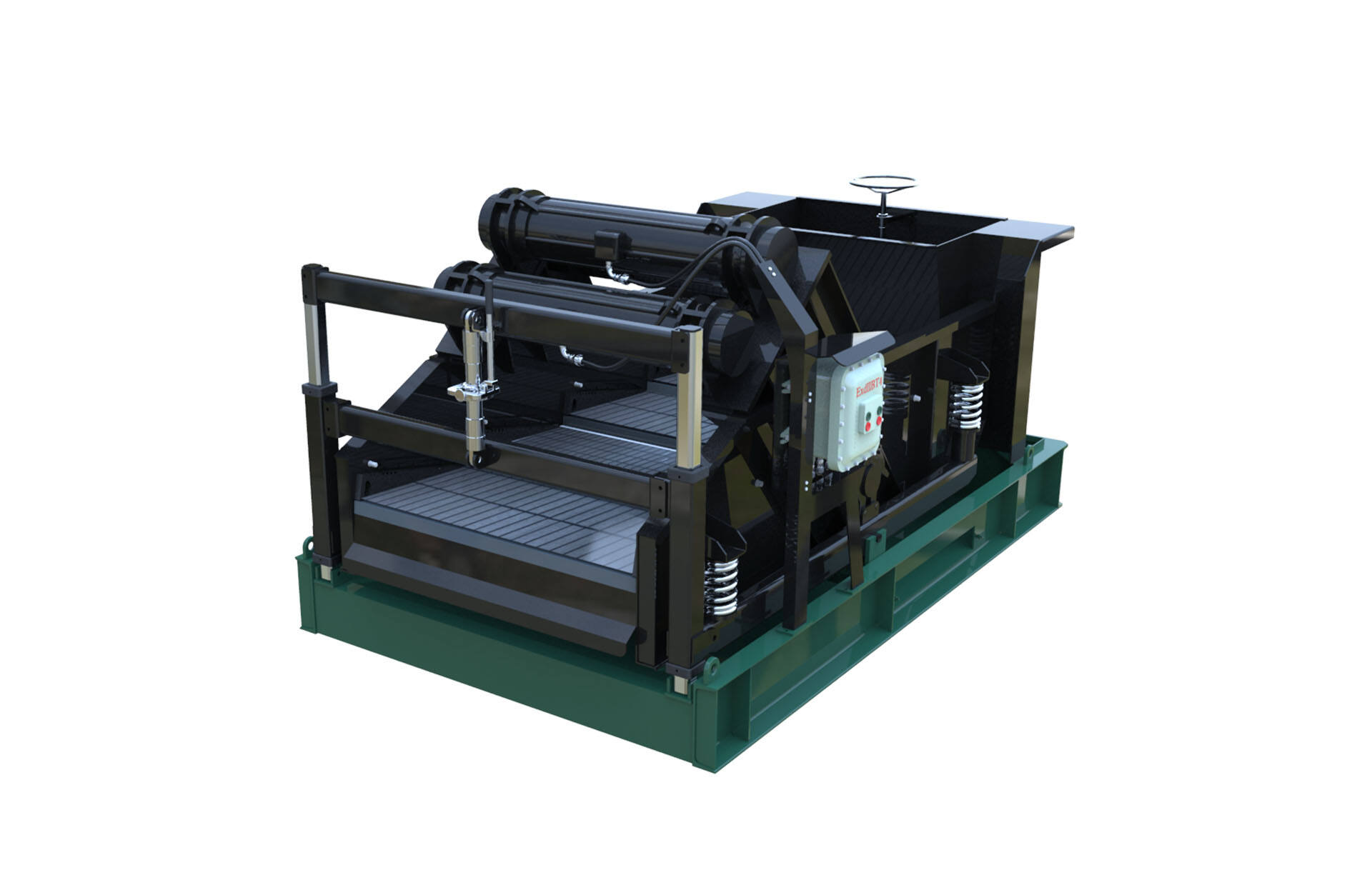
A shale shaker is one of the most critical components in drilling operations, responsible for separating drill cuttings from drilling mud to maintain optimal drilling fluid properties. When these essential machines experience problems, the entire drilling operation can face significant delays and increased costs. Understanding common issues and their solutions is crucial for maintaining efficient drilling operations and ensuring consistent mud quality throughout the drilling process.
Identifying Screen Problems and Solutions
Screen Blinding and Clogging Issues
Screen blinding occurs when fine particles become lodged in the mesh openings, reducing the effective screening area and compromising separation efficiency. This problem typically manifests as reduced throughput, poor fluid clarity, and increased retention of solids in the drilling mud. The primary causes include using screens with mesh sizes that are too fine for the application, inadequate vibration intensity, or drilling through formations with high clay content.
To address screen blinding, operators should first evaluate the appropriateness of their current screen selection. Switching to coarser mesh screens can often resolve blinding issues while still maintaining acceptable solids control. Additionally, increasing the vibration intensity or adjusting the shaker angle can help prevent particles from settling into the mesh openings. Regular screen cleaning and maintenance protocols should also be established to prevent accumulation of sticky materials.
Premature Screen Wear and Failure
Excessive screen wear represents a significant operational cost and can lead to unexpected downtime during drilling operations. Common indicators include visible holes in the screen mesh, frayed edges, or complete screen failure during operation. The primary contributing factors include excessive vibration amplitude, improper screen tensioning, abrasive drilling conditions, or using screens that are not suited for the specific drilling application.
Prevention strategies focus on proper screen selection based on formation characteristics and drilling parameters. Implementing regular inspection schedules allows operators to identify early signs of wear before complete failure occurs. Proper screen installation techniques, including correct tensioning and secure mounting, can significantly extend screen life. Additionally, monitoring and adjusting vibration parameters to match drilling conditions helps optimize both performance and screen longevity.
Vibration Motor Troubleshooting
Motor Overheating Problems
Motor overheating in shale shaker systems can lead to premature motor failure, reduced efficiency, and unexpected equipment downtime. Symptoms include excessive motor casing temperatures, unusual odors, or motor protection systems activating to prevent damage. Common causes include inadequate lubrication, bearing wear, excessive load conditions, poor ventilation around motor housings, or electrical issues affecting motor performance.
Addressing overheating requires a systematic approach to identify and eliminate root causes. Regular lubrication schedules should be maintained according to manufacturer specifications, using appropriate lubricants for the operating environment. Motor housings should be kept clean and free of debris that could restrict airflow. Load conditions should be monitored to ensure the motor is not operating beyond its design parameters, and electrical connections should be inspected for proper tightness and condition.
Bearing and Mechanical Component Issues
Bearing failures in vibration motors can cause significant damage to the entire shaker system if not addressed promptly. Early warning signs include unusual noise patterns, increased vibration levels, or visible contamination around bearing seals. These problems often result from inadequate lubrication, contamination from drilling fluids, misalignment issues, or normal wear after extended operation periods.
Preventive maintenance programs should include regular bearing inspections and lubrication schedules based on operating hours and environmental conditions. Proper sealing systems help protect bearings from contamination, while alignment checks ensure optimal load distribution. When bearing replacement becomes necessary, using high-quality components designed for the specific operating environment helps maximize service life and reliability.
Flow Rate and Capacity Optimization
Reduced Processing Capacity
Declining processing capacity in shale shaker systems can severely impact drilling operations by creating bottlenecks in the mud circulation system. This issue typically presents as mud overflow, increased solids content in the discharge fluid, or inability to handle normal flow rates. Contributing factors include worn screens, improper deck angle settings, inadequate vibration intensity, or accumulation of oversized materials on the shaker deck.
Restoring optimal capacity requires evaluation of multiple system parameters. Screen condition should be assessed and replaced if necessary, while deck angle adjustments can optimize fluid flow patterns across the screening surface. Vibration parameters may need adjustment to match current drilling conditions and mud properties. Regular removal of accumulated debris and oversized materials helps maintain consistent processing capacity throughout drilling operations.
Uneven Fluid Distribution
Uneven fluid distribution across the shaker deck leads to inefficient separation, reduced screen life, and inconsistent mud quality. Signs of this problem include preferential flow paths across the screen surface, dry spots on portions of the deck, or varying solids content in different areas of the discharge. Root causes often include improper feed box design, worn distribution equipment, deck leveling issues, or inadequate flow control systems.
Correcting distribution problems requires attention to both mechanical and operational factors. Feed box condition should be evaluated and repaired or replaced if damaged. Deck leveling should be checked and adjusted to ensure uniform fluid spread across the entire screening surface. Flow control systems should be calibrated to deliver consistent fluid volumes, while proper maintenance of distribution components helps maintain even flow patterns.
Electrical System Diagnostics
Power Supply and Control Issues
Electrical problems in shale shaker systems can cause intermittent operation, reduced performance, or complete system shutdown. Common symptoms include motors that fail to start, erratic vibration patterns, or control system malfunctions. These issues often stem from loose electrical connections, voltage fluctuations, damaged wiring, or control system component failures that affect overall system operation.
Troubleshooting electrical problems requires systematic testing of all system components. Voltage measurements should be taken at various points in the system to identify potential issues with power supply quality. Electrical connections should be inspected for tightness and corrosion, while wiring integrity should be verified through continuity testing. Control system components may require professional diagnosis and replacement if internal failures are detected.
Sensor and Monitoring System Failures
Modern shale shaker systems rely heavily on sensors and monitoring equipment to optimize performance and prevent equipment damage. Sensor failures can lead to incorrect operational adjustments, missed warning conditions, or inability to monitor critical system parameters. Common problems include vibration sensors providing incorrect readings, temperature monitoring failures, or flow measurement inaccuracies that affect system control.
Maintaining reliable sensor operation requires regular calibration and verification procedures. Sensors should be cleaned and inspected according to manufacturer recommendations, while calibration should be performed using certified reference standards. Wiring connections to sensors should be protected from environmental contamination and mechanical damage. Backup monitoring methods should be available for critical parameters to ensure continuous system oversight.
Maintenance Best Practices
Preventive Maintenance Scheduling
Effective preventive maintenance programs are essential for maximizing shale shaker reliability and minimizing unexpected downtime. These programs should be based on operating hours, drilling conditions, and manufacturer recommendations rather than calendar schedules alone. Key maintenance activities include regular screen inspections, motor lubrication, bearing condition assessments, and electrical system checks that identify potential problems before they cause failures.
Documentation of maintenance activities helps identify patterns and optimize maintenance intervals based on actual equipment performance. Maintenance schedules should be adjusted based on operating conditions, with more frequent inspections during demanding drilling operations. Training personnel in proper maintenance procedures ensures consistent execution and helps identify early warning signs of developing problems.
Spare Parts Management and Inventory
Maintaining appropriate spare parts inventory is crucial for minimizing downtime when repairs become necessary. Critical components such as screens, bearings, seals, and electrical components should be readily available on-site or through rapid delivery arrangements. Parts inventory should be based on failure history, lead times for replacement parts, and the cost impact of equipment downtime during drilling operations.
Quality of spare parts significantly affects equipment reliability and should meet or exceed original equipment specifications. Generic or inferior quality components may initially cost less but can lead to premature failures and increased maintenance costs over time. Proper storage conditions help maintain spare parts quality, while inventory rotation ensures that parts do not deteriorate during storage periods.
FAQ
What are the most common causes of screen blinding in shale shakers?
Screen blinding typically occurs due to using mesh sizes that are too fine for the application, inadequate vibration intensity, high clay content in formations, or improper shaker angle settings. Solutions include selecting appropriate mesh sizes, adjusting vibration parameters, and implementing regular cleaning protocols to prevent particle accumulation in screen openings.
How often should vibration motor bearings be lubricated?
Bearing lubrication frequency depends on operating hours, environmental conditions, and manufacturer specifications, but typically ranges from every 500 to 2000 operating hours. Harsh drilling environments with high contamination levels may require more frequent lubrication, while clean operating conditions may allow extended intervals between lubrication cycles.
Why does my shale shaker experience reduced processing capacity over time?
Declining processing capacity usually results from worn screens, improper deck angle settings, accumulated debris on the shaker deck, or inadequate vibration intensity. Regular maintenance including screen replacement, deck cleaning, and vibration parameter optimization can restore optimal processing capacity and maintain efficient drilling operations.
What electrical issues commonly affect shale shaker performance?
Common electrical problems include loose connections causing intermittent operation, voltage fluctuations affecting motor performance, damaged wiring leading to system failures, and control system component malfunctions. Regular electrical inspections, proper connection maintenance, and voltage monitoring help prevent these issues and ensure reliable system operation.