 EN
EN

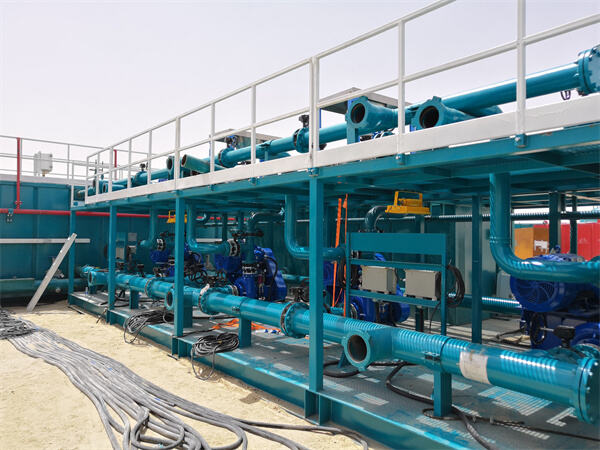
Selecting the right oily sludge treatment equipment in 2026 requires careful evaluation of technological capabilities, operational efficiency, and regulatory compliance standards. Modern industrial facilities face increasingly complex challenges in managing contaminated sludge from petroleum refining, chemical processing, and waste treatment operations. The choice of appropriate oily sludge treatment technology directly impacts facility performance, environmental compliance, and long-term operational costs.
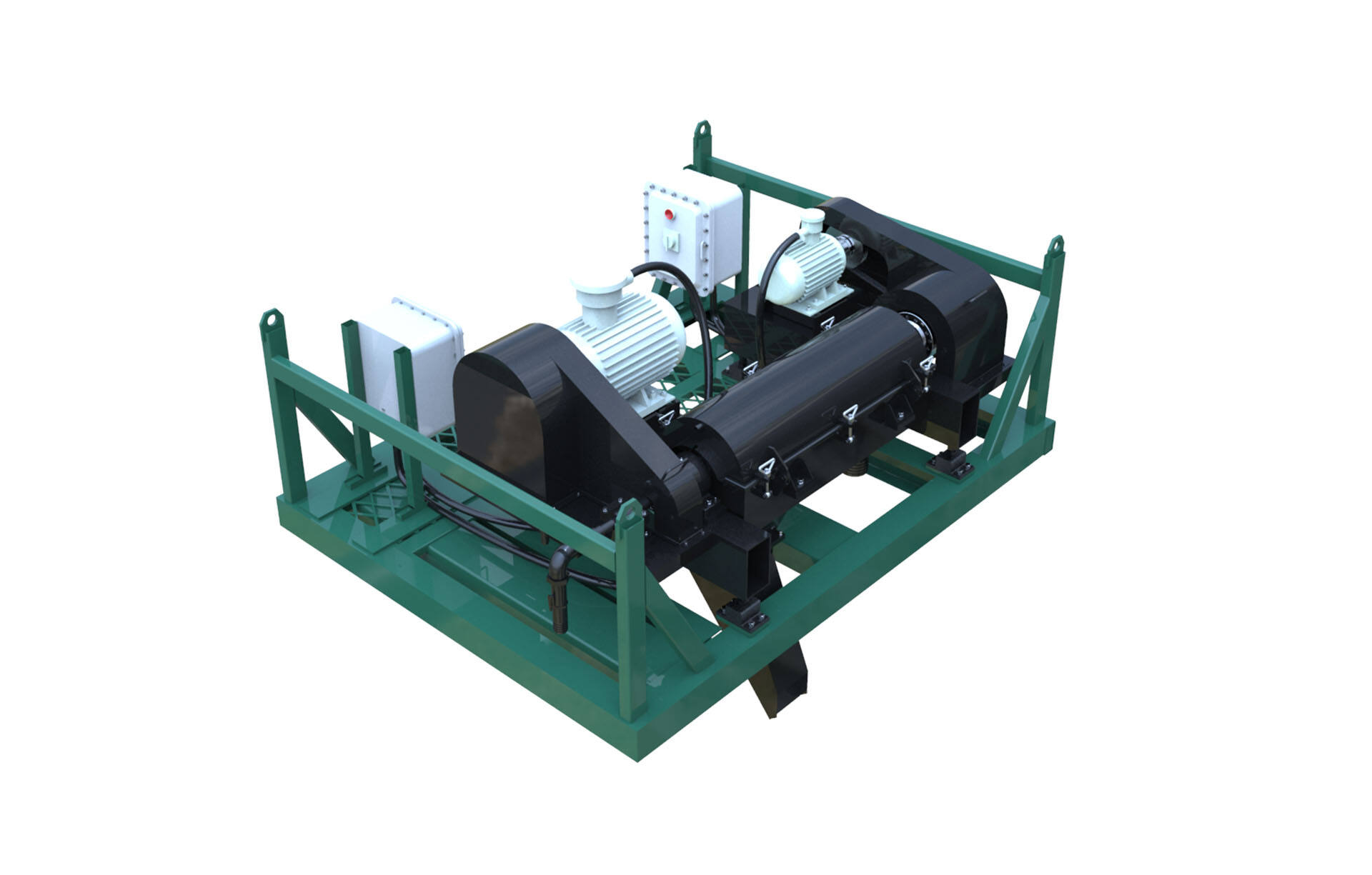
The equipment selection process involves analyzing sludge characteristics, processing volume requirements, separation efficiency targets, and environmental discharge standards. Advanced oily sludge treatment systems incorporate multiple separation stages, automated control systems, and energy recovery mechanisms to optimize performance while minimizing environmental impact. Understanding the technical specifications and operational parameters of different treatment technologies enables informed decision-making for sustainable sludge management solutions.
Sludge Characterization and Analysis Requirements
Physical and Chemical Property Assessment
Comprehensive sludge characterization forms the foundation for effective oily sludge treatment equipment selection. Laboratory analysis must determine oil content, water percentage, solid particle size distribution, and chemical composition to identify appropriate separation technologies. The viscosity, density, and temperature stability of the sludge directly influence equipment design requirements and processing parameters.
Chemical analysis reveals the presence of heavy metals, aromatic compounds, and other contaminants that affect treatment efficiency and disposal methods. Understanding the emulsion stability and interfacial tension properties helps determine the required separation energy and chemical additives needed for effective oil recovery. These analytical results guide equipment sizing calculations and performance optimization strategies.
Volume and Flow Rate Considerations
Processing volume requirements significantly impact oily sludge treatment equipment selection and system configuration. Daily throughput capacity, peak flow rates, and seasonal variations must be accurately assessed to ensure adequate treatment capacity without oversizing equipment. Batch processing systems offer flexibility for smaller volumes, while continuous treatment systems provide consistent performance for high-volume applications.
Flow rate variations affect equipment performance and energy consumption patterns. Variable speed drives and automated control systems help optimize treatment efficiency across different operating conditions. Proper capacity planning includes allowances for maintenance downtime, process upsets, and future expansion requirements to maintain reliable oily sludge treatment operations.
Technology Selection Criteria and Performance Metrics
Separation Efficiency Standards
Oil recovery efficiency represents a critical performance metric for oily sludge treatment equipment evaluation. Modern separation technologies achieve oil recovery rates exceeding 95% while maintaining low residual oil content in treated water and solid phases. The target separation efficiency depends on regulatory requirements, economic considerations, and downstream processing capabilities.
Water quality parameters including total suspended solids, chemical oxygen demand, and hydrocarbon content must meet discharge standards or recycling requirements. Effective oily sludge treatment systems incorporate multiple separation stages to achieve stringent environmental compliance while maximizing resource recovery potential. Performance monitoring systems track separation efficiency trends and identify optimization opportunities.
Energy Consumption and Operating Costs
Energy efficiency considerations significantly influence total cost of ownership for oily sludge treatment systems. High-speed centrifugal separators consume substantial electrical power but provide superior separation performance and compact footprint advantages. Thermal treatment methods require heating energy but can achieve complete oil recovery and volume reduction.
Operating cost analysis includes electricity consumption, chemical additives, maintenance requirements, and waste disposal expenses. Energy recovery systems that capture heat from separation processes or utilize recovered oil as fuel source improve overall economic performance. Automated control systems optimize energy consumption by adjusting operating parameters based on real-time process conditions and feed characteristics.
Equipment Design Features and Technical Specifications
Mechanical Separation Technologies
Centrifugal separation represents the most widely adopted technology for oily sludge treatment applications due to its high efficiency and reliable performance characteristics. Decanter centrifuges provide continuous operation with adjustable bowl speed, differential speed, and feed rate controls to optimize separation performance for varying sludge characteristics. The G-force generated by high-speed rotation enables effective separation of oil, water, and solid phases.
Three-phase separation systems simultaneously recover oil, clean water, and dewatered solids in a single processing step. Bowl design features including length-to-diameter ratio, conveyor pitch, and discharge port configuration affect separation efficiency and throughput capacity. Wear-resistant materials and protective coatings extend equipment service life in abrasive sludge applications.
Process Control and Automation Systems
Advanced process control systems enable optimized oily sludge treatment performance through real-time monitoring and automated parameter adjustment. Programmable logic controllers integrate feed pumps, separation equipment, and auxiliary systems to maintain consistent operating conditions despite feed variations. Sensor networks monitor key parameters including flow rates, temperatures, pressures, and separation efficiency metrics.
Human machine interfaces provide operators with comprehensive process visualization and control capabilities. Data logging systems track equipment performance trends and maintenance requirements to support predictive maintenance strategies. Remote monitoring capabilities enable expert technical support and troubleshooting assistance to minimize downtime and optimize treatment efficiency.
Installation and Operational Considerations
Site Requirements and Infrastructure Planning
Proper site preparation ensures reliable oily sludge treatment system performance and facilitates maintenance access. Foundation requirements depend on equipment weight, vibration characteristics, and soil conditions at the installation location. Adequate clearances around equipment enable safe operation, routine maintenance, and component replacement activities.
Utility requirements include electrical power supply, process water, compressed air, and waste discharge connections. Environmental considerations encompass noise control, odor management, and secondary containment for potential spills or leaks. Climate protection measures may be necessary for outdoor installations in harsh environmental conditions to maintain equipment performance and extend service life.
Maintenance and Service Support
Comprehensive maintenance programs maximize oily sludge treatment equipment availability and extend service life through preventive care and timely repairs. Scheduled maintenance activities include lubrication, wear part replacement, alignment checks, and performance testing to identify potential issues before they cause failures. Spare parts inventory planning ensures critical components are readily available to minimize downtime.
Technical service support from equipment manufacturers provides expertise for troubleshooting, performance optimization, and major maintenance activities. Training programs for operators and maintenance personnel ensure proper equipment operation and care. Service contracts may include remote monitoring, predictive maintenance, and guaranteed response times for emergency repairs to maintain continuous oily sludge treatment operations.
Regulatory Compliance and Environmental Standards
Discharge Requirements and Permit Conditions
Environmental regulations establish stringent limits for hydrocarbon content, heavy metals, and other contaminants in treated water discharged from oily sludge treatment facilities. Permit conditions specify monitoring requirements, reporting obligations, and operational restrictions that equipment selection must accommodate. Compliance with local, national, and international environmental standards requires careful evaluation of treatment performance capabilities.
Treated solid waste disposal or recycling options depend on residual contaminant levels and physical characteristics achieved by the oily sludge treatment process. Some applications require hazardous waste classification and specialized disposal methods, while others allow beneficial reuse or standard landfill disposal. Equipment selection must consider downstream waste management requirements and associated costs.
Safety and Risk Management
Safety considerations for oily sludge treatment equipment include fire and explosion prevention, toxic gas exposure control, and mechanical hazard protection. Electrical classification requirements for hazardous locations mandate explosion-proof equipment and grounding systems. Ventilation systems prevent accumulation of flammable vapors and maintain air quality for personnel safety.
Risk assessment identifies potential failure modes and their consequences to develop appropriate mitigation strategies. Emergency shutdown systems, fire suppression equipment, and spill containment measures provide multiple layers of protection. Regular safety training and hazard communication programs ensure personnel understand proper operating procedures and emergency response protocols for oily sludge treatment operations.
FAQ
What factors most significantly impact oily sludge treatment equipment selection?
Sludge characteristics including oil content, viscosity, and solid particle size distribution represent the most critical factors influencing equipment selection. Processing volume requirements, separation efficiency targets, and environmental discharge standards also significantly impact technology choice. Energy consumption, operating costs, and maintenance requirements affect long-term economic performance and must be carefully evaluated during the selection process.
How do I determine the appropriate capacity for oily sludge treatment equipment?
Capacity determination requires accurate assessment of daily throughput volumes, peak flow rates, and seasonal variations in sludge generation. Safety factors should account for process upsets, maintenance downtime, and future expansion requirements. Batch processing systems offer flexibility for variable volumes, while continuous systems provide consistent performance for steady-state operations. Professional engineering analysis ensures proper sizing based on specific application requirements.
What maintenance requirements should be expected for oily sludge treatment systems?
Routine maintenance includes regular lubrication, wear part inspection and replacement, and performance monitoring to ensure optimal separation efficiency. High-speed rotating equipment requires more frequent attention to bearings, seals, and balance conditions. Preventive maintenance schedules depend on operating hours, sludge characteristics, and manufacturer recommendations. Proper maintenance planning includes spare parts inventory, technical training, and service support arrangements to minimize operational disruptions.
How can I ensure regulatory compliance with my oily sludge treatment system?
Regulatory compliance requires thorough understanding of applicable environmental standards, permit conditions, and monitoring requirements. Equipment selection must demonstrate capability to meet discharge limits for hydrocarbons, suspended solids, and other regulated parameters. Regular performance testing, proper record keeping, and operator training support ongoing compliance efforts. Consultation with environmental specialists and regulatory authorities helps ensure proper system design and operation for sustained compliance with oily sludge treatment requirements.
Table of Contents
- Sludge Characterization and Analysis Requirements
- Technology Selection Criteria and Performance Metrics
- Equipment Design Features and Technical Specifications
- Installation and Operational Considerations
- Regulatory Compliance and Environmental Standards
-
FAQ
- What factors most significantly impact oily sludge treatment equipment selection?
- How do I determine the appropriate capacity for oily sludge treatment equipment?
- What maintenance requirements should be expected for oily sludge treatment systems?
- How can I ensure regulatory compliance with my oily sludge treatment system?