 EN
EN

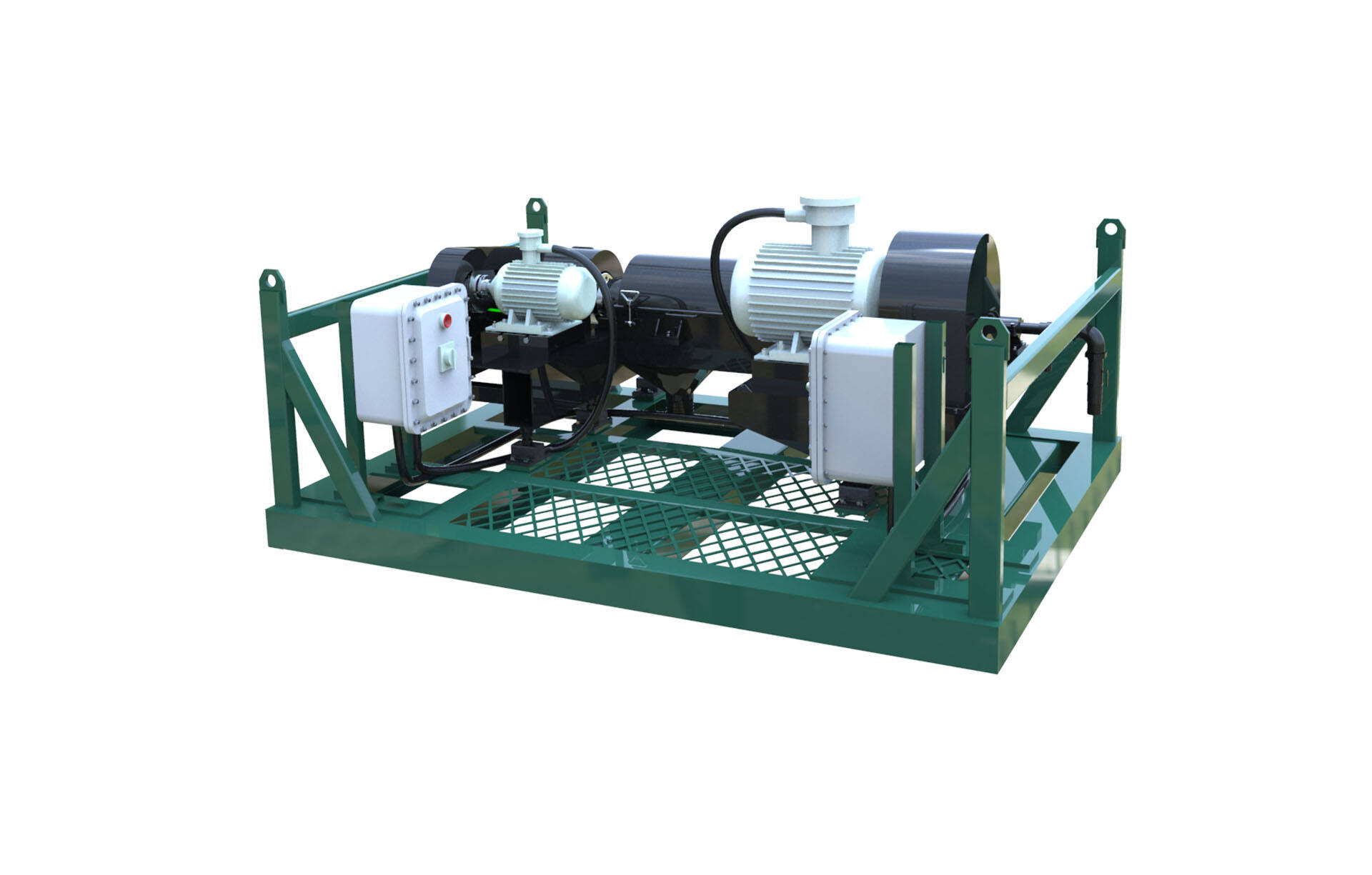
A decanter centrifuge is a sophisticated industrial separation device that uses centrifugal force to separate solids from liquids or to separate different phases based on their density differences. This continuous-operation machine plays a crucial role in numerous industrial processes, from wastewater treatment and oil drilling to food processing and chemical manufacturing. Understanding the fundamental principles and operational mechanics of a decanter centrifuge is essential for professionals seeking efficient solid-liquid separation solutions in their industrial applications.
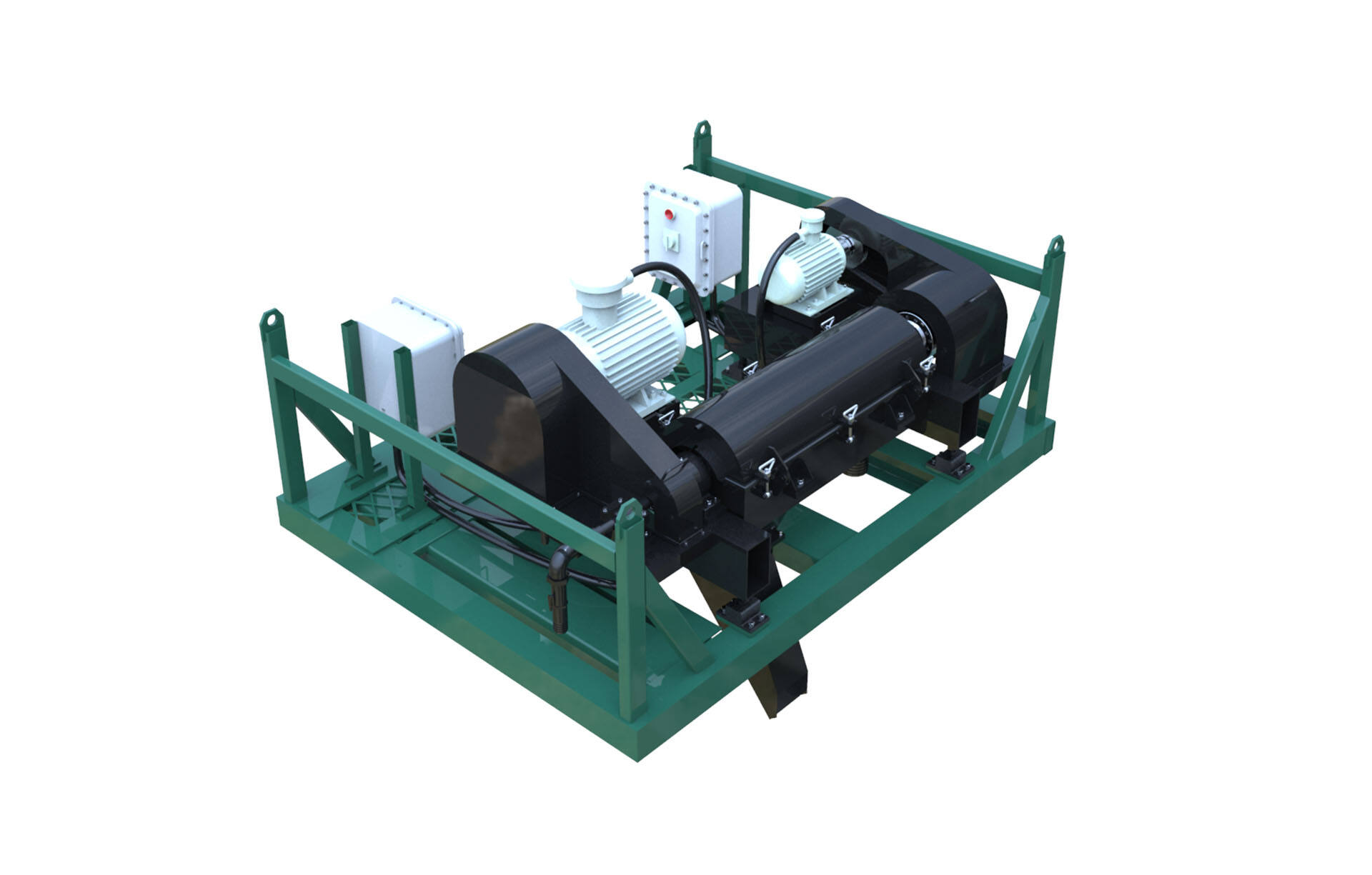
The working mechanism of a decanter centrifuge involves high-speed rotation that creates centrifugal forces many times greater than gravity, enabling rapid and efficient separation of materials that would be difficult or time-consuming to separate using conventional methods. The device consists of a horizontal cylindrical bowl that rotates at high speeds, typically ranging from 1,000 to 4,000 revolutions per minute, while an internal conveyor screw operates at a slightly different speed to transport separated solids toward the discharge end.
Core Components and Design Architecture
Bowl Assembly and Structural Elements
The bowl assembly forms the heart of every decanter centrifuge system, consisting of a tapered cylindrical shell that houses the separation process. This bowl typically features a larger cylindrical section where initial separation occurs and a conical section where final dewatering and solids discharge take place. The bowl's internal surface is engineered with precise tolerances to ensure optimal flow patterns and separation efficiency. High-grade stainless steel construction provides durability and chemical resistance, while the bowl's length-to-diameter ratio is carefully calculated to achieve the desired residence time for effective separation.
The bowl rotates on heavy-duty bearings designed to handle the substantial forces generated during operation. These bearings must withstand both radial and axial loads while maintaining precise alignment to prevent vibration and ensure consistent performance. The bowl's discharge ports are strategically positioned to control the liquid level and optimize the separation process, with adjustable weir plates allowing operators to fine-tune the liquid discharge point based on specific process requirements.
Conveyor Screw System
The conveyor screw, also known as the scroll or auger, operates as the primary solids transport mechanism within the decanter centrifuge. This helical conveyor rotates at a differential speed compared to the bowl, typically 1 to 50 RPM slower, creating the relative motion necessary to transport separated solids along the bowl's length. The screw's pitch and flight configuration are engineered to provide optimal conveying capacity while minimizing re-suspension of settled solids.
Advanced decanter centrifuge designs incorporate variable pitch screws that feature tighter pitch in the conical section to enhance dewatering performance. The screw's leading edge is precisely machined to maintain minimal clearance with the bowl wall, ensuring efficient solids pickup while preventing excessive wear. Hard-facing materials or replaceable wear strips protect high-wear areas, extending operational life and maintaining consistent performance throughout the equipment's service period.
Operating Principles and Separation Mechanics
Centrifugal Force Generation
The fundamental operating principle of a decanter centrifuge relies on the generation of substantial centrifugal forces through high-speed rotation. When the bowl rotates, materials inside experience centrifugal acceleration that can reach 1,000 to 4,000 times the force of gravity, depending on the rotational speed and bowl diameter. This intense centrifugal field causes denser particles to migrate rapidly toward the bowl wall, while lighter liquid phases remain in inner layers, creating distinct separation zones within the rotating system.
The separation efficiency of a decanter centrifuge depends on the density difference between phases, particle size distribution, and the magnitude of centrifugal force applied. Larger density differentials and higher centrifugal forces result in faster and more complete separation. The decanter centrifuge design allows continuous processing, making it highly suitable for large-volume applications where batch processing would be impractical or inefficient.
Flow Dynamics and Residence Time
Material flow within a decanter centrifuge follows a carefully controlled pathway that maximizes separation efficiency while maintaining continuous operation. Feed material enters through a central inlet tube and is distributed evenly along the bowl's length through strategically designed feed ports. The material then experiences the full centrifugal field, causing immediate phase separation as denser solids migrate outward and lighter liquids maintain their position in inner layers.
Residence time within the decanter centrifuge is determined by the bowl geometry, differential speed between the bowl and conveyor, and feed flow rate. Longer residence times generally improve separation quality but may reduce throughput capacity. Optimal decanter centrifuge operation requires balancing these factors to achieve the desired separation performance while maintaining economic processing rates. The conveyor's differential speed directly controls solids residence time, with slower differential speeds providing more thorough dewatering but potentially limiting capacity.
Process Control and Performance Optimization
Variable Speed Control Systems
Modern decanter centrifuge installations incorporate sophisticated variable speed control systems that allow precise adjustment of both bowl speed and differential speed during operation. These control systems enable operators to optimize separation performance for varying feed conditions, material properties, and process requirements. Bowl speed adjustment affects the centrifugal force magnitude, directly influencing separation efficiency and liquid clarity, while differential speed control determines solids transport rate and final moisture content.
Advanced decanter centrifuge control systems feature automated feedback mechanisms that monitor key performance parameters such as torque, vibration, and discharge characteristics. These systems can automatically adjust operating parameters to maintain optimal performance despite variations in feed composition or flow rate. Programmable logic controllers enable operators to store multiple operating profiles for different materials or process conditions, facilitating quick changeovers and consistent performance across various applications.
Monitoring and Diagnostic Capabilities
Contemporary decanter centrifuge systems include comprehensive monitoring capabilities that track critical performance indicators in real-time. Vibration monitoring systems detect potential imbalances or mechanical issues before they affect separation performance or cause equipment damage. Temperature sensors monitor bearing conditions and identify potential lubrication issues, while torque monitoring provides insight into solids loading and conveyor performance.
These monitoring systems enable predictive maintenance strategies that minimize unplanned downtime and extend equipment life. Data logging capabilities allow operators to analyze performance trends and identify optimization opportunities. Remote monitoring options permit off-site supervision and troubleshooting, particularly valuable for decanter centrifuge installations in remote locations or unmanned facilities.
Industrial Applications and Process Integration
Wastewater Treatment Applications
Decanter centrifuge technology plays a vital role in municipal and industrial wastewater treatment processes, particularly in sludge dewatering applications. These systems efficiently separate water from biosolids, reducing sludge volume by 70-85% and producing a cake suitable for disposal or beneficial reuse. The continuous operation capability of decanter centrifuge systems makes them ideal for large treatment plants where consistent performance and high throughput are essential requirements.
In wastewater applications, decanter centrifuge performance depends heavily on sludge characteristics, polymer conditioning, and operating parameters. Proper polymer selection and dosing are crucial for achieving optimal separation results, as the polymer helps bind fine particles together, making them easier to separate. The decanter centrifuge's ability to handle varying sludge compositions and concentrations makes it particularly suitable for facilities with fluctuating waste characteristics.
Oil and Gas Industry Applications
The oil and gas industry relies extensively on decanter centrifuge technology for drilling fluid management, produced water treatment, and waste stream processing. In drilling operations, decanter centrifuge systems separate drill cuttings from drilling mud, allowing valuable drilling fluid recovery while producing dry cuttings for disposal. This process reduces drilling costs by minimizing drilling fluid replacement requirements and reduces environmental impact through effective waste volume reduction.
Offshore drilling operations particularly benefit from decanter centrifuge technology due to space constraints and waste management challenges. The compact design and high processing capacity of modern decanter centrifuge systems enable efficient solids control in limited deck space while meeting stringent environmental discharge requirements. The continuous operation capability ensures uninterrupted drilling operations, which is critical for maintaining expensive offshore drilling schedules.
FAQ
What are the main advantages of using a decanter centrifuge over other separation methods?
Decanter centrifuge systems offer several key advantages including continuous operation capability, high processing capacity, excellent separation efficiency, and minimal space requirements. Unlike settling tanks or filter presses, a decanter centrifuge operates continuously without interruption, making it ideal for large-volume processing. The high centrifugal forces achieve superior separation results compared to gravity-based methods, while the compact design requires significantly less floor space than alternative technologies.
How do you determine the right size decanter centrifuge for a specific application?
Selecting the appropriate decanter centrifuge size requires careful analysis of feed flow rate, solids concentration, desired separation efficiency, and material properties. Key factors include particle size distribution, density differences between phases, viscosity, and required cake dryness. Pilot testing with representative feed material is often recommended to validate performance predictions and optimize operating parameters before full-scale installation.
What maintenance requirements are typical for decanter centrifuge systems?
Regular decanter centrifuge maintenance includes daily inspection of operating parameters, weekly lubrication system checks, and monthly vibration monitoring. Major maintenance tasks involve periodic bearing replacement, conveyor wear component inspection, and bowl balancing verification. Proper maintenance scheduling based on operating hours and material characteristics helps ensure reliable performance and extends equipment service life significantly.
Can decanter centrifuge systems handle abrasive materials effectively?
Modern decanter centrifuge designs incorporate wear-resistant materials and protective features specifically engineered for abrasive applications. Hard-facing on conveyor flights, replaceable wear strips, and specialized coatings help protect critical components from abrasive wear. However, regular monitoring of wear components and appropriate material selection are essential for maintaining optimal performance when processing abrasive materials with a decanter centrifuge system.
Table of Contents
- Core Components and Design Architecture
- Operating Principles and Separation Mechanics
- Process Control and Performance Optimization
- Industrial Applications and Process Integration
-
FAQ
- What are the main advantages of using a decanter centrifuge over other separation methods?
- How do you determine the right size decanter centrifuge for a specific application?
- What maintenance requirements are typical for decanter centrifuge systems?
- Can decanter centrifuge systems handle abrasive materials effectively?