 EN
EN

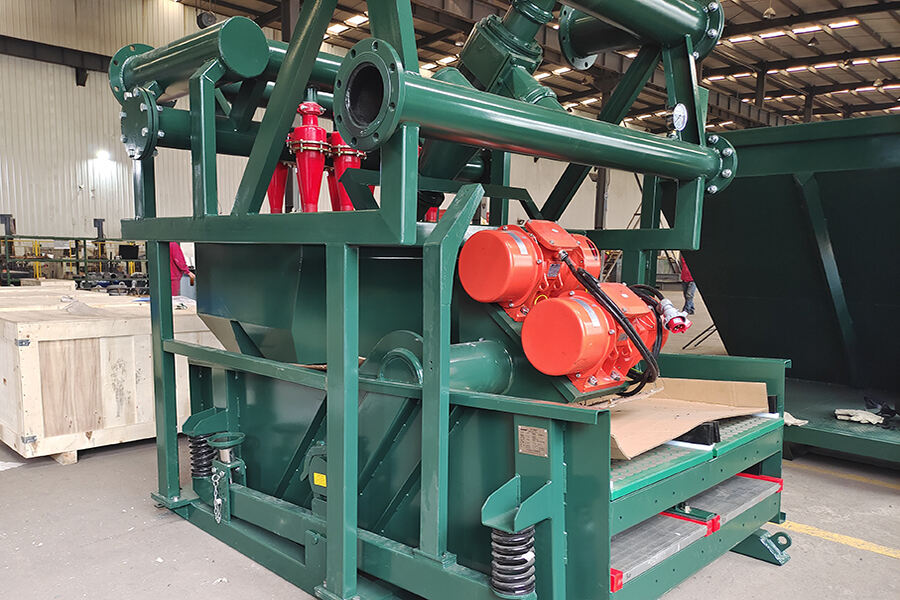
Selecting the appropriate shale shaker for drilling operations represents a critical decision that directly impacts rig efficiency, mud system performance, and overall operational costs. The right equipment ensures optimal solids control while minimizing downtime and maintenance expenses. Understanding the key factors involved in this selection process enables drilling contractors and mud engineers to make informed decisions that enhance their operations' success and profitability.
Understanding Shale Shaker Fundamentals
Core Operating Principles
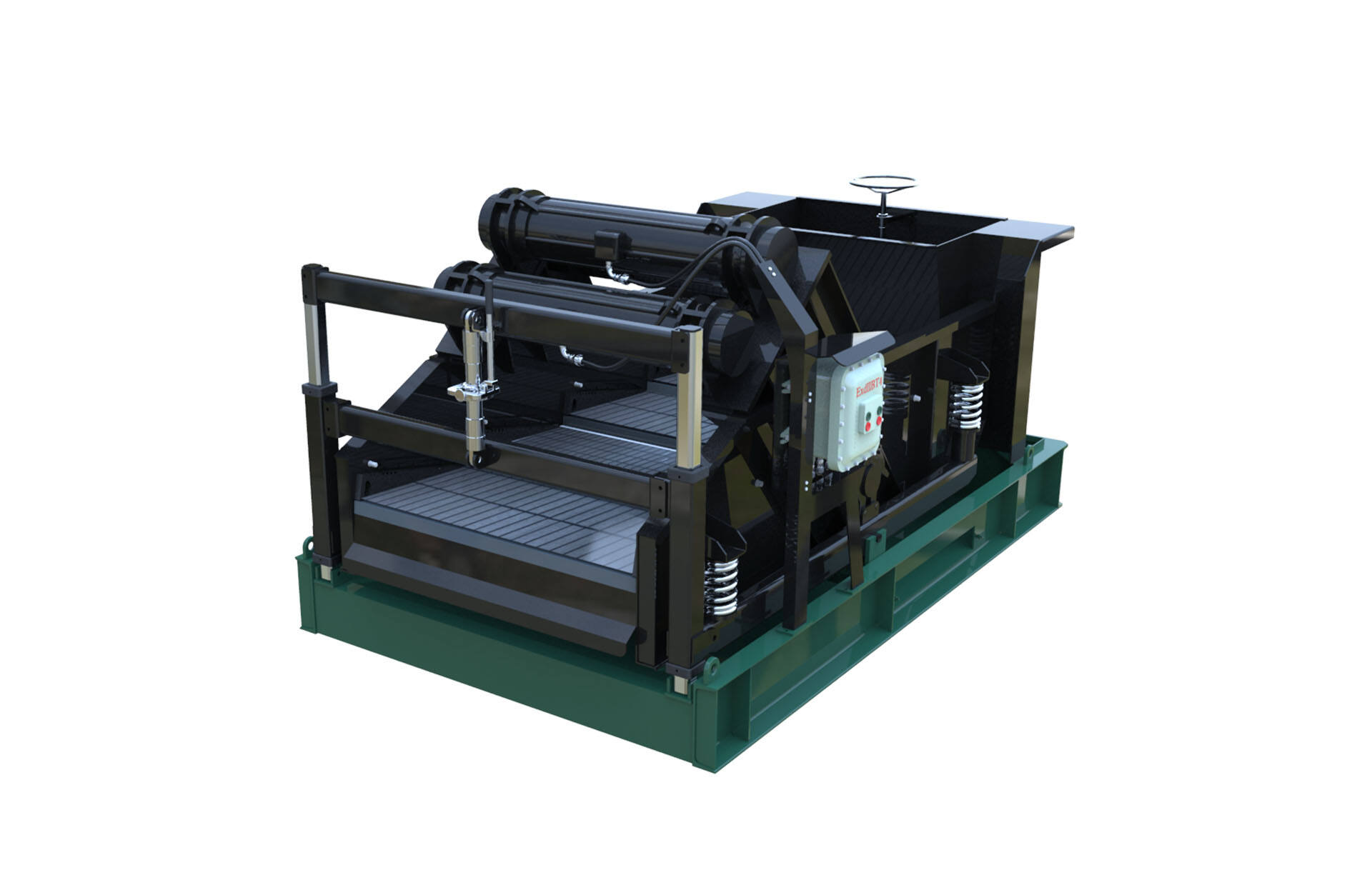
A shale shaker operates as the primary solids control equipment in drilling mud systems, utilizing vibratory motion to separate drill cuttings from drilling fluid. The equipment features a vibrating basket containing screens of specific mesh sizes that allow clean mud to pass through while retaining larger solids. This fundamental separation process maintains mud properties essential for effective drilling operations.
The vibratory mechanism typically employs adjustable motors that generate linear, circular, or elliptical motion patterns. Linear motion provides gentle handling of screens and efficient separation for finer particles, while circular motion offers aggressive cutting removal but may reduce screen life. Understanding these motion characteristics helps operators select equipment matching their specific drilling conditions and performance requirements.
Key Performance Indicators
Effective shale shaker performance measurement relies on several critical indicators including throughput capacity, separation efficiency, and screen longevity. Throughput capacity determines how much drilling fluid the equipment can process per unit time, directly affecting rig operations' continuity. Higher capacity units reduce bottlenecks in mud circulation systems during intensive drilling phases.
Separation efficiency measures how effectively the equipment removes solids while retaining valuable drilling fluid. Poor separation results in increased mud costs, reduced drilling performance, and potential wellbore stability issues. Screen longevity impacts operational costs through replacement frequency and maintenance requirements, making it an essential consideration for long-term economic viability.
Capacity Requirements Assessment
Flow Rate Calculations
Determining appropriate flow rate capacity requires analyzing maximum mud circulation rates expected during drilling operations. Standard calculations consider pump output, mud weight, and drilling parameters to establish peak flow requirements. Safety margins typically range from 25-50% above calculated maximum flows to accommodate operational variations and equipment degradation over time.
Modern drilling operations often involve high-volume mud systems that demand robust processing capabilities. Deep water drilling, extended reach horizontal wells, and high-angle directional drilling generate increased cutting loads requiring enhanced processing capacity. Accurate flow rate assessment ensures selected equipment handles these demanding conditions without compromising performance or creating operational bottlenecks.
Solids Loading Considerations
Solids loading varies significantly based on formation characteristics, drilling parameters, and wellbore geometry. Hard formations generate larger cutting volumes requiring increased separation capacity, while soft formations may produce fine particles challenging conventional screening methods. Geographic factors including formation geology and drilling depth influence cutting characteristics and processing requirements.
Peak solids loading typically occurs during formation changes, drilling rate increases, or equipment malfunctions upstream in the mud system. Shale shaker selection must accommodate these peak conditions while maintaining efficient operation during normal drilling phases. Undersized equipment creates bottlenecks that force reduced drilling rates or mud system modifications.
Screen Technology Selection
Mesh Size Optimization
Screen mesh selection balances cutting removal efficiency with mud retention requirements. Finer meshes provide superior solids removal but may cause excessive mud loss and reduced throughput capacity. Coarser meshes increase throughput and reduce mud loss but allow smaller cuttings to remain in the mud system, potentially affecting drilling performance and downstream equipment.
API screen designations standardize mesh specifications, enabling consistent performance comparisons across manufacturers. Selection typically begins with formation cutting size analysis and mud system requirements. Multi-layer screen designs offer enhanced performance by combining different mesh sizes in single assemblies, optimizing both separation efficiency and operational flexibility.
Screen Construction Materials
Screen construction materials significantly impact durability, cost, and performance characteristics. Stainless steel screens offer excellent corrosion resistance and extended service life but require higher initial investment. Composite materials provide weight reduction benefits and good performance in specific applications but may have limited temperature or chemical resistance.
Advanced screen technologies include pretensioned designs that maintain optimal screen tension throughout service life, reducing premature failures and performance degradation. Frame construction quality affects screen integrity during high-vibration conditions, making robust frame design essential for demanding applications. Material selection should consider anticipated service conditions, replacement costs, and performance requirements.
Vibration System Configuration
Motor Specifications
Vibration motor specifications determine the energy available for solids separation and overall equipment performance. Motor size, operating speed, and adjustment range affect separation efficiency and screen life. Properly sized motors provide sufficient vibratory force without causing excessive screen wear or structural stress on supporting equipment.
Variable speed and amplitude controls enable operators to optimize performance for changing drilling conditions. Fine-tuning capabilities allow adjustment for different mud weights, cutting characteristics, and screen configurations. Advanced control systems provide automated adjustment based on operating parameters, reducing operator workload and optimizing performance consistency.
Motion Pattern Selection
Different motion patterns suit specific applications and drilling conditions. Linear motion provides uniform particle transport across screen surfaces, making it ideal for fine particle separation and screen longevity. Circular motion generates aggressive cutting transport suitable for heavy solids loading but may accelerate screen wear in demanding applications.
Elliptical motion combines benefits of both linear and circular patterns, providing efficient transport while maintaining reasonable screen life. Some advanced systems offer adjustable motion patterns, enabling operators to modify equipment behavior for changing conditions. Motion pattern selection should consider typical drilling conditions, screen replacement costs, and performance priorities.
Installation and Integration Factors
Space Constraints
Physical space limitations on drilling rigs significantly influence equipment selection and configuration. Offshore platforms, mobile drilling units, and compact land rigs present unique space challenges requiring careful equipment sizing and arrangement. Modular designs offer installation flexibility while maintaining performance capabilities necessary for effective operations.
Height restrictions affect equipment configuration and maintenance access requirements. Low-profile designs accommodate restricted headroom conditions while providing adequate processing capacity. Installation planning should consider equipment access for maintenance, screen changes, and component replacement to ensure operational efficiency throughout service life.
Mud System Integration
Effective mud system integration requires compatibility with existing equipment including mud pumps, cleaning systems, and storage facilities. Flow line connections, discharge arrangements, and control system interfaces must align with rig configurations and operational procedures. Poor integration results in operational inefficiencies, increased maintenance requirements, and potential safety hazards.
Automation capabilities enable integration with modern rig control systems, providing centralized monitoring and control of mud processing equipment. Remote operation capabilities reduce personnel exposure to hazardous areas while maintaining operational flexibility. Integration planning should consider future system upgrades and expansion requirements to ensure long-term compatibility.
Economic Considerations
Initial Investment Analysis
Initial equipment costs represent only one component of total ownership expenses over equipment service life. High-quality equipment typically commands premium pricing but offers superior performance, reliability, and longevity. Cost analysis should include installation expenses, training requirements, and startup costs to determine true initial investment levels.
Financing options including purchase, lease, and rental arrangements affect cash flow and tax considerations. Equipment depreciation schedules and resale values influence long-term financial impact. Market conditions and equipment availability may affect pricing and delivery schedules, requiring flexible procurement strategies.
Operating Cost Projections
Long-term operating costs include maintenance expenses, replacement parts, consumables, and energy consumption. Screen replacement represents the largest ongoing expense category for most operations. Higher-quality screens cost more initially but often provide superior service life and performance, reducing overall operating costs.
Energy consumption varies significantly between different equipment designs and operating conditions. Efficient motor designs and optimized vibration systems reduce power requirements while maintaining performance levels. Maintenance requirements depend on equipment quality, operating conditions, and preventive maintenance program effectiveness, making reliable cost projections challenging but essential for informed decision making.
Maintenance and Support Requirements
Preventive Maintenance Programs
Comprehensive preventive maintenance programs maximize equipment reliability and service life while minimizing unexpected downtime. Regular inspections identify potential issues before they cause operational disruptions or safety hazards. Maintenance schedules should accommodate rig operations and provide adequate time for thorough equipment evaluation and component replacement.
Documentation requirements include maintenance records, performance data, and component history tracking. Digital maintenance systems provide enhanced record keeping and analysis capabilities, enabling predictive maintenance strategies. Training programs ensure maintenance personnel understand proper procedures and safety requirements for effective equipment servicing.
Technical Support Availability
Manufacturer technical support capabilities significantly impact operational success and equipment reliability. Responsive technical support reduces downtime during equipment malfunctions and provides guidance for optimization efforts. Geographic coverage affects response times and support quality, particularly for remote drilling locations.
Parts availability and supply chain reliability ensure rapid equipment repair and minimize operational disruptions. Local parts inventory, shipping capabilities, and emergency support services affect operational continuity during critical drilling phases. Support contract options including extended warranties and guaranteed response times provide additional operational security.
FAQ
What factors determine the appropriate shale shaker size for my drilling operation
Shale shaker sizing depends on maximum anticipated mud flow rates, solids loading characteristics, and physical space constraints. Calculate peak circulation rates including safety margins, then evaluate equipment capacity ratings under expected operating conditions. Consider formation types, drilling parameters, and geographic factors that influence cutting generation and processing requirements.
How do different screen mesh sizes affect separation performance and mud loss
Finer mesh screens provide superior solids removal but increase mud loss and reduce throughput capacity. Coarser meshes minimize mud loss and increase processing rates but allow smaller particles to remain in the mud system. Optimal mesh selection balances separation efficiency with economic considerations including mud costs and downstream equipment protection requirements.
What maintenance practices extend shale shaker service life and reduce operating costs
Regular preventive maintenance including vibration motor inspection, screen condition monitoring, and structural component evaluation maximizes equipment reliability. Proper screen installation, tension adjustment, and replacement timing prevent premature equipment wear. Operating parameter optimization reduces unnecessary stress while maintaining separation performance, extending overall equipment service life.
How do I evaluate the total cost of ownership when comparing different equipment options
Total ownership cost analysis includes initial purchase price, installation expenses, operating costs, maintenance requirements, and resale value over equipment service life. Consider screen replacement costs, energy consumption, parts availability, and technical support expenses. Factor in operational efficiency gains, reduced downtime, and improved drilling performance when evaluating higher-quality equipment options.
Table of Contents
- Understanding Shale Shaker Fundamentals
- Capacity Requirements Assessment
- Screen Technology Selection
- Vibration System Configuration
- Installation and Integration Factors
- Economic Considerations
- Maintenance and Support Requirements
-
FAQ
- What factors determine the appropriate shale shaker size for my drilling operation
- How do different screen mesh sizes affect separation performance and mud loss
- What maintenance practices extend shale shaker service life and reduce operating costs
- How do I evaluate the total cost of ownership when comparing different equipment options