Keadaan pemboran berbeza, dan keperluan peralatan kawalan pepejal juga berbeza — tekanan tinggi untuk loji minyak, lumpur mengandungi gas untuk loji gas, dan kandungan pasir tinggi untuk perigi air. Memilih peralatan yang salah boleh mengurangkan kecekapan pada tahap terbaik, atau mencipta risiko keselamatan yang serius pada tahap terburuk. Ramai syarikat pemboran terjebak dalam perangkap 'saiz sejagat' semasa proses pembelian, yang mengakibatkan ketidaksesuaian peralatan.
Berdasarkan pengalaman daripada lebih 200 projek, Black Rhino Industrial Co., Ltd. menerangkan perkara utama untuk memilih peralatan kawalan pepejal yang disesuaikan dengan pelbagai keadaan pemboran.
Pemilihan Peralatan untuk Lubang Minyak: Fokus pada “Rintangan Tekanan + Rintangan Pencemaran. Pengeboran lubang minyak kerap melebihi kedalaman 2,000 meter, dan lumpur pengeboran mudah tercemar dengan logam berat serta bendasing minyak mentah di bawah tekanan formasi yang tinggi. Peralatan biasa mudah mengalami kakisan dan penyumbatan.
Black Rhino Industrial mencadangkan sistem kawalan pepejal khusus untuk lubang minyak: ia menggunakan tangki pemisah keluli tahan karat yang tahan tekanan tinggi, dipadankan dengan desander berkelajuan tinggi 1200 rpm yang mampu menahan tekanan operasi sebanyak 3 MPa, dan elemen penapis khas bersalut yang menyekat bendasing minyak mentah dengan kecekapan 99%, mencegah pencemaran dalaman peralatan. Selepas dilaksanakan di sebuah ladang minyak, kadar kegagalan peralatan menurun daripada 3 kali sebulan kepada 0.5 kali, memastikan operasi berterusan untuk pengeboran lubang dalam.
Pertimbangan Utama untuk Lubang Gas: “Pencegahan Kunci Gas + Pembebasan Gas Secara Efisien.” Lumpur pengeboran dalam lubang gas mengandungi jumlah besar metana dan hidrogen sulfida. Jika peralatan gagal membebaskan gas dengan segera, kunci gas boleh berlaku, menyebabkan masa hentian dan bahkan menimbulkan risiko keselamatan yang serius. Peralatan kawalan pepejal Black Rhino Industrial untuk lubang gas dilengkapi dengan injap pembebasan gas dua peringkat untuk terus-menerus melepaskan gas daripada lumpur. Ia juga dilengkapi sensor pengesanan gas yang akan mencetuskan amaran automatik jika kepekatan gas berbahaya melebihi had selamat.
Selain itu, peralatan ini menggunakan rekabentuk nozel anti-sumbat untuk mencegah serpihan yang dibawa oleh gas daripada menyekat saluran aliran. Selepas digunakan dalam projek medan gas, masa hentian akibat kunci gas berkurang daripada 12 jam sebulan kepada hanya 1 jam, meningkatkan keselamatan operasi secara ketara. 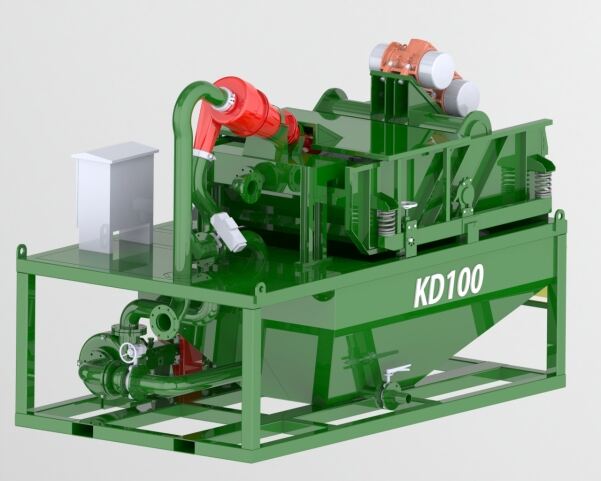
Pemilihan Peralatan untuk Perigi Air: Fokus pada “Pengendalian Pasir Tinggi + Kos Rendah.” Pengeboran perigi air relatif cetek (biasanya dalam lingkungan 500 meter), tetapi lumpur pengeboran boleh mengandungi lebih daripada 15% pasir, dan bajet projek biasanya terhad. Black Rhino Industrial menawarkan sistem kawalan pepejal ekonomi untuk perigi air: ia menggunakan penggetar shale beriameter besar (keluasan skrin 1.8 m²) untuk meningkatkan kapasiti pengendalian pasir, sambil menyederhanakan sistem bantu untuk mengurangkan kos peralatan tanpa mengorbankan kecekapan pemisahan.
Selepas pembelian, pasukan pengeboran perigi air berjaya mengurangkan kandungan pasir lumpur daripada 18% kepada 2%, manakala kos pembelian peralatan adalah 15% lebih rendah berbanding produk sejenis, sekaligus menyeimbangkan kecekapan dan keberkesanan kos. Jika anda masih tidak pasti peralatan mana yang sesuai dengan keadaan pengeboran anda, Black Rhino Industrial menyediakan perkhidmatan penilaian tapak percuma — jurutera mereka akan menyesuaikan pelan pemilihan berdasarkan kedalaman pengeboran, jenis lumpur, dan susun atur tapak, mengelakkan pembelian secara buta. Kini, 85% daripada pelanggan yang menggunakan pemilihan tersuai telah meningkatkan penggunaan peralatan sebanyak lebih daripada 20%, memastikan setiap pelaburan tepat dipadankan dengan keperluan operasi.
 EN
EN