I "reningsskedjan" för borrslams reningssystem på oljefält är centrifugen utan tvekan den "precisionsskärningskärnan". När borrslam cirkulerar kan eventuella borrspån eller fasta partiklar som inte rensas bort till fullo försämra slammets egenskaper, påskynda borrverktygets slitage och försämra borrkvaliteten. Med sin högeffektiva centrifugalavskiljningsteknik avlägsnar centrifugen exakt fina fasta föroreningar och säkerställer rent och stabilt slam för borroperationerna, vilket gör den till en avgörande utrustning som direkt påverkar borrningseffektiviteten och kostnaderna.
Under borrning transporterar den cirkulerande borrslammet hela tiden bärgeologiska borrspån, lerpartiklar och andra fasta ämnen. I komplexa förhållanden, såsom djupa brunnar eller horisontella brunnar, är fina partiklar som uppstår vid uppbrytning av berggrund särskilt svåra att avlägsna med konventionell utrustning för kontroll av fasta ämnen. Upplagring av dessa fina fasta partiklar kan direkt orsaka en rad problem:
- Borrslammets viskositet och flödesbegränsning ökar abnormt, vilket höjer flödesmotståndet och ökar energiförbrukningen för borrpumpen.
- Påskyndad slitage av borrkronor, borrstänger och utrustning vid brunnens mynning, vilket förkortar livslängden och ökar underhållskostnaderna.
- Minskade smörj- och suspensivegenskaper hos borrvätskan, vilket kan leda till att rör fastnar, brunnväggen rasar samman och andra säkerhetsrisker, vilket kan försena byggprocessen.
Som en nyckelkomponent i ett system för kontroll av fasta ämnen för att uppnå djup rening använder centrifugen den starka separationskraften från ett centrifugalfält för att effektivt avlägsna fina fasta partiklar från borrslammet. Dess arbetsprincip innebär att en snabbrotorande trumma genererar centrifugalkraft, vilket får de fasta partiklarna i slammet att snabbt avsättas på trumväggen. En skruvtransportör för sedan kontinuerligt ut de fasta föroreningarna, medan det rena slammet återförs till cirkulationssystemet.
Denna djupa reningseffekt säkerställer att slammet hela tiden bibehåller utmärkta fysikaliska och kemiska egenskaper. Det minskar inte bara slamförbrukningen och avfallet, vilket sänker kostnaderna för bearbetning av borrvätska, utan ger också effektiv skydd för borrkronan och förbättrar kontinuiteten och stabiliteten i borrning. I situationer med extremt höga krav på slamegenskaper, till exempel vid skiffergasutvinning eller borrning i djupt vatten, utgör centrifugens stabila drift en central grund för att borrprojekt ska kunna genomföras smidigt.
Dessutom stödjer centrifugens högeffektiva rening målen för grön borrning. Genom att djupt separera fasta föroreningar minskas avskiljningen av slam och miljöföroreningar sänks, samtidigt som det renade slammet kan återvinnas, vilket förbättrar resursutnyttjandet. Detta överensstämmer med den moderna oljefältsutvecklingskonceptet att vara "säkert, effektivt och miljövänligt". I detta avseende är centrifugen både ett "kraftfullt verktyg" för kostnadsminskning och effektivitetsförbättring i borrningsoperationer och en "grön väktare" som skyddar den ekologiska miljön.
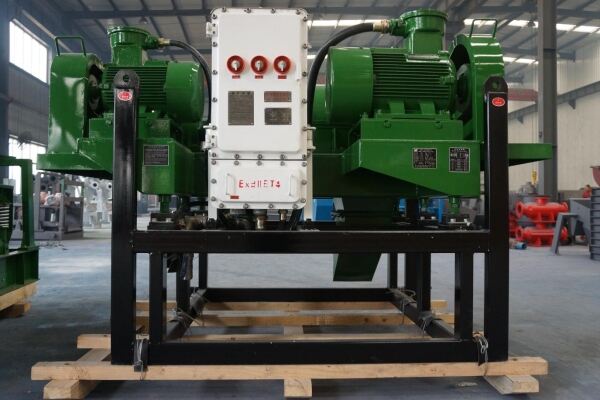
Bland de många centrifugtillverkarna har Black Rhino genom års fokuserad erfarenhet och teknisk expertis inom faststyrning blivit ett föredraget varumärke i borrningsindustrin. Genom specialisering på forskning och tillverkning av utrustning för faststyrning kännetecknas Black Rhinos centrifuger av avancerad strukturdesign, högkvalitativa slitstarka material och precisionsstyrsystem. De erbjuder hög scheidseffektivitet, stabil och tillförlitlig drift, stor kapacitet och enkel underhållsbarhet, vilket exakt anpassas till rengöringsbehoven vid olika borrningsförhållanden.
Vare sig det gäller rutinmässig lere rengöring eller djup faststyrning i komplexa formationer, så tar Black Rhinos centrifuger effektivt bort fina fasta föroreningar och säkerställer därmed kontinuerligt stabil lägresistens. De ger starkt stöd till borrprocessens faststyrningsfas och utgör därför en effektiv assistent för borrlag att förbättra driftseffektiviteten och minska byggandets risker.
 EN
EN