I. Product Positioning
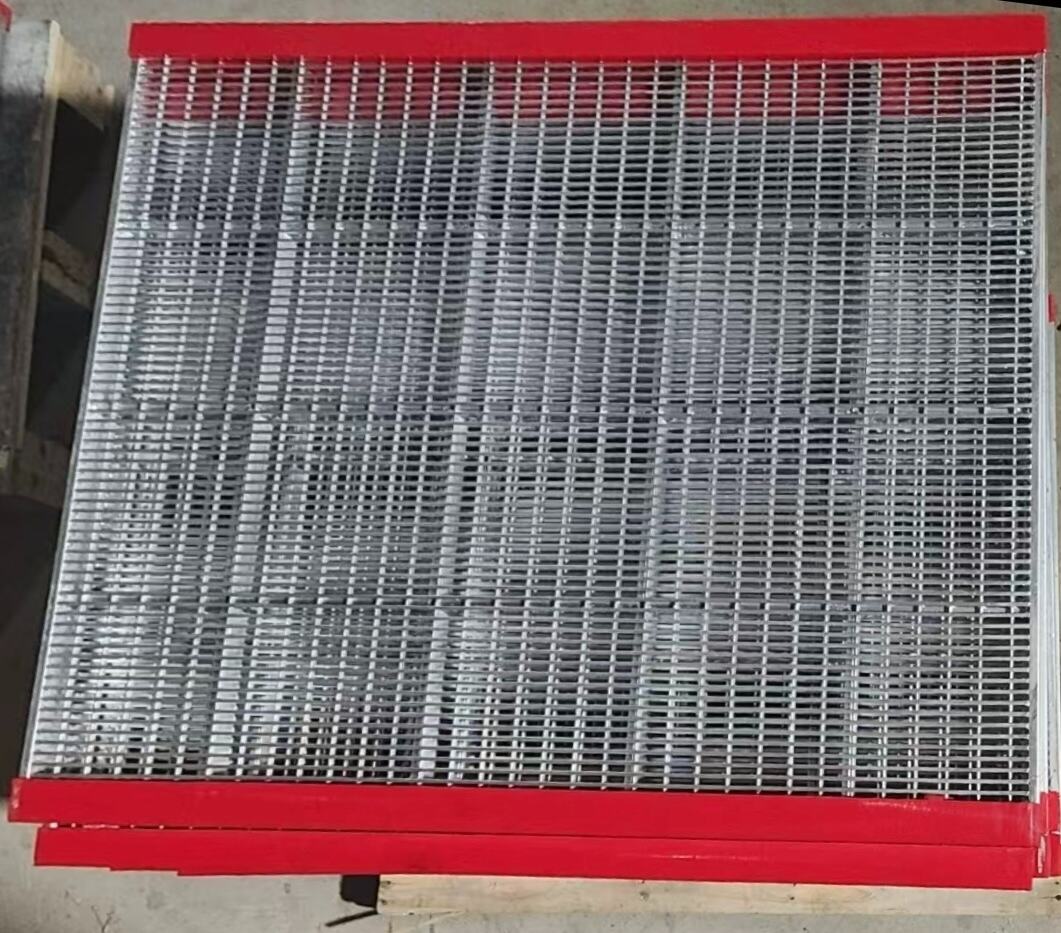
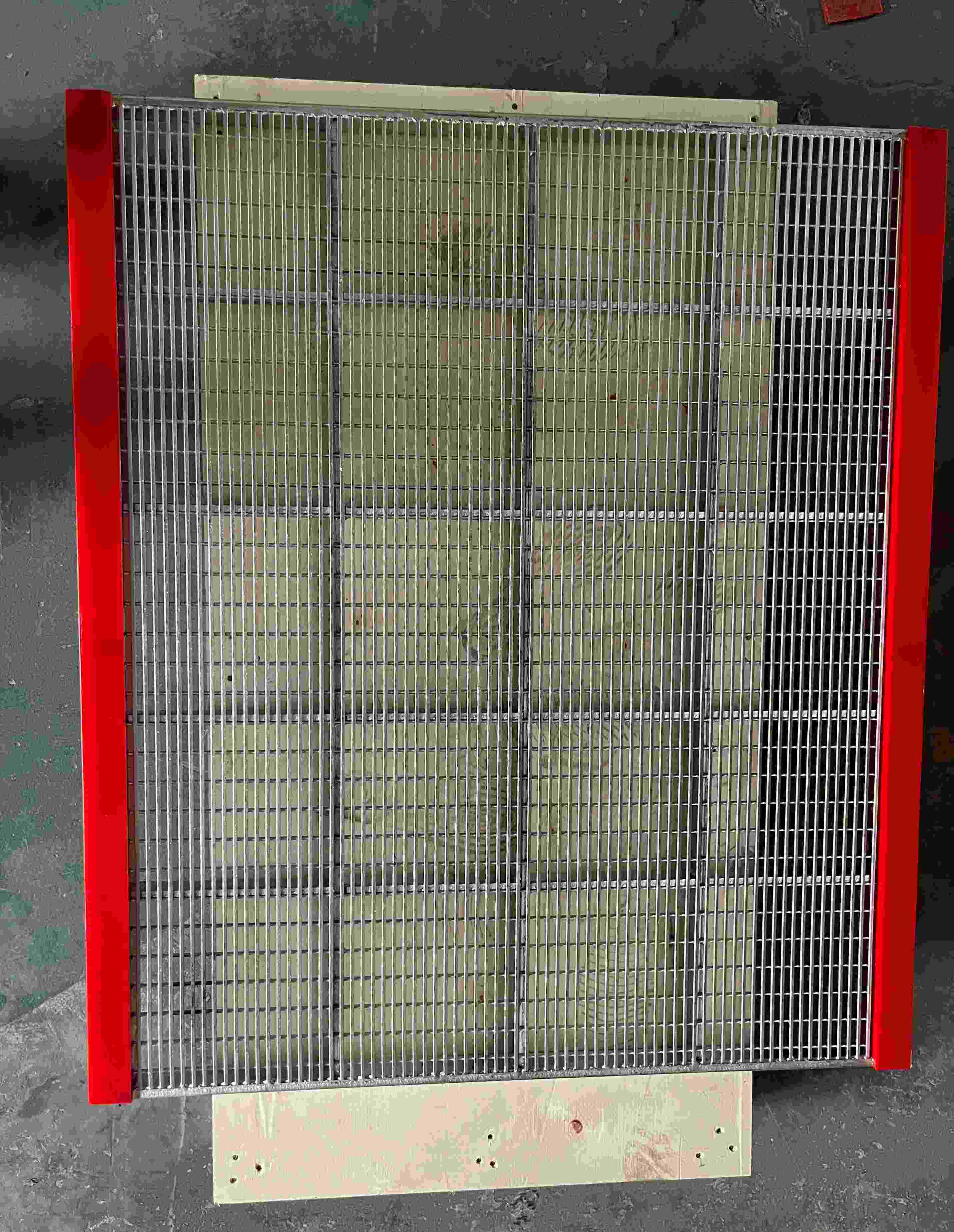
The Stainless Steel Slot Screen Mesh is a screening medium made from stainless steel plates through laser cutting, wedge-wire welding, or stamping. The screen openings are long, uniformly distributed slots with widths precisely controlled between 0.1–20 mm, compatible with various screening equipment such as vibrating screens, arc screens, and rotary drum screens.
Compared with traditional woven wire mesh, its core advantages lie in the combination of precise narrow-slot screening and stainless-steel corrosion and wear resistance. It effectively solves the blockage problems of fine and sticky materials and withstands harsh working environments. It is widely used for fine particle classification, solid-liquid separation, and dewatering in industries with strict requirements for accuracy and durability, including mining, environmental protection, and chemicals.
II. Key Features & Advantages
1. Precise narrow-slot screening with excellent anti-clogging performance
The slot design ensures a slot width tolerance of ≤±0.05 mm, achieving accurate classification of fine materials (0.1–20 mm), especially suitable for high-viscosity and high-moisture materials such as slurry and sludge.
The slot structure reduces particle blockage and increases screening efficiency by over 40% compared with traditional square woven mesh.
Some models use wedge-wire welding, forming an “internal wide – external narrow” tapered slot that enhances self-cleaning and reduces blockage rates to below 5%, minimizing downtime for cleaning.
2. Stainless-steel construction for exceptional durability
Made from high-grade stainless steels such as 304, 316, and 316L, the mesh has excellent resistance to corrosion, abrasion, and high temperatures.
3. Rigid structure with high load-bearing capacity
The integrated structure of “longitudinal support rods + transverse slot surface” provides strong rigidity. Support spacing is typically 100–300 mm, allowing the screen to withstand loads ≥500 kg/m².
Unlike flexible woven mesh, the rigid surface remains flat and stable under heavy impact (e.g., ore, construction waste), maintaining long-term screening accuracy and preventing mesh loosening.
4. Highly customizable and widely adaptable
Customization options include slot width (0.1–20 mm), dimensions (up to 6000 × 2000 mm), structure (flat, arc, cylindrical), and installation method (bolted, clamped, flanged).
Examples:
Arc screens for mining dewatering applications.
Cylindrical slot screens for seawater filtration.
The product is compatible with mainstream screening equipment worldwide without modification.
5. Environmentally friendly & low maintenance
Stainless steel is non-toxic and compliant with FDA and GMP standards, making it suitable for food and pharmaceutical applications.
Its smooth surface is resistant to scaling and easy to clean using high-pressure water or compressed air, reducing maintenance time by 60% compared with traditional mesh.
Additionally, the material is 100% recyclable, reducing waste disposal costs.
III. Application Fields
1. Mining & Mineral Processing
Used for fine particle classification, slurry dewatering, and desliming.
Examples:
In iron and copper ore processing, 0.2–1 mm 304 stainless steel slot screens separate fine concentrate and water, reducing concentrate moisture to below 15%.
In sandand gravel production, 1–5 mm slot screens classify aggregates, offering long-term wear resistance and reduced replacement frequency.
2. Environmental Protection & Water Treatment
Used for wastewater treatment, sludge dewatering, and seawater desalination.
316L slot screens resist acidic, alkaline, and chloride-rich environments.
Screens with 0.1–0.5 mm slots remove suspended solids and sludge.
In desalination pretreatment, cylindrical screens filter algae and sediment to protect RO systems.
3. Chemical & Petroleum Industry
Used for raw material grading, drilling fluid purification, and oil–gas separation.
316 stainless steel withstands chemical acids (HCl, H₂SO₄) and high temperatures.
Screens with 0.5–2 mm slots classify plastic pellets and resin powders.
In drilling operations, 2–5 mm slots remove cuttings from drilling fluid for recycling.
4. Food & Pharmaceutical Industry
Used for food ingredient screening and pharmaceutical filtration.
Food-grade 304 stainless steel with 0.1–0.5 mm slots screens flour, starch, and sugar, removing impurities.
In pharmaceuticals, 0.1–0.3 mm slots filter powders and extracts under GMP standards without metal contamination.
5. Metallurgy & Steel Industry
Used for slag separation and metal powder classification.
High-temperature 310S stainless steel withstands up to 1000°C, separating metal particles from steel slag for recovery.
Screens with 0.1–1 mm slots grade copper and iron powders, ensuring uniform particle size for quality metal products.
IV. Conclusion
Stainless Steel Slot Screen Mesh offers the combined advantages of precise narrow-slot screening, excellent stainless-steel durability, and rigid high-load structure. Its highly customizable design adapts to demanding conditions across mining, environmental protection, chemicals, food processing, and more.
Although its initial cost is higher than traditional woven mesh, its long service life, low maintenance, and superior performance deliver significantly better long-term value. It is an ideal screening solution for industries pursuing efficiency, stability, and environmentally friendly production.
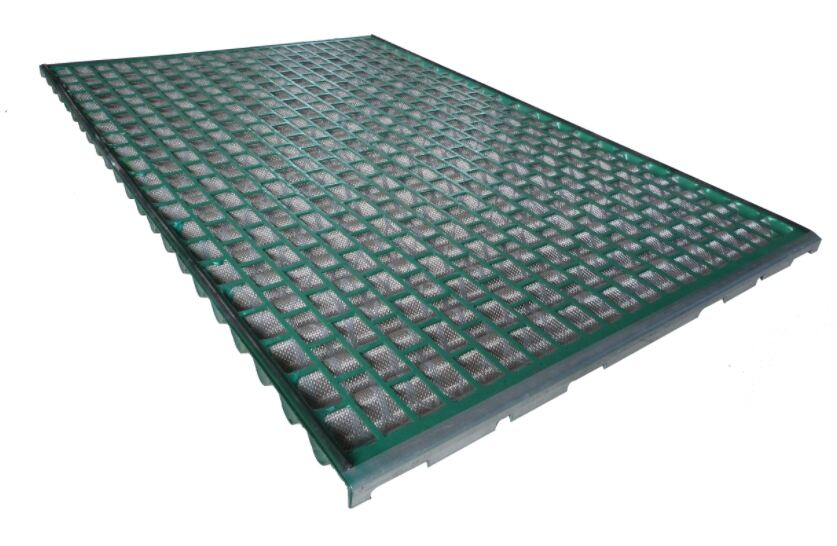
Corrugated Shaker Screen (Wave / Pyramid Shaker Screen)
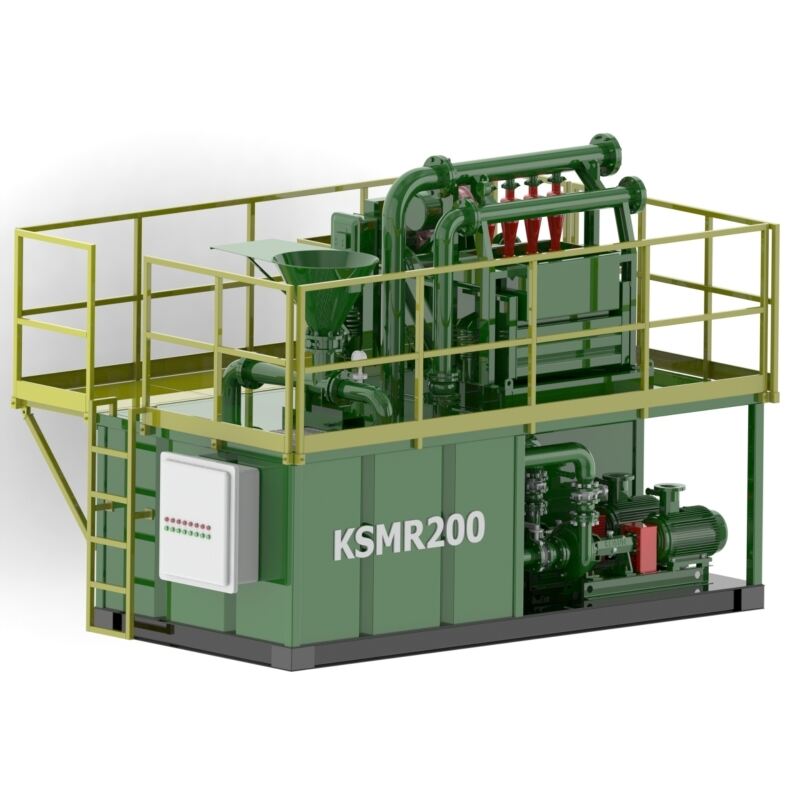
KSMR-200 Trenchless Slurry Recovery System
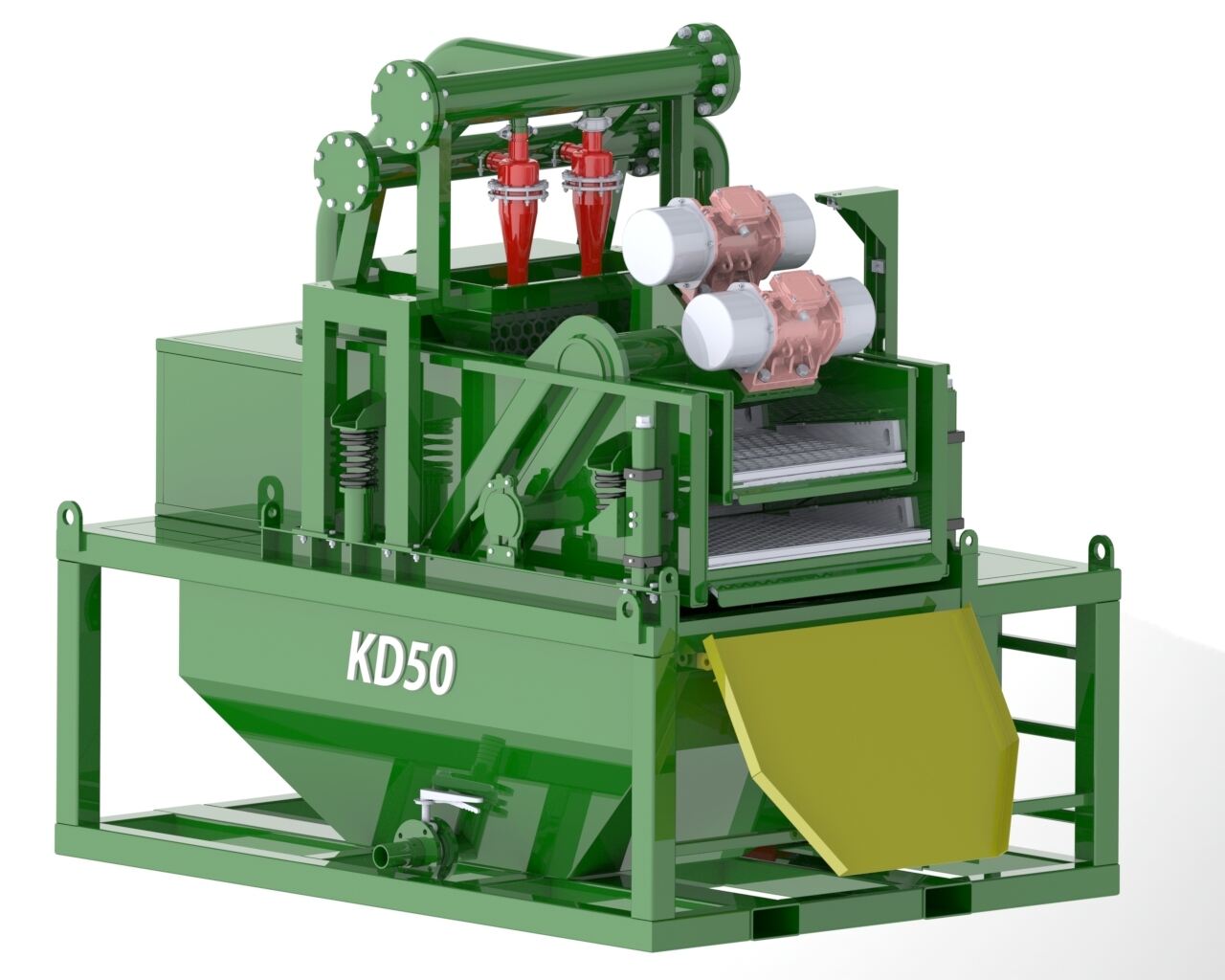
KD-50 Shield Slurry Treatment System
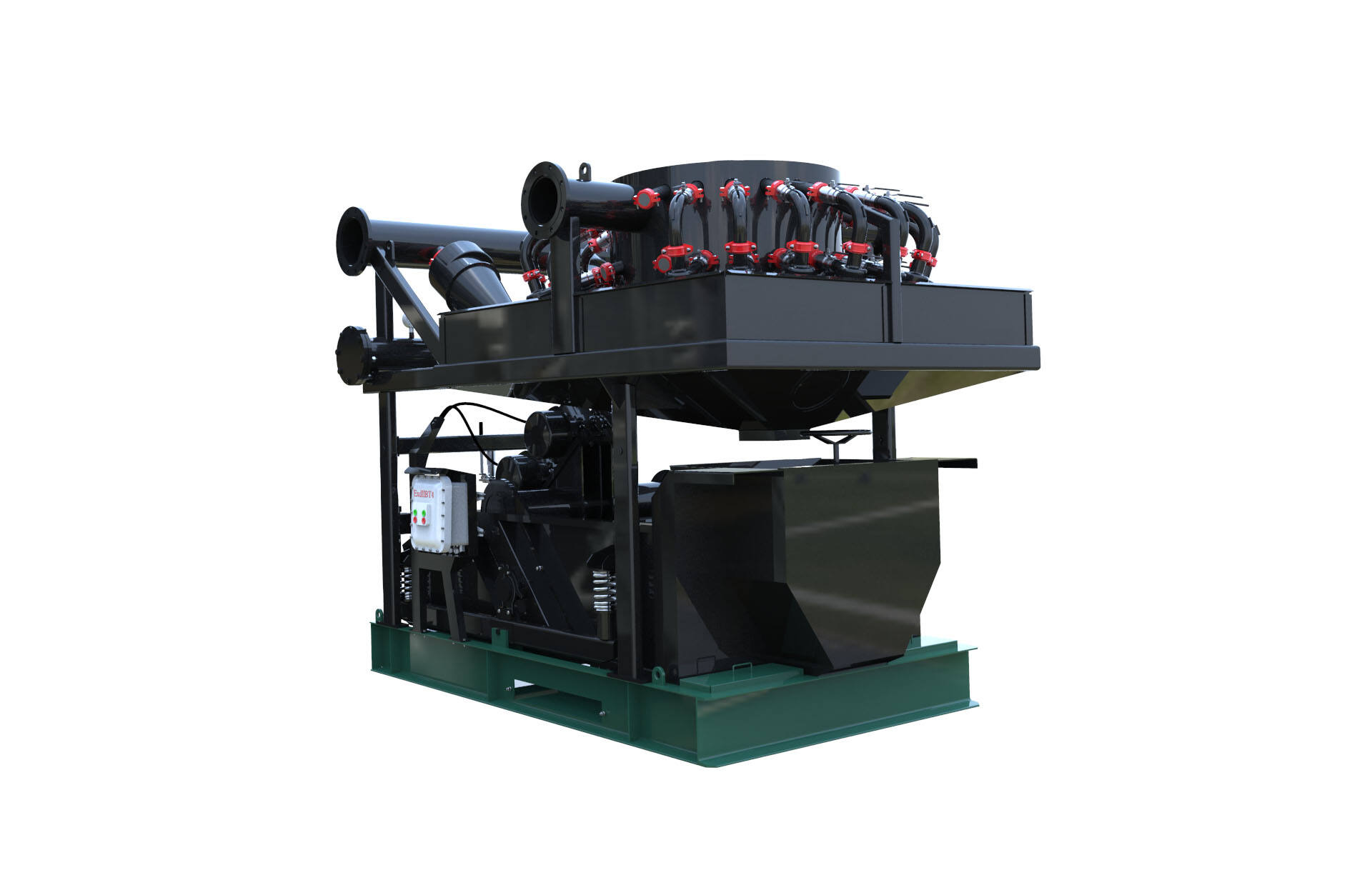
MD320 Mud Cleaner
 EN
EN