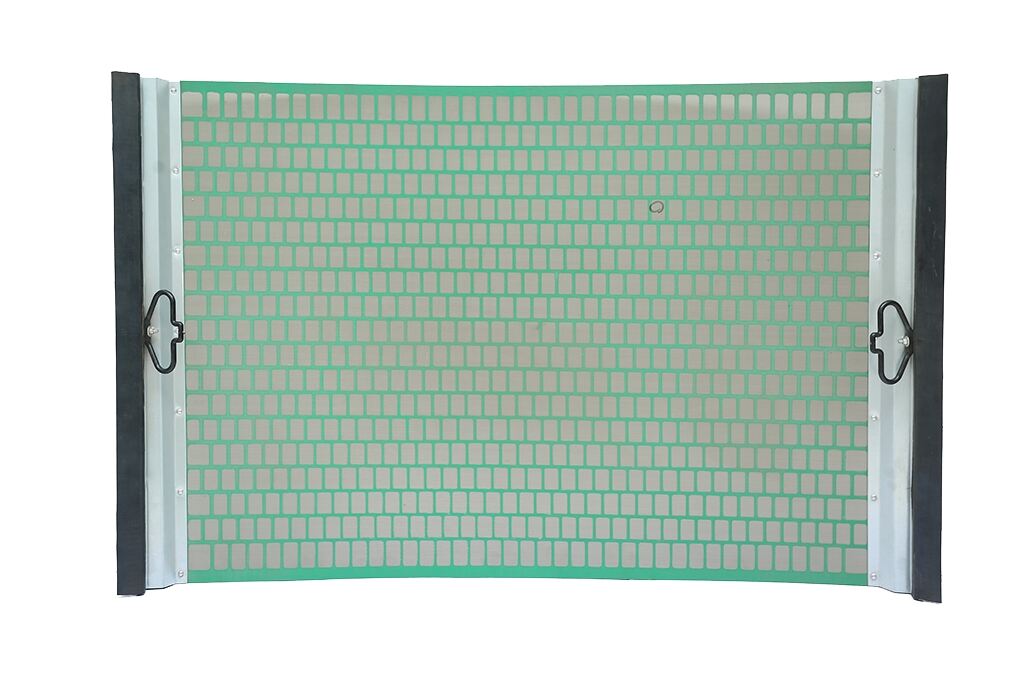
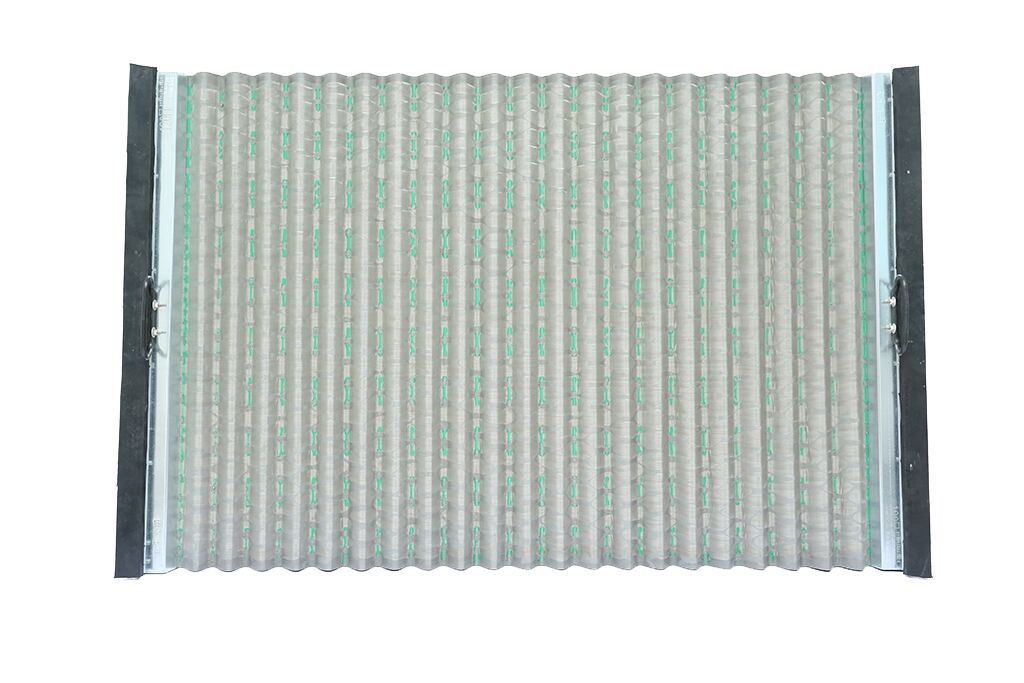
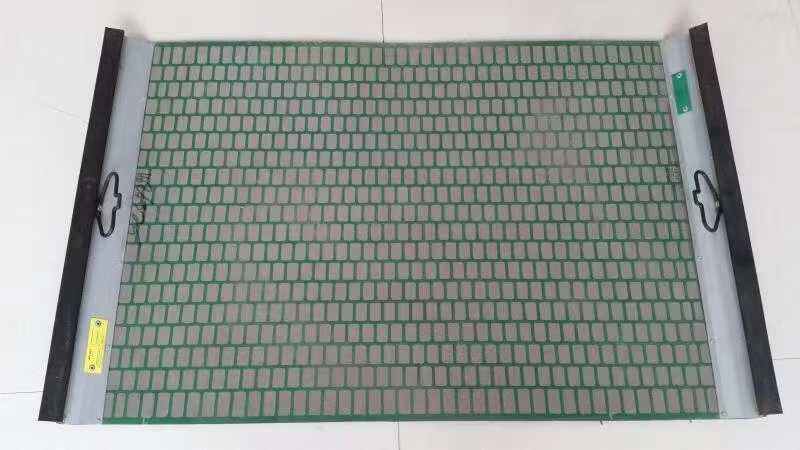
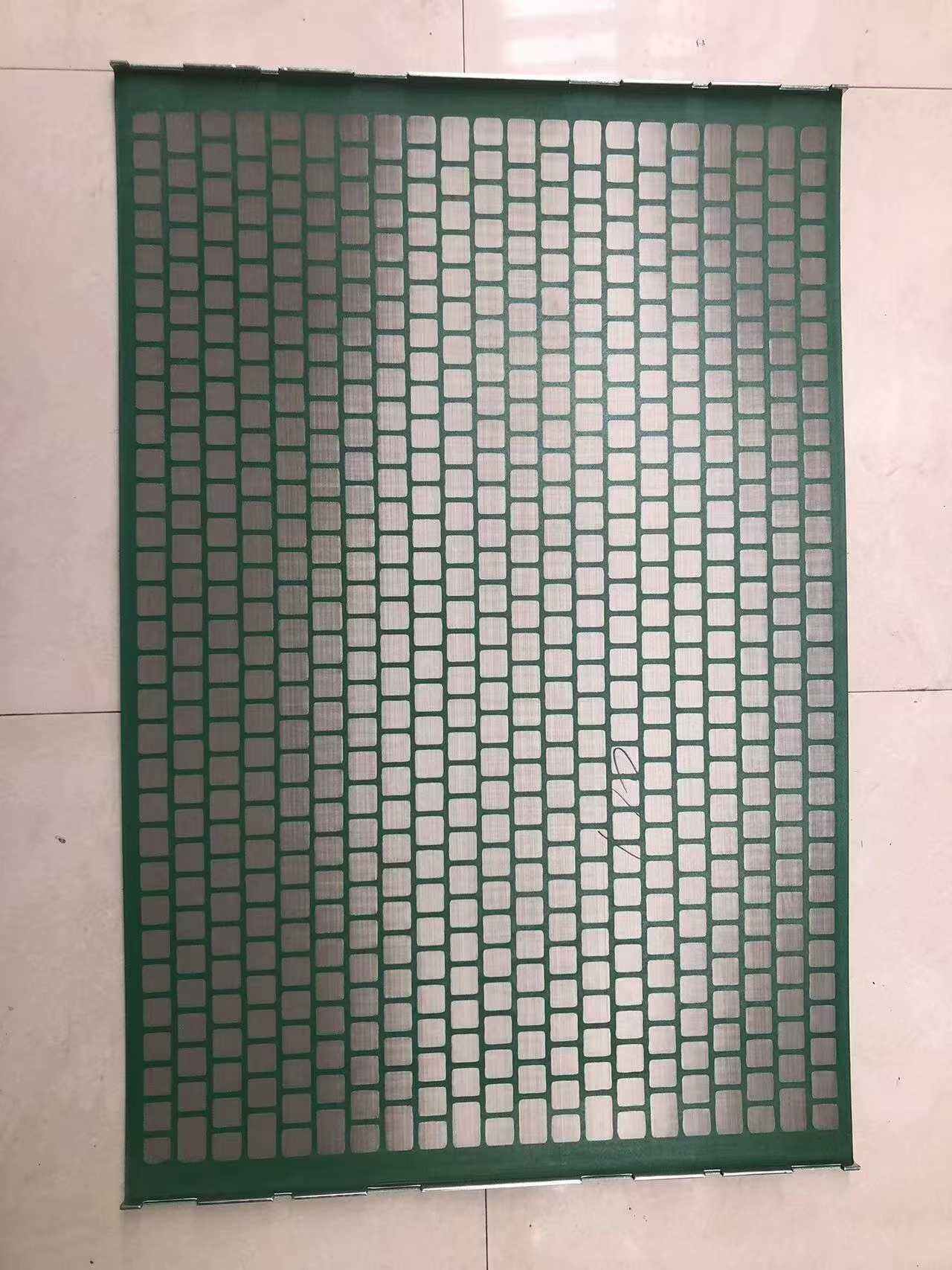
I. Θέση Προϊόντος
Το πλέγμα οθόνης με διπλωμένες άκρες είναι ένα μέσο κοσκίνισης του οποίου οι άκρες ενισχύονται μέσω ειδικών διεργασιών, όπως δίπλωμα, κλείδωμα ή ενθήκευση. Οι άκρες του πλέγματος διπλώνονται και στερεώνονται στιβαρά σε μεταλλικό ή πολυμερές πλαίσιο, ή ενισχύονται άμεσα για να σχηματιστεί μια ανθεκτική δομή με αγκιστρωτές άκρες. Συμβατό με διάφορον εξοπλισμό κοσκίνισης, όπως κοσκίνα δονούμενα, γραμμικά και περιστρεφόμενα κοσκίνα κυλίνδρου.
Το βασικό του πλεονέκτημα έγκειται στον σχεδιασμό ενίσχυσης των ακρών, ο οποίος αντιμετωπίζει συνηθισμένα προβλήματα των παραδοσιακών πλεγμάτων—όπως φθορά ακρών, ξετύλιγμα συρμάτων και ασταθής εγκατάσταση—διατηρώντας παράλληλα την ακρίβεια κοσκίνισης και τη δομική σταθερότητα. Χρησιμοποιείται ευρέως στην ταξινόμηση υλικών, τη διαχωρισμό στερεών–υγρών και τη φιλτραρισμό ακαθαρσιών. Η δομή της άκρης, το υλικό του πλέγματος και το μέγεθος των οπών μπορούν όλα να προσαρμοστούν ανάλογα με τις συνθήκες λειτουργίας.
II. Βασικά Χαρακτηριστικά & Πλεονεκτήματα
1. Ενισχυμένες άκρες για σημαντική βελτίωση της ανθεκτικότητας
Χρησιμοποιώντας τεχνικές όπως το διπλωμένο άκρο με συγκόλληση και ενίσχυση ή την ενθήκευση ακμής με πολυμερές, η εφελκυστική αντοχή της ακμής του πλέγματος αυξάνεται κατά περισσότερο από 50%, αποτρέποντας βλάβες λόγω ξετύλιγμα ή θραύσης της ακμής. Για παράδειγμα: Το πλέγμα από ανοξείδωτο χάλυβα με διπλωμένη ακμή και διπλή συγκόλληση αντέχει εφελκυστική δύναμη ≥300 N χωρίς να σχίζεται. Το πλέγμα από νάιλον με ενσωματωμένες ακμές από χύτευση με έγχυση προσφέρει 3× μεγαλύτερη αντίσταση στη φθορά σε σύγκριση με συμβατικό πλέγμα και διπλασιάζει έως και τετραπλασιάζει τη διάρκεια ζωής, μειώνοντας τη συχνότητα και το κόστος αντικατάστασης.
2. Εύκολη εγκατάσταση με ισχυρή συμβατότητα
Η δομή με ακμές διπλωμένες ευθυγραμμίζεται ακριβώς με τις υποδοχές εξοπλισμού ή τις τρύπες βιδών, χωρίς να απαιτείται κοψίματα ή επιπλέον στοιχεία στερέωσης. Μία πλέγμα μπορεί να εγκατασταθεί σε ≤3 λεπτά, μειώνοντας τον χρόνο εργασίας κατά περισσότερο από 60%. Οι προσαρμοσμένες επιλογές περιλαμβάνουν: Πλάτος ακμής (10–50 mm), Σχήματα ακμής (ορθή γωνία, στρογγυλεμένα), Μέθοδοι στερέωσης (με κλιπ, με βίδες). Αυτό εξασφαλίζει τέλεια συμβατότητα με τον κύριο εξοπλισμό και επιλύει προβλήματα όπως η δυσκολία κοψίματος και η εσφαλμένη ευθυγράμμιση κατά την εγκατάσταση που παρατηρούνται με χαλαρά πλέγματα.
3. Σταθερή ακρίβεια διαχωρισμού χωρίς διαρροές στις άκρες
Η ενισχυμένη άκρη διατηρεί ομοιόμορφη τάση του πλέγματος και επίπεδη επιφάνεια διαχωρισμού, εξασφαλίζοντας ομοιόμορφη κατανομή του υλικού και αποτρέποντας διαρροές που προκαλούνται από χαλάρωση των άκρων.
Το πλέγμα κατασκευάζεται με ακριβή ύφανση, διάτρηση ή διαδικασίες σύρματος με ανοχή ανοίγματος ≤±2%, καλύπτοντας 1–500 mesh και επιτρέποντας ακριβή ταξινόμηση από 5 μικρά μέχρι 200 mm. Η σφιχτή σφράγιση στην άκρη του εξοπλισμού εξασφαλίζει περαιτέρω συνεπή ακρίβεια διαβάθμισης, ιδανική για εφαρμογές που απαιτούν υψηλή καθαρότητα.
4. Ισχυρή αντοχή σε κρούση και έλεγχος παραμόρφωσης
Ο ενοποιημένος σχεδιασμός «στήριξης άκρης + κεντρικής διαβάθμισης» παρέχει δομική σταθερότητα σε συνθήκες όπως η βαριά κρούση και η υψηλής συχνότητας δόνηση.
Για παράδειγμα, στην πρωτογενή διαβάθμιση ορυκτών:
Πλέγμα από μαγγανιούχο χάλυβα με διπλωμένη άκρη αντέχει σε άμεση κρούση από μεταλλεύματα ≥100 mm.
Η παραμόρφωση της επιφάνειας του πλέγματος είναι ≤2 mm, πολύ χαμηλότερη από τα 5–8 mm που είναι συνηθισμένα στα συμβατικά πλέγματα.
Αυτό εξασφαλίζει μακροπρόθεσμη σταθερή λειτουργία.
5. Πολλαπλές επιλογές υλικών για εύκαμπτη εφαρμογή
Οι διαθέσιμες ύλες περιλαμβάνουν ανοξείδωτο χάλυβα (304/316L), μαγγανόχαλυβα (65Mn), νάιλον (PA66), πολυουρεθάνη κ.ά. Οι ύλες των άκρων μπορούν να ταιριάζουν ή να συνδυάζονται με τις ύλες του πλέγματος (π.χ. ανοξείδωτο πλέγμα + άκρο από άνθρακα, πλέγμα νάιλον + άκρο από πολυμερές). Κατάλληλο για υψηλές θερμοκρασίες (≤300°C), χαμηλές θερμοκρασίες (–60°C), διαβρωτικά περιβάλλοντα και συνθήκες υψηλής φθοράς. Παράδειγμα: το πλέγμα από ανοξείδωτο χάλυβα 316L αντέχει σε ισχυρά οξέα/αλκάλια (pH 1–14). Το πλέγμα με διπλωμένο άκρο από νάιλον πληροί τις υγιεινές απαιτήσεις κόσκινου για τη βιομηχανία τροφίμων και φαρμάκων.
III. Πεδία Εφαρμογής
1. Ορυχεία & Αδρανή
Χρησιμοποιείται για χονδρική, μεσαία και λεπτή κοσκίνιση μετά τη θραύση μεταλλευμάτων (π.χ. γρανίτης, ασβεστόλιθος), συμβατό με κυκλικά και γραμμικά δονούμενα κόσκινα. Το πλέγμα από μαγγανιούχο χάλυβα αντέχει μεγάλα φορτία κρούσης. Το πλέγμα από ανοξείδωτο χάλυβα χρησιμοποιείται στην κοσκίνιση μη σιδηρούχων μεταλλευμάτων (χαλκός, χρυσός, άργυρος) για να αποφευχθεί η μόλυνση. Στην παραγωγή αδρανών, το διπλωμένο στην άκρη πλέγμα εξασφαλίζει ακριβή έλεγχο των μεγεθών των σωματιδίων, όπως 5–10 mm και 10–20 mm, για εφαρμογές σκυροδέματος και ασφαλτομίγματος.
2. Άνθρακας & Ενέργεια
Χρησιμοποιείται για το διαχωρισμό μεγάλων κομματιών και λεπτού άνθρακα, την αφαίρεση γαγγουέ και το φιλτράρισμα ακαθαρσιών στην εξόρυξη άνθρακα, συμβατό με δονούμενα κόσκινα και κοσκινιστές. Το πλέγμα από άνθρακα χάλυβα είναι οικονομικό και ανθεκτικό για γενική κοσκίνιση άνθρακα. Το πλέγμα από ανοξείδωτο χάλυβα 316L υποστηρίζει το διαχωρισμό στερεού-υγρού σε υγρά διάτρησης μεθανίου από κοιτάσματα άνθρακα, ανθέχοντας στη χημική διάβρωση. Στα εργοστάσια παραγωγής ενέργειας, φιλτράρει μεγάλες ακαθαρσίες στον καύσιμο άνθρακα για την προστασία των συστημάτων λέβητα.
3. Τρόφιμα & Φαρμακευτικά
Χρησιμοποιείται για τον καθαρισμό σιτηρών και τη βαθμολόγηση ποιότητας (π.χ. αφαίρεση λίθων και κοτσάνων από σιτάρι ή ρύζι) και για λεπτή διύλιση αλεύρου και αμύλου. Το νάιλον τροφίμων και το ανοξείδωτο χάλυβα 304 συμμορφώνονται με τα πρότυπα FDA και GMP, αποτρέποντας μόλυνση. Στη φαρμακευτική βιομηχανία, χρησιμοποιείται για τη βαθμολόγηση φυτικών υλών και τη διύλιση λεπτών σκόνων, διασφαλίζοντας σταθερό μέγεθος σωματιδίων.
4. Χημικά & Προστασία Περιβάλλοντος
Χρησιμοποιείται για τον έλεγχο μεγέθους σωματιδίων χημικών πρώτων υλών (πλαστικά κόκκια, ρητίνες, χρωστικές) με υψίσυχνα κόσκινα. Το πλέγμα από ανοξείδωτο χάλυβα 316L ανθίσταται σε ισχυρά οξέα και αλκάλια, όπως HCl και H₂SO₄. Το πλέγμα από πολυουρεθάνη με διπλωμένα άκρα είναι ανθεκτικό στην υδρόλυση και κατάλληλο για υδατικά χρώματα και κολλώδη υλικά. Σε εφαρμογές προστασίας περιβάλλοντος, χρησιμοποιείται για αποστράγγιση λάσπης και προ-επεξεργασία λυμάτων, χωρίς να απελευθερώνει μεταλλικά ιόντα στο νερό.
5. Δομικά Υλικά & Κατασκευές
Χρησιμοποιείται για τον διαχωρισμό ακαθαρσιών από τσιμέντο, ασβέστη, γύψο κ.λπ., συμβατό με κόσκινα βιβρώσεων και αεριζόμενα. Το πλέγμα από χάλυβα ανθρακα αντέχει σε υψηλή φθορά από δομικά υλικά.
Στην ανακύκλωση κατασκευαστικών αποβλήτων, το πλέγμα με διπλωμένες άκρες διαχωρίζει σκυρόδεμα, οπλισμό και χώμα, ενώ οι ενισχυμένες άκρες του αποτρέπουν ζημιές διάτρησης από αιχμηρά απορρίμματα.
Iv. συμπεράσματα
Το πλέγμα κοσκίνου με διπλωμένες άκρες και τον ενισχυμένο πυρήνα στις άκρες λύνει τους παραδοσιακούς περιορισμούς των ανέμεκτων πλεγμάτων όσον αφορά την αντοχή, την ευκολία εγκατάστασης και τη σταθερότητα διαχωρισμού. Προσφέρει τα συνδυασμένα πλεονεκτήματα δομικής αντοχής και ακριβούς διαχωρισμού.
Με εύκαμπτους συνδυασμούς υλικών και προσαρμοσμένα σχέδια, προσαρμόζεται σε πολύπλοκες συνθήκες λειτουργίας σε βιομηχανίες όπως η εξόρυξη, ο άνθρακας, η τροφιμοβιομηχανία, η χημική και η περιβαλλοντική βιομηχανία. Είτε χειρίζεται βαρέα φθαρτικά υλικά είτε πληροί απαιτήσεις υγιεινής λεπτής κοσκίνισης, εξασφαλίζει αξιόπιστη απόδοση, βελτίωση της αποδοτικότητας και μείωση του κόστους συντήρησης.
Ως «ενισχυμένο» μέσο φιλτραρίσματος, το πλέγμα με διπλωμένη άκρη έχει γίνει η προτιμώμενη λύση για βιομηχανικούς χρήστες που αναζητούν αποδοτική και σταθερή παραγωγή.
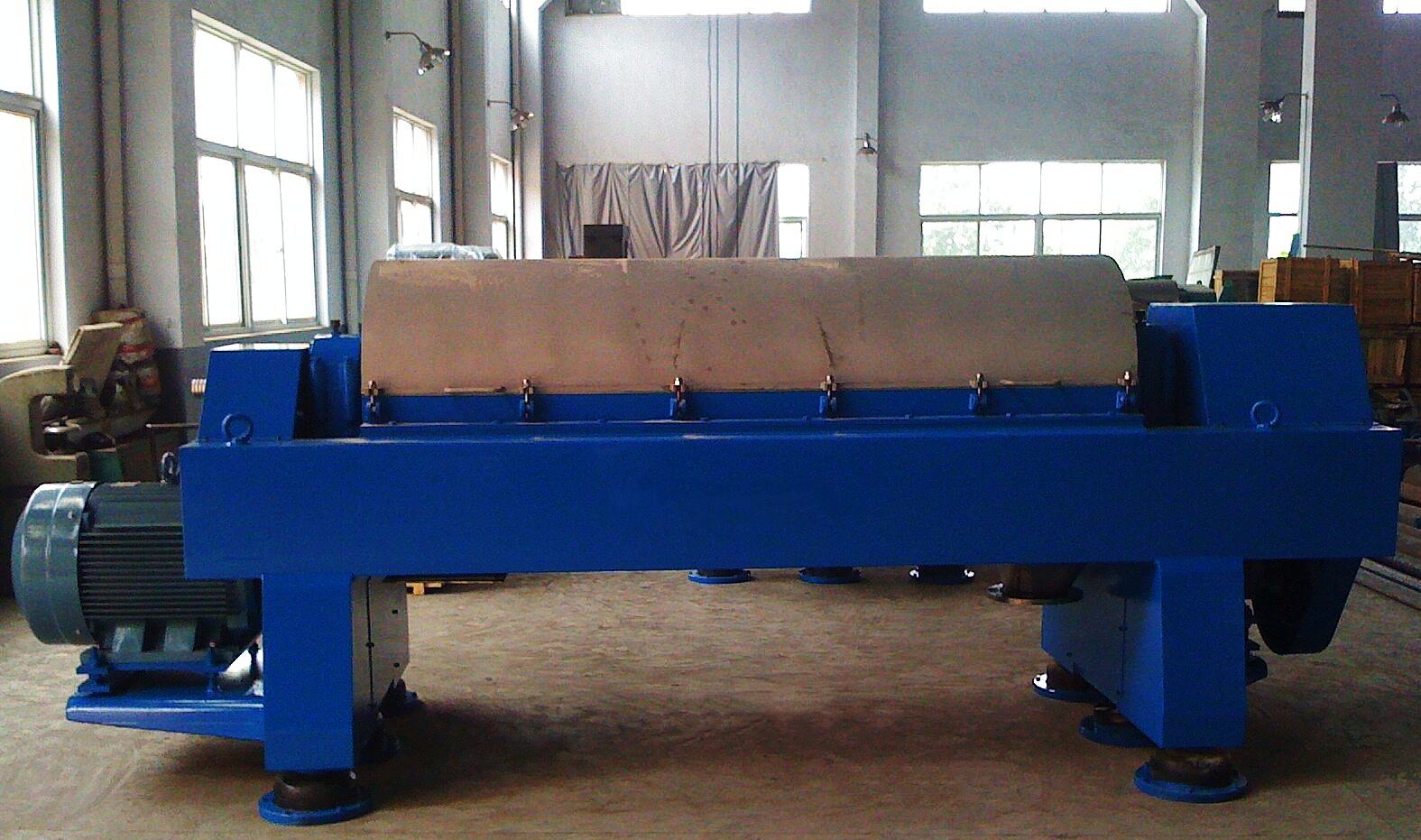
Χωνευτής Κέντριφυγος LW 450×1670
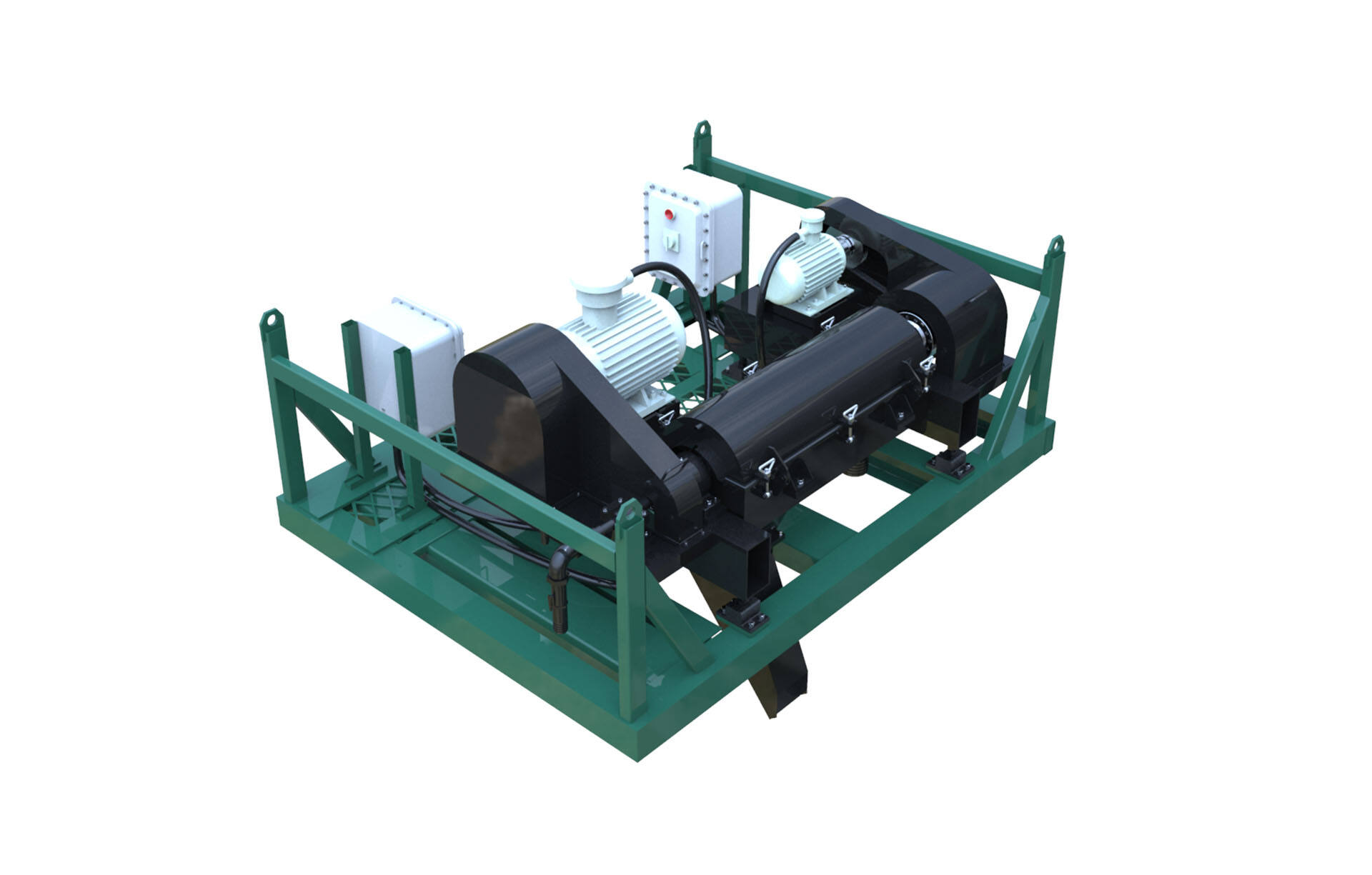
DC355 Κατεχυδραγωγός Αποκατάστασης
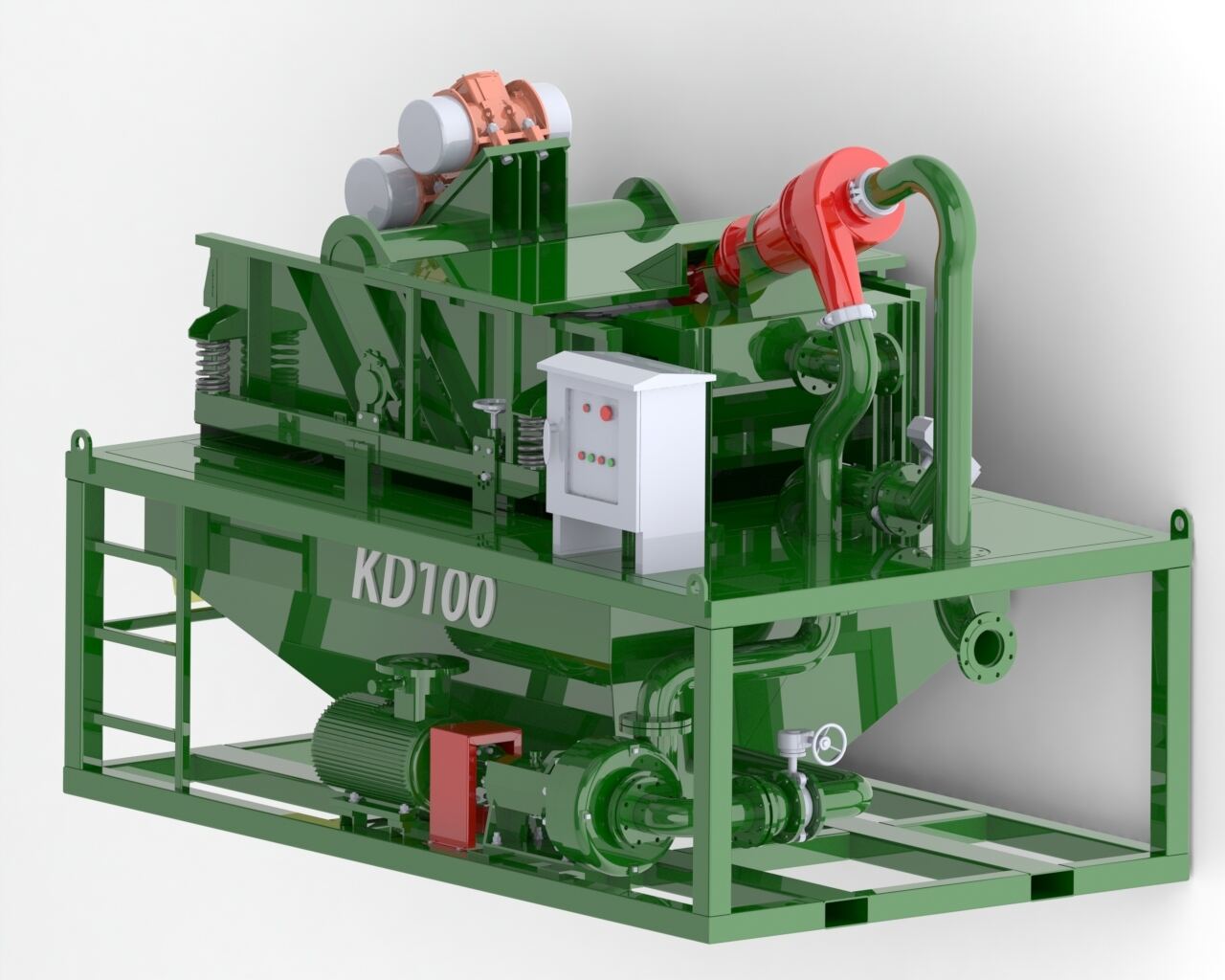
Σύστημα Επεξεργασίας Λάσπης Θυρεού KD-100
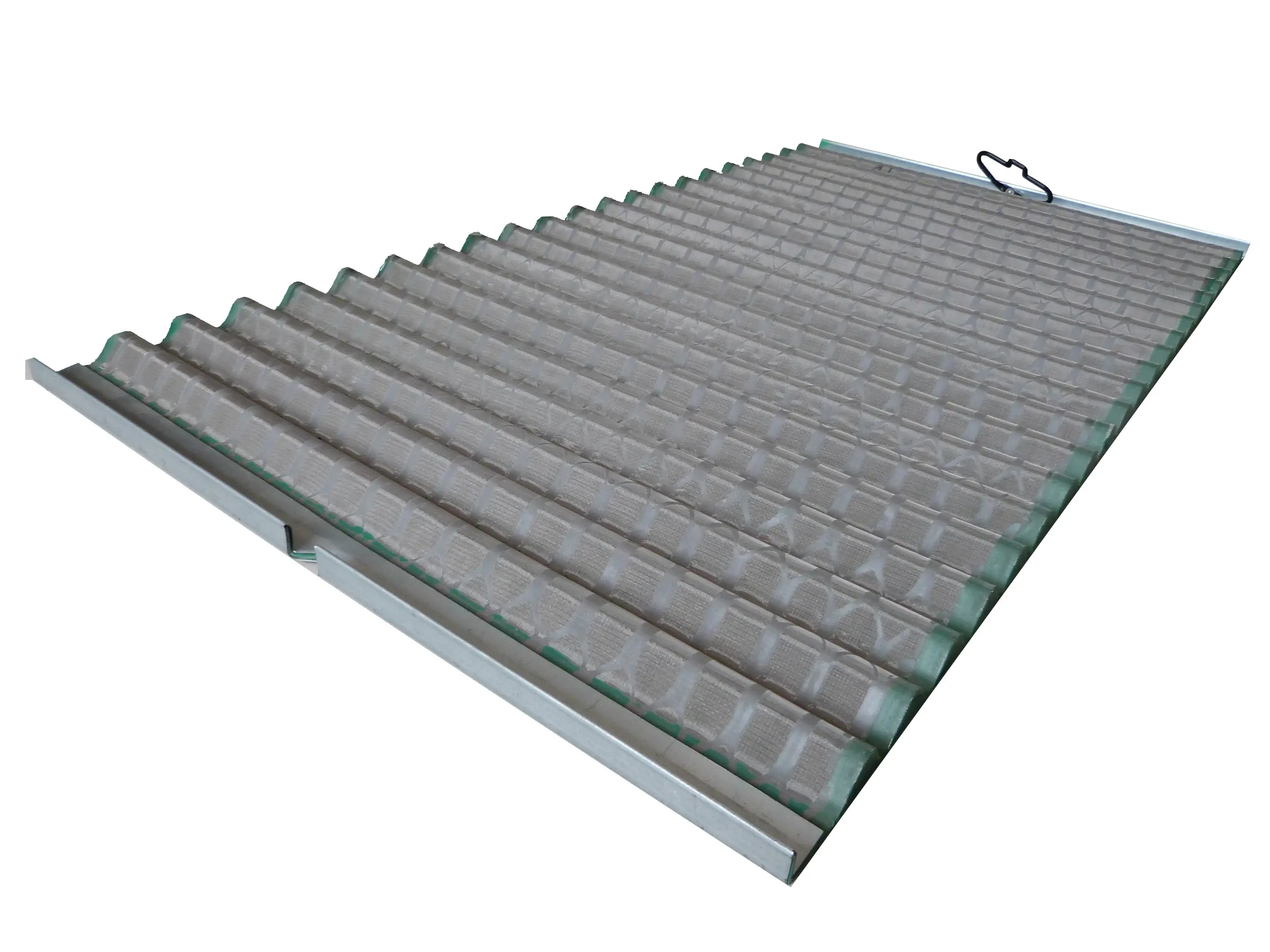
Επίπεδο Κόσκινο Δονητή
 EN
EN