На заключительном этапе системы контроля твердых частиц на нефтяном месторождении центрифуга играет ключевую роль «авангарда восстановления бурового раствора». Во время бурения шлам, обработанный предыдущим оборудованием для удаления твердых частиц, всё ещё содержит значительное количество ценного бурового раствора. Прямое удаление приведёт к потере ресурсов, увеличению затрат на бурение и серьёзному загрязнению окружающей среды. Центрифуга обеспечивает глубокое разделение шлама и бурового раствора, позволяя повторно использовать драгоценный раствор, что делает её ключевым оборудованием для снижения затрат, повышения эффективности и экологически безопасного бурения.
Во время бурения буровой раствор выполняет функцию «крови скважины», имеет сложный состав и включает множество дорогостоящих химических добавок, что делает его значительной частью общих затрат на бурение. Даже после предварительной обработки на виброситах, пескоотделителях и центрифугах шлам все еще содержит остатки бурового раствора. Утилизация таких пропитанных раствором шламов без дополнительной обработки приводит к большим потерям качественного бурового раствора. Кроме того, шламы, содержащие нефть и химические реагенты, классифицируются как опасные отходы. Их неправильная утилизация может привести к загрязнению почвы и воды, а также к строгим экологическим санкциям, создавая риски для соблюдения нормативных требований. Помимо этого, буровой раствор, удерживаемый в шламе, увеличивает объем отходов, подлежащих транспортировке, что дополнительно повышает стоимость строительных работ и снижает экономическую эффективность бурового проекта.
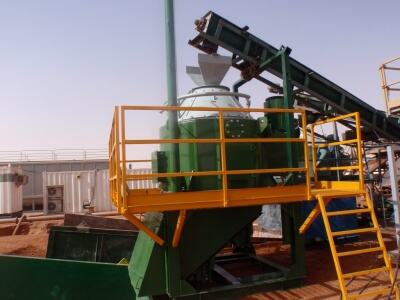
Центрифуга, являясь основным оборудованием системы контроля твёрдых частиц для глубокой регенерации бурового раствора, использует высокоэффективную технологию разделения твёрдой и жидкой фаз для максимального восстановления раствора из насыщенных раствором шламовых выбуренных пород. Принцип её работы основан на центробежной силе, создаваемой при высокоскоростном вращении, которая принудительно разделяет свободный раствор и частично адсорбированный раствор на породах. В результате получают очищенные выбуренные породы, соответствующие стандартам экологического сброса или использования ресурсов, а восстановленный раствор может быть возвращён в систему циркуляции для повторного использования.
Возможность «превращения отходов в ценность» не только значительно снижает расход бурового раствора и затраты на обработку отработанного раствора, но также эффективно контролирует выброс загрязняющих веществ с шламом, помогая буровым компаниям соответствовать экологическим требованиям. В сценариях с высоким расходом бурового раствора и жёсткими экологическими требованиями, таких как бурение скважин на сланцевый газ или глубокие наземные скважины, стабильная работа центрифуги имеет решающее значение для обеспечения как экономической эффективности, так и экологических показателей.
Среди множества производителей оборудования для контроля твердых частиц компания Black Rhino стала надежным партнером в отрасли благодаря многолетнему опыту и технологическим ноу-хау в области контроля твердых частиц на нефтяных месторождениях. Специализируясь на научных исследованиях и производстве оборудования для контроля твердых частиц, центрифуги Black Rhino оснащены передовой конструкцией центробежного разделения, высокопрочными износостойкими материалами и интеллектуальными системами управления. Они обеспечивают высокую эффективность разделения, высокий уровень восстановления бурового раствора, стабильную работу и простоту обслуживания, точно адаптируясь к различным условиям бурения для нужд разделения твердой и жидкой фаз.
Независимо от того, требуется ли управление выбуренной породой в штатном режиме или восстановление бурового раствора в сложных геологических условиях, центрифуги Black Rhino эффективно обеспечивают глубокое разделение породы и раствора, непрерывно предоставляя стабильную и надёжную поддержку операциям по контролю твёрдых частиц при бурении. Они помогают буровым бригадам снизить затраты, повысить эффективность и соблюдать экологические нормы, что делает их незаменимым и эффективным помощником в системах контроля твёрдых частиц на нефтяных месторождениях.
 EN
EN