 EN
EN

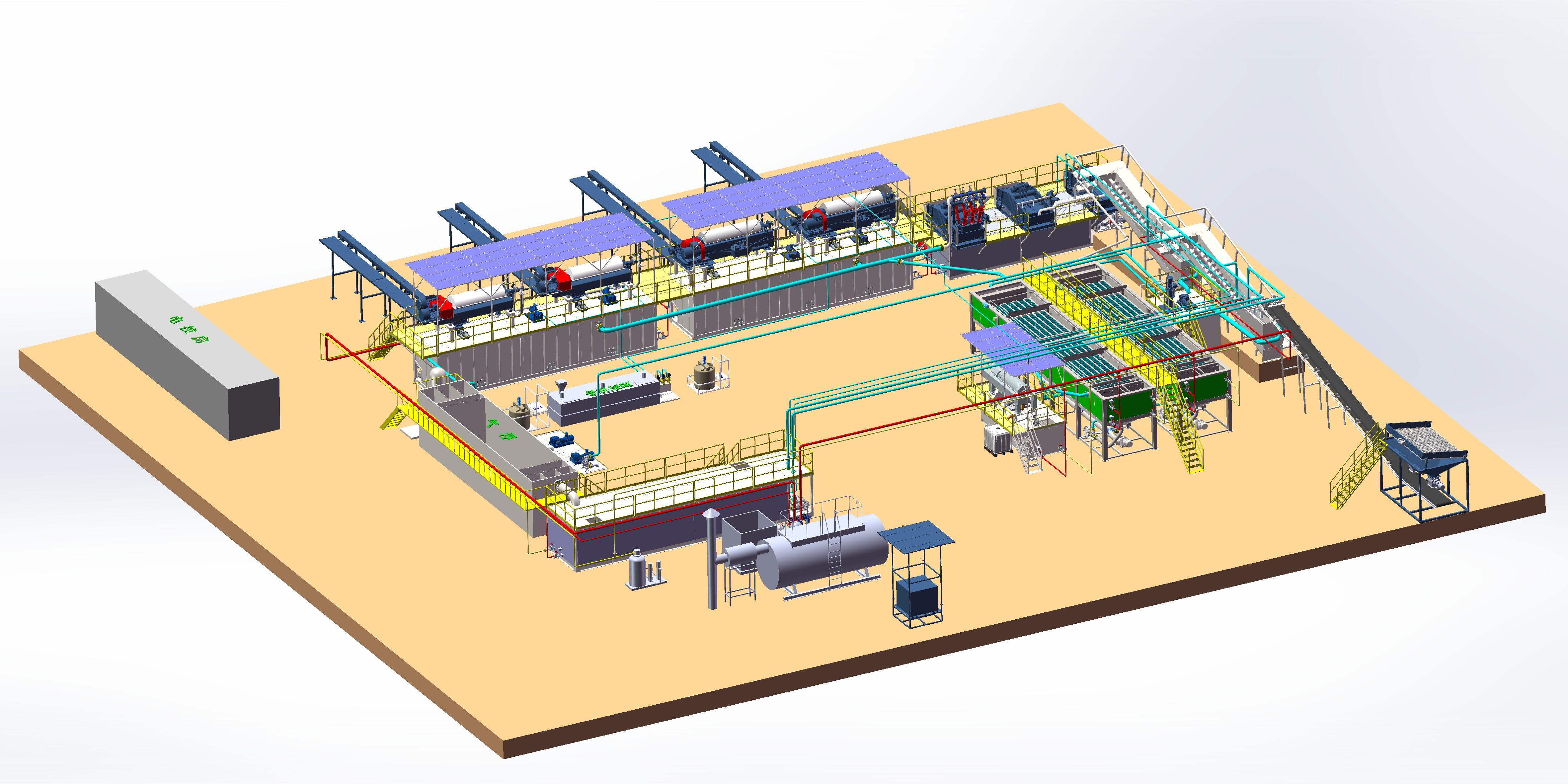
Oil based drilling cuttings treatment has become a critical environmental and economic concern for drilling operations worldwide. As drilling activities continue to expand in both onshore and offshore locations, the management of drilling waste has evolved from simple disposal methods to sophisticated treatment technologies that recover valuable oil while protecting environmental resources. Modern treatment systems are designed to separate oil from drilling cuttings efficiently, allowing operators to comply with increasingly stringent environmental regulations while maximizing the recovery of expensive drilling fluids.
The treatment process involves multiple stages of separation technology that work together to achieve optimal results. Initial screening removes large solids, followed by thermal treatment or mechanical separation to recover the oil phase. The final stage typically involves further cleaning of the recovered materials to meet disposal or reuse standards. This comprehensive approach ensures that both environmental protection and economic efficiency are achieved through proper waste management practices.
Understanding Oil Based Drilling Cuttings
Composition and Characteristics
Oil based drilling cuttings consist primarily of rock fragments generated during drilling operations, coated with oil based drilling fluids. These materials typically contain between 10 to 30 percent oil by weight, depending on the drilling conditions and fluid properties. The cuttings also include various additives used in the drilling process, such as emulsifiers, viscosifiers, and weighting agents that enhance drilling performance but complicate the treatment process.
The physical properties of these cuttings vary significantly based on the geological formation being drilled and the specific drilling fluid formulation used. Clay content, particle size distribution, and oil retention characteristics all influence the effectiveness of different treatment technologies. Understanding these properties is essential for selecting the most appropriate treatment method and optimizing recovery efficiency.
Environmental Impact Considerations
Untreated oil based drilling cuttings pose significant environmental risks if disposed of improperly. The oil content can contaminate soil and groundwater, while the chemical additives may have long-term ecological effects. Marine environments are particularly vulnerable, as oil based cuttings can affect marine life and seafloor ecosystems for extended periods. Regulatory agencies worldwide have established strict limits on the oil content of drilling waste that can be discharged or disposed of on land.
Beyond immediate environmental concerns, the improper disposal of oil based cuttings represents a significant economic loss. The oil contained in these materials is expensive drilling fluid that can be recovered and reused, making treatment not just an environmental necessity but also an economic opportunity. Modern treatment technologies can recover up to 95 percent of the oil content, transforming a waste disposal cost into a valuable resource recovery operation.
Treatment Technologies and Methods
Thermal Treatment Systems
Thermal treatment represents one of the most effective approaches for oil based drilling cuttings treatment, utilizing controlled heating to vaporize and recover the oil phase. These systems operate at temperatures typically ranging from 300 to 800 degrees Fahrenheit, depending on the specific technology and application requirements. The heated cuttings release oil vapors that are captured, condensed, and collected for reuse or proper disposal.
Advanced thermal systems incorporate sophisticated temperature control and vapor recovery mechanisms to maximize oil recovery while minimizing energy consumption. Some designs utilize indirect heating through heated surfaces or thermal jackets, while others employ direct heating methods. The choice of thermal technology depends on factors such as throughput requirements, oil content levels, and local environmental regulations governing emissions and energy efficiency.
Mechanical Separation Technologies
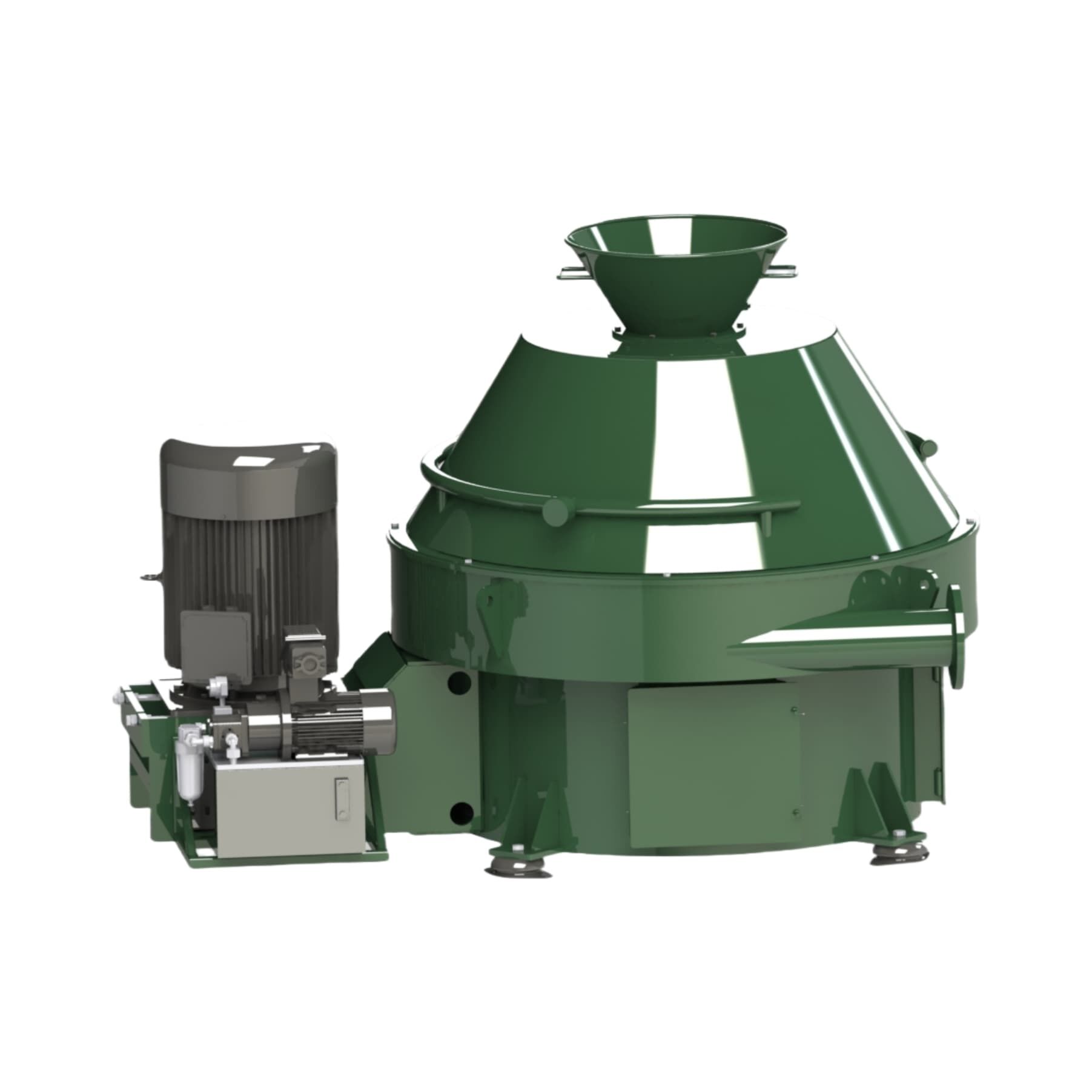
Mechanical separation methods rely on physical forces to separate oil from drilling cuttings without the use of heat or chemical additives. Centrifugal separators utilize high-speed rotation to exploit density differences between oil and solid particles, effectively removing oil through centrifugal force. These systems can process large volumes of cuttings continuously and are particularly effective for materials with moderate oil content levels.
Washing systems represent another mechanical approach, using specialized wash fluids and agitation to dissolve and remove oil from cuttings surfaces. The wash fluid, typically a light hydrocarbon or specially formulated solvent, is circulated through the cuttings to extract the oil phase. After separation, the wash fluid is recovered and recycled, while the cleaned cuttings can be safely disposed of or reused. These systems offer excellent oil recovery rates while maintaining relatively low operating costs.
Process Design and Optimization
System Integration Strategies
Effective oil based drilling cuttings treatment often requires the integration of multiple technologies to achieve optimal performance across varying operating conditions. A typical integrated system might combine initial screening, thermal treatment, and final polishing stages to maximize oil recovery while ensuring consistent output quality. The design of these integrated systems must account for material flow rates, processing capacity requirements, and the specific characteristics of the cuttings being treated.
Process optimization involves careful consideration of operating parameters such as temperature profiles, residence times, and separation efficiency targets. Advanced control systems monitor key performance indicators in real-time, automatically adjusting operating conditions to maintain optimal performance. This automated approach ensures consistent treatment quality while minimizing operator intervention and reducing the risk of process upsets that could impact environmental compliance or economic performance.
Equipment Selection Criteria
Selecting appropriate treatment equipment requires careful evaluation of multiple factors including throughput capacity, oil content variability, and local regulatory requirements. Equipment durability and maintenance requirements are particularly important considerations for remote drilling locations where service support may be limited. The ability to handle varying cuttings properties without significant performance degradation is essential for maintaining consistent operation across different drilling scenarios.
Economic considerations play a crucial role in equipment selection, with operators needing to balance capital investment costs against operational benefits such as oil recovery value and disposal cost savings. Energy efficiency and environmental impact assessments are increasingly important factors, as operators seek to minimize their overall environmental footprint while maintaining competitive operating costs. Modern equipment designs incorporate advanced materials and engineering solutions to optimize performance across all these criteria.
Regulatory Compliance and Standards
International Environmental Regulations
Environmental regulations governing oil based drilling cuttings treatment vary significantly across different jurisdictions but generally focus on limiting the oil content of treated materials and controlling emissions from treatment processes. Offshore operations are subject to particularly strict regulations, with many regions requiring oil content to be reduced to less than one percent by weight before discharge or disposal. These regulations continue to evolve as environmental awareness increases and treatment technologies improve.
Compliance monitoring typically involves regular testing of treated cuttings to verify oil content levels and ensure adherence to discharge limits. Documentation requirements are extensive, with operators required to maintain detailed records of treatment operations, waste volumes, and disposal methods. Non-compliance can result in significant penalties and operational restrictions, making effective treatment system performance essential for continued drilling operations.
Industry Best Practices
Industry best practices for oil based drilling cuttings treatment emphasize continuous improvement and proactive environmental management. Leading operators implement comprehensive waste management plans that integrate treatment technology selection with drilling fluid optimization and disposal planning. These holistic approaches minimize waste generation while maximizing recovery efficiency and ensuring consistent regulatory compliance throughout drilling operations.
Technology selection best practices include thorough evaluation of treatment alternatives based on site-specific conditions and requirements. Pilot testing and performance verification are recommended before full-scale implementation to ensure selected technologies will meet performance expectations. Regular equipment maintenance and operator training programs are essential components of successful treatment operations, ensuring consistent performance and minimizing the risk of environmental incidents.
Economic Benefits and Cost Analysis
Recovery Value Optimization
The economic benefits of oil based drilling cuttings treatment extend beyond simple waste disposal cost savings to include significant value recovery from oil reclamation. Recovered oil can often be reprocessed and reused in drilling operations, providing direct cost offsets that can substantially improve project economics. The value of recovered materials varies with oil prices and drilling fluid costs, but typically represents a significant portion of treatment system operating costs.
Advanced treatment systems can achieve oil recovery rates exceeding 95 percent, maximizing the economic return on treatment investment. The quality of recovered oil is often sufficient for direct reuse in drilling operations after minimal processing, further enhancing the economic value of treatment operations. Some operators have achieved complete cost neutrality or even positive cash flow from their treatment operations through effective oil recovery and reuse programs.
Long-term Cost Considerations
Long-term cost analysis must consider factors beyond initial equipment investment and operating costs, including regulatory compliance costs, environmental liability risks, and potential future regulatory changes. Treatment systems that consistently achieve low oil content in treated materials provide protection against tightening environmental regulations and reduce long-term environmental liability exposure. These risk mitigation benefits often justify higher initial investment costs for more advanced treatment technologies.
Operational flexibility and scalability are important considerations for multi-well drilling programs where treatment requirements may vary significantly over time. Systems designed for modular expansion or reconfiguration provide operational advantages that can reduce overall project costs while maintaining treatment effectiveness across varying operating conditions. This flexibility becomes particularly valuable for operators working in multiple jurisdictions with different regulatory requirements or geological conditions.
FAQ
What is the typical oil recovery rate for drilling cuttings treatment systems
Modern oil based drilling cuttings treatment systems typically achieve oil recovery rates between 85 and 95 percent, depending on the technology used and the characteristics of the cuttings being processed. Thermal treatment systems generally achieve the highest recovery rates, often exceeding 95 percent, while mechanical separation methods typically achieve 85 to 90 percent recovery. The specific recovery rate depends on factors such as initial oil content, particle size distribution, and operating conditions.
How do environmental regulations affect treatment system selection
Environmental regulations significantly influence treatment system selection by establishing maximum allowable oil content limits for treated cuttings and controlling emissions from treatment processes. Offshore operations typically face the strictest requirements, often requiring oil content reduction to less than one percent by weight. These regulatory requirements directly impact technology selection, with more stringent limits necessitating more advanced treatment systems to ensure consistent compliance.
What are the main factors that influence treatment system performance
Treatment system performance is influenced by multiple factors including the initial oil content of cuttings, particle size distribution, drilling fluid formulation, and operating temperature and pressure conditions. Cuttings with higher clay content or smaller particle sizes may require longer treatment times or more intensive processing to achieve target oil recovery rates. Proper system design must account for these variables to ensure consistent performance across varying feed material characteristics.
Can treated cuttings be reused or must they be disposed of
Treated cuttings that meet applicable environmental standards can often be reused for beneficial applications such as road base material, construction fill, or soil conditioning amendments. The specific reuse options depend on local regulations and the chemical composition of the treated material. Cuttings that cannot be beneficially reused must be disposed of at approved facilities, but the reduced oil content typically qualifies them for less expensive disposal options compared to untreated materials.