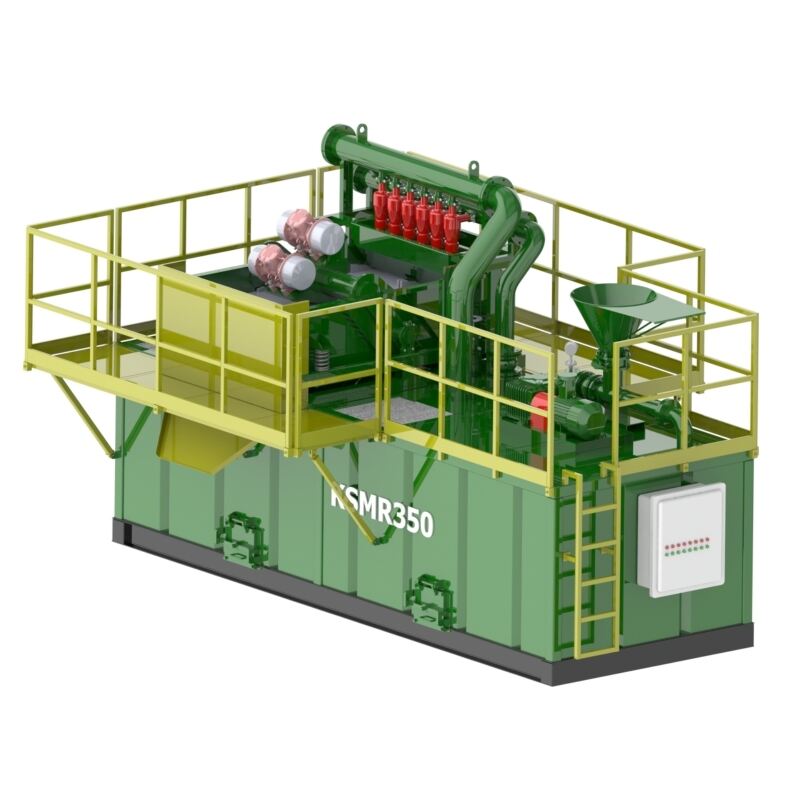
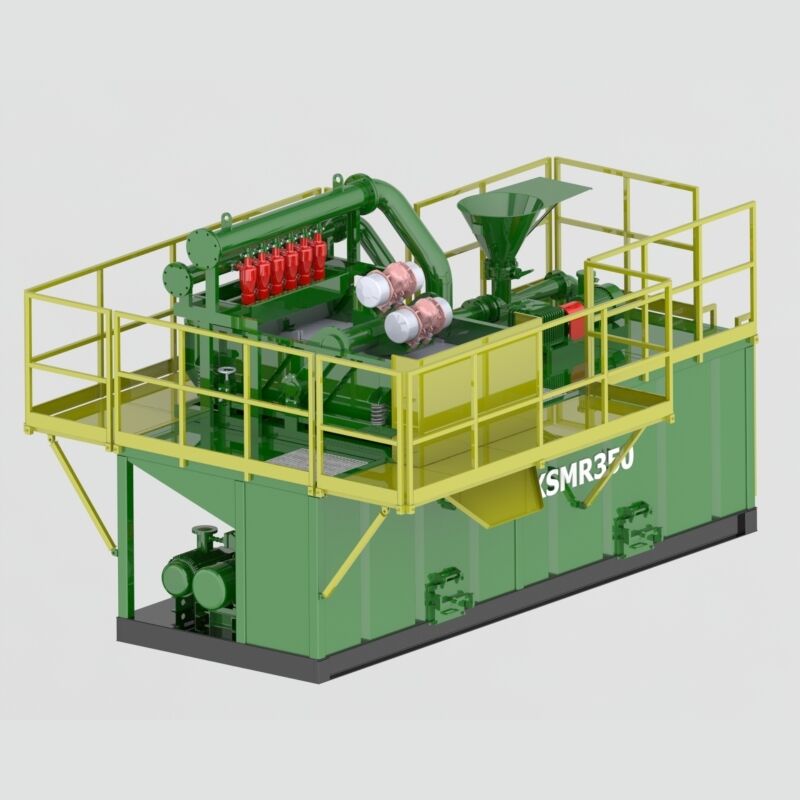
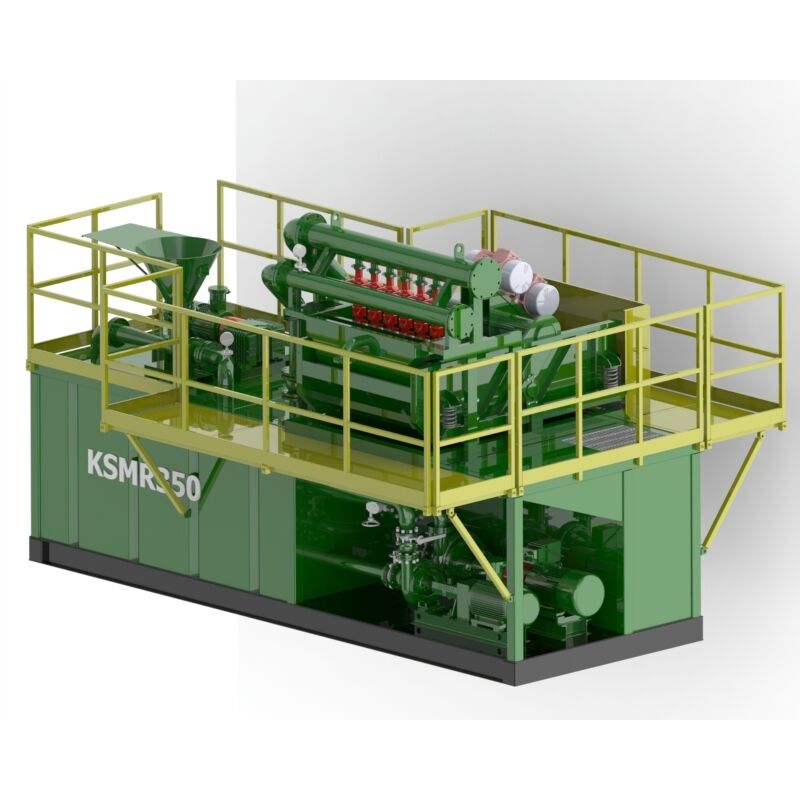
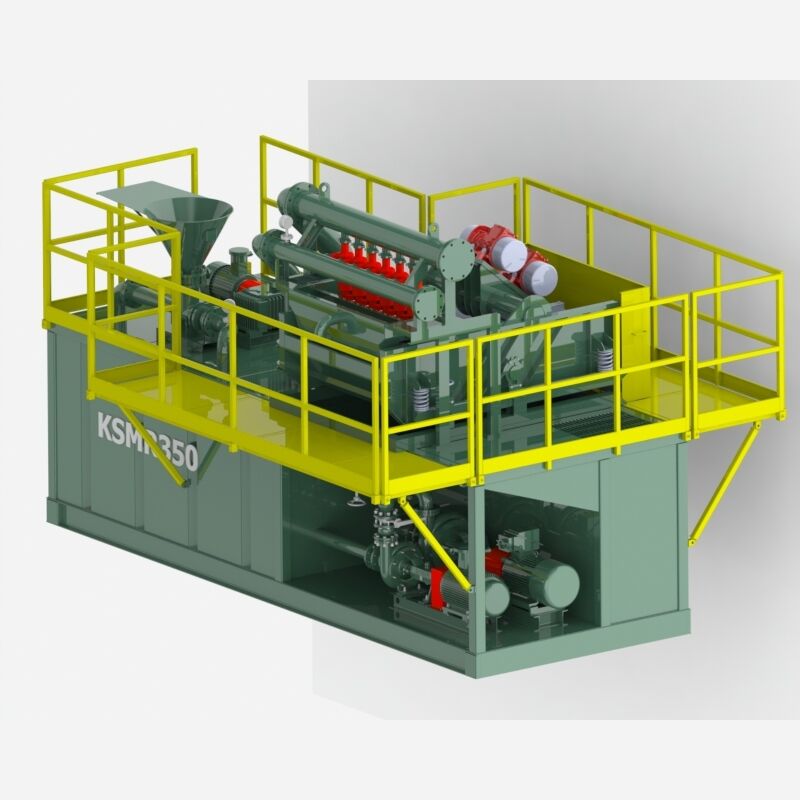


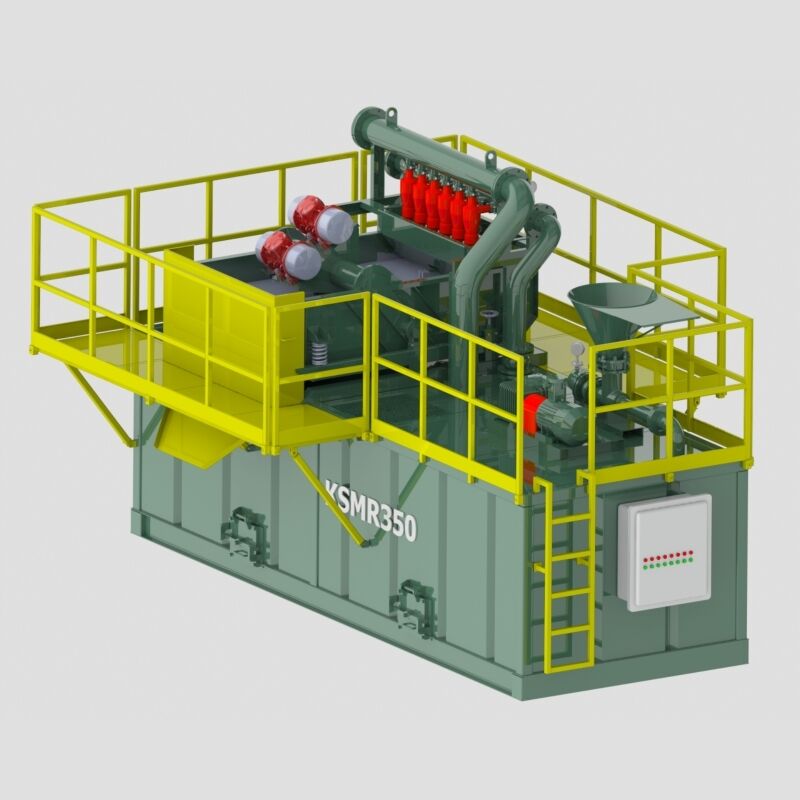
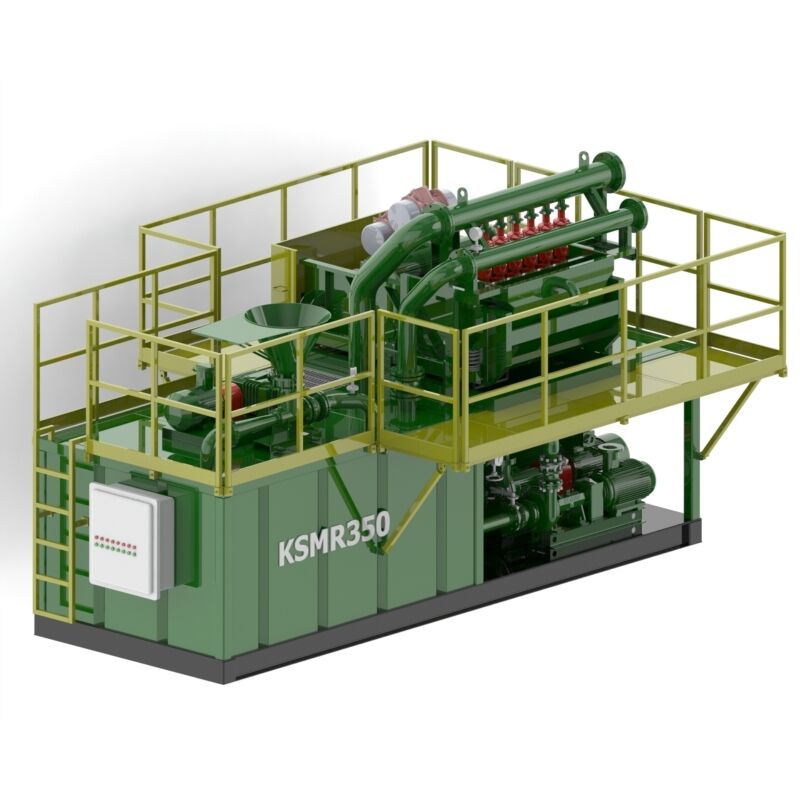
As the mid-range mainstay model of the KSMR Series, the KSMR-350 Trenchless Mud Recovery System is characterized by “balanced capacity-efficiency, flexible adaptability, and outstanding cost-performance”. It precisely bridges the compact KSMR-200 and the large-scale KSMR-1000, specifically designed for medium-distance, medium-diameter trenchless construction scenarios—making it the ideal equipment that balances efficiency and cost.
|
|
I. Core Performance Parameters
Based on the parameter gradient logic of the KOSUN product series and derived from mid-range engineering requirements, the core performance of KSMR-350 is as follows:
| Specification | Derived Parameter | Performance Interpretation |
| Mud Processing Capacity | 350 GPM (80 m³/h) | Processes 1,920 m³ of mud per day, meeting continuous construction needs for medium-scale HDD projects |
| Purification Precision | 15–44 μm particle separation | Inherits the series’ proven multi-stage solid control process, achieving efficient purification for mud with moderate sand content |
| Mud Recovery Rate | ≥91% | Positioned between the 200 model (90%) and 1000 model (92%), balancing recovery efficiency and equipment cost |
| Total Power | 65 kW | Medium-power configuration matches processing capacity requirements, 65% more energy-efficient than the 1000 model, adaptable to conventional construction power supply |
| Equipment Weight | Approx. 12,000 kg | Lightweight design (only 43% of the 1000 model’s weight), reducing transport and installation load requirements |
| Footprint | Approx. 18 m³ | Compact modular layout saves 48% space compared to the 1000 model, suitable for suburban and township construction sites |
II. Core Functions & Technical Highlights
2. Structure Design Adapted for Medium-Volume Projects
3. Safety, Environmental Protection & Operational Assurance
III. Typical Applications & Case Adaptability
1. Core Applicable Project Types
2. Scenario Adaptability Advantage
Taking a suburban water supply mainline crossing project (length 2,000 m, pipe diameter 800 mm) as an example: The KSMR-350 meets slurry demands for 150 m of daily pipeline installation through its 80 m³/h processing capacity, achieving 91% mud recovery rate. Per project, it reduces fresh mud procurement by 400 m³, saving approximately CNY 140,000 in costs. Simultaneously, by connecting an external dewatering screen to treat drill cuttings, it reduces solid waste transport volume by 300 tons, saving disposal fees of CNY 60,000.
IV. Differentiated Advantages vs. Series Models & Competitors
| Comparison Dimension | KSMR-350 | KSMR-200 (Same Series) | KSMR-1000 (Same Series) | Traditional Medium Separate System |
| Applicable Scenarios | Medium-distance HDD, medium-diameter projects | Small-to-medium projects, narrow sites | Ultra-large HDD, complex geological projects | Fixed medium-sized operation sites |
| Processing Efficiency | 80 m³/h | 50 m³/h | 240 m³/h | 60–75 m³/h |
| Module Flexibility | Semi-modular, adaptable to medium sites | Integrated compact design | Fully modular, adaptable to large sites | Fixed layout |
| Intelligent Control | Semi-automatic dual-mode control | Semi-automatic control | Fully automatic closed-loop control | Manual adjustment |
| Comprehensive Cost | Medium (approx. 40% of 1000 model) | Low | High | Medium-high |
V. Operating Cost & Benefit Analysis
Taking a single 2,500 m medium-diameter (800 mm) pipeline project as an example:
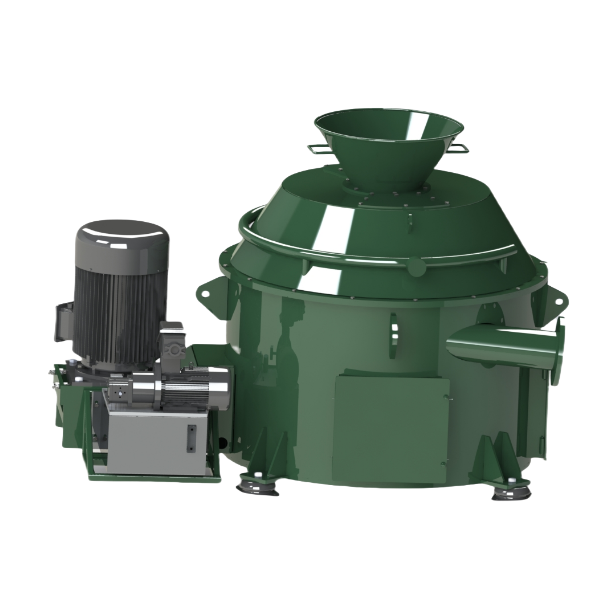
VC900 Vertical Cuttings Dryer
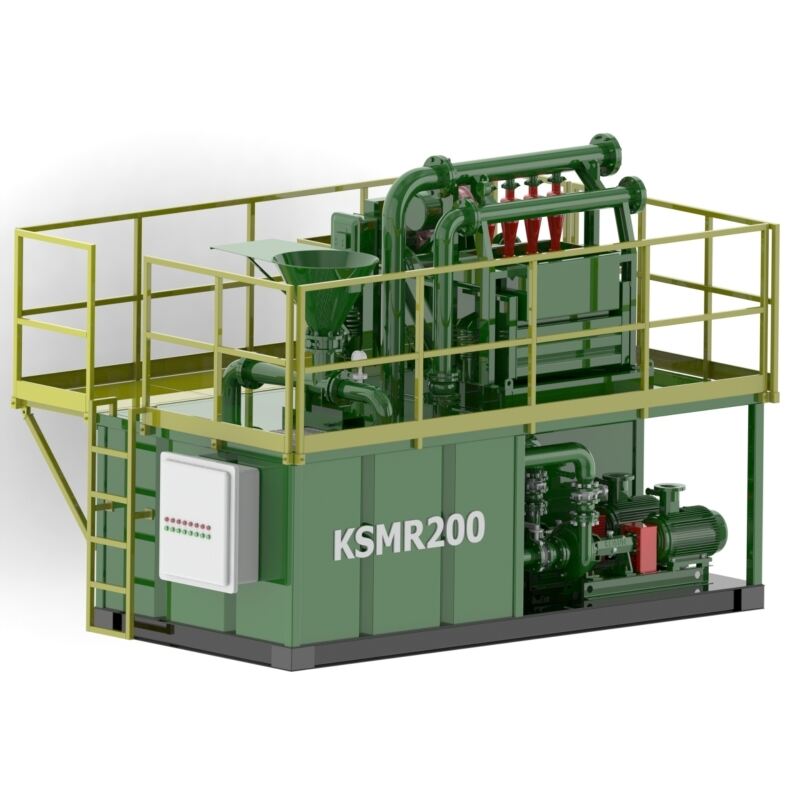
KSMR-200 Trenchless Slurry Recovery System
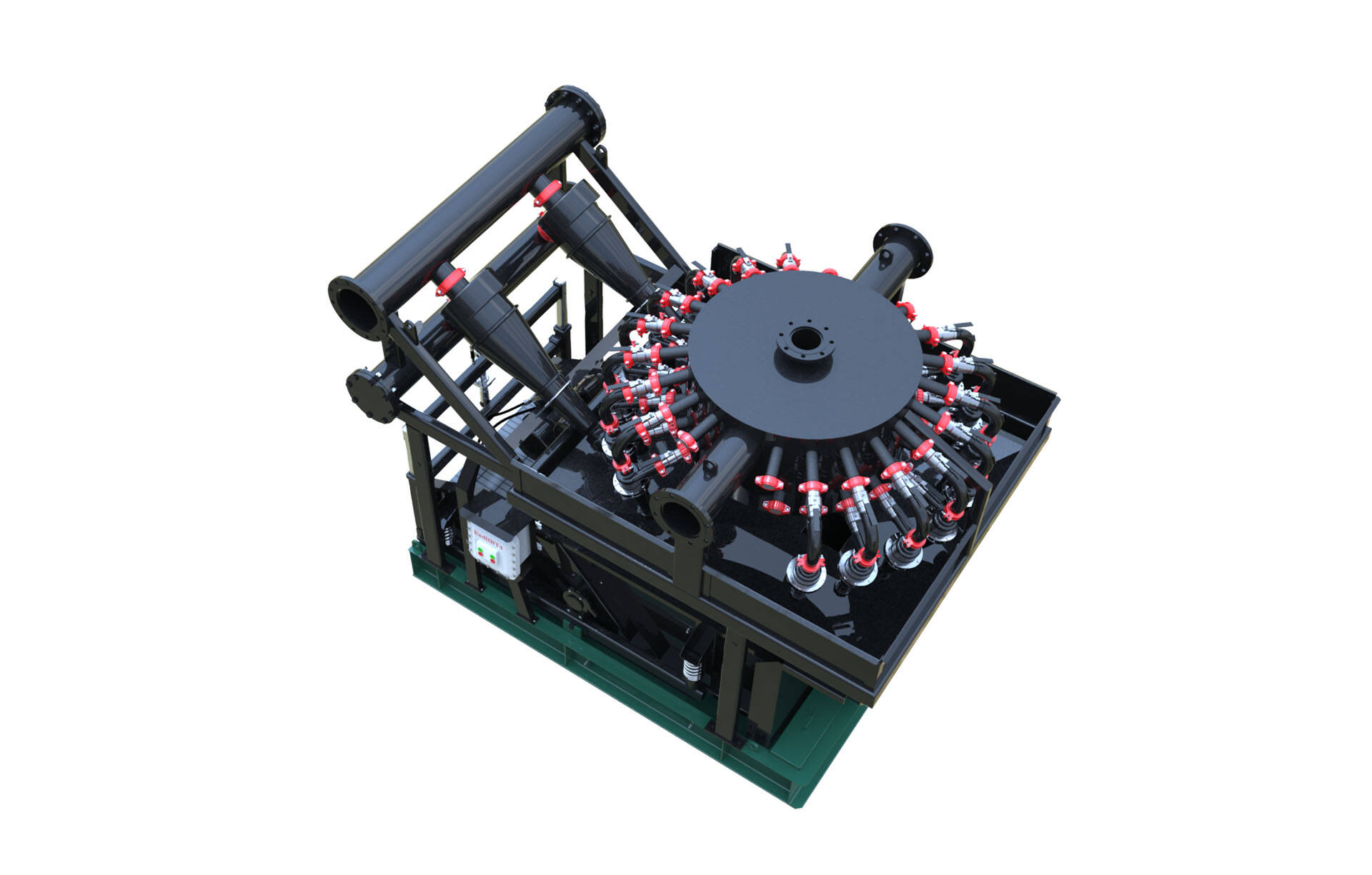
MD316 Mud Cleaner
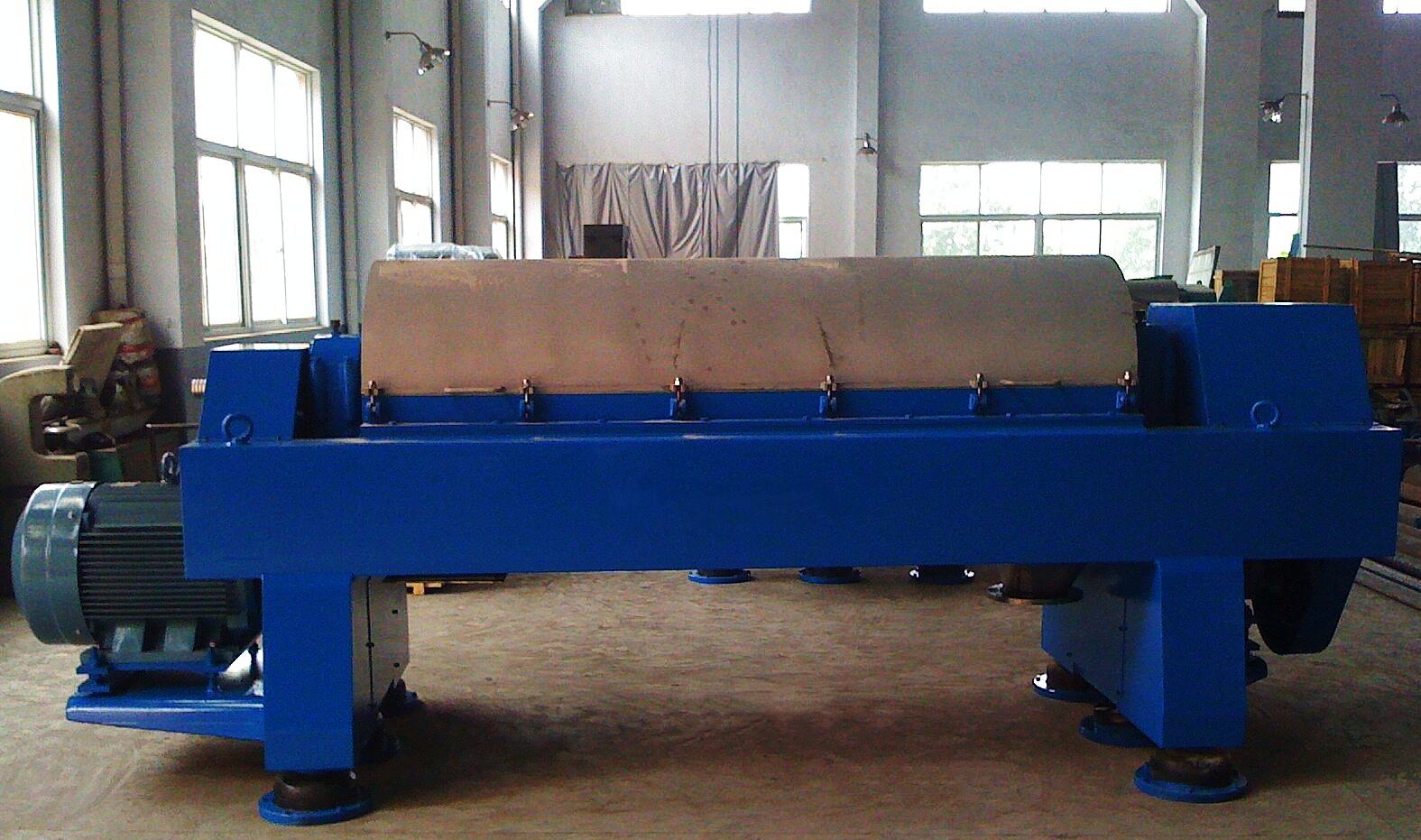
LW 450×1670 Decanter Centrifuge
 EN
EN