Dalam operasi pemboran, ramai pasukan percaya bahawa "jika peralatan tidak rosak, tiada keperluan untuk menyelenggaranya", tanpa menyedari bahawa amalan penyelenggaraan yang tidak betul secara senyap mempercepatkan kerosakan peralatan. Data menunjukkan bahawa 90% kegagalan peralatan kawalan pepejal berasal daripada kesilapan penyelenggaraan rutin, seperti mengabaikan pemeriksaan komponen kritikal atau salah menggunakan pelincir.
Berbekalkan pengalaman penyelenggaraan daripada lebih 200 projek, Black Rhino Industrial Co., Ltd. membantu mengenal pasti "pembunuh tersembunyi" ini, membolehkan pengendali mengurangkan risiko kegagalan dan mengekalkan peralatan berfungsi dengan boleh dipercayai.
Kesilapan 1: "Gantikan skrin penggoncang hanya selepas ia gagal" — mengabaikan pemeriksaan rutin
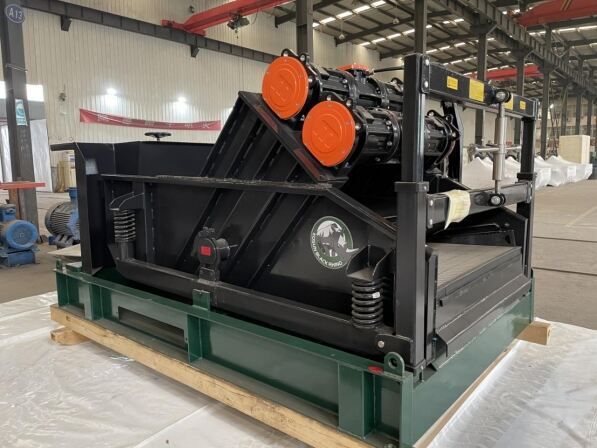
Ramai operator menunggu sehingga skrin rosak atau lumpur mula bocor sebelum menggantikannya, mengabaikan masalah awal seperti ketegangan skrin yang tidak mencukupi atau haus setempat. Malah, penurunan ketegangan skrin sebanyak 10% boleh mengurangkan kecekapan pemisahan sebanyak 25%, dan serpihan yang tidak dipisahkan akan mempercepatkan kerosakan muncung desander di bahagian hilir.
Pendekatan yang betul adalah memeriksa ketegangan skrin dengan tolok ketegangan sebelum operasi harian (peralatan Black Rhino mencadangkan penyelenggaraan pada 35–40 N/cm). Jika dikesan haus di tepi atau tersumbat pada skrin, bersihkannya segera dengan jet air bertekanan tinggi atau gantikan skrin mengikut keperluan. Ini mengelakkan masalah kecil daripada menjadi kerosakan besar.
Sebuah pasukan pengeboran yang menggunakan kaedah penyelenggaraan ini telah memanjangkan jangka hayat skrin daripada tiga bulan kepada lima bulan dan mengurangkan kegagalan desander sebanyak 60%.
Kesilapan 2: “Semakin banyak pelincir, semakin baik” — pelinciran berlebihan secara membabi buta
Sesetengah kakitangan penyelenggaraan percaya bahawa penggunaan lebih banyak pelincir akan mengurangkan haus, tetapi pelinciran berlebihan dalam galas dan kotak gear boleh menyebabkan pelincir terurai pada suhu tinggi, membentuk lumpur yang menyumbat laluan minyak. Manual peralatan Black Rhino dengan jelas menentukan bahawa pelinciran untuk galas motor getaran hendaklah memenuhi satu pertiga hingga separuh daripada isi padu dalaman galas, dan paras minyak dalam kotak gear hendaklah dikekalkan pada garis tengah penunjuk paras minyak.
Dalam satu projek, pengisian berlebihan kotak gear menyebabkan kepanasan berlebihan pada motor dan seterusnya menyebabkan pemberhentian operasi. Pembaikan mengambil masa dua hari dan mengakibatkan kerugian pengeluaran melebihi RMB 30,000. Adalah disyorkan untuk memeriksa paras dan keadaan pelincir setiap bulan, serta menggunakan gred yang ditentukan bagi setiap model peralatan (contohnya, minyak hidraulik tahan haus ISO VG 46 yang disyorkan oleh Black Rhino), serta mengelakkan pencampuran jenis pelincir yang berbeza.
Kesilapan 3: Gagal membersihkan tangki lumpur, membenarkan kumpulan pepejal menyumbat sistem
Jika enapan dan kotoran di dasar tangki lumpur tidak dibersihkan secara berkala, ia boleh memasuki pam dan hidrosiklon bersama cecair pemboran, menyebabkan kehausan komponen yang lebih cepat. Kaedah pembersihan tradisional memerlukan penutupan selama tiga hari, maka banyak pasukan memilih untuk 'beroperasi dengan masalah tersembunyi' bagi mengekalkan jadual kerja. Walau bagaimanapun, enapan yang terkumpul secara ketara mempercepatkan kehausan omboh pam lumpur, dengan kos penggantian melebihi RMB 8,000 setiap kali.
Amalan yang betul adalah menghentikan operasi selama dua jam setiap minggu dan menggunakan pam lumpur untuk memindahkan enapan dasar ke lubang enapan, digabungkan dengan pembersihan tangki secara menyeluruh sekali setiap suku tahun. Black Rhino boleh menyediakan alat pembersihan tangki khusus untuk mengurangkan masa pembersihan penuh kepada satu hari. Satu projek medan gas yang mengamalkan prosedur ini telah memanjangkan jangka hayat perkhidmatan pam lumpur daripada enam bulan kepada sepuluh bulan, menjimatkan lebih daripada RMB 20,000 setahun dalam kos penyelenggaraan tS
Kesilapan 4: “Hanya memeriksa permukaan sahaja” sistem elektrik—mengabaikan penuaan pendawaian
Semasa penyelenggaraan, sesetengah pasukan hanya mengesahkan sama ada motor berjalan, sambil mengabaikan kabel, penyambung, dan pendawaian panel kawalan yang telah lapuk. Dalam persekitaran lembap, pendawaian yang merosot boleh dengan mudah menyebabkan litar pintas, tercetusnya pemutus litar, atau malah insiden keselamatan serius. Black Rhino mencadangkan agar rintangan penebat litar diperiksa menggunakan multimeter sekurang-kurangnya sekali sebulan (ia harus ≥ 1 MΩ ), dengan kekerapan pemeriksaan ditingkatkan semasa musim hujan. Mana-mana penyambung yang berosid atau kabel yang rosak perlu diganti segera, dan panel kawalan harus dibersihkan secara berkala menggunakan udara mampat kering untuk menyingkirkan habuk.
Dalam satu projek perigi air, pendawaian yang lapuk menyebabkan penamatan operasi yang tidak dijangka, yang melambatkan jadual selama satu minggu. Selepas pelaksanaan penyelenggaraan piawaian, kegagalan elektrik hanya berlaku sekali dalam tempoh setahun.
Untuk mengelakkan sepenuhnya kegagalan penyelenggaraan ini, pengguna boleh merujuk kepada "Manual Penyelenggaraan Peralatan Kawalan Pepejal" yang disediakan oleh Black Rhino Industrial. Manual ini merangkumi senarai semak penyelenggaraan harian, mingguan, dan bulanan, dan pelanggan juga boleh menjadualkan latihan penyelenggaraan di tapak oleh jurutera Black Rhino. Pada masa ini, pelanggan yang mengikuti amalan penyelenggaraan piawaian telah melihat kadar kegagalan peralatan purata menurun sebanyak 70% dan jangka hayat perkhidmatan meningkat sebanyak 30%, memastikan peralatan mereka beroperasi dalam keadaan yang stabil secara konsisten .
 EN
EN